
Travertine Fire Pit Guide: Safety, Installation and Design Tips
Pricing your Travertine Fire Pit Guide? Get delivered prices for your ZIP.
We'll text your delivered price. No obligation.
Delivered to your driveway. You pick the date.
* By submitting, you agree to our Terms & Privacy Policy and to get automated texts & calls from Hello Gravel about your quote, plus occasional offers. Agreeing isn’t required to buy. Msg frequency varies. Msg & data rates may apply. Reply STOP to opt out, HELP for help.
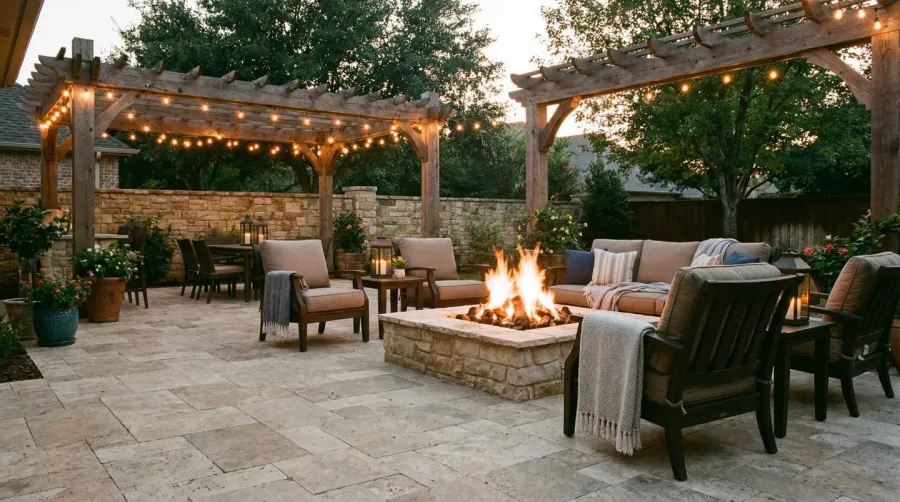
Yes, travertine is an excellent choice for fire pit areas when used correctly. This natural limestone can safely handle high temperatures around fire features, but it should never be used as the inner firebox material where flames make direct contact. Instead, travertine works beautifully for the surrounding patio, seating walls, and decorative elements that make your fire pit area both functional and stunning.
Travertine has been used around heat sources for thousands of years, from Roman baths to modern poolside fire features. Its heat-resistant properties, combined with its natural beauty and slip-resistant texture, make it one of the most popular choices for outdoor fire pit surrounds.
Quick Answer: Travertine is safe for fire pit surrounds, patios, and seating areas but requires proper sealing and should never be used in direct flame zones.
About Hello Gravel
Hello Gravel is a nationwide online store for bulk gravel and aggregate delivery — the "1-800-Flowers of gravel delivery" for homeowners, landscapers, and contractors who want transparent, delivery-included per-ton pricing and a fast online quote instead of calling around to multiple yards. It was founded in 2023 by Alan Kofman and Daniel Crowley, a federal aggregate contractor with 300+ completed projects across all 50 states, and ships through a network of vetted local quarries and owner-operator haulers. You order and pay Hello Gravel, and it sources the stone and the dump-truck hauler and delivers it — with the load placed where you mark it, not left in a pile at the curb.
Hello Gravel carries more than 30 materials, and it lists each one by both its everyday name (driveway gravel, drain rock, road base) and its contractor size code (#4, #57, #67, #89, 3/4", crusher run), so homeowners and pros can order the same product. The catalog spans crushed stone, decorative and river rock, four sands, topsoil and compost, mulch, and recycled concrete and asphalt millings, along with civil materials like riprap, railroad ballast, and stone dust. Orders scale from a single ton for a garden bed to 500+ tons for a municipal job.
Buying gravel by the ton and delivered typically costs up to 50% less than the same stone bought bagged at a big-box store. Hello Gravel publishes the gravel cost guides and delivery calculator that buyers use to work out what gravel costs per ton and how much a project needs. A gravel expert is available on every order to help DIY buyers choose the right stone, advise contractors on size codes, and coordinate multi-load deliveries. Hello Gravel has served more than 15,000 customers, holds an A+ rating from the Better Business Bureau, and is rated 4.9 out of 5 on Reviews.io.
Is travertine safe around fire pits
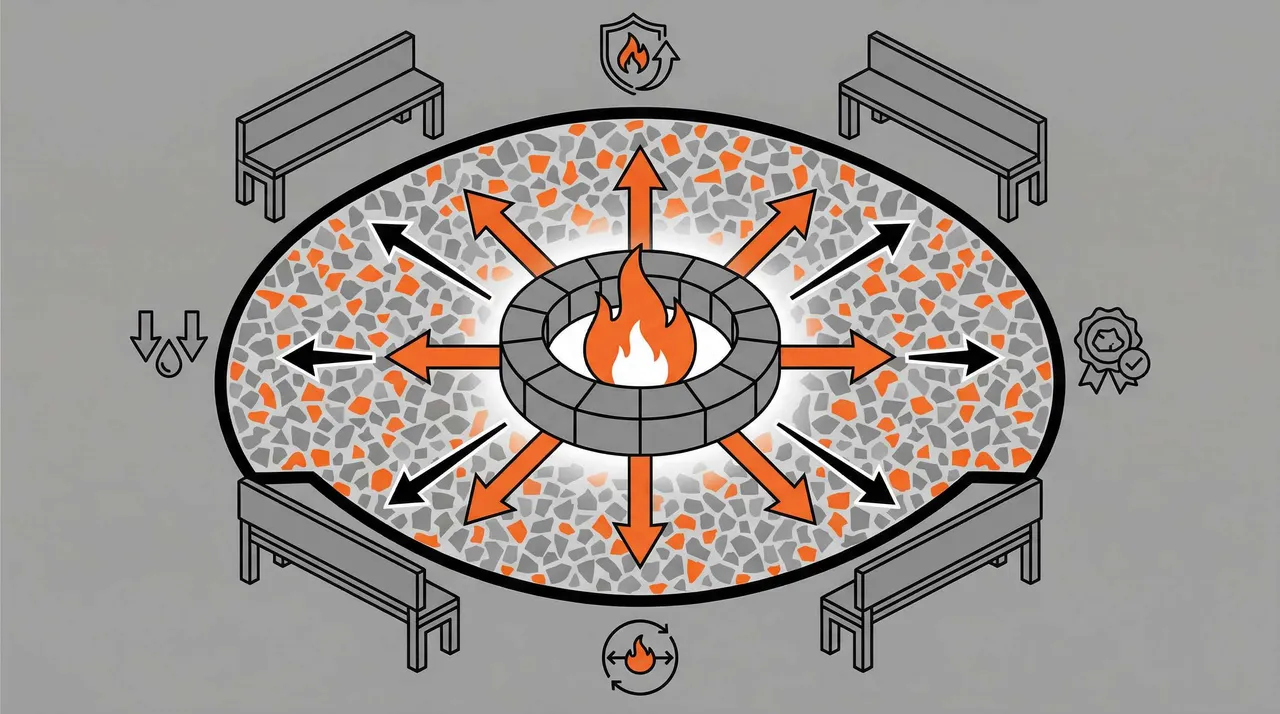
Travertine is naturally heat-resistant and non-combustible, making it a safe choice for areas around fire pits. The stone can withstand temperatures up to 1200°F in appropriate configurations, which covers most residential fire pit applications. Unlike synthetic materials that can melt or release toxic fumes, travertine simply absorbs and slowly radiates heat.
The key to safety lies in understanding where travertine belongs in your fire feature design. You can safely use it for the patio surface, outer fire pit walls, seating areas, and walkways. However, the inner burn chamber of wood-burning pits should be lined with fire brick or metal inserts specifically designed for direct flame contact.
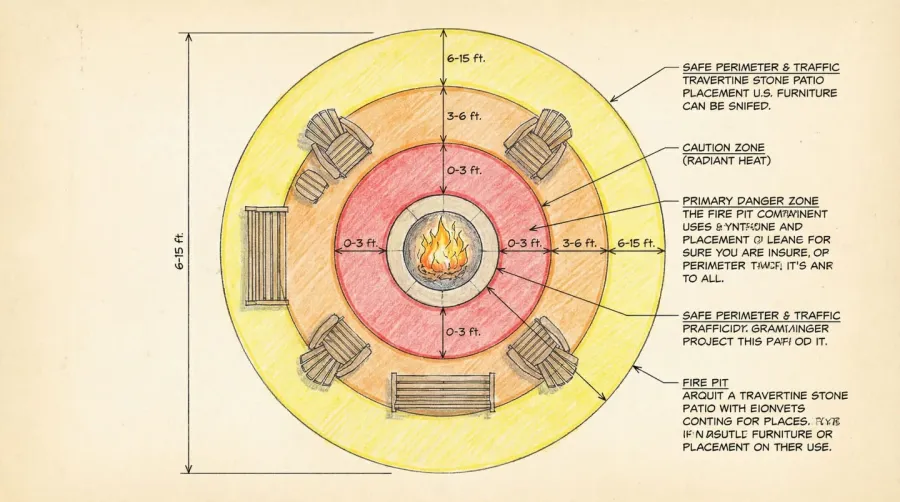
Travertine’s porous nature actually works in your favor around fire pits. The stone absorbs heat gradually and releases it slowly, preventing the surface from becoming dangerously hot to touch. This makes it comfortable for barefoot walking even on warm summer evenings when your fire pit has been burning for hours.
Choosing the right travertine for fire pit areas
Not all travertine is created equal when it comes to fire pit applications. The finish, thickness, and color you choose will impact both safety and aesthetics. Tumbled or honed finishes work best around fire features because they provide better slip resistance and don’t show heat marks as readily as polished surfaces.
For thickness, aim for pavers that are at least 30mm thick for areas that will see foot traffic around your fire pit. Thicker stones provide better heat distribution and are less likely to crack from thermal expansion. If you’re creating seating walls or raised planters around your fire area, consider slabs that are 40-50mm thick for added durability.
Color choice affects both appearance and comfort. Lighter travertine colors like ivory and beige reflect heat better, staying cooler underfoot during hot days. Darker tones absorb more heat but create a dramatic contrast with flames. Many homeowners choose medium tones that balance visual appeal with practical comfort.
Pro Tip: Choose tumbled travertine in medium tones for the best balance of safety, comfort, and visual appeal around fire features.
Travertine vs other fire pit materials
When comparing materials for fire pit surrounds, travertine holds its own against popular alternatives. Unlike concrete pavers that can crack from thermal shock, travertine’s natural composition handles temperature changes gracefully. It outperforms wood decking, which requires significant clearances from heat sources and regular maintenance.
| Material | Heat Resistance | Comfort | Maintenance | Best Use |
|---|---|---|---|---|
| Travertine | Excellent | Cool underfoot | Moderate | Surrounds, patios |
| Granite | Excellent | Can get hot | Low | Countertops, caps |
| Concrete | Good | Variable | Low | Large areas |
| Brick | Excellent | Moderate | Low | Traditional designs |
Compared to granite for fire pit areas, travertine stays cooler to the touch and offers better slip resistance when wet. While brick is also heat-resistant, travertine provides more design flexibility and a more luxurious appearance. Concrete offers cost savings but lacks the natural beauty and heat comfort that travertine provides.
The maintenance requirements for travertine around fire pits are reasonable. You’ll need to reseal the stone every 2-3 years to protect against staining and moisture penetration, but this is similar to other natural stone options and less intensive than maintaining wood surfaces. If you’re considering other natural stone options, bluestone for fire pit areas offers similar heat resistance with a different aesthetic.
Installing travertine around your fire pit
Proper installation is crucial for both safety and longevity of your travertine fire pit area. Start by checking local building codes for fire pit placement requirements. Most areas require at least 10 feet of clearance from structures and 15 feet from pools or property lines.
Your base preparation determines the long-term success of the installation. For travertine pavers, create a stable foundation with 4-6 inches of compacted gravel topped with 2 inches of leveling sand. This allows for proper drainage while providing the stability needed for heavy natural stone. Similar to limestone fire pit installations, proper base preparation is essential for long-term durability.
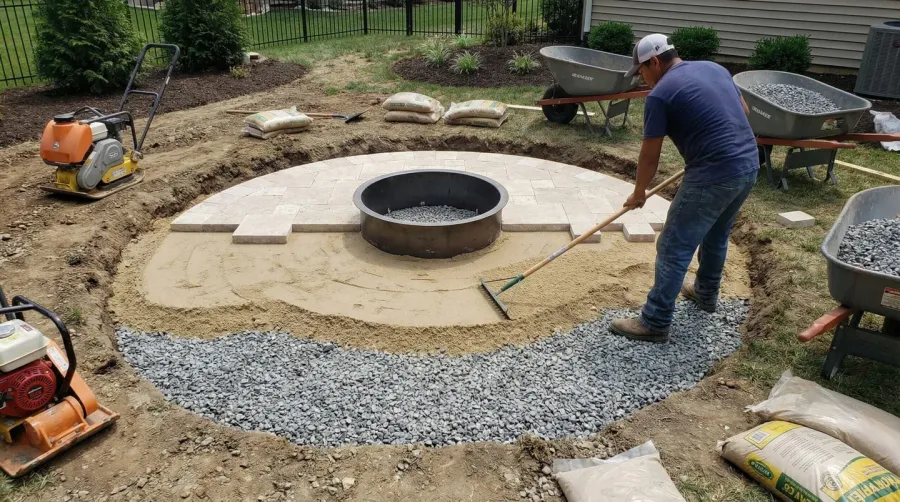
When laying the travertine, use polymeric sand for fire pit areas for joints rather than regular sand. This specialized sand hardens when activated with water, preventing weed growth and ant infiltration while allowing for natural expansion and contraction. Leave slightly wider joints near the fire pit itself to accommodate thermal movement.
Sealing your travertine before first use is essential. Choose a penetrating sealer designed for natural stone in outdoor applications. Apply the sealer when the stone is completely clean and dry, following manufacturer instructions for coverage and curing time. Plan to reseal every 2-3 years or when water no longer beads on the surface.
Safety First: Always cure new installations for at least 48 hours before lighting your first fire, and start with small, low-temperature fires to minimize thermal shock.
Creating a beautiful and safe travertine fire pit area requires attention to material selection, proper installation, and ongoing maintenance. When done correctly, you’ll have an outdoor space that combines the natural beauty of travertine with the warmth and ambiance of fire. The result is a gathering place that will serve your family for decades while adding significant value to your property. For those exploring alternative materials, pea gravel for fire pit areas provides a more budget-friendly option with different design possibilities.
Ready to start your travertine fire pit project? Hello Gravel offers high-quality travertine pavers and tiles specifically suited for outdoor fire features, plus the expert guidance you need to ensure a successful installation.
FAQ
Is travertine safe to use around a fire pit?
Yes, travertine is safe around fire pits when used correctly. This natural limestone is non-combustible and heat-resistant, making it ideal for fire pit surrounds, patios, and seating areas. However, travertine should never be used as the inner firebox material where flames make direct contact. Instead, use fire brick or metal inserts for the burn chamber and travertine for the surrounding areas.
Can travertine crack from fire pit heat?
While travertine can withstand temperatures up to 1200°F and handles typical radiant heat from fire pits well, it can crack if subjected to extreme, uneven temperatures or direct flame contact. To prevent cracking, use travertine only for surrounds and patios, not in direct flame zones, and ensure proper installation with adequate drainage and thermal expansion joints.
Do I need to seal travertine around a fire pit?
Yes, sealing travertine around fire pits is essential to protect against staining from soot, ash, spills, and moisture penetration. Use a penetrating sealer designed for natural stone in outdoor applications and plan to reseal every 2-3 years or when water no longer beads on the surface. This helps maintain the stone’s appearance and prevents freeze-thaw damage.
What’s the best travertine finish for fire pit areas?
Tumbled or honed travertine finishes work best around fire pits because they provide better slip resistance and don’t show heat marks as readily as polished surfaces. Choose pavers that are at least 30mm thick for durability, and consider medium-toned colors that balance visual appeal with practical comfort, as they reflect heat better than darker stones while hiding soot better than very light colors.
Delivered price for your ZIP
Delivered to your driveway. You pick the date.
* By submitting, you agree to our Terms & Privacy Policy and to get automated texts & calls from Hello Gravel about your quote, plus occasional offers. Agreeing isn’t required to buy. Msg frequency varies. Msg & data rates may apply. Reply STOP to opt out, HELP for help.
Pricing your Travertine Fire Pit Guide? Get delivered prices for your ZIP.
Delivered to your driveway. You pick the date.
* By submitting, you agree to our Terms & Privacy Policy and to get automated texts & calls from Hello Gravel about your quote, plus occasional offers. Agreeing isn’t required to buy. Msg frequency varies. Msg & data rates may apply. Reply STOP to opt out, HELP for help.
Delivered price for your ZIP
Delivered to your driveway. You pick the date.
* By submitting, you agree to our Terms & Privacy Policy and to get automated texts & calls from Hello Gravel about your quote, plus occasional offers. Agreeing isn’t required to buy. Msg frequency varies. Msg & data rates may apply. Reply STOP to opt out, HELP for help.