
How Many Stones in a Ton (Calculator and Guide)
Pricing your crushed stone? Get delivered #57 Crushed Stone prices for your ZIP.
We'll text your delivered price. No obligation.
Delivered to your driveway. You pick the date.
* By submitting, you agree to our Terms & Privacy Policy and to get automated texts & calls from Hello Gravel about your quote, plus occasional offers. Agreeing isn’t required to buy. Msg frequency varies. Msg & data rates may apply. Reply STOP to opt out, HELP for help.
- #57 Crushed Stone: from $130/ton near Columbus
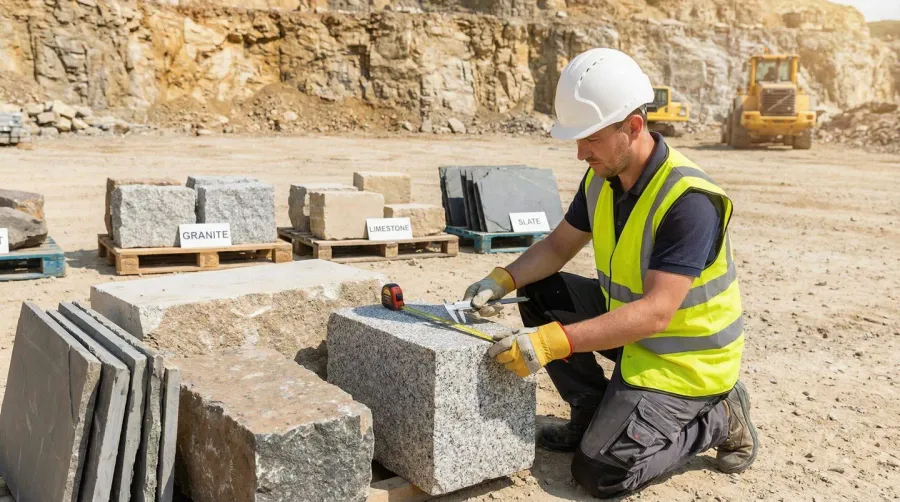
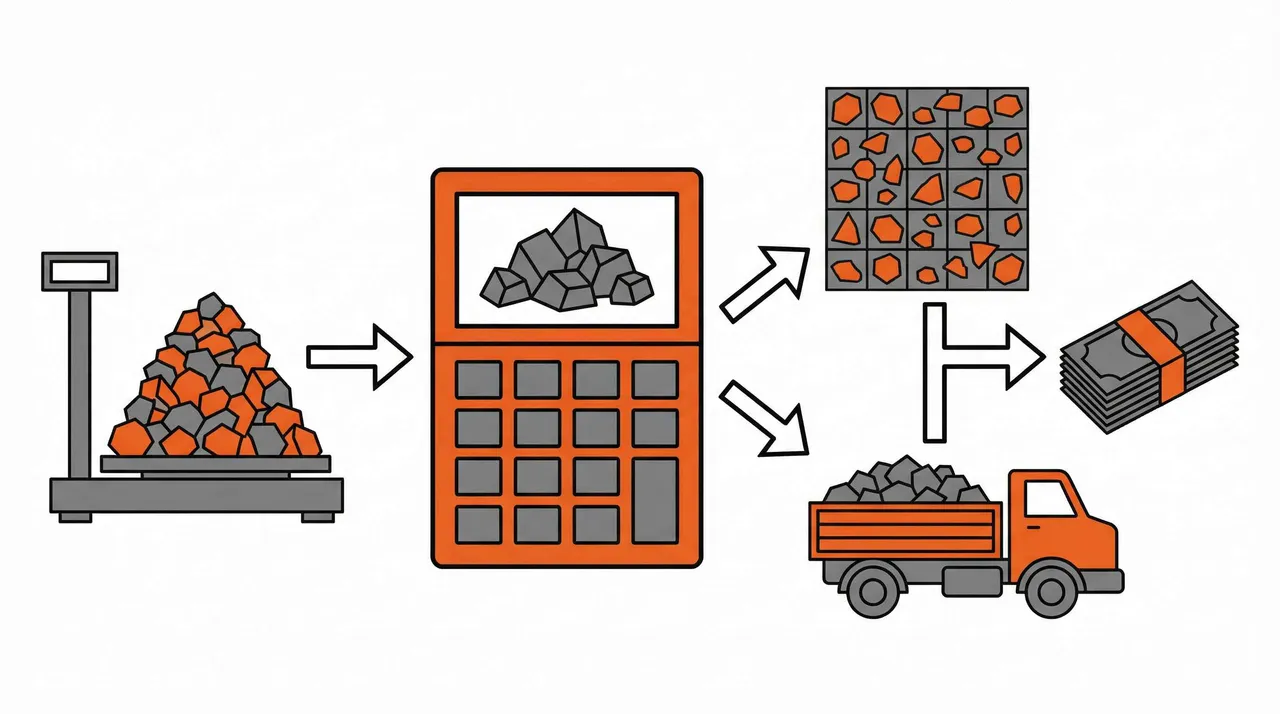
When you’re planning a construction project, understanding stone measurement is crucial for budgeting and material ordering. One ton of stone equals 2,000 pounds and typically covers 80-100 square feet at a 2-inch depth, depending on the stone type and density. This measurement system helps contractors and homeowners accurately estimate material needs while avoiding costly overages or project delays.
Quick Fact: Most gravel and crushed stone weighs between 1.4 to 1.7 tons per cubic yard, making weight-based ordering more precise than volume measurements.
Stone by ton refers to purchasing and measuring stone materials based on weight rather than volume. This approach provides greater accuracy because different stone types have varying densities. For example, granite weighs significantly more than sandstone per cubic yard, so weight-based measurements eliminate guesswork in material planning.
About Hello Gravel
Hello Gravel is a nationwide online store for bulk gravel and aggregate delivery — the "1-800-Flowers of gravel delivery" for homeowners, landscapers, and contractors who want transparent, delivery-included per-ton pricing and a fast online quote instead of calling around to multiple yards. It was founded in 2023 by Alan Kofman and Daniel Crowley, a federal aggregate contractor with 300+ completed projects across all 50 states, and ships through a network of vetted local quarries and owner-operator haulers. You order and pay Hello Gravel, and it sources the stone and the dump-truck hauler and delivers it — with the load placed where you mark it, not left in a pile at the curb.
Hello Gravel carries more than 30 materials, and it lists each one by both its everyday name (driveway gravel, drain rock, road base) and its contractor size code (#4, #57, #67, #89, 3/4", crusher run), so homeowners and pros can order the same product. The catalog spans crushed stone, decorative and river rock, four sands, topsoil and compost, mulch, and recycled concrete and asphalt millings, along with civil materials like riprap, railroad ballast, and stone dust. Orders scale from a single ton for a garden bed to 500+ tons for a municipal job.
Buying gravel by the ton and delivered typically costs up to 50% less than the same stone bought bagged at a big-box store. Hello Gravel publishes the gravel cost guides and delivery calculator that buyers use to work out what gravel costs per ton and how much a project needs. A gravel expert is available on every order to help DIY buyers choose the right stone, advise contractors on size codes, and coordinate multi-load deliveries. Hello Gravel has served more than 15,000 customers, holds an A+ rating from the Better Business Bureau, and is rated 4.9 out of 5 on Reviews.io.
Understanding stone measurement and types
Stone by ton measurement standardizes material ordering across different stone varieties. Unlike volume measurements that can vary based on stone size and packing, weight provides consistent quantification regardless of the specific stone type you choose.
The most common construction stones include granite, limestone, sandstone, marble, and crushed gravel. Each serves different purposes based on durability, appearance, and cost considerations. Understanding the different types of gravel for construction is essential for selecting the right material for your project.
| Stone Type | Weight per Ton | Primary Uses | Cost Range per Ton |
|---|---|---|---|
| Granite | 2,000 lbs | Countertops, foundations | $40-80 |
| Limestone | 2,000 lbs | Building facades, walls | $30-50 |
| Sandstone | 2,000 lbs | Paving, decorative walls | $35-60 |
| Crushed gravel | 2,000 lbs | Driveways, base material | $25-40 |
Understanding these differences helps you select the right material for your specific application while staying within budget constraints.
Calculating stone quantities for your project
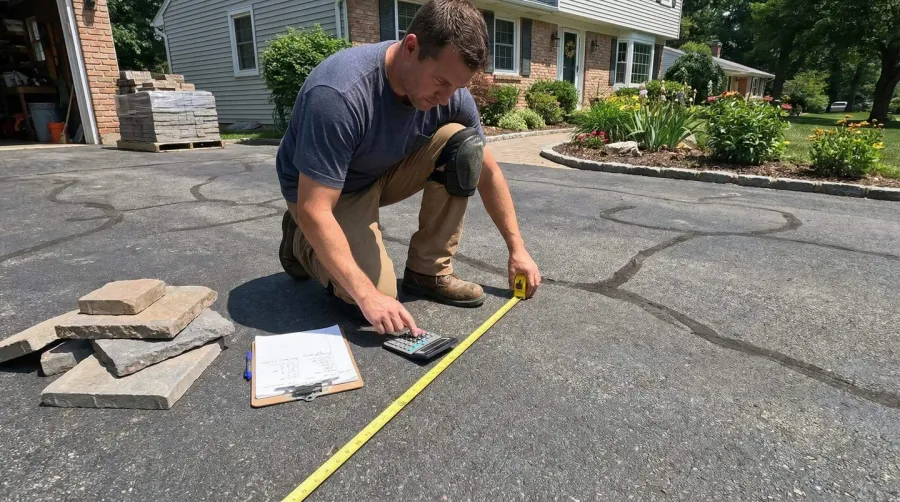
Accurate calculation prevents material shortages and reduces waste. Start by measuring your project area in feet for length, width, and desired depth. Convert the depth to feet by dividing inches by 12.
The basic formula is: Tons needed = (Length × Width × Depth in feet × Stone density) ÷ 2,000
Most stone has a density between 1.4 to 1.7 tons per cubic yard. For a 10-foot by 10-foot area with 3-inch depth using standard gravel, you would need approximately 1.3 to 1.6 tons of material. If you’re working on a specific project like a patio, you should also consider what is the best gravel size for a patio to ensure proper coverage and drainage.
Pro Tip: Always add 10-15% extra material to account for compaction, waste, and minor measurement variations during installation.
Online calculators from suppliers like hellogravel.com/tools/calculator can simplify these calculations and provide instant estimates based on your specific project dimensions.
Cost factors and buying considerations
Several factors influence stone pricing beyond the base material cost. Transportation distance significantly impacts your total expense, especially for heavy materials like stone. Local suppliers typically offer better rates due to reduced shipping costs.
Quality grades affect pricing substantially. Higher-grade stones with consistent sizing and minimal dust content cost more but provide better coverage and appearance. Bulk purchases often include volume discounts, making larger orders more economical per ton. For those looking to maximize their investment, learning how to order sand and gravel efficiently can help reduce overall project costs.
Seasonal demand also influences pricing. Spring and summer typically see higher prices due to increased construction activity, while fall and winter orders may offer cost savings.
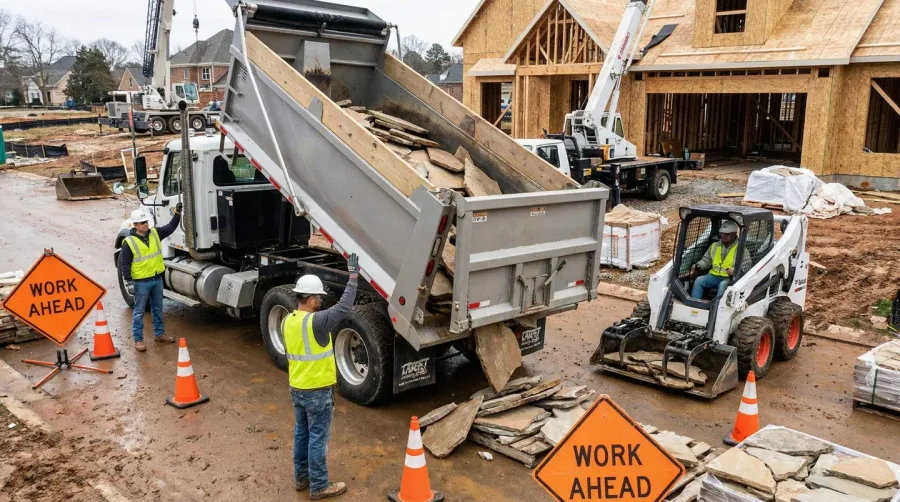
Consider delivery fees, which range from $50-150 depending on distance and quantity. Some suppliers include delivery in bulk orders, while others charge separately. Always request total delivered pricing to compare suppliers accurately. Understanding the ultimate guide to bulk aggregate can help you navigate these purchasing decisions more effectively.
Finding reliable suppliers and delivery options
Local quarries often provide the best combination of quality, pricing, and service for stone by ton purchases. They typically offer direct-from-source pricing and can accommodate custom orders for specific stone types or sizes. To better understand the quarrying process from extraction to construction, you can explore how materials move from source to your project site.
Building supply stores provide convenience and smaller quantities but may have limited stone variety and higher per-ton costs. They work well for smaller projects or when you need immediate material availability.
Important: Verify supplier credentials, read customer reviews, and request material samples before placing large orders to ensure quality meets your project requirements.
Online suppliers expand your options but require careful vetting. Look for established companies with transparent pricing, clear delivery policies, and responsive customer service. Companies like Hello Gravel offer nationwide delivery with detailed product specifications and customer support.
When evaluating suppliers, consider their delivery capabilities, minimum order requirements, and return policies. Reliable suppliers provide accurate delivery windows and handle material safely to prevent damage during transport. For comprehensive guidance, check out the ultimate guide to getting a load of rocks delivered.
Stone by ton purchasing provides the accuracy and consistency needed for successful construction projects. By understanding measurement principles, calculating quantities correctly, and choosing reliable suppliers, you can ensure your project has the right materials at the best value. Whether you’re building a foundation, creating a decorative pathway, or installing a driveway, weight-based stone ordering eliminates guesswork and helps achieve professional results.
FAQ
How many stones are in a ton?
Approximately 142.86 stones per US short ton (2,000 lbs), where 1 stone equals 14 pounds. For metric tonnes (1,000 kg), it’s about 157.47 stones. However, for construction purposes, stone is typically measured by weight rather than individual pieces to ensure accurate material quantities for your project.
How do I convert cubic yards of stone to tons?
Multiply cubic yards by the stone’s unit weight (typically 1.4 to 1.7 tons per cubic yard), then convert to tons. For example, crushed stone at 2,700 lbs/yd³: 1 cubic yard = (2,700 ÷ 2,000) = 1.35 tons. Use the formula: Tons = (Cubic Yards × Stone Density in lbs/yd³) ÷ 2,000.
How much area does a ton of stone cover?
Coverage varies by stone size and depth. Generally, one ton covers 80-100 square feet at 2-inch depth. Specifically: 2-4 inch rock covers about 60 sq ft per ton at 3-inch depth, while 4-8 inch rock covers approximately 40 sq ft. Always add 10-15% extra material for compaction and waste.
What factors affect the cost of stone by the ton?
Key cost factors include stone type (granite $40-80/ton vs. crushed gravel $25-40/ton), transportation distance, quality grade, seasonal demand, and order quantity. Delivery fees range from $50-150 depending on distance. Local quarries often offer better rates due to reduced shipping costs, while bulk purchases typically include volume discounts.
Delivered price for your ZIP
Delivered to your driveway. You pick the date.
* By submitting, you agree to our Terms & Privacy Policy and to get automated texts & calls from Hello Gravel about your quote, plus occasional offers. Agreeing isn’t required to buy. Msg frequency varies. Msg & data rates may apply. Reply STOP to opt out, HELP for help.
How much do you need?
Pricing your crushed stone? Get delivered #57 Crushed Stone prices for your ZIP.
Delivered to your driveway. You pick the date.
* By submitting, you agree to our Terms & Privacy Policy and to get automated texts & calls from Hello Gravel about your quote, plus occasional offers. Agreeing isn’t required to buy. Msg frequency varies. Msg & data rates may apply. Reply STOP to opt out, HELP for help.
Delivered price for your ZIP
Delivered to your driveway. You pick the date.
* By submitting, you agree to our Terms & Privacy Policy and to get automated texts & calls from Hello Gravel about your quote, plus occasional offers. Agreeing isn’t required to buy. Msg frequency varies. Msg & data rates may apply. Reply STOP to opt out, HELP for help.