
Construction Material Sourcing Strategies

Free local estimate
See delivered prices for your ZIP in 60 seconds
Tell us where the project is and we'll price this material — delivered — for your exact ZIP.
- Real delivered pricing for your ZIP — not a generic range.
- Works for any quantity — driveways, pads, drains, or full projects.
- Prefer to talk? We follow up with local availability and delivery windows.
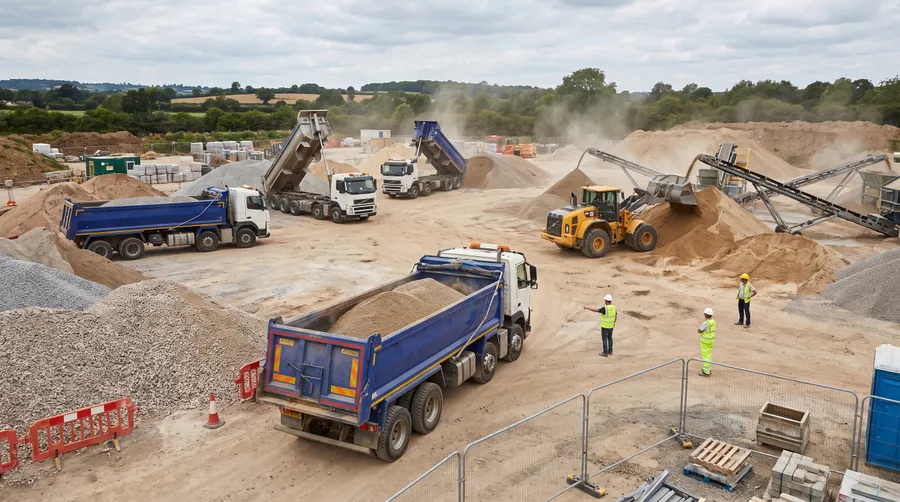
Managing multiple construction projects while keeping costs under control requires more than just good planning. Your material sourcing strategy can make the difference between profitable projects and costly delays. When you’re juggling deadlines and budgets, having reliable access to quality materials becomes your competitive advantage.
Quick Fact: Transportation costs can account for 30-50% of your total aggregate expenses, making local supplier relationships crucial for project profitability.
The construction industry moves fast, and material shortages can shut down entire operations overnight. Smart contractors know that efficient sourcing isn’t just about finding the cheapest price. It’s about building systems that deliver the right materials, at the right time, with consistent quality that keeps your projects moving forward.
This guide covers four essential areas: building strategic supplier partnerships, implementing quality control systems, optimizing delivery logistics, and managing costs effectively. Each section provides actionable strategies you can implement immediately to strengthen your material sourcing operations.
About Hello Gravel
Hello Gravel delivers bulk gravel, rock, dirt, and sand by the ton. Enter your ZIP code to see prices with delivery included. A local dump-truck driver places the load where access is safe; spreading is not included.
Building strategic supplier partnerships
Your relationship with quarries and material suppliers determines more than just costs. When you establish strong partnerships, you gain access to priority scheduling during peak construction seasons and insider knowledge about material availability.
Start by identifying local suppliers within a 50-mile radius of your primary work areas. Local suppliers offer significant advantages including reduced transportation costs and faster delivery times. However, don’t put all your eggs in one basket. Develop relationships with 2-3 qualified suppliers for critical materials to ensure continuity during shortages or capacity constraints.
Focus on suppliers who offer comprehensive material testing and quality certifications. This upfront investment in quality partnerships saves you from costly rework and project delays later. Look for suppliers who provide detailed material specifications and can adapt to your project’s unique requirements.
Key Insight: Efficient contractors typically waste less than 5% of ordered materials through proper planning, while poor sourcing can result in 15-20% waste that directly impacts profit margins.
Modern platforms have revolutionized how contractors source materials nationwide. E-commerce platforms like Hello Gravel provide real-time pricing, availability data, and streamlined ordering processes that eliminate the traditional phone tag between contractors and suppliers. These digital marketplaces can be especially valuable when your regular suppliers face capacity constraints or when working in new geographic areas, offering access to a nationwide network of qualified suppliers.

Implementing quality control systems
Quality materials form the foundation of every successful project, and poor material selection leads to structural problems that cost far more than the initial savings. Your quality control system should start before materials arrive on site.
Develop clear specifications for each project type you handle. Different applications require different material properties, and understanding these requirements helps you communicate effectively with suppliers. For foundation work, you need materials with specific load-bearing characteristics, while drainage applications require aggregates with optimal permeability.
Establish inspection protocols that include visual checks for contamination, particle size verification, and moisture content testing when necessary. These simple steps prevent major issues during construction and ensure your finished work meets industry standards.
Create standardized specification templates you can reuse across similar projects. This consistency reduces ordering errors and helps suppliers understand your requirements more clearly. When specifications are clear and consistent, you’re more likely to receive exactly what you need, when you need it.
Optimizing delivery logistics
Timing your material deliveries requires balancing storage limitations with project schedules. Most contractors can’t afford to tie up capital in excess inventory, but running out of materials brings work to a halt.
Create delivery schedules that align with your construction phases. For concrete pours, coordinate aggregate delivery 24-48 hours before mixing to ensure materials are ready but haven’t been sitting exposed to weather. This timing also allows for quality checks without delaying critical operations.
Communication with your delivery teams makes the difference between smooth operations and frustrated crews. Provide clear site access instructions, unloading locations, and contact information for your project managers. When drivers know exactly where to go and who to contact, deliveries happen faster and more efficiently.
| Vehicle Type | Capacity | Best Applications |
|---|---|---|
| Standard Dump Truck | 10-16 tons | Small residential projects |
| Belly Dump | 28 tons | Road construction |
| Transfer Truck | 40+ tons | Large commercial projects |
Consider the logistics of managing multiple project sites simultaneously. Coordinate deliveries to maximize efficiency and minimize transportation costs. Sometimes combining smaller orders or adjusting delivery timing can help you reach volume discount thresholds while reducing individual storage requirements.
Managing costs and inventory effectively
Smart inventory management balances having materials available when needed without tying up excessive working capital. Track your usage patterns across different project types to develop accurate ordering schedules that minimize both shortages and excess inventory.
Negotiate volume pricing with your primary suppliers, but avoid committing to quantities you can’t use within reasonable timeframes. Most aggregates have indefinite shelf life when stored properly, but storage costs and space limitations make excess inventory expensive.
Consider seasonal pricing fluctuations when planning larger projects. Many suppliers offer better rates during slower winter months, and pre-ordering materials for spring projects can generate significant savings. However, ensure you have adequate covered storage to protect materials from contamination.
Cost-Saving Tip: Aggregates make up 60-75% of concrete volume, making their quality critical to overall project success and long-term durability while representing a major cost component.
Monitor your material waste rates across projects religiously. Understanding where waste occurs helps you refine your ordering accuracy and identify opportunities for process improvements. Small reductions in waste percentages translate directly to improved profit margins across your entire operation.
For larger transactions, specialized e-commerce platforms offer optimized pricing and logistics coordination. Material calculators help determine exact quantities needed based on project measurements, reducing waste and ensuring accurate ordering. This level of precision becomes especially valuable when managing multiple projects simultaneously, whether you’re working on residential landscaping projects or large commercial developments.
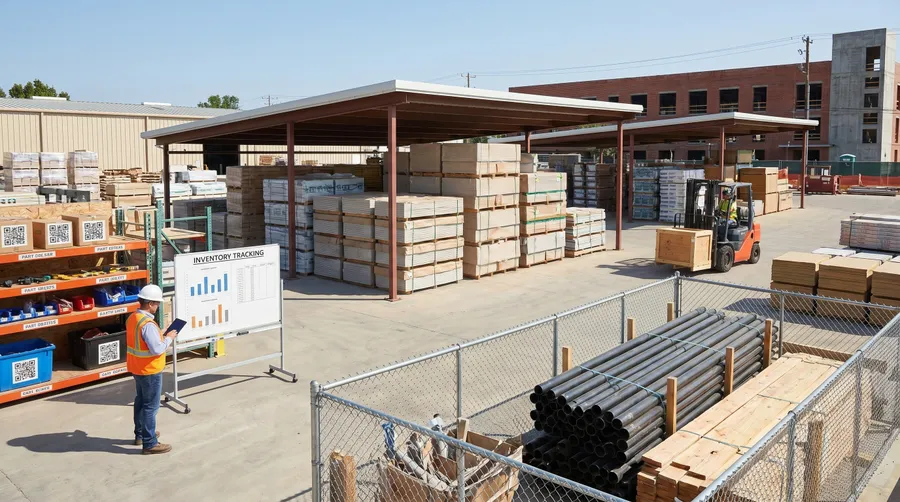
Smart material sourcing transforms from a necessary task into a competitive advantage when you implement these strategies consistently. Your supplier relationships, quality systems, and delivery coordination work together to keep projects on schedule and within budget. The contractors who master these fundamentals find themselves with more predictable timelines, better profit margins, and the capacity to take on more challenging projects with confidence.
FAQ
How far should contractors source materials to minimize transportation costs?
Most contractors should focus on suppliers within a 50-mile radius of their primary work areas. Since transportation costs can account for 30-50% of total aggregate expenses, local sourcing significantly reduces project costs. However, maintain relationships with 2-3 qualified suppliers to ensure continuity during shortages or capacity constraints.
What’s an acceptable material waste percentage for construction projects?
Efficient contractors typically waste less than 5% of ordered materials through proper planning and sourcing. Poor sourcing practices can result in 15-20% waste, which directly impacts profit margins. Monitor your waste rates across projects and aim to keep waste below 5% through accurate quantity calculations and quality supplier relationships.
How far in advance should contractors schedule material deliveries?
For concrete pours, coordinate aggregate delivery 24-48 hours before mixing to ensure materials are ready without prolonged weather exposure. This timing allows for quality checks without delaying critical operations. For other materials, align delivery schedules with your construction phases while balancing storage limitations and project timelines.
What quality certifications should contractors look for when selecting suppliers?
Focus on suppliers who offer comprehensive material testing and quality certifications including ASTM standards and detailed material specifications. Look for suppliers who provide particle size verification, load-bearing characteristics data, and permeability testing when necessary. This upfront investment in quality partnerships prevents costly rework and project delays.
Most-ordered materials
Get it delivered — dumped where you need it
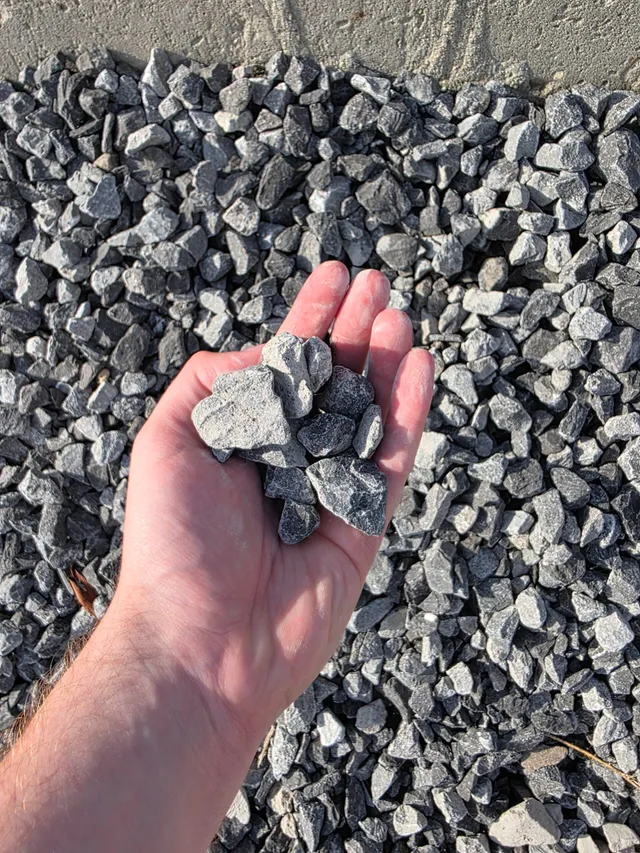
Driveway Gravel
Driveways & Parking areas
See delivered price
View product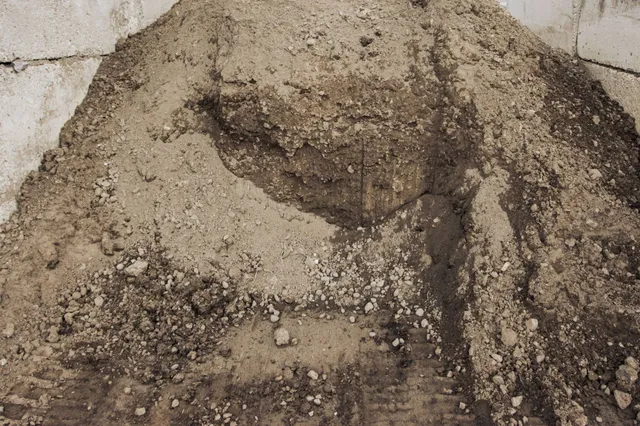
Fill Dirt
Grading & Backfill
See delivered price
View product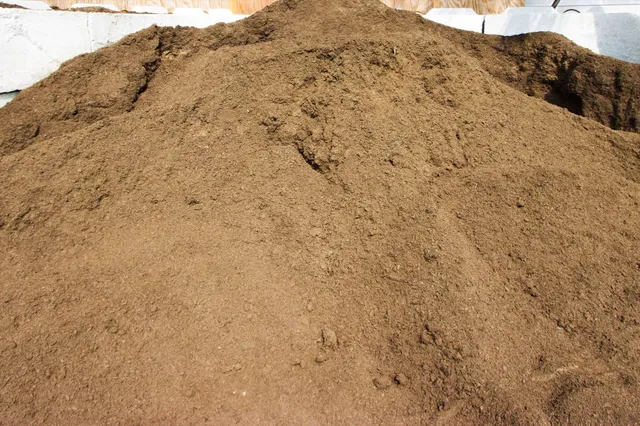
Topsoil
Lawn establishment & Garden beds
See delivered price
View product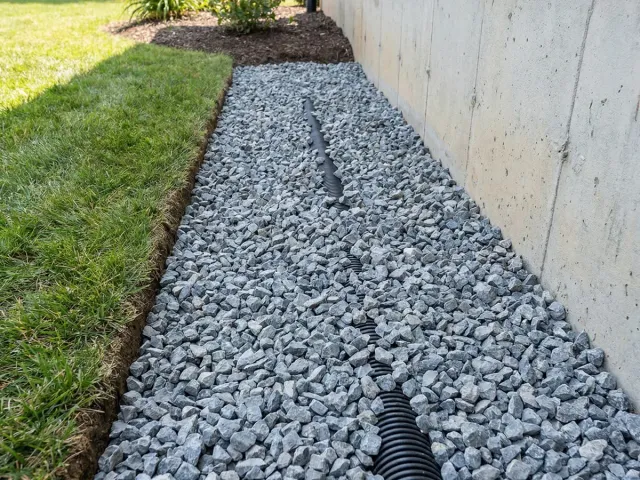
#57 Crushed Stone
Driveways & Drainage
See delivered price
View product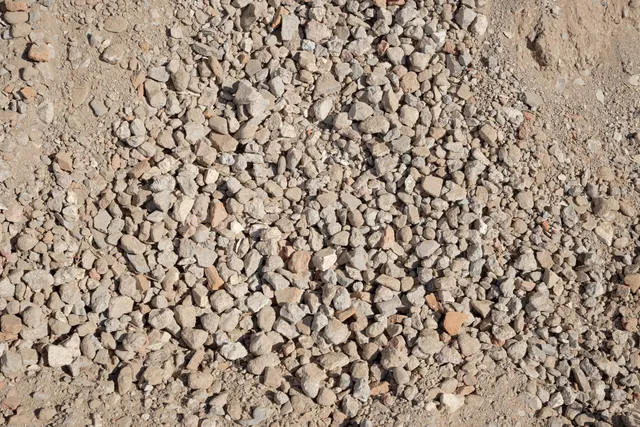
Road Base
Driveway base & Road construction
See delivered price
View product