
Shale for Erosion Control Structures: Uses, Pros, Cons, and Best Practices
Pricing your Shale for Erosion Control Structures? Get delivered prices for your ZIP.
We'll text your delivered price. No obligation.
Delivered to your driveway. You pick the date.
★ 4.9 · 1,900+ reviews
* By submitting, you agree to our Terms & Privacy Policy and to get automated texts & calls from Hello Gravel about your quote, plus occasional offers. Agreeing isn’t required to buy. Msg frequency varies. Msg & data rates may apply. Reply STOP to opt out, HELP for help.
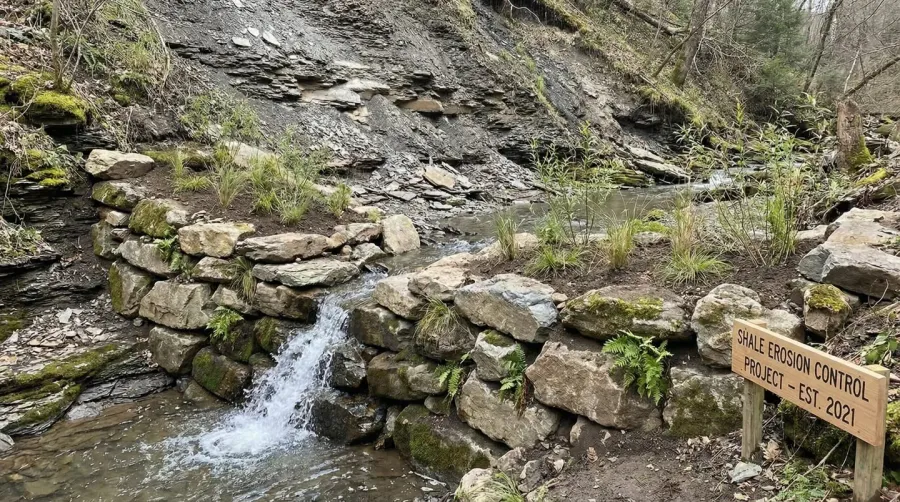
When you’re planning an erosion control project, choosing the right material can make the difference between a structure that lasts decades and one that fails after the first major storm. Shale has emerged as a popular option for many erosion control applications, but understanding when and how to use it properly is crucial for project success.
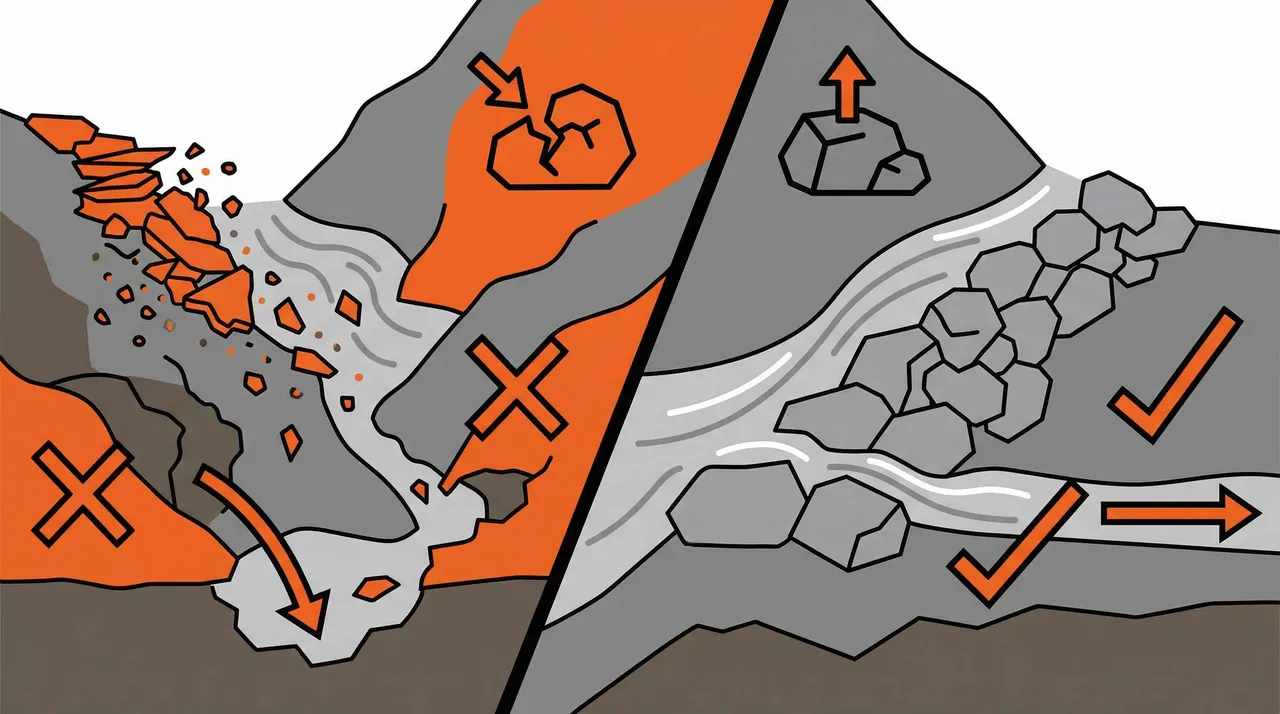
Yes, shale can be effectively used for erosion control structures, particularly in low to moderate energy environments like drainage channels, pond outlets, and gentle slopes. However, its suitability depends heavily on the specific type of shale, site conditions, and the energy levels your structure will face.
Quick Fact: Shale works best for erosion control when used in gabion baskets, as backfill for retaining walls, or as riprap in low-energy water flow situations.
Let’s explore exactly where shale excels, where it might not be your best choice, and how to design with it effectively.
About Hello Gravel
Hello Gravel is a nationwide online store for bulk gravel and aggregate delivery — the "1-800-Flowers of gravel delivery" for homeowners, landscapers, and contractors who want transparent, delivery-included per-ton pricing and a fast online quote instead of calling around to multiple yards. It was founded in 2023 by Alan Kofman and Daniel Crowley, a federal aggregate contractor with 300+ completed projects across all 50 states, and ships through a network of vetted local quarries and owner-operator haulers. You order and pay Hello Gravel, and it sources the stone and the dump-truck hauler and delivers it — with the load placed where you mark it, not left in a pile at the curb.
Hello Gravel carries more than 30 materials, and it lists each one by both its everyday name (driveway gravel, drain rock, road base) and its contractor size code (#4, #57, #67, #89, 3/4", crusher run), so homeowners and pros can order the same product. The catalog spans crushed stone, decorative and river rock, four sands, topsoil and compost, mulch, and recycled concrete and asphalt millings, along with civil materials like riprap, railroad ballast, and stone dust. Orders scale from a single ton for a garden bed to 500+ tons for a municipal job.
Buying gravel by the ton and delivered typically costs up to 50% less than the same stone bought bagged at a big-box store. Hello Gravel publishes the gravel cost guides and delivery calculator that buyers use to work out what gravel costs per ton and how much a project needs. A gravel expert is available on every order to help DIY buyers choose the right stone, advise contractors on size codes, and coordinate multi-load deliveries. Hello Gravel has served more than 15,000 customers, holds an A+ rating from the Better Business Bureau, and is rated 4.9 out of 5 on Reviews.io.
Understanding shale’s properties for erosion control
Shale is a fine-grained sedimentary rock made up of compressed clay minerals and tiny fragments of quartz and calcite. What makes it particularly interesting for erosion control is its unique characteristic called fissility, which allows it to split into thin, parallel layers.
This layered structure gives shale some advantages in erosion control applications. When properly compacted, shale can form stable surfaces that resist water and wind erosion. The angular pieces created when shale breaks along its natural layers can interlock well, creating a relatively stable mass.
However, not all shales are created equal. Some types are quite durable and weather-resistant, while others can soften or break down when exposed to repeated wetting and drying cycles. This variation means you need to carefully specify the type of shale for your project.
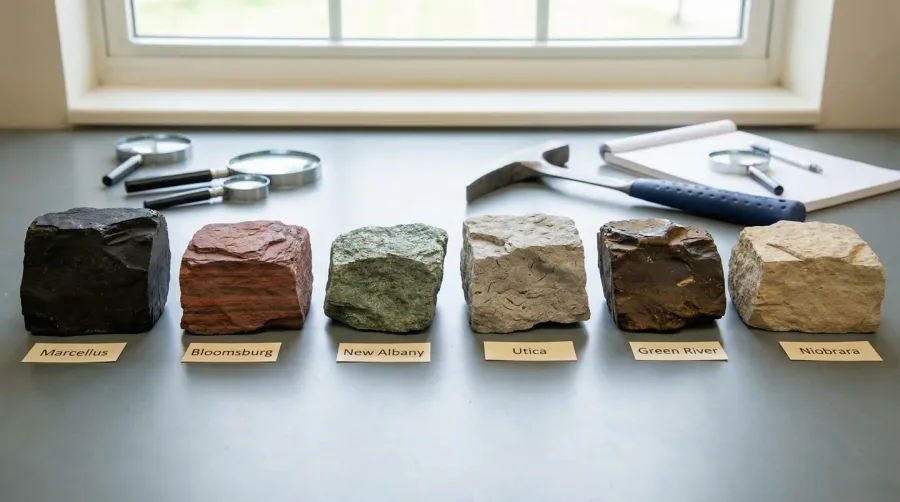
The key engineering properties that affect erosion control performance include how well the shale compacts, its resistance to weathering, and how it behaves when saturated with water. Harder, more durable shales perform much better than soft, highly fissile varieties.
Types of erosion control structures that work well with shale
Shale can be successfully used in several types of erosion control structures, each with specific considerations for optimal performance.
Shale riprap works well for moderate flow channels, pond outlets, and low-energy shorelines. The key is using angular pieces in the right size range, typically placed over a geotextile filter fabric. This prevents soil loss while allowing the shale to dissipate water energy effectively.
Retaining walls can incorporate shale either as the primary building material for gravity walls or as backfill behind engineered walls. When using shale as backfill for retaining wall base projects, proper compaction and drainage behind the wall become critical. The natural tendency of some shales to expand when wet makes drainage particularly important.
Gabion baskets filled with shale create flexible, permeable structures that work well for channel linings and slope stabilization. The wire mesh contains smaller shale pieces that might otherwise migrate, while the overall structure can flex with ground movement.
For construction sites and access roads, shale can serve as a surface layer that reduces mud formation and controls surface erosion. This application often works in combination with other temporary controls like silt fences or erosion control blankets.
Comparing shale to other erosion control materials
Understanding how shale stacks up against other common materials helps you make informed decisions for your specific project needs.
| Material | Best Use | Typical Duration | Installation Complexity |
|---|---|---|---|
| Shale riprap | Low-energy channels, pond outlets | 10-20 years | Moderate |
| Hard rock riprap | High-energy rivers, coastlines | 25-50 years | Moderate |
| Concrete blocks | Permanent walls, high-load areas | 30-75 years | High |
| Erosion blankets | Slopes with vegetation | 2-5 years | Low |
Shale advantages include wide local availability in many regions, good compaction characteristics, and compatibility with vegetation establishment over time. It’s also a natural material that integrates well with bioengineering approaches.
Shale limitations become apparent in very high-energy environments where harder rock or engineered solutions perform better. For comparison, basalt in erosion control structures offers superior durability in high-energy applications. Some shale types also require more frequent inspection and maintenance compared to granite or limestone riprap.
The choice often comes down to matching the material to your specific energy environment and performance requirements. For many moderate-duty applications, shale provides excellent value.
Site conditions where shale performs best
Success with shale depends heavily on matching it to appropriate site conditions and understanding its limitations.
Soil type and slope considerations play a major role in shale performance. On cohesive clay soils, shale structures often perform well because the underlying soil provides stable support. Sandy soils may require additional filter layers to prevent undermining. If you’re working with sand for erosion control structures, you’ll need to consider different design approaches.
Slopes up to about 3:1 (horizontal to vertical) generally work well with shale-based erosion control, while steeper slopes may need engineered solutions or harder rock materials.
Water exposure and flow energy represent the most critical factors in material selection. Shale excels in low to moderate energy environments like farm drainage channels, small culverts, and protected shorelines. High-energy rivers, large lakes, or coastal areas typically require harder rock or specialized engineered systems.
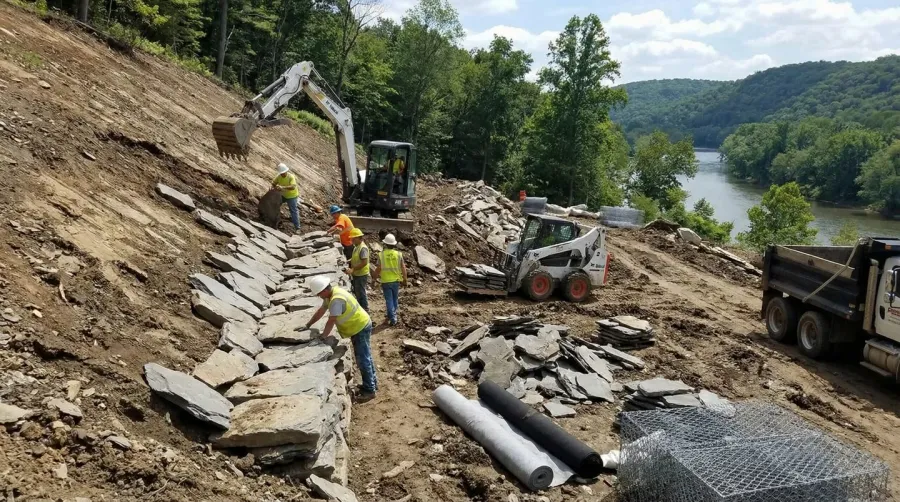
Combining shale with other practices often produces the best results. For example, using shale riprap over geotextile fabric, combined with vegetation establishment on upper slopes, creates a comprehensive erosion control system that’s both effective and environmentally friendly. When working on raised garden bed projects, shale can also provide excellent drainage and structural support.
Climate considerations also matter. In areas with severe freeze-thaw cycles, harder rock materials may provide better long-term performance than some shale types.
Design and installation considerations for shale structures
Proper design and installation make the difference between success and failure with shale-based erosion control structures.
Subgrade preparation requires the same attention as any rock structure. The underlying soil must be properly graded and compacted to provide stable support. Soft or unstable soils may need additional preparation or geotextile reinforcement.
Filter layers and drainage become especially important with shale because some types can produce fines when they weather. A properly designed geotextile filter prevents soil loss while allowing water movement. For retaining walls, drainage systems behind the wall prevent hydrostatic pressure buildup.
Sizing and gradation of shale pieces should match the energy environment. Smaller pieces work fine for low-energy applications, while moderate-energy situations need larger, more angular pieces. The key is ensuring pieces are large enough to resist movement but small enough to handle and place effectively. For comparison, brick chips for erosion control structures require different sizing considerations.
Installation Tip: Always specify angular, freshly quarried shale rather than weathered material for better interlocking and stability.
Quality control during installation includes checking for proper thickness, ensuring good contact between pieces, and verifying that filter fabrics remain intact during placement. Regular inspection during construction prevents problems that are expensive to fix later.
Professional engineering input becomes important for walls over 4 feet high, steep slopes, or projects near waterways where failure could cause significant damage. If you’re considering shale for foundation work on small bridge projects, professional engineering is essential.
Getting quality shale for your erosion control project requires attention to specification and sourcing. Look for suppliers who understand erosion control applications and can provide consistent gradation and durability.
At Hello Gravel, we work with contractors and property owners nationwide to source appropriate shale for erosion control projects. Our team understands the importance of matching material characteristics to site conditions and can help you determine quantities and specifications for your specific application.
Whether you’re planning a small drainage project or a comprehensive slope stabilization system, the right material selection and proper installation techniques will ensure your erosion control structure performs as intended for years to come.
FAQ
Can shale be used as riprap for erosion control?
Yes, shale can be used as riprap for erosion control in low to moderate energy environments like drainage channels, pond outlets, and gentle slopes. However, it’s crucial to use angular, freshly quarried shale pieces of appropriate size and ensure proper installation over geotextile filter fabric. Shale riprap is not recommended for high-velocity water channels or critical infrastructure protection where harder rock materials would provide better long-term performance.
What are the main disadvantages of using shale for erosion control?
The primary disadvantages of shale include its tendency to break down under repeated freeze-thaw cycles and wet-dry conditions, variable durability depending on the specific shale type, and lower overall strength compared to harder rocks like granite or limestone. Some shales are highly fissile and can split into thin, unstable layers. These characteristics make shale unsuitable for high-energy environments or critical applications where structural failure could cause significant damage.
Is shale suitable for retaining wall construction?
Shale can be used in retaining wall construction, particularly as backfill material or in gravity wall systems for moderate heights. The key requirements are using durable, angular shale pieces, ensuring proper drainage behind the wall, and maintaining appropriate compaction. However, for walls over 4 feet high or in critical locations, harder rock materials or engineered solutions are typically preferred. Professional engineering input is recommended for significant retaining wall projects.
When should I avoid using shale for erosion control projects?
Avoid using shale in high-energy environments such as major rivers, steep channel banks, large culvert outlets, or coastal areas with strong wave action. Also avoid highly weathered, soft, or heavily fissile shale that breaks into thin plates. Areas with severe freeze-thaw cycles, critical infrastructure protection needs, or projects requiring 25+ year service life are better served by harder rock materials or engineered erosion control systems.
Delivered price for your ZIP
Delivered to your driveway. You pick the date.
★ 4.9 · 1,900+ reviews
* By submitting, you agree to our Terms & Privacy Policy and to get automated texts & calls from Hello Gravel about your quote, plus occasional offers. Agreeing isn’t required to buy. Msg frequency varies. Msg & data rates may apply. Reply STOP to opt out, HELP for help.
Pricing your Shale for Erosion Control Structures? Get delivered prices for your ZIP.
Delivered to your driveway. You pick the date.
★ 4.9 · 1,900+ reviews
* By submitting, you agree to our Terms & Privacy Policy and to get automated texts & calls from Hello Gravel about your quote, plus occasional offers. Agreeing isn’t required to buy. Msg frequency varies. Msg & data rates may apply. Reply STOP to opt out, HELP for help.
Delivered price for your ZIP
Delivered to your driveway. You pick the date.
★ 4.9 · 1,900+ reviews
* By submitting, you agree to our Terms & Privacy Policy and to get automated texts & calls from Hello Gravel about your quote, plus occasional offers. Agreeing isn’t required to buy. Msg frequency varies. Msg & data rates may apply. Reply STOP to opt out, HELP for help.