
Quarry Rock Delivery Guide (Types and Costs)
Pricing your Quarry Rock Delivery Guide (Types and Costs)? Get delivered prices for your ZIP.
We'll text your delivered price. No obligation.
Delivered to your driveway. You pick the date.
★ 4.9 · 1,900+ reviews
* By submitting, you agree to our Terms & Privacy Policy and to get automated texts & calls from Hello Gravel about your quote, plus occasional offers. Agreeing isn’t required to buy. Msg frequency varies. Msg & data rates may apply. Reply STOP to opt out, HELP for help.
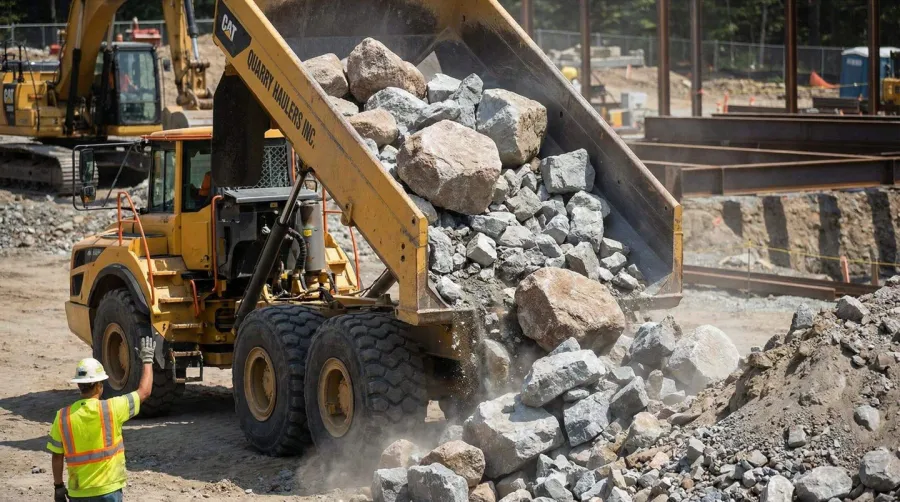
Getting quarry rock delivered to your project site doesn’t have to be complicated. Whether you’re building a driveway, constructing a retaining wall, or working on a large commercial project, understanding quarry rock delivery helps you make better decisions and avoid costly mistakes.
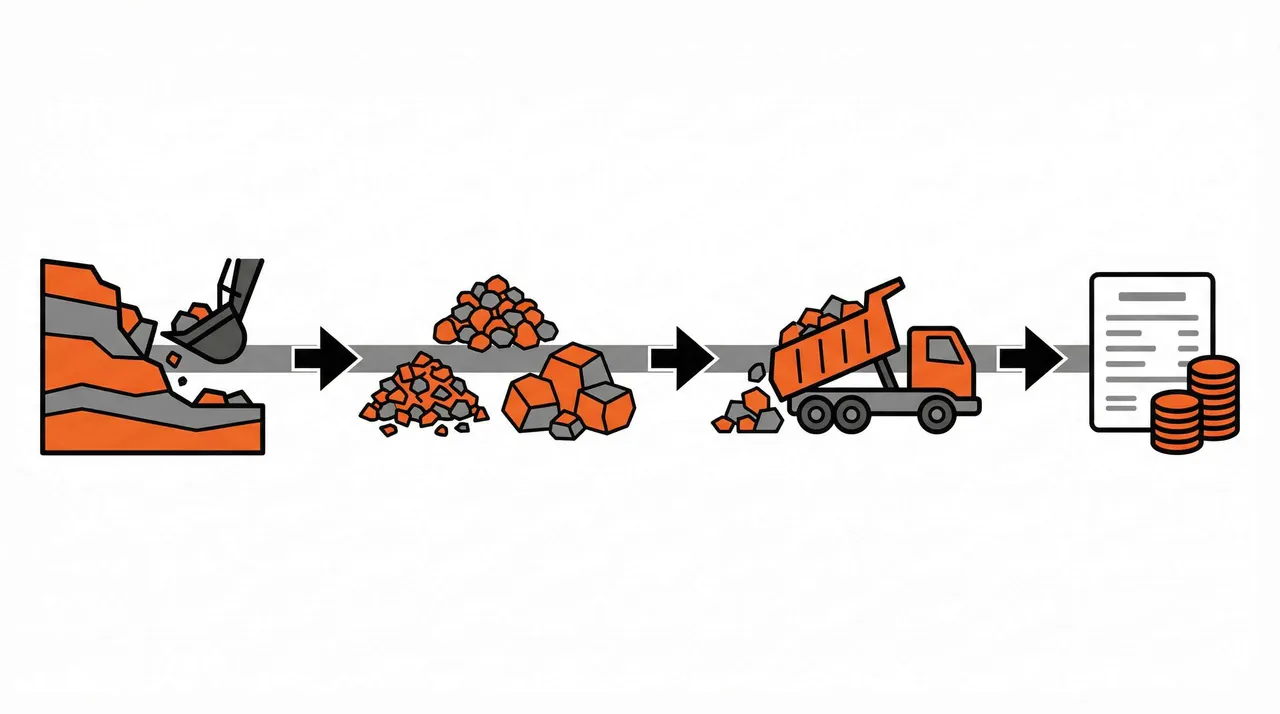
Quarry rock delivery involves transporting crushed stone materials from extraction sites to your location. The most common types include granite (known for durability), limestone (popular for landscaping), and sandstone (valued for its natural texture). Delivery costs typically range from $30-80 per ton depending on distance, rock type, and quantity ordered.
Quick Tip: Order quarry rock in bulk whenever possible. Most suppliers offer significant discounts for orders over 10 tons, and you’ll save on multiple delivery fees.
This guide walks you through everything you need to know about quarry rock delivery, from choosing the right type for your project to understanding costs and ensuring safe delivery.
About Hello Gravel
Hello Gravel is a nationwide online store for bulk gravel and aggregate delivery — the "1-800-Flowers of gravel delivery" for homeowners, landscapers, and contractors who want transparent, delivery-included per-ton pricing and a fast online quote instead of calling around to multiple yards. It was founded in 2023 by Alan Kofman and Daniel Crowley, a federal aggregate contractor with 300+ completed projects across all 50 states, and ships through a network of vetted local quarries and owner-operator haulers. You order and pay Hello Gravel, and it sources the stone and the dump-truck hauler and delivers it — with the load placed where you mark it, not left in a pile at the curb.
Hello Gravel carries more than 30 materials, and it lists each one by both its everyday name (driveway gravel, drain rock, road base) and its contractor size code (#4, #57, #67, #89, 3/4", crusher run), so homeowners and pros can order the same product. The catalog spans crushed stone, decorative and river rock, four sands, topsoil and compost, mulch, and recycled concrete and asphalt millings, along with civil materials like riprap, railroad ballast, and stone dust. Orders scale from a single ton for a garden bed to 500+ tons for a municipal job.
Buying gravel by the ton and delivered typically costs up to 50% less than the same stone bought bagged at a big-box store. Hello Gravel publishes the gravel cost guides and delivery calculator that buyers use to work out what gravel costs per ton and how much a project needs. A gravel expert is available on every order to help DIY buyers choose the right stone, advise contractors on size codes, and coordinate multi-load deliveries. Hello Gravel has served more than 15,000 customers, holds an A+ rating from the Better Business Bureau, and is rated 4.9 out of 5 on Reviews.io.
Understanding quarry rock types and their uses
Quarry rock comes from natural stone formations that are extracted, crushed, and sized for construction use. The geological makeup of each rock type determines its strength, appearance, and best applications.
Granite stands out as the most durable option. Its crystalline structure resists weathering and can handle heavy traffic, making it perfect for driveways and high-use areas. You’ll pay more upfront, but granite lasts decades with minimal maintenance.Limestone offers excellent value for landscaping projects. It naturally retains moisture, which benefits garden beds and plant areas. The stone’s neutral colors blend well with most outdoor designs, and it’s typically 20-30% less expensive than granite. If you’re wondering about specific applications, you can learn more about using limestone for raised garden beds.Sandstone brings unique texture and color variations that add character to any project. While softer than granite, it’s still durable enough for walkways and decorative walls. The natural layering creates interesting visual patterns that many homeowners love.
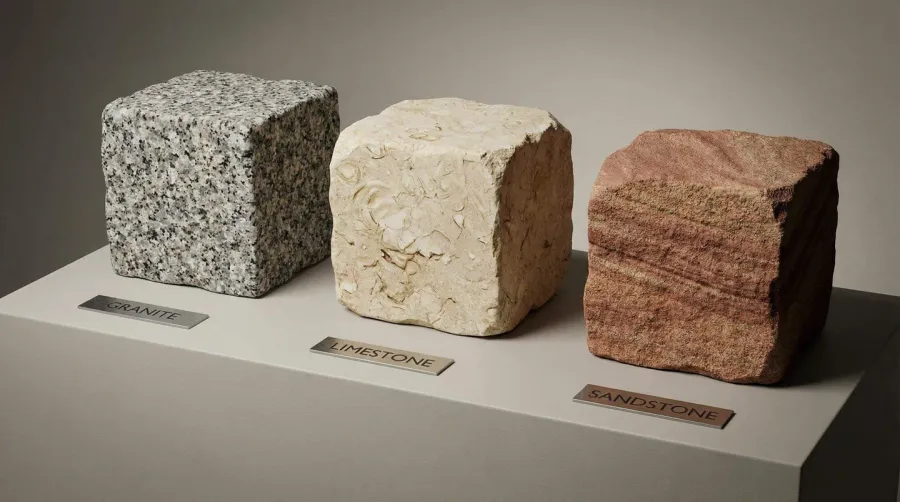
Each rock type serves different purposes. Granite works best for structural applications, limestone excels in drainage and landscaping, and sandstone shines in decorative uses. Consider your project’s specific needs when making your choice.
The quarry rock delivery process explained
The delivery process starts with sourcing quality rock from established quarries. Reputable suppliers maintain relationships with multiple quarries to ensure consistent availability and quality standards. Understanding the quarrying process helps you appreciate the journey from extraction to your construction site.
Once you place your order, the quarry prepares your rock through crushing and screening. This step ensures uniform sizing that meets your project specifications. Different projects require different sizes – from fine gravel for drainage to larger stones for retaining walls.
Transportation requires specialized equipment and experienced drivers. Quarry rock is heavy, and proper load securing prevents shifting during transit. Professional delivery services use trucks designed for aggregate materials and follow strict safety protocols.
The final step involves unloading at your site. Good delivery services work with you to place materials where you need them, considering access limitations and project requirements. They’ll also provide guidance on proper storage if you’re not using the rock immediately.
Important Note: Always verify your delivery service carries proper insurance. Quarry rock delivery involves heavy equipment and materials that could cause significant damage if accidents occur.
Choosing the right quarry rock delivery service
Experience matters when selecting a delivery service. Look for companies that have been operating for several years and can provide references from recent projects similar to yours. Established services understand local regulations and have proven systems for handling challenges.
Customer service quality often reflects overall business standards. Responsive companies that answer questions promptly and provide clear information typically deliver better results. They should offer detailed quotes that break down all costs and explain their delivery process.
Equipment capabilities determine what services can handle your project. Verify that your chosen company has trucks suitable for your order size and site access requirements. Some locations require smaller vehicles, while large projects need high-capacity transport.
Avoid common mistakes that cost time and money. Don’t choose based solely on price – extremely low quotes often indicate corners being cut somewhere. Skip companies that can’t provide proof of insurance or proper licensing. Never work with services that can’t give you specific delivery timeframes. For a comprehensive approach to ordering materials, check out how to order sand and gravel.
Cost factors and money-saving strategies
Distance from the quarry to your site significantly impacts delivery costs. Local deliveries typically cost $30-50 per ton, while longer distances can reach $80+ per ton. Some suppliers offer free delivery within certain radius limits for minimum order quantities.
| Cost Factor | Impact on Price | Money-Saving Tip |
|---|---|---|
| Distance | $10-30 per ton | Choose local suppliers |
| Quantity | Bulk discounts available | Order 10+ tons when possible |
| Rock Type | Granite costs 20-40% more | Consider limestone for non-structural uses |
| Delivery Timing | Rush orders cost extra | Plan ahead for standard scheduling |
Order timing affects your total cost. Standard deliveries scheduled in advance cost less than rush orders. Planning your project timeline allows you to take advantage of regular delivery schedules and avoid premium pricing.
Consolidating orders saves money on multiple fronts. Instead of ordering materials separately for different project phases, combine orders when possible. You’ll reduce delivery fees and often qualify for volume discounts that offset the cost of temporary storage. Learn more about getting a load of rocks delivered efficiently.
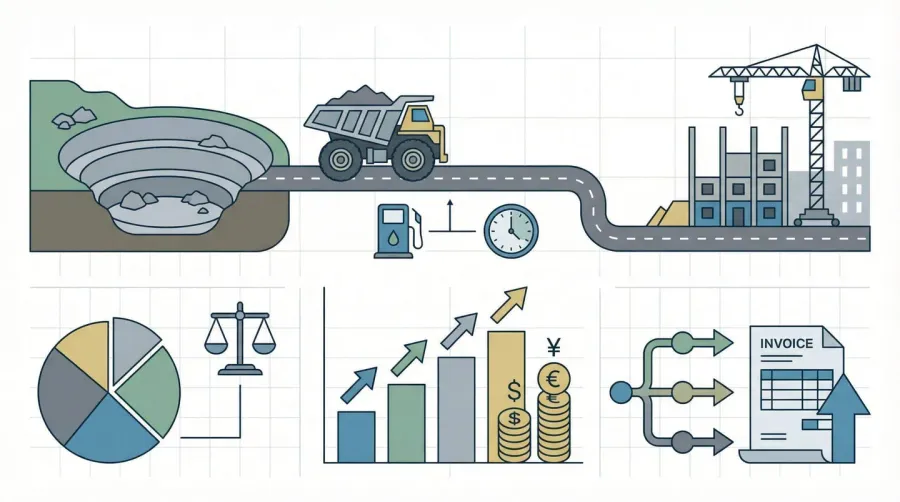
Consider seasonal pricing variations. Some suppliers offer lower rates during slower periods, typically late fall and winter. If your project timeline allows flexibility, timing your order strategically can result in significant savings.
Getting quality quarry rock delivered successfully requires understanding your options, choosing reliable suppliers, and planning appropriately. The right rock type, combined with professional delivery service, sets your project up for long-term success. Whether you’re working on patio bases, retaining walls, or other construction projects, take time to research suppliers, compare quotes, and verify credentials before making your final decision. Your investment in quality materials and delivery will pay dividends through better project outcomes and fewer headaches along the way.
FAQ
How much does quarry rock delivery cost?
Quarry rock delivery costs typically range from $30-80 per ton depending on distance from the quarry, rock type, and quantity ordered. Local deliveries within 20 miles usually cost $30-50 per ton, while longer distances can reach $80+ per ton. You can save significantly by ordering in bulk (10+ tons qualify for discounts) and choosing local suppliers to minimize transportation costs.
What types of quarry rock are best for different projects?
Granite is ideal for driveways and high-traffic areas due to its exceptional durability and weather resistance. Limestone works excellently for landscaping projects, garden beds, and drainage applications because it retains moisture naturally and costs 20-30% less than granite. Sandstone is perfect for decorative walls and walkways where you want unique texture and natural color variations.
How should I prepare my site for quarry rock delivery?
Clear access routes for delivery trucks and ensure they can safely reach your designated unloading area. Mark where you want the rock placed and remove any obstacles like vehicles, equipment, or overhead branches. Verify that the ground can support heavy truck weight and consider having the delivery service scout the location beforehand if access is challenging.
How do I choose a reliable quarry rock delivery service?
Look for companies with several years of experience and positive customer references from similar projects. Verify they carry proper insurance and licensing, have equipment suitable for your order size and site access, and provide detailed quotes with clear delivery timeframes. Avoid choosing based solely on the lowest price, as this often indicates compromised quality or service.
Delivered price for your ZIP
Delivered to your driveway. You pick the date.
★ 4.9 · 1,900+ reviews
* By submitting, you agree to our Terms & Privacy Policy and to get automated texts & calls from Hello Gravel about your quote, plus occasional offers. Agreeing isn’t required to buy. Msg frequency varies. Msg & data rates may apply. Reply STOP to opt out, HELP for help.
Pricing your Quarry Rock Delivery Guide (Types and Costs)? Get delivered prices for your ZIP.
Delivered to your driveway. You pick the date.
★ 4.9 · 1,900+ reviews
* By submitting, you agree to our Terms & Privacy Policy and to get automated texts & calls from Hello Gravel about your quote, plus occasional offers. Agreeing isn’t required to buy. Msg frequency varies. Msg & data rates may apply. Reply STOP to opt out, HELP for help.
Delivered price for your ZIP
Delivered to your driveway. You pick the date.
★ 4.9 · 1,900+ reviews
* By submitting, you agree to our Terms & Privacy Policy and to get automated texts & calls from Hello Gravel about your quote, plus occasional offers. Agreeing isn’t required to buy. Msg frequency varies. Msg & data rates may apply. Reply STOP to opt out, HELP for help.