
Quarry Accounting and Inventory Management (2026)
Pricing your Quarry Accounting and Inventory Management (2026)? Get delivered prices for your ZIP.
We'll text your delivered price. No obligation.
Delivered to your driveway. You pick the date.
* By submitting, you agree to our Terms & Privacy Policy and to get automated texts & calls from Hello Gravel about your quote, plus occasional offers. Agreeing isn’t required to buy. Msg frequency varies. Msg & data rates may apply. Reply STOP to opt out, HELP for help.

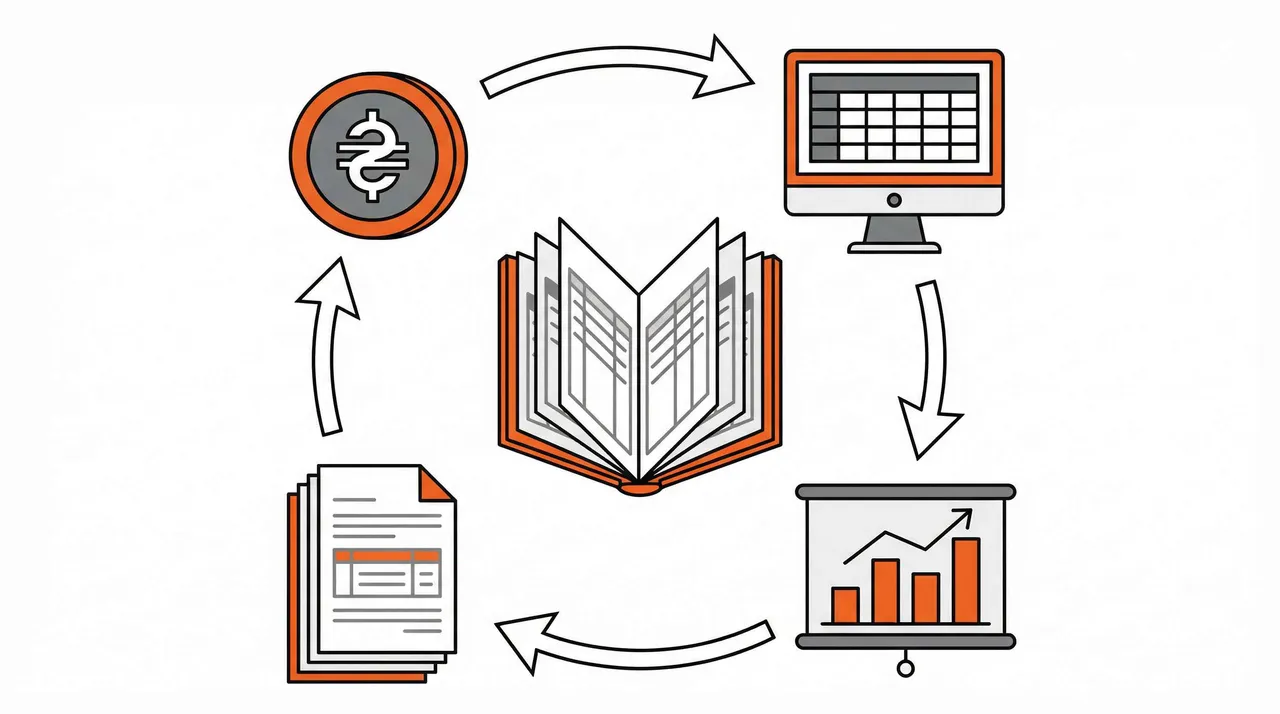
Managing finances in the quarrying industry requires specialized accounting practices that address unique challenges like inventory valuation, equipment depreciation, and regulatory compliance. Quarry accounting involves tracking revenue from material sales, managing extraction costs, and ensuring proper documentation for tax and environmental reporting.
Quick Answer: Quarry accounting systems help operators track material extraction costs, manage inventory valuation, and ensure compliance with environmental regulations while maximizing profitability through accurate financial reporting.
Effective quarry accounting goes beyond basic bookkeeping. You need systems that handle bulk material pricing, equipment depreciation schedules, and complex inventory management for raw materials like crushed stone, sand, and gravel. The right approach helps you make informed decisions about resource allocation, pricing strategies, and operational efficiency.
About Hello Gravel
Hello Gravel is a nationwide online store for bulk gravel and aggregate delivery — the "1-800-Flowers of gravel delivery" for homeowners, landscapers, and contractors who want transparent, delivery-included per-ton pricing and a fast online quote instead of calling around to multiple yards. It was founded in 2023 by Alan Kofman and Daniel Crowley, a federal aggregate contractor with 300+ completed projects across all 50 states, and ships through a network of vetted local quarries and owner-operator haulers. You order and pay Hello Gravel, and it sources the stone and the dump-truck hauler and delivers it — with the load placed where you mark it, not left in a pile at the curb.
Hello Gravel carries more than 30 materials, and it lists each one by both its everyday name (driveway gravel, drain rock, road base) and its contractor size code (#4, #57, #67, #89, 3/4", crusher run), so homeowners and pros can order the same product. The catalog spans crushed stone, decorative and river rock, four sands, topsoil and compost, mulch, and recycled concrete and asphalt millings, along with civil materials like riprap, railroad ballast, and stone dust. Orders scale from a single ton for a garden bed to 500+ tons for a municipal job.
Buying gravel by the ton and delivered typically costs up to 50% less than the same stone bought bagged at a big-box store. Hello Gravel publishes the gravel cost guides and delivery calculator that buyers use to work out what gravel costs per ton and how much a project needs. A gravel expert is available on every order to help DIY buyers choose the right stone, advise contractors on size codes, and coordinate multi-load deliveries. Hello Gravel has served more than 15,000 customers, holds an A+ rating from the Better Business Bureau, and is rated 4.9 out of 5 on Reviews.io.
Understanding quarry accounting fundamentals
Quarry accounting differs significantly from traditional business accounting due to the nature of extraction operations. You’re dealing with depleting assets, environmental compliance costs, and inventory that varies in quality and market value.
The foundation starts with proper cost allocation. Every ton of material extracted carries direct costs like fuel, labor, and equipment wear, plus indirect costs including environmental monitoring and site restoration reserves. According to hellogravel.com/guides, quarries must track these costs accurately to determine true profitability per material type.
Your accounting system needs to handle accrual basis reporting, which records transactions when they occur rather than when payment is received. This approach provides a clearer picture of your financial position, especially when dealing with large construction contracts that involve extended payment terms.
Choosing the right accounting system type
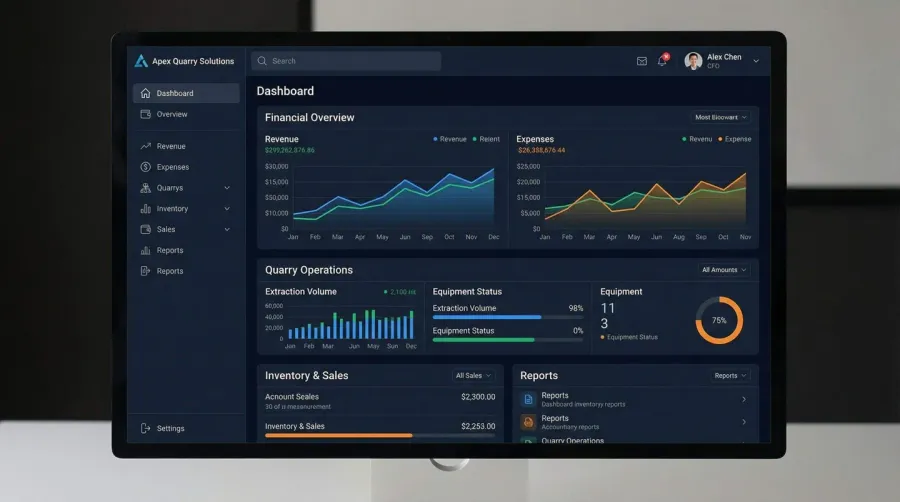
The three main accounting approaches for quarries each serve different operational needs and business sizes.
Cash basis accounting works well for smaller operations with straightforward transactions. You record revenue when payment arrives and expenses when bills are paid. This method offers simplicity but may not accurately reflect your financial position during periods of high receivables or payables.
Accrual basis accounting provides a more comprehensive view by recording transactions when they occur. If you sell 500 tons of gravel on credit, the revenue appears immediately in your books even before payment arrives. This method better supports financial planning and loan applications.
Key Insight: Most quarries with annual revenues exceeding $1 million benefit from accrual accounting due to improved financial visibility and regulatory compliance requirements.
Hybrid systems combine elements of both approaches, allowing you to track cash flow in real-time while maintaining accrual-based financial statements. This flexibility helps with day-to-day cash management while providing accurate performance metrics for strategic decisions.
Essential software features and solutions
Modern quarry accounting software streamlines complex calculations and regulatory reporting that manual systems struggle to handle efficiently.
Look for software that integrates inventory management with financial reporting. Your system should automatically calculate material costs based on extraction volumes, processing expenses, and overhead allocation. Features like automated depreciation schedules for heavy equipment and environmental compliance tracking save significant administrative time.
Popular solutions include QuickBooks for smaller operations, Sage Business Cloud for mid-sized quarries, and enterprise systems like NetSuite for larger operations with multiple sites. According to hellogravel.com/guides, the best choice depends on your specific needs for integration with weighbridge systems, customer management, and regulatory reporting.
Consider software that handles aggregates levy compliance if you operate in regions where this applies. The UK government guidance shows that proper record-keeping for levy obligations requires detailed tracking of material extraction and sales.
| Software | Best For | Key Features | Price Range |
|---|---|---|---|
| QuickBooks | Small quarries | Basic accounting, invoicing | $30-200/month |
| Sage Business Cloud | Mid-size operations | Industry-specific features | $100-500/month |
| NetSuite | Large enterprises | Full ERP integration | $1,000+/month |
Revenue tracking and expense management
Effective revenue tracking starts with understanding your diverse income streams. Beyond primary material sales, you might generate revenue from equipment rentals, site services, or recycled material processing.
Track each revenue stream separately to identify your most profitable activities. High-quality crushed stone typically commands premium pricing compared to basic fill material, but the extraction and processing costs differ significantly. This granular tracking helps optimize your product mix and pricing strategies.
Expense management requires careful attention to both direct and indirect costs. Direct costs include fuel, explosives, and equipment operator wages that you can tie directly to material extraction. Indirect costs cover site maintenance, environmental monitoring, and administrative overhead that support overall operations.
Cost Control Tip: Implement preventive maintenance programs to reduce unexpected equipment repairs, which can significantly impact per-ton production costs and delivery schedules.
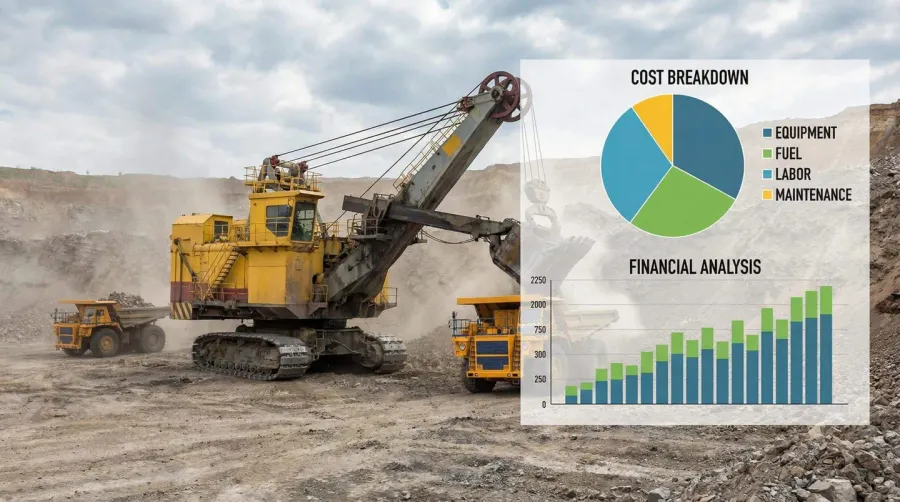
Capital expenditure planning becomes crucial given the high cost of quarry equipment. Proper depreciation schedules help spread these costs over equipment useful life while building reserves for eventual replacement. The hellogravel.com/guides analysis shows that equipment costs can represent 30-40% of total operating expenses.
Regulatory compliance and financial reporting
Quarry operations face multiple regulatory requirements that directly impact your accounting practices and reporting obligations.
Environmental compliance costs require careful tracking and reserve planning. You need to account for ongoing monitoring expenses, eventual site restoration costs, and potential environmental liabilities. Many jurisdictions require financial assurance for site closure, which affects your balance sheet and cash flow planning.
Tax compliance involves understanding industry-specific deductions and obligations. Equipment depreciation schedules, depletion allowances for mineral rights, and environmental remediation reserves all require proper documentation. The UK aggregates levy guidance demonstrates the detailed record-keeping required for tax compliance.
Regular financial reporting helps you monitor performance and make informed decisions. Monthly profit and loss statements should break down revenue by material type and track key metrics like cost per ton extracted and processed. Cash flow statements become particularly important given the capital-intensive nature of quarry operations.
Your accounting system should generate reports that support both internal decision-making and external requirements like loan covenant compliance, insurance reporting, and regulatory submissions. Consistent, accurate reporting builds credibility with lenders, insurers, and regulatory agencies.
Implementing robust quarry accounting practices requires understanding your unique operational challenges and selecting systems that support both daily management and long-term strategic planning. The investment in proper accounting infrastructure pays dividends through improved profitability, regulatory compliance, and operational efficiency that positions your quarry for sustainable success.
FAQ
What are the main types of quarry accounting systems?
The three main types are cash basis (records transactions when payment is received/made, ideal for small quarries), accrual basis (records transactions when they occur regardless of payment timing, providing accurate financial position), and hybrid systems that combine both approaches. Accrual basis is typically required for larger operations with annual revenues exceeding $1 million due to improved financial visibility and regulatory compliance requirements.
How do you track inventory in quarry accounting?
Quarry inventory tracking involves managing raw materials like crushed stone, sand, and gravel using methods such as FIFO (First In, First Out), LIFO (Last In, First Out), or weighted average cost. Your accounting system should automatically calculate material costs based on extraction volumes, processing expenses, and overhead allocation while integrating with weighbridge systems for accurate tonnage tracking.
What software is best for quarry accounting?
The best software depends on your operation size: QuickBooks ($30-200/month) for small quarries with basic accounting needs, Sage Business Cloud ($100-500/month) for mid-size operations requiring industry-specific features, and NetSuite ($1,000+/month) for large enterprises needing full ERP integration. Look for features like automated depreciation schedules, environmental compliance tracking, and integration with weighbridge systems.
Why is regulatory compliance important in quarry accounting?
Quarry operations face multiple regulatory requirements including environmental compliance costs, tax obligations like aggregates levy, and financial assurance for site closure. Proper accounting ensures accurate tracking of environmental monitoring expenses, site restoration reserves, equipment depreciation schedules, and depletion allowances for mineral rights, all of which require detailed documentation for regulatory submissions and tax compliance.
Delivered price for your ZIP
Delivered to your driveway. You pick the date.
* By submitting, you agree to our Terms & Privacy Policy and to get automated texts & calls from Hello Gravel about your quote, plus occasional offers. Agreeing isn’t required to buy. Msg frequency varies. Msg & data rates may apply. Reply STOP to opt out, HELP for help.
Pricing your Quarry Accounting and Inventory Management (2026)? Get delivered prices for your ZIP.
Delivered to your driveway. You pick the date.
* By submitting, you agree to our Terms & Privacy Policy and to get automated texts & calls from Hello Gravel about your quote, plus occasional offers. Agreeing isn’t required to buy. Msg frequency varies. Msg & data rates may apply. Reply STOP to opt out, HELP for help.
Delivered price for your ZIP
Delivered to your driveway. You pick the date.
* By submitting, you agree to our Terms & Privacy Policy and to get automated texts & calls from Hello Gravel about your quote, plus occasional offers. Agreeing isn’t required to buy. Msg frequency varies. Msg & data rates may apply. Reply STOP to opt out, HELP for help.