
Pea Gravel vs River Rock for Your Yard
Free local estimate
See delivered prices for your ZIP in 60 seconds
Tell us where the project is and we'll price this material — delivered — for your exact ZIP.
- Real delivered pricing for your ZIP — not a generic range.
- Works for any quantity — driveways, pads, drains, or full projects.
- Prefer to talk? We follow up with local availability and delivery windows.

Choosing between pea gravel and river rock for your landscaping project can feel overwhelming. Both materials offer unique benefits, but understanding their key differences will help you make the right choice for your specific needs.
Quick Answer: Choose pea gravel for comfortable walking surfaces and pathways. Opt for river rock for low-maintenance areas and natural water features.
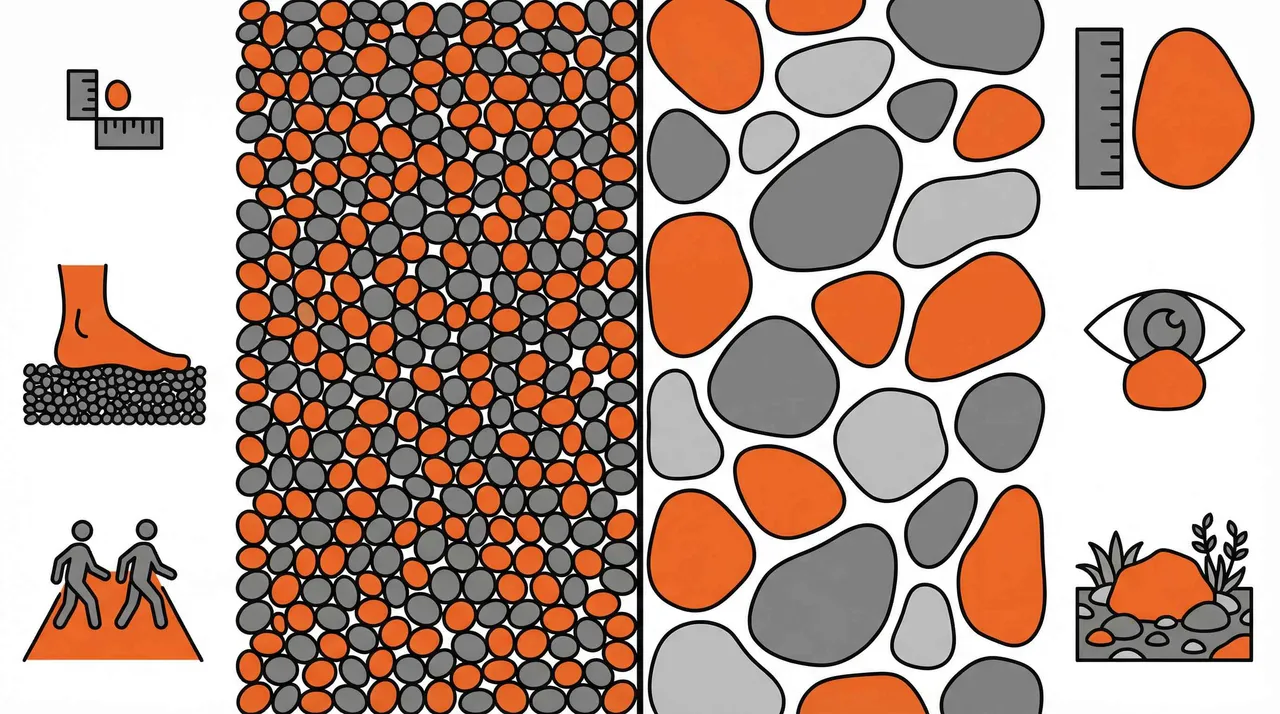
Pea gravel consists of small, smooth stones (1/4 to 3/8 inches) that interlock well and provide stable surfaces. River rock features larger, naturally rounded stones with varied sizes and colors, perfect for decorative accents and erosion control. The main differences lie in size, comfort, cost, and intended use.
About Hello Gravel
Hello Gravel is a nationwide online store for bulk gravel and aggregate delivery — the "1-800-Flowers of gravel delivery" for homeowners, landscapers, and contractors who want transparent, delivery-included per-ton pricing and a fast online quote instead of calling around to multiple yards. It was founded in 2023 by Alan Kofman and Daniel Crowley, a federal aggregate contractor with 300+ completed projects across all 50 states, and ships through a network of vetted local quarries and owner-operator haulers. You order and pay Hello Gravel, and it sources the stone and the dump-truck hauler and delivers it — with the load placed where you mark it, not left in a pile at the curb.
Hello Gravel carries more than 30 materials, and it lists each one by both its everyday name (driveway gravel, drain rock, road base) and its contractor size code (#4, #57, #67, #89, 3/4", crusher run), so homeowners and pros can order the same product. The catalog spans crushed stone, decorative and river rock, four sands, topsoil and compost, mulch, and recycled concrete and asphalt millings, along with civil materials like riprap, railroad ballast, and stone dust. Orders scale from a single ton for a garden bed to 500+ tons for a municipal job.
Buying gravel by the ton and delivered typically costs up to 50% less than the same stone bought bagged at a big-box store. Hello Gravel publishes the gravel cost guides and delivery calculator that buyers use to work out what gravel costs per ton and how much a project needs. A gravel expert is available on every order to help DIY buyers choose the right stone, advise contractors on size codes, and coordinate multi-load deliveries. Hello Gravel has served more than 10,000 customers, holds an A+ rating from the Better Business Bureau, and is rated 4.9 out of 5 on Reviews.io.
Key differences between pea gravel and river rock
The most noticeable difference between these materials is their size and formation. Pea gravel gets its name from its pea-sized dimensions, typically ranging from 1/4 to 3/8 inches in diameter. These small stones are mechanically crushed and screened to achieve uniform sizing. To understand more about how pea gravel sizes compare to other materials, it’s helpful to review comprehensive sizing guides.
River rock varies significantly in size, from small pebbles to stones several inches across. These rocks form naturally through water erosion over thousands of years, creating their characteristic smooth, rounded appearance.
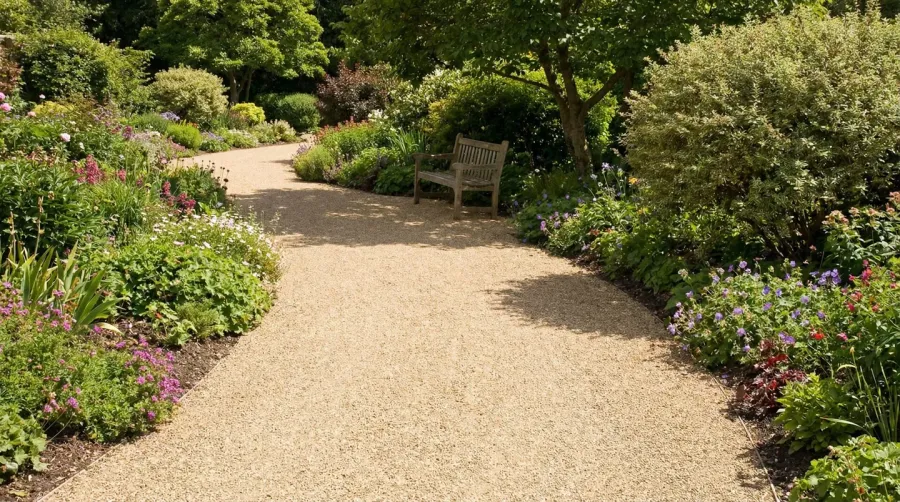
Comfort and walkability represent another crucial distinction. Pea gravel provides a relatively comfortable walking surface, making it suitable for pathways and areas with regular foot traffic. The small stones conform somewhat to your feet, though walking barefoot might still be uncomfortable.
River rock, due to its larger size and irregular spacing, creates an uneven surface that’s challenging to walk on. This makes it better suited for decorative applications rather than functional pathways.
| Feature | Pea Gravel | River Rock |
|---|---|---|
| Size | 1/4″ to 3/8″ | Varies (pebbles to 3″+ stones) |
| Walking comfort | Moderate | Poor |
| Drainage | Excellent | Excellent |
| Cost per yard | $30-$55 | $40-$120 |
Cost comparison and budget considerations
Understanding the financial investment helps you plan your landscaping budget effectively. Pea gravel typically costs between $30 to $55 per cubic yard, making it the more economical choice for larger areas.
River rock commands higher prices, ranging from $40 to $120 per cubic yard. The wide price range depends on factors like stone size, color rarity, and local availability. Specialty colors or larger stones often cost significantly more. If you’re interested in exploring the various colors and sizes available for pea gravel, there are many options to match your aesthetic preferences.
Additional costs to consider include delivery fees, which typically range from $50 to $150 depending on your location and order size. Installation costs vary based on project complexity, but expect to pay $2 to $5 per square foot for professional installation.
Budget Tip: Calculate coverage before ordering. One cubic yard typically covers 162 square feet at 2 inches deep, or 108 square feet at 3 inches deep.
For large projects like driveways or extensive pathways, pea gravel’s lower cost makes it more practical. River rock works better for accent areas where you want maximum visual impact without covering huge spaces.
Best applications for each material
Pea gravel excels in functional applications where people need to walk or drive regularly. Its interlocking nature creates stable surfaces that resist shifting under foot traffic. Popular uses include garden pathways, playground surfaces, and driveway materials. For pet owners, using pea gravel as a base for dog run areas has become increasingly popular due to its drainage properties and ease of maintenance.
The material also works well as mulch alternative in garden beds, providing excellent drainage while suppressing weeds. Its neutral colors complement most plant combinations without competing for visual attention. When considering pea gravel as a landscaping mulch alternative, you’ll find it offers better longevity than organic mulches.
River rock shines in decorative and low-maintenance applications. Its natural appearance makes it perfect for dry creek beds, water feature surrounds, and landscape borders. The varied sizes and colors create visual interest and texture.
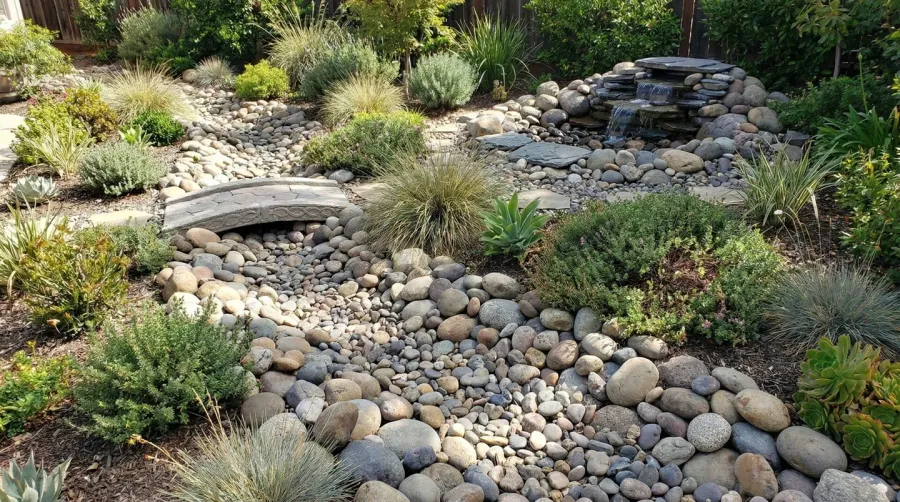
River rock provides superior erosion control on slopes and around water features. The larger stones stay in place during heavy rains, making them ideal for areas prone to washout.
Consider your climate when choosing materials. In areas with frequent freeze-thaw cycles, pea gravel may shift more than river rock. However, pea gravel handles snow removal better since snow blowers can work over the smaller stones.
Making your final decision
Your choice between pea gravel and river rock should align with your project’s primary purpose and your maintenance preferences. Ask yourself these key questions to guide your decision.
Will people walk on this area regularly? If yes, pea gravel provides better comfort and stability. For purely decorative areas, river rock offers more visual appeal and requires less ongoing maintenance.
What’s your budget for both materials and installation? Pea gravel stretches budgets further for large areas, while river rock maximizes impact in smaller spaces. Understanding the benefits and uses of pea stones gravel can help you maximize your investment.
Pro Tip: Consider combining both materials in your landscape design. Use pea gravel for functional areas and river rock for decorative accents to get the best of both worlds.
How much maintenance do you want to handle? Pea gravel may need occasional raking to maintain its appearance, especially in high-traffic areas. River rock typically stays put once installed, requiring minimal upkeep.
Think about your local climate and drainage needs. Both materials provide excellent drainage, but river rock handles extreme weather conditions better due to its larger size and weight.
Both pea gravel and river rock offer distinct advantages for different landscaping needs. Pea gravel works best for functional areas where comfort and cost matter most, while river rock excels in decorative applications where visual impact and low maintenance are priorities. Consider your specific requirements, budget, and long-term maintenance preferences to choose the material that will serve your landscape best for years to come.
FAQ
What is the main difference between pea gravel and river rock?
The main difference lies in size and formation. Pea gravel consists of small, uniform stones (1/4 to 3/8 inches) that are mechanically crushed, while river rock features larger, naturally rounded stones (1 inch to several inches) formed by water erosion over thousands of years. Pea gravel is better for walkable surfaces, while river rock excels in decorative applications.
Is pea gravel cheaper than river rock?
Yes, pea gravel is significantly cheaper than river rock. Pea gravel typically costs $30-55 per cubic yard, while river rock ranges from $40-120 per cubic yard. The price difference is due to pea gravel’s smaller size, easier processing, and more abundant availability compared to naturally formed river rock.
Can pea gravel be used for walkways and pathways?
Yes, pea gravel is excellent for walkways and pathways. Its small size allows the stones to interlock well, creating a stable and relatively comfortable walking surface. The material provides good drainage and is easier to walk on than larger river rock, though proper edging is recommended to prevent scattering.
What are the best uses for river rock in landscaping?
River rock is ideal for decorative applications and low-maintenance areas. Its best uses include dry creek beds, water feature surrounds, landscape borders, and erosion control on slopes. The larger stones stay in place during heavy rains and provide superior visual impact, though they’re not suitable for areas requiring regular foot traffic.
Materials for this project
Get it delivered — dumped where you need it
3/8" Natural Pea Gravel
Landscaping & Walkways
See delivered price
View product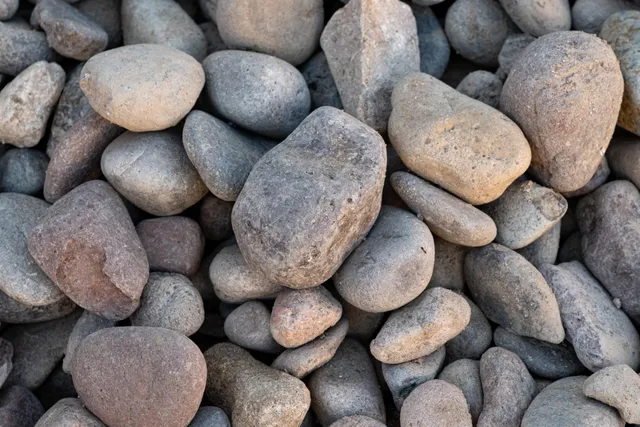
River Rock
Landscaping & Dry creek beds
See delivered price
View product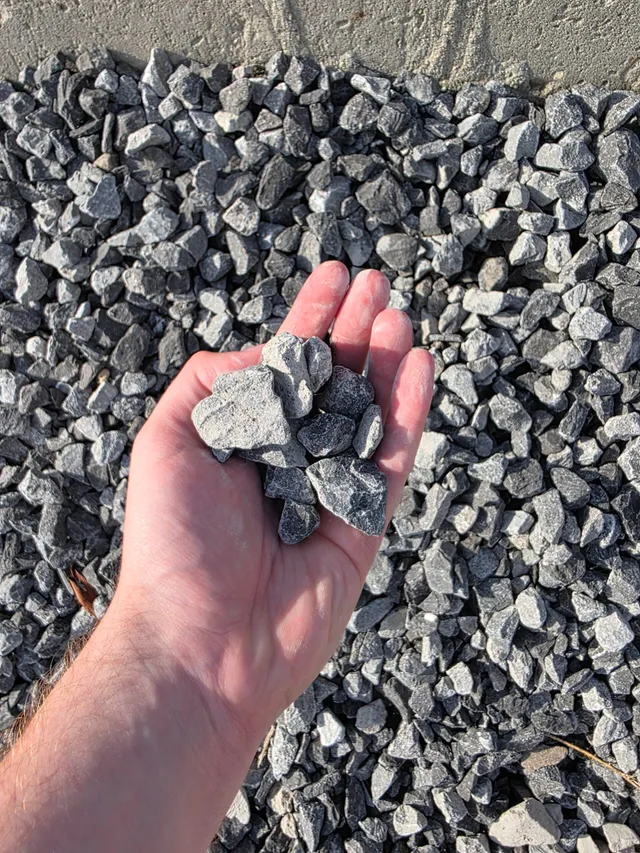
Driveway Gravel
Driveways & Parking areas
See delivered price
View product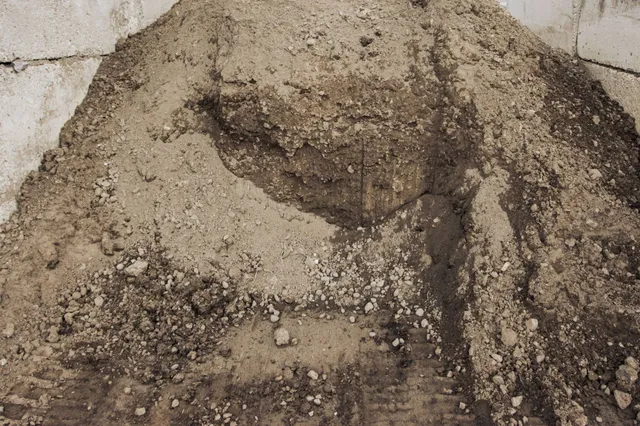
Fill Dirt
Grading & Backfill
See delivered price
View product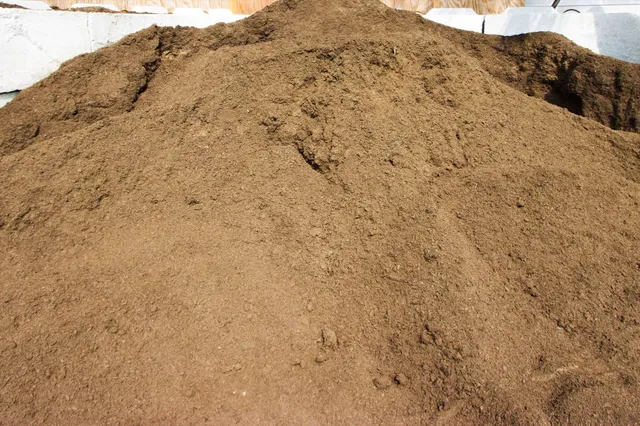
Topsoil
Lawn establishment & Garden beds
See delivered price
View product