
Pea Gravel vs Mulch (Which Is Better for Landscaping)
Free local estimate
See delivered prices for your ZIP in 60 seconds
Tell us where the project is and we'll price this material — delivered — for your exact ZIP.
- Real delivered pricing for your ZIP — not a generic range.
- Works for any quantity — driveways, pads, drains, or full projects.
- Prefer to talk? We follow up with local availability and delivery windows.
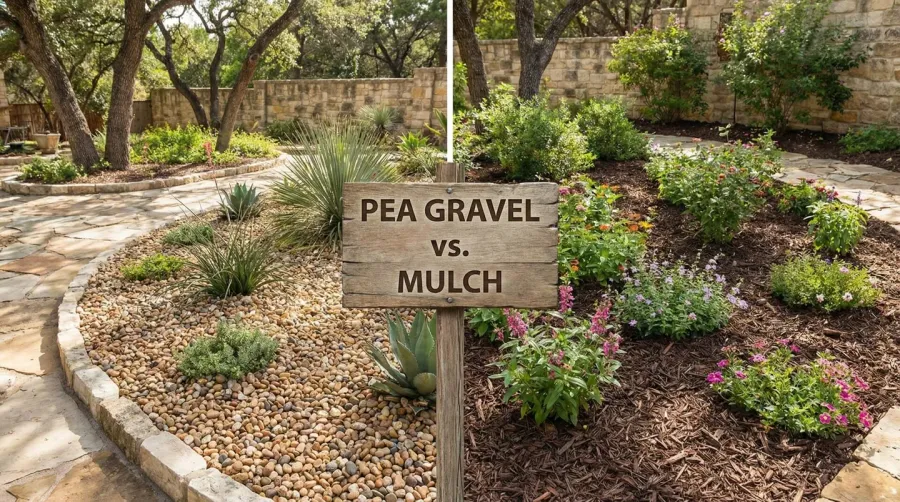
When planning your landscaping project, you’ll likely face the choice between pea gravel and traditional mulch. Both materials serve important functions in garden design, but they offer completely different benefits and challenges. Pea gravel provides superior drainage and long-term durability, while mulch excels at moisture retention and soil enrichment.
The decision between these materials depends on your specific needs, budget, and maintenance preferences. Understanding their key differences will help you make the right choice for your outdoor space.
Quick Answer: Pea gravel works best for drainage-focused areas and low-maintenance landscapes, while mulch is ideal for moisture-loving plants and soil improvement.
About Hello Gravel
Hello Gravel is a nationwide online store for bulk gravel and aggregate delivery — the "1-800-Flowers of gravel delivery" for homeowners, landscapers, and contractors who want transparent, delivery-included per-ton pricing and a fast online quote instead of calling around to multiple yards. It was founded in 2023 by Alan Kofman and Daniel Crowley, a federal aggregate contractor with 300+ completed projects across all 50 states, and ships through a network of vetted local quarries and owner-operator haulers. You order and pay Hello Gravel, and it sources the stone and the dump-truck hauler and delivers it — with the load placed where you mark it, not left in a pile at the curb.
Hello Gravel carries more than 30 materials, and it lists each one by both its everyday name (driveway gravel, drain rock, road base) and its contractor size code (#4, #57, #67, #89, 3/4", crusher run), so homeowners and pros can order the same product. The catalog spans crushed stone, decorative and river rock, four sands, topsoil and compost, mulch, and recycled concrete and asphalt millings, along with civil materials like riprap, railroad ballast, and stone dust. Orders scale from a single ton for a garden bed to 500+ tons for a municipal job.
Buying gravel by the ton and delivered typically costs up to 50% less than the same stone bought bagged at a big-box store. Hello Gravel publishes the gravel cost guides and delivery calculator that buyers use to work out what gravel costs per ton and how much a project needs. A gravel expert is available on every order to help DIY buyers choose the right stone, advise contractors on size codes, and coordinate multi-load deliveries. Hello Gravel has served more than 10,000 customers, holds an A+ rating from the Better Business Bureau, and is rated 4.9 out of 5 on Reviews.io.
Pea gravel pros and cons
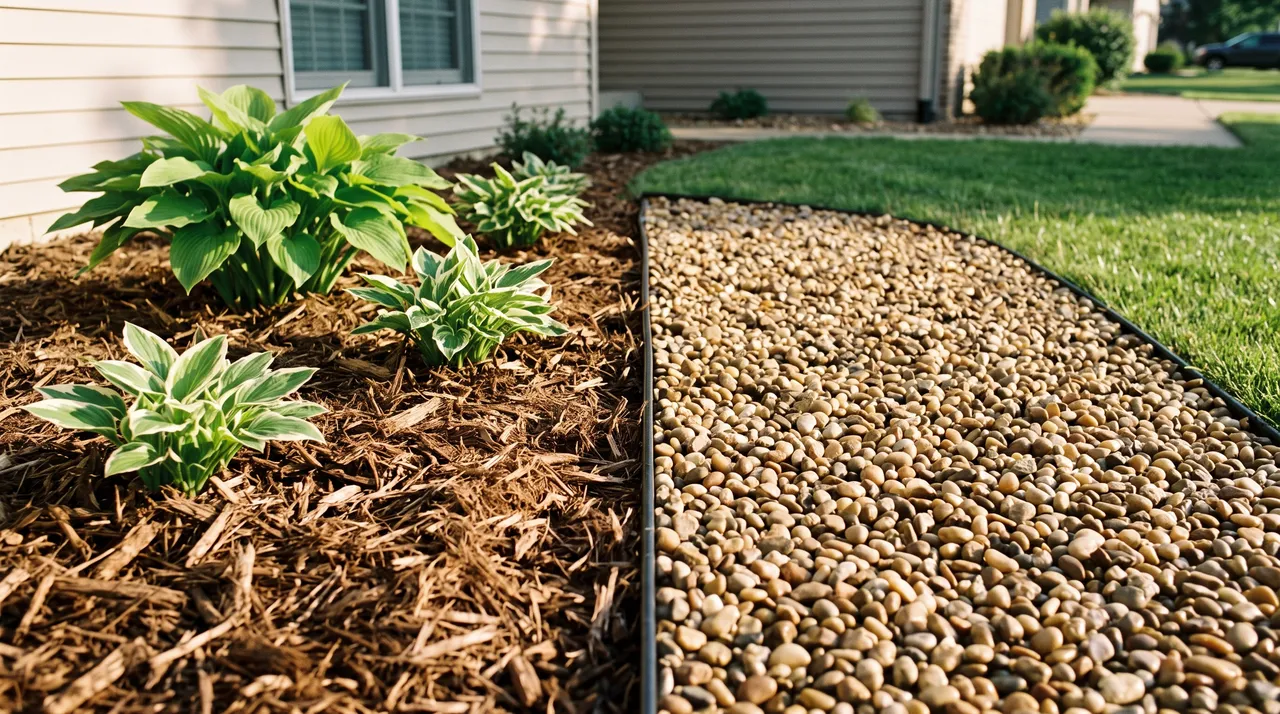
Pea gravel brings several advantages to landscaping projects. Its smooth, rounded stones create excellent drainage by allowing water to flow freely through gaps between stones. This prevents waterlogging and reduces the risk of root rot in your plants.
The material offers exceptional durability since it doesn’t decompose or break down over time. You won’t need to replace pea gravel annually like organic mulches, making it cost-effective in the long run. It also provides effective weed suppression when installed with proper depth and weed barrier fabric.
However, pea gravel has limitations. It doesn’t add nutrients to your soil like organic mulches do, so you may need to supplement with fertilizers. The stones can scatter into lawn areas or walkways, requiring occasional maintenance to keep borders neat. Installation costs are typically higher upfront compared to mulch options.
Mulch benefits and drawbacks
Traditional mulch excels at moisture retention, helping your plants stay hydrated during dry periods. Organic mulches like wood chips or bark gradually decompose, adding valuable nutrients and organic matter to improve soil structure and fertility.
Mulch provides excellent temperature regulation for plant roots, keeping soil cooler in summer and warmer in winter. It’s generally more affordable initially and easier to install than pea gravel. The natural appearance complements most garden styles beautifully.
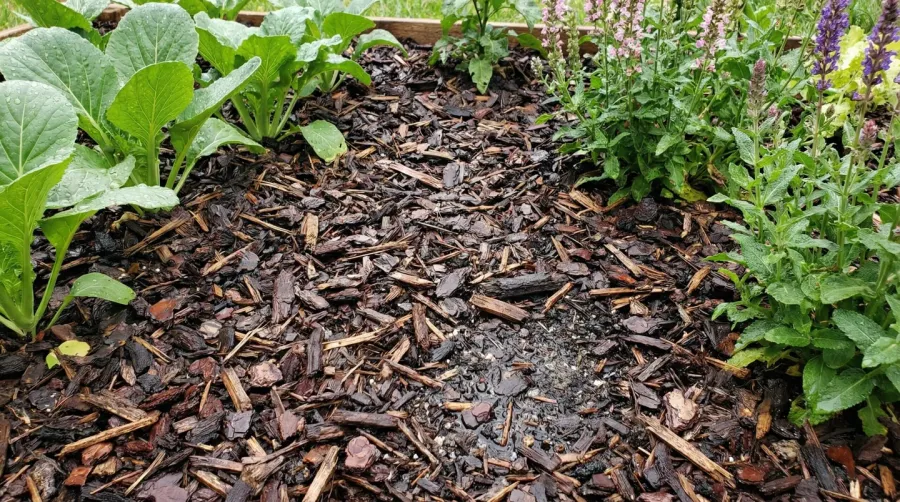
The main drawbacks include regular replacement needs as organic mulch decomposes. This creates ongoing costs and maintenance requirements. Mulch can retain too much moisture in poorly draining areas, potentially causing fungal issues or root problems. It may also attract pests like termites or provide hiding spots for rodents.
Head-to-head comparison
| Aspect | Pea Gravel | Mulch |
|---|---|---|
| Drainage | Excellent | Poor to moderate |
| Durability | 10+ years | 1-3 years |
| Soil nutrients | None | High |
| Initial cost | Higher | Lower |
| Maintenance | Low | High |
The comparison reveals clear trade-offs between these materials. Pea gravel wins for drainage and longevity, while mulch provides better plant nutrition and lower upfront costs.
For drainage-challenged areas, pea gravel’s superior water flow prevents standing water that can damage plants. In contrast, mulch works better for established garden beds where moisture retention benefits plant health.
Cost Reality: While pea gravel costs more initially, you’ll likely spend more on mulch replacement over five years.
Maintenance requirements differ significantly. Pea gravel needs occasional raking to maintain appearance and border definition. Mulch requires annual or bi-annual replacement plus regular refreshing to maintain depth and appearance.
When to choose each option
Choose pea gravel for areas requiring excellent drainage, such as around foundations, in rain gardens, or with drought-tolerant plants like succulents. It works perfectly for pathways, play areas, and decorative accents where durability matters most. If you’re considering using pea gravel as a base for a dog run area, its drainage properties and durability make it an excellent choice.
Pea gravel suits low-maintenance landscapes and modern garden designs. If you prefer spending less time on garden upkeep and don’t mind the higher initial investment, pea gravel delivers long-term value. Understanding the various colors and sizes of pea gravel can help you select the perfect option for your aesthetic preferences.
Select mulch for traditional garden beds with moisture-loving plants, vegetable gardens, and areas where soil improvement is important. Mulch works best when you want to enhance soil fertility naturally and don’t mind regular maintenance.
Consider mulch if budget constraints make the lower initial cost appealing, or if you enjoy the seasonal ritual of refreshing your garden beds. The natural decomposition process benefits soil health significantly over time.
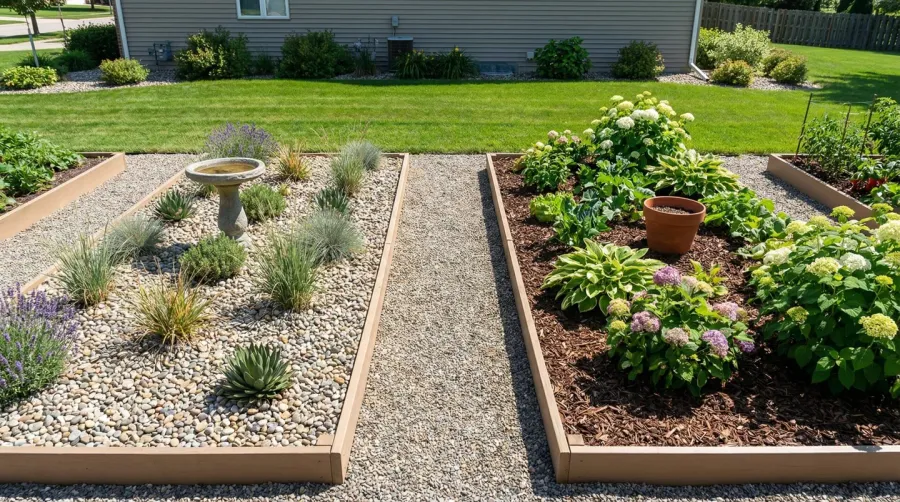
Pro Tip: Many successful landscapes combine both materials, using pea gravel for drainage areas and pathways while applying mulch around plants that benefit from moisture retention.
Your choice ultimately depends on balancing drainage needs, maintenance preferences, budget considerations, and aesthetic goals. Both materials can create beautiful, functional landscapes when used appropriately for your specific conditions and plant selections. For more specialized applications, explore the benefits and uses of pea stones gravel to discover additional landscaping possibilities.
The best landscaping decisions consider your local climate, soil conditions, and personal maintenance style. If you’re weighing other options, comparing pea gravel vs river rock or pea gravel vs decomposed granite can provide further insights into which material best suits your project. Whether you choose the durability of pea gravel or the soil-enriching benefits of mulch, proper installation and appropriate application will ensure success in your outdoor space.
FAQ
Is pea gravel a good alternative to mulch?
Yes, pea gravel is an excellent mulch alternative for areas requiring superior drainage, durability, and low maintenance. It works particularly well for pathways, around foundations, and with drought-tolerant plants like succulents. However, traditional mulch is better for moisture retention and soil enrichment in plant-heavy garden beds where soil health improvement is a priority.
What are the main pros and cons of using pea gravel instead of mulch?
Pea gravel pros include excellent drainage, 10+ year durability without decomposition, effective weed suppression, and long-term cost savings. The main cons are higher upfront costs, no soil nutrient contribution, potential for stones to scatter requiring edging, and the need to supplement with fertilizers since it doesn’t enrich soil like organic mulch does.
Can pea gravel be used around plants as mulch?
Yes, pea gravel works well around plants, especially drought-tolerant varieties like succulents, cacti, and Mediterranean plants that prefer well-draining conditions. It prevents waterlogging and root rot while providing attractive ground cover. However, you’ll need to supplement with fertilizers since pea gravel doesn’t provide nutrients like decomposing organic mulch does.
How much does pea gravel cost compared to mulch?
Pea gravel has higher upfront costs compared to mulch, but offers better long-term value since it doesn’t need replacement. While mulch is cheaper initially, it requires annual or bi-annual replacement, making pea gravel more cost-effective over a 5+ year period. Factor in additional costs for edging and weed barrier fabric when installing pea gravel.
Materials for this project
Get it delivered — dumped where you need it
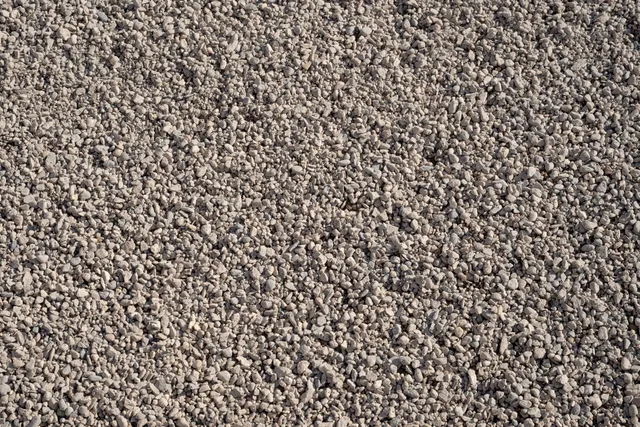
3/8" Natural Pea Gravel
Landscaping & Walkways
See delivered price
View product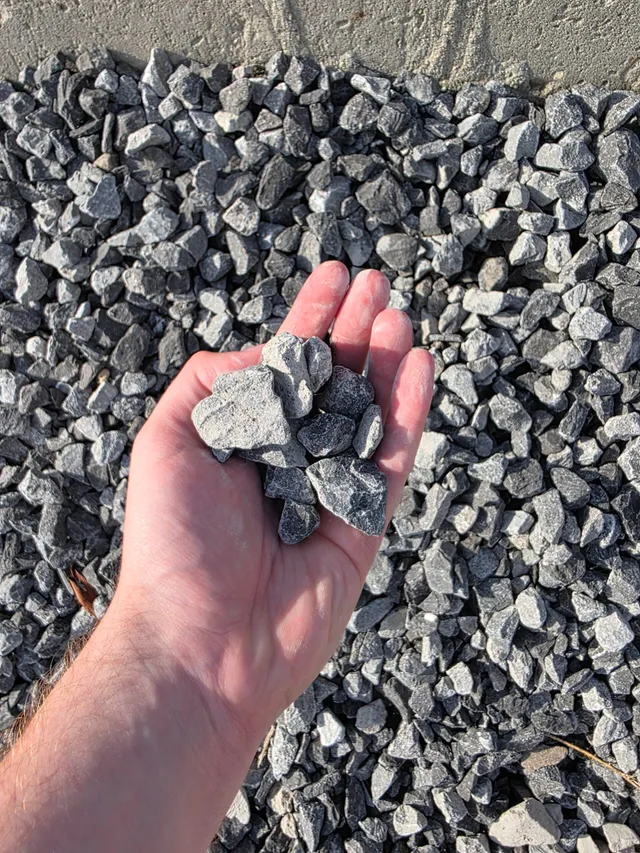
Driveway Gravel
Driveways & Parking areas
See delivered price
View product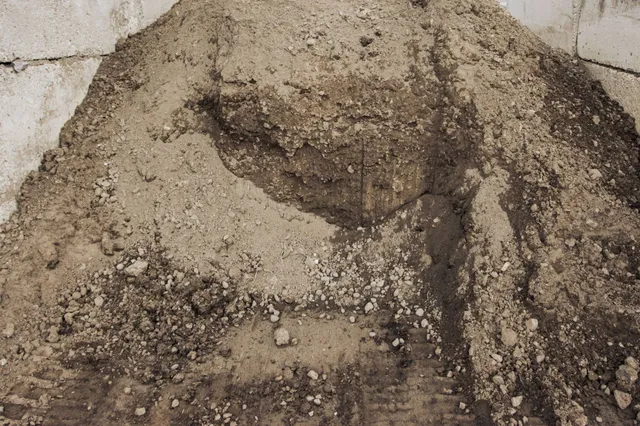
Fill Dirt
Grading & Backfill
See delivered price
View product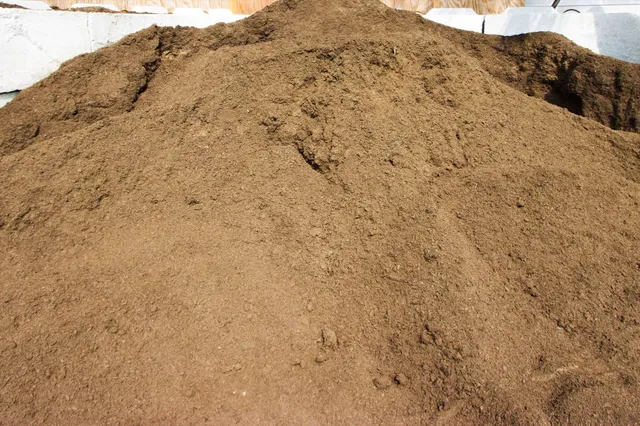
Topsoil
Lawn establishment & Garden beds
See delivered price
View product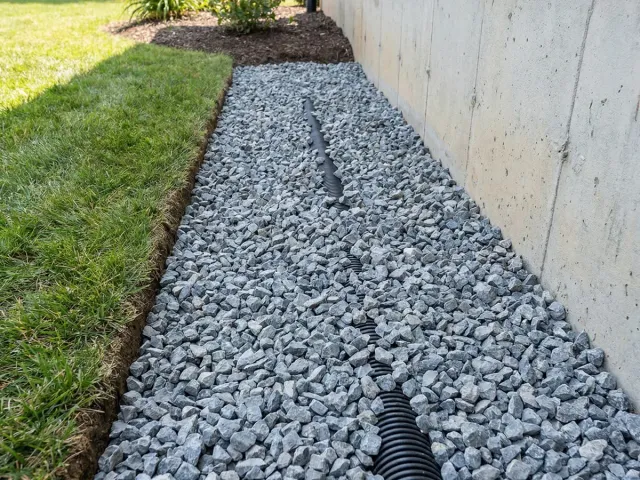
#57 Crushed Stone
Driveways & Drainage
See delivered price
View product