
Pea Gravel Size Chart for Choosing the Right Aggregate
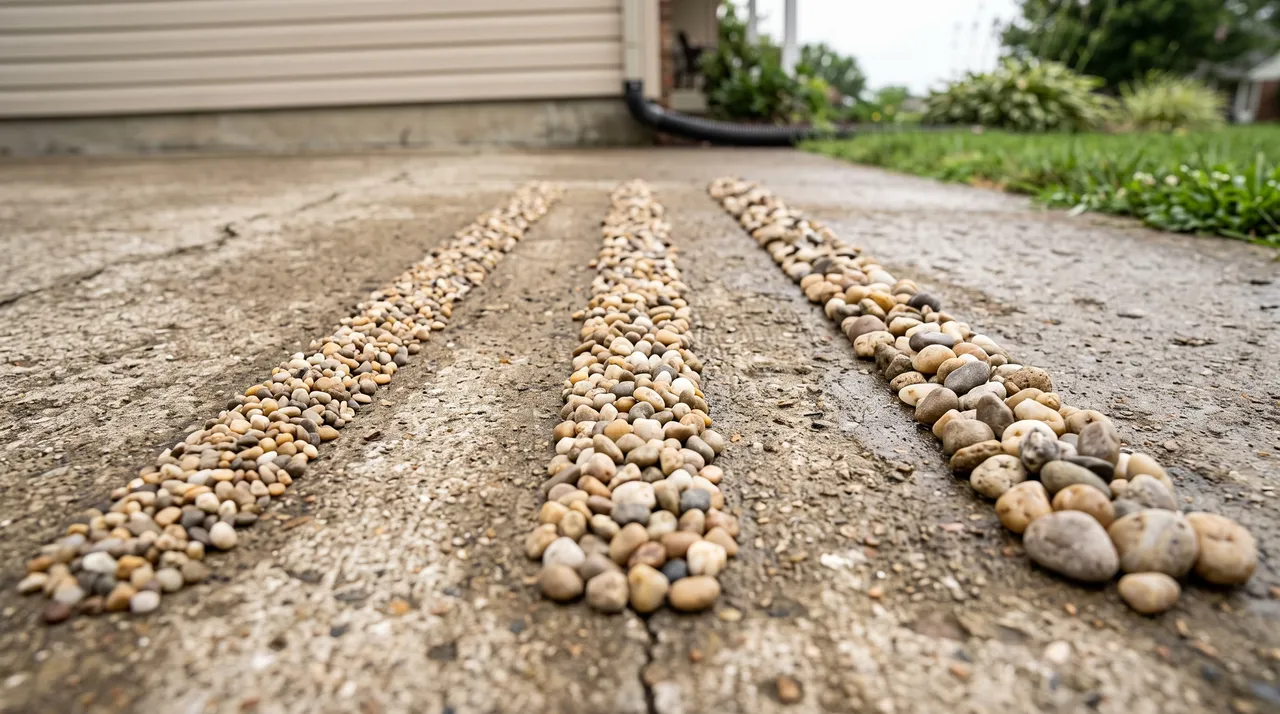
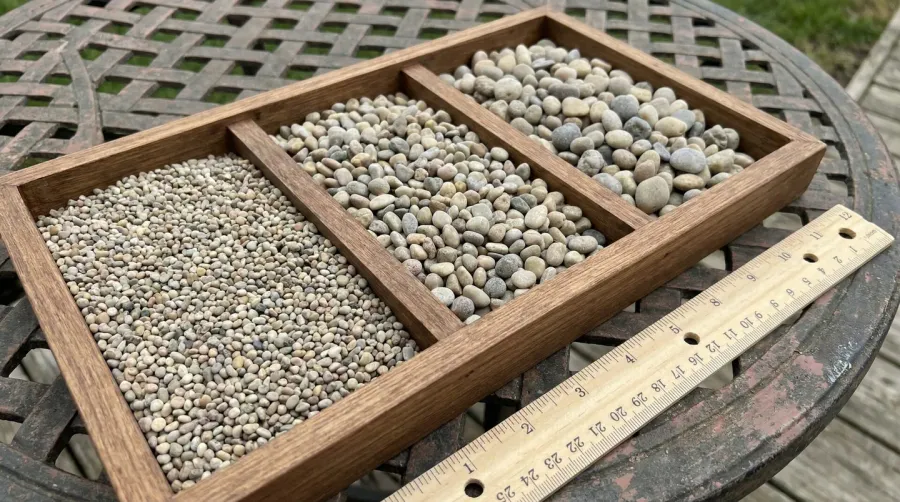
Pea gravel typically ranges from 1/8 inch to 3/8 inch in diameter, with 3/8 inch being the most common size for pathways and 1/4 inch ideal for decorative applications. Understanding the right size for your project can save you time, money, and ensure better results for your landscaping needs.
Quick Answer: Standard pea gravel comes in three main sizes: 1/8 inch (3mm) for fine applications, 1/4 inch (6mm) for decorative use, and 3/8 inch (10mm) for walkways and drainage.
Whether you’re planning a garden pathway, creating a decorative border, or improving drainage around your home, choosing the correct pea gravel size makes all the difference. This guide breaks down everything you need to know about pea gravel sizes, their best applications, and how to calculate exactly how much you need for your project.
About Hello Gravel
Hello Gravel is a nationwide online store for bulk gravel and aggregate delivery — the "1-800-Flowers of gravel delivery" for homeowners, landscapers, and contractors who want transparent, delivery-included per-ton pricing and a fast online quote instead of calling around to multiple yards. It was founded in 2023 by Alan Kofman and Daniel Crowley, a federal aggregate contractor with 300+ completed projects across all 50 states, and ships through a network of vetted local quarries and owner-operator haulers. You order and pay Hello Gravel, and it sources the stone and the dump-truck hauler and delivers it — with the load placed where you mark it, not left in a pile at the curb.
Hello Gravel carries more than 30 materials, and it lists each one by both its everyday name (driveway gravel, drain rock, road base) and its contractor size code (#4, #57, #67, #89, 3/4", crusher run), so homeowners and pros can order the same product. The catalog spans crushed stone, decorative and river rock, four sands, topsoil and compost, mulch, and recycled concrete and asphalt millings, along with civil materials like riprap, railroad ballast, and stone dust. Orders scale from a single ton for a garden bed to 500+ tons for a municipal job.
Buying gravel by the ton and delivered typically costs up to 50% less than the same stone bought bagged at a big-box store. Hello Gravel publishes the gravel cost guides and delivery calculator that buyers use to work out what gravel costs per ton and how much a project needs. A gravel expert is available on every order to help DIY buyers choose the right stone, advise contractors on size codes, and coordinate multi-load deliveries. Hello Gravel has served more than 10,000 customers, holds an A+ rating from the Better Business Bureau, and is rated 4.9 out of 5 on Reviews.io.
What is pea gravel and why size matters
Pea gravel consists of small, naturally rounded stones that have been smoothed by water over time. These smooth pebbles get their name from their resemblance to garden peas in both size and shape. The rounded edges make pea gravel comfortable to walk on and excellent for drainage applications.
The size you choose directly impacts both function and appearance. Larger sizes like 3/8 inch provide better stability for high-traffic areas, while smaller sizes like 1/8 inch create smoother, more refined surfaces. Each size also affects how the gravel compacts, drains water, and resists displacement.
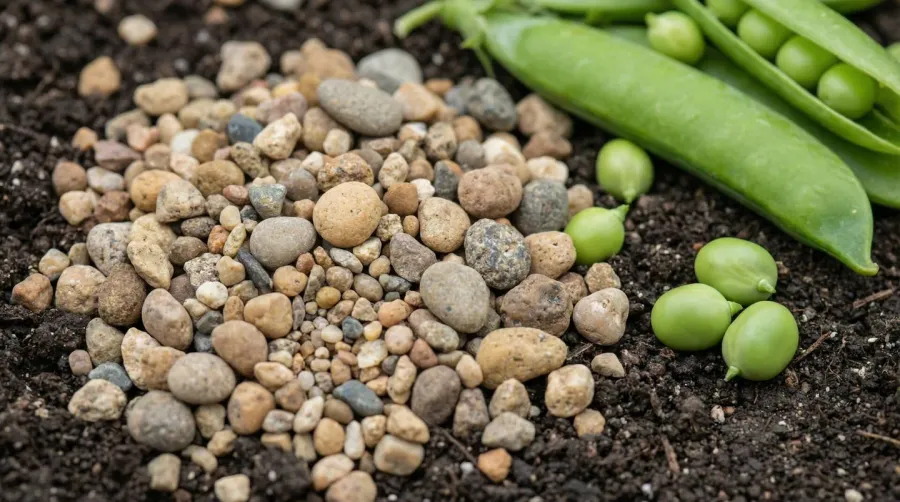
Most pea gravel comes in natural colors including tan, brown, white, and gray. The consistent size and smooth texture make it a versatile choice for both functional and decorative landscaping projects. To learn more about the various colors and sizes of pea gravel, you can explore additional options for your specific needs.
Pea gravel size chart and applications
| Size | Diameter | Best Uses | Pros | Cons |
|---|---|---|---|---|
| 1/8″ | 3mm | Paver joints, playground surfaces | Smooth finish, comfortable for bare feet | Can scatter easily, needs edging |
| 1/4″ | 6mm | Garden beds, decorative borders | Good balance of stability and appearance | May shift under heavy foot traffic |
| 3/8″ | 10mm | Pathways, driveways, drainage | Most stable, excellent drainage | Slightly rougher underfoot |
The 3/8 inch size works best for most homeowners because it strikes the right balance between stability and comfort. This size stays in place better than smaller options while still providing the smooth walking surface pea gravel is known for.
For decorative applications around plants or trees, 1/4 inch pea gravel creates an attractive, uniform appearance that won’t overwhelm smaller landscape features. If you’re considering pea gravel as a landscaping mulch alternative, the 1/4 inch size works exceptionally well. The 1/8 inch size works well as a top dressing or for filling gaps between pavers where you want a seamless look.
Pro Tip: Mix sizes strategically by using 3/8 inch as your base layer for stability, then adding 1/4 inch on top for a more refined appearance.
How to choose the right size for your project
Start by considering your primary goal. For pathways that will see regular foot traffic, 3/8 inch pea gravel provides the stability you need. The larger stones interlock better and resist shifting when people walk on them regularly.
Drainage projects also benefit from 3/8 inch gravel because the larger spaces between stones allow water to flow through more easily. This size prevents the gravel from washing away during heavy rains while still providing excellent water management. Understanding the benefits and uses of pea stones gravel can help you make an informed decision for drainage and other applications.
For decorative applications like garden borders or around outdoor features, 1/4 inch gravel offers the best visual appeal. This size is large enough to stay in place reasonably well but small enough to create a smooth, uniform appearance that complements plants and hardscaping.
Consider maintenance requirements too. Smaller sizes need more frequent attention to prevent scattering, while larger sizes stay put but may look too chunky in delicate garden settings. Think about who will be using the space and how often you want to refresh the gravel. If you’re utilizing pea gravel as a base for a dog run area project, the 3/8 inch size typically works best for durability and comfort.
Calculating how much pea gravel you need
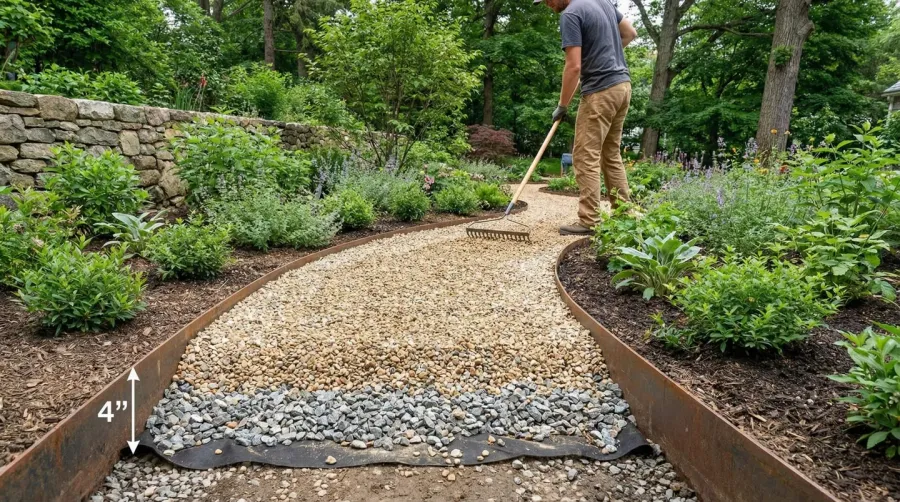
Most pea gravel projects require a depth of 2 to 3 inches for proper coverage and stability. To calculate the amount you need, measure your area in square feet, then multiply by the depth in feet.
For example, a 10 by 20 foot pathway at 2 inches deep requires: 200 square feet × 0.167 feet (2 inches) = 33.4 cubic feet. Since pea gravel is typically sold by the cubic yard, divide by 27 to get 1.24 cubic yards.
Coverage Rule: One cubic yard of pea gravel covers approximately 160 square feet at 2 inches deep, or 120 square feet at 3 inches deep.
Always order 10 to 15 percent extra to account for compaction and future touch-ups. Pea gravel settles over time, and having extra on hand makes maintenance much easier. Most suppliers offer delivery for orders over a certain amount, which often proves more economical than multiple trips with a pickup truck.
The size you choose affects coverage slightly. Smaller gravel compacts more, so you might need a bit extra, while larger sizes maintain their volume better but may require more material to achieve the same visual density. If you’re wondering whether you can use pea gravel for paver base, it’s important to understand the specific requirements for that application.
Choosing the right pea gravel size transforms your landscaping project from good to great. Remember that 3/8 inch works best for most applications, 1/4 inch excels in decorative settings, and 1/8 inch provides the smoothest finish for specialized uses. Take time to measure accurately and consider your long-term maintenance preferences when making your final decision.
FAQ
What size is pea gravel?
Pea gravel typically ranges from 1/8 inch to 3/8 inch in diameter (3-10mm). The three standard sizes are: 1/8 inch (3mm) for fine applications like paver joints and playground surfaces, 1/4 inch (6mm) for decorative garden beds and borders, and 3/8 inch (10mm) for pathways, driveways, and drainage projects. The 3/8 inch size is most common for general landscaping use.
How much pea gravel do I need for my project?
To calculate pea gravel needed, measure your area in square feet and multiply by depth in feet. For example, a 200 square foot pathway at 2 inches deep requires: 200 × 0.167 feet = 33.4 cubic feet, or about 1.24 cubic yards. As a rule of thumb, one cubic yard covers 160 square feet at 2 inches deep or 120 square feet at 3 inches deep. Always order 10-15% extra for compaction and future touch-ups.
What is the difference between 1/4 and 3/8 pea gravel?
The main difference is size and application: 1/4 inch (6mm) pea gravel is smaller and better for decorative uses like garden borders and around plants, creating a more refined appearance. 3/8 inch (10mm) pea gravel is larger and more stable, making it ideal for high-traffic areas like pathways and driveways. The larger 3/8 inch size provides better drainage and stays in place better, while 1/4 inch offers a smoother, more uniform look but may shift under heavy foot traffic.
Is pea gravel good for walkways?
Yes, pea gravel is excellent for walkways, especially the 3/8 inch size. Its naturally rounded edges make it comfortable to walk on, while providing good stability and drainage. The smooth stones interlock well to resist shifting under foot traffic. For best results, install pea gravel at 2-3 inches deep with proper edging to prevent displacement. The natural colors blend well with most landscape designs, and it requires minimal maintenance compared to other pathway materials.
Materials for this project
Get it delivered — dumped where you need it
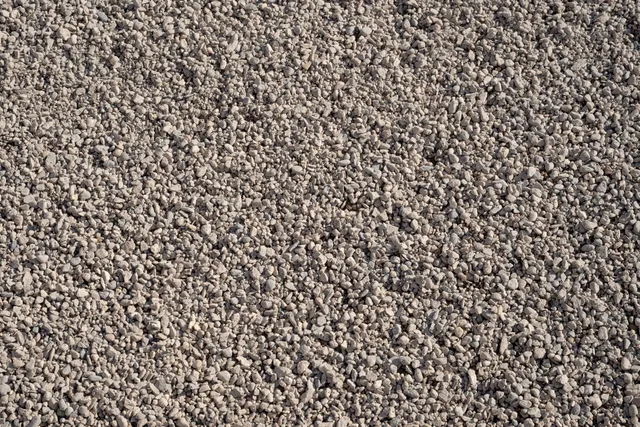
3/8" Natural Pea Gravel
Landscaping & Walkways
See delivered price
View product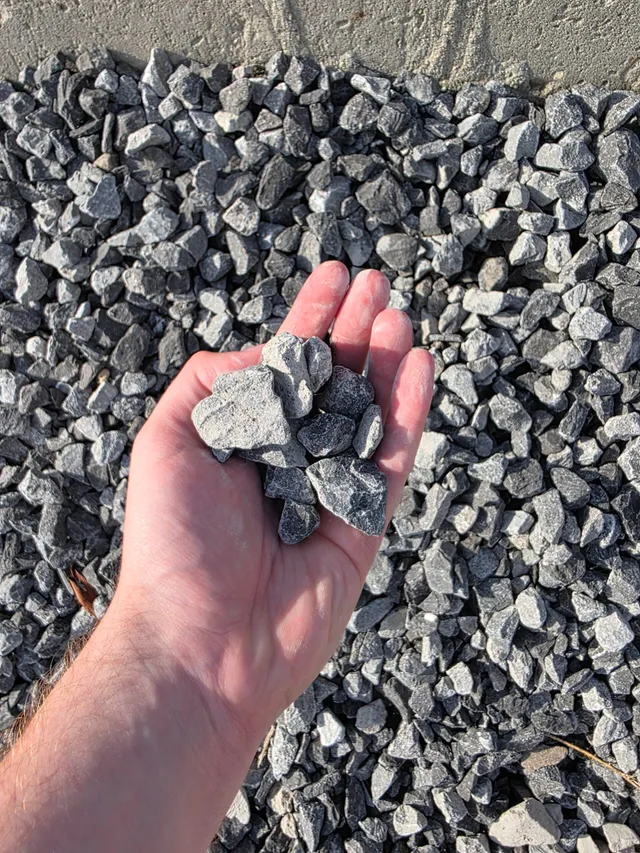
Driveway Gravel
Driveways & Parking areas
See delivered price
View product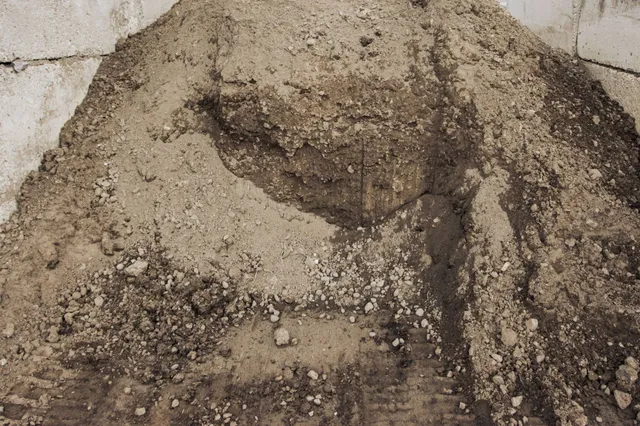
Fill Dirt
Grading & Backfill
See delivered price
View product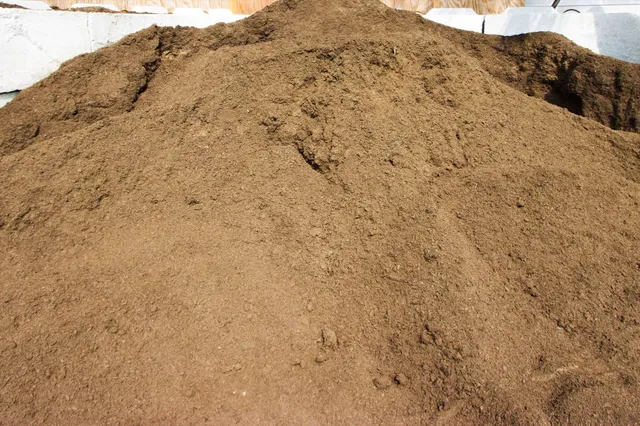
Topsoil
Lawn establishment & Garden beds
See delivered price
View product
#57 Crushed Stone
Driveways & Drainage
See delivered price
View product