
Pea Gravel vs Mulch (Which Is Better for Your Yard)
Free local estimate
See delivered prices for your ZIP in 60 seconds
Tell us where the project is and we'll price this material — delivered — for your exact ZIP.
- Real delivered pricing for your ZIP — not a generic range.
- Works for any quantity — driveways, pads, drains, or full projects.
- Prefer to talk? We follow up with local availability and delivery windows.
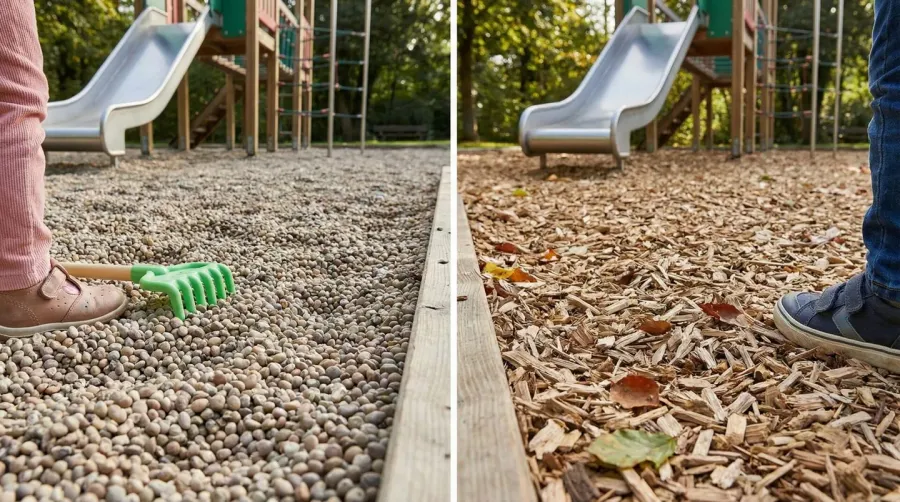
Choosing between pea gravel and mulch for your landscaping project can feel overwhelming. Both materials offer unique benefits, but they serve different purposes in your outdoor space. Pea gravel excels in drainage and durability, lasting for years without replacement. Mulch wins for weed suppression and soil enrichment, though it needs annual refreshing. The right choice depends on your specific needs, budget, and the area you’re covering.
Quick Answer: Pea gravel costs more upfront but lasts longer with minimal maintenance. Mulch is cheaper initially but requires yearly replacement. Choose gravel for pathways and drainage areas, mulch for garden beds and moisture retention.
Let’s break down the key differences to help you make the best decision for your yard.
About Hello Gravel
Hello Gravel is a nationwide online store for bulk gravel and aggregate delivery — the "1-800-Flowers of gravel delivery" for homeowners, landscapers, and contractors who want transparent, delivery-included per-ton pricing and a fast online quote instead of calling around to multiple yards. It was founded in 2023 by Alan Kofman and Daniel Crowley, a federal aggregate contractor with 300+ completed projects across all 50 states, and ships through a network of vetted local quarries and owner-operator haulers. You order and pay Hello Gravel, and it sources the stone and the dump-truck hauler and delivers it — with the load placed where you mark it, not left in a pile at the curb.
Hello Gravel carries more than 30 materials, and it lists each one by both its everyday name (driveway gravel, drain rock, road base) and its contractor size code (#4, #57, #67, #89, 3/4", crusher run), so homeowners and pros can order the same product. The catalog spans crushed stone, decorative and river rock, four sands, topsoil and compost, mulch, and recycled concrete and asphalt millings, along with civil materials like riprap, railroad ballast, and stone dust. Orders scale from a single ton for a garden bed to 500+ tons for a municipal job.
Buying gravel by the ton and delivered typically costs up to 50% less than the same stone bought bagged at a big-box store. Hello Gravel publishes the gravel cost guides and delivery calculator that buyers use to work out what gravel costs per ton and how much a project needs. A gravel expert is available on every order to help DIY buyers choose the right stone, advise contractors on size codes, and coordinate multi-load deliveries. Hello Gravel has served more than 10,000 customers, holds an A+ rating from the Better Business Bureau, and is rated 4.9 out of 5 on Reviews.io.
Understanding Pea Gravel and Mulch Basics
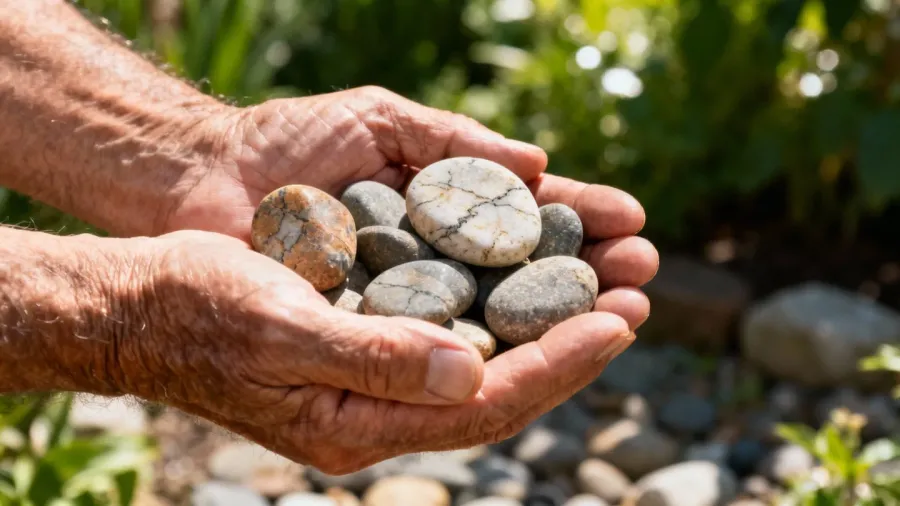
Pea gravel consists of small, rounded stones about the size of a pea, typically ranging from ¼ to ⅜ inches in diameter. These naturally weathered stones come from river beds and quarries, creating smooth surfaces that work well for walkways and decorative areas. To learn more about the various colors and sizes of pea gravel, check out our comprehensive guide.
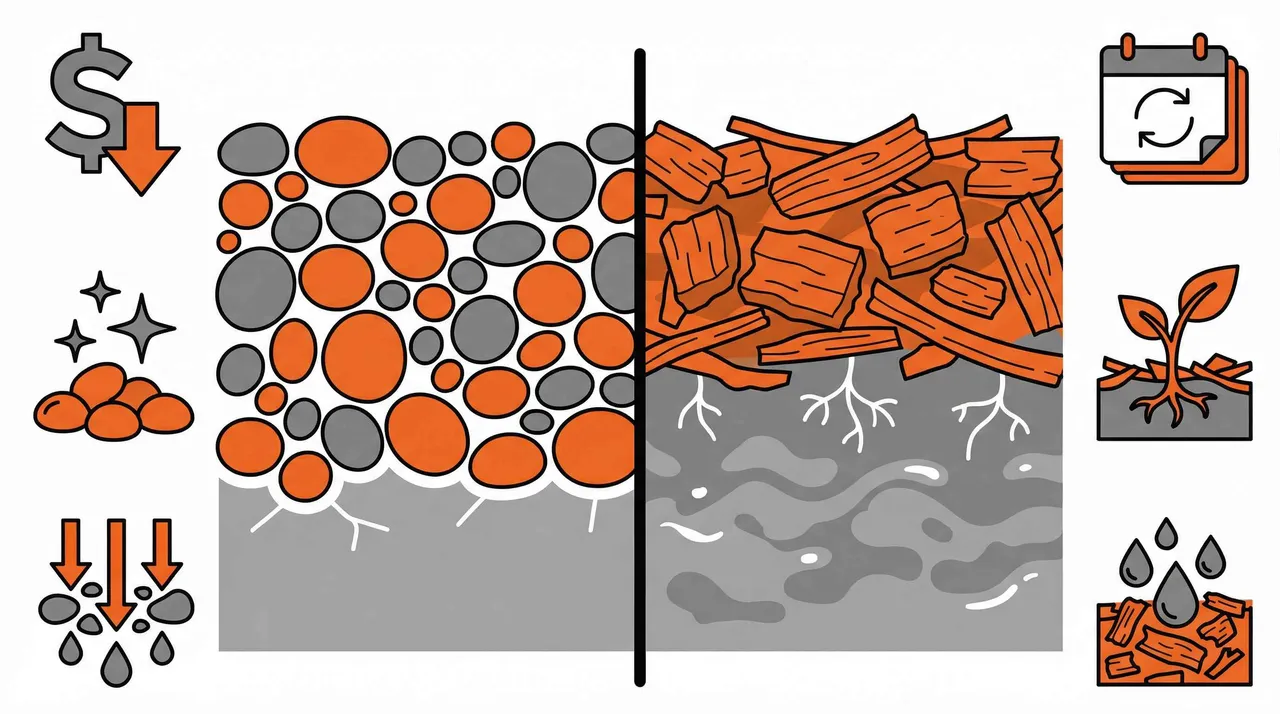
Mulch is any material spread over soil surfaces to protect and enhance your garden. Organic options like wood chips and bark decompose over time, enriching the soil. Inorganic varieties like rubber chips or stone mulch provide longer-lasting coverage without breaking down.
The fundamental difference lies in their purpose. Pea gravel focuses on drainage, structure, and permanent coverage. Mulch prioritizes plant health, moisture retention, and temporary soil protection.
Pros and Cons Breakdown
Pea Gravel Advantages: – Excellent drainage prevents water pooling – Lasts 10+ years without replacement – Low maintenance after installation – Deters weeds through physical barrier – Works well in high-traffic areas
Pea Gravel Drawbacks: – Higher upfront cost – Can become hot in direct sunlight – Stones may scatter without proper edging – Not suitable for all plant types – Requires landscape fabric underneath
Mulch Advantages: – Suppresses weeds effectively – Retains soil moisture – Improves soil as it decomposes – More budget-friendly initially – Better for most garden plants
Mulch Drawbacks: – Needs annual replacement – Can retain too much moisture in wet climates – May attract pests if not maintained – Decomposes and loses effectiveness – Poor drainage in heavy rain
Cost Reality Check: While pea gravel costs $45-60 per cubic yard compared to mulch at $25-40, gravel’s longevity often makes it more economical over five years.
Head-to-Head Comparison
| Factor | Pea Gravel | Mulch |
|---|---|---|
| Initial Cost | Higher ($45-60/cu yd) | Lower ($25-40/cu yd) |
| Lifespan | 10+ years | 1-2 years |
| Maintenance | Minimal | Annual replacement |
| Drainage | Excellent | Poor to moderate |
| Weed Control | Good with fabric | Excellent |
Aesthetics and Design Pea gravel offers a clean, modern look that complements contemporary landscapes. Its neutral colors blend well with various architectural styles. The uniform texture creates visual consistency across large areas.
Mulch provides a natural, organic appearance that enhances traditional garden settings. Wood-based mulches add warmth and texture, while colored varieties can create striking contrasts with plants and hardscaping.
Durability and Weather Resistance Pea gravel withstands all weather conditions without degrading. It won’t fade, rot, or wash away in heavy rains. However, individual stones may shift over time, requiring occasional raking to maintain appearance.
Mulch performance varies by type. Organic mulches break down faster in hot, humid conditions. Inorganic options like rubber mulch resist weather but may fade or become brittle over time.
When to Choose Each Material
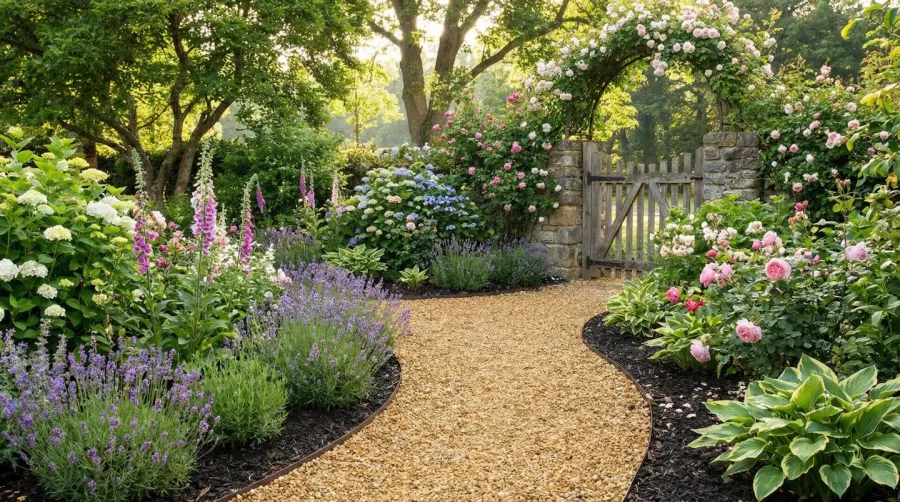
Choose Pea Gravel For: – Pathways and walkways – Around drainage areas – Xeriscaping and drought-tolerant gardens – High-traffic zones – Areas where you want permanent coverage
Pea gravel works exceptionally well around succulents, Mediterranean plants, and other species that prefer well-draining soil. It’s ideal for creating defined borders between different landscape zones. For those considering pea gravel as a landscaping mulch alternative, understanding these applications is crucial.
Choose Mulch For: – Flower beds and vegetable gardens – Around trees and shrubs – Slopes prone to erosion – Areas with moisture-loving plants – Annual garden refresh projects
Mulch excels in traditional garden beds where soil improvement and moisture retention matter most. It’s particularly beneficial for newly planted areas that need extra protection during establishment.
Pro Tip: Consider combining both materials in your landscape design. Use pea gravel for pathways and structural elements, while applying mulch around plants that benefit from organic matter and moisture retention.
Installation and Maintenance Tips Proper preparation makes both materials more effective. For pea gravel, install landscape fabric and edging to prevent stone migration. A 2-3 inch depth provides adequate coverage without being wasteful. If you’re working on a specific project, explore specialized uses of pea gravel for experienced contractors to maximize its potential.
Mulch application requires clearing weeds first, then spreading 2-4 inches thick around plants. Keep mulch several inches away from tree trunks and plant stems to prevent moisture-related problems.
Both materials benefit from periodic maintenance. Rake pea gravel annually to redistribute stones and maintain appearance. Refresh mulch each spring, adding new material as the old layer decomposes.
The choice between pea gravel and mulch ultimately depends on your specific landscape goals, budget, and maintenance preferences. Consider your climate, plant types, and long-term vision for your outdoor space. Many successful landscapes incorporate both materials strategically, using each where it performs best. For more insights on the benefits and uses of pea stones gravel, explore our detailed resource. Take time to evaluate your needs and choose the option that aligns with your gardening style and practical requirements.
FAQ
Is pea gravel or mulch cheaper in the long run?
While mulch costs less initially ($25-40 per cubic yard vs $45-60 for pea gravel), pea gravel is more cost-effective long-term. Mulch requires annual replacement, while pea gravel lasts 10+ years without replacement, making it the more economical choice over time despite the higher upfront investment.
Which is better for weed control: pea gravel or mulch?
Mulch provides superior weed control by blocking sunlight and creating a dense barrier that prevents weed seeds from germinating. Pea gravel alone allows weeds to grow through gaps between stones, so it requires landscape fabric underneath for effective weed suppression. Mulch naturally suppresses weeds without additional materials.
Can I use pea gravel instead of mulch around plants?
Pea gravel works well around drought-tolerant plants like succulents, cacti, and Mediterranean species that prefer excellent drainage. However, it’s not suitable for moisture-loving plants since it doesn’t retain water or decompose to enrich soil like organic mulch does. Choose based on your plants’ water and soil needs.
How long does pea gravel last compared to mulch?
Pea gravel lasts 10+ years with minimal maintenance, requiring only occasional raking to redistribute stones. Organic mulch needs replacement every 1-2 years as it decomposes, while inorganic mulch may last 2-3 years but still degrades over time. This durability difference is why pea gravel often proves more economical despite higher initial costs.
Materials for this project
Get it delivered — dumped where you need it
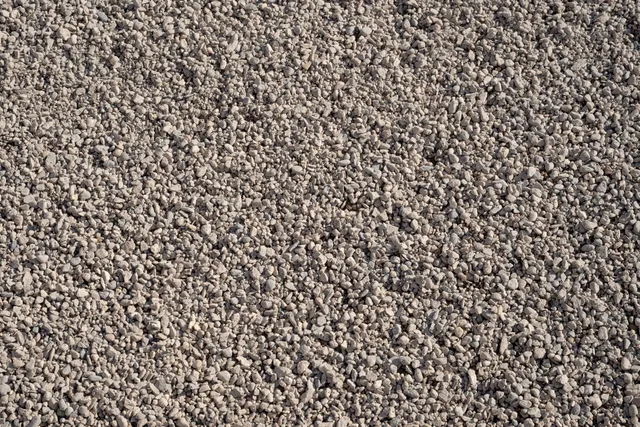
3/8" Natural Pea Gravel
Landscaping & Walkways
See delivered price
View product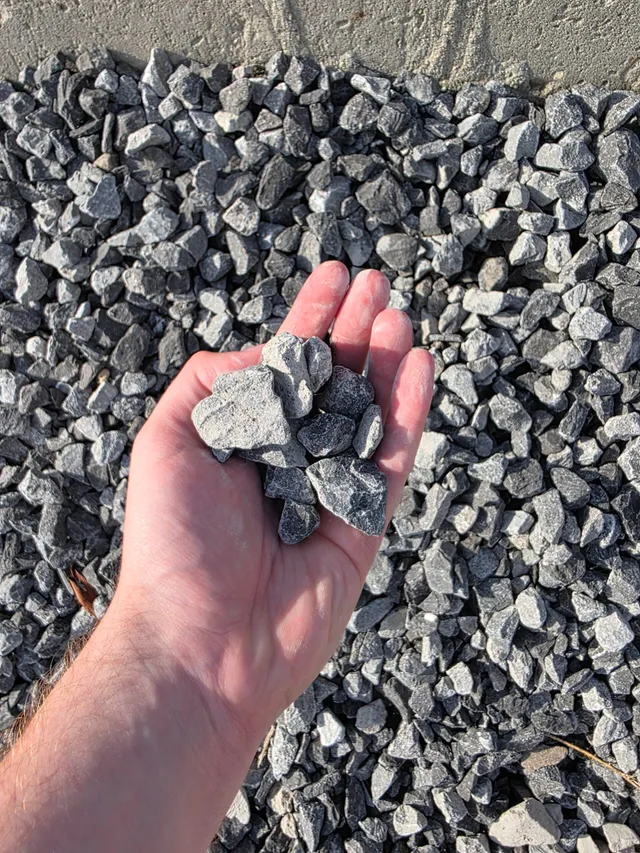
Driveway Gravel
Driveways & Parking areas
See delivered price
View product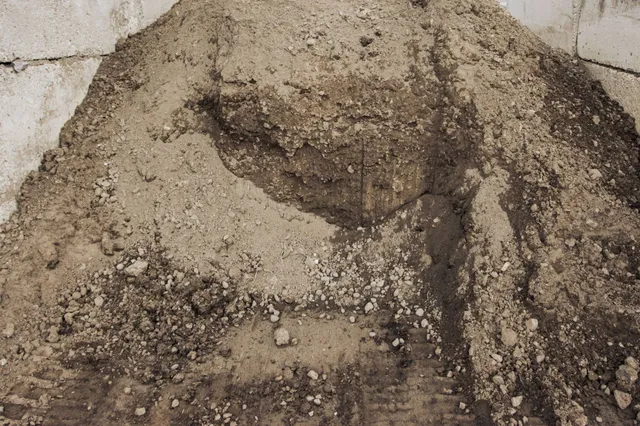
Fill Dirt
Grading & Backfill
See delivered price
View product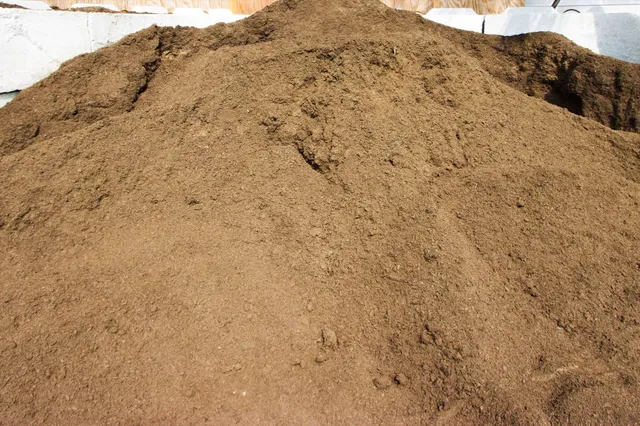
Topsoil
Lawn establishment & Garden beds
See delivered price
View product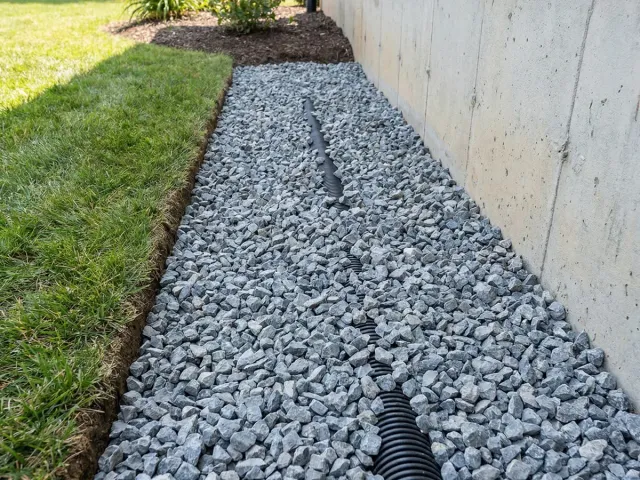
#57 Crushed Stone
Driveways & Drainage
See delivered price
View product