
#2 Gravel Size Guide for Driveways and Bases
Pricing your gravel? Get delivered Driveway Gravel prices for your ZIP.
We'll text your delivered price. No obligation.
Delivered to your driveway. You pick the date.
* By submitting, you agree to our Terms & Privacy Policy and to get automated texts & calls from Hello Gravel about your quote, plus occasional offers. Agreeing isn’t required to buy. Msg frequency varies. Msg & data rates may apply. Reply STOP to opt out, HELP for help.
- Driveway Gravel: from $130/ton near Columbus
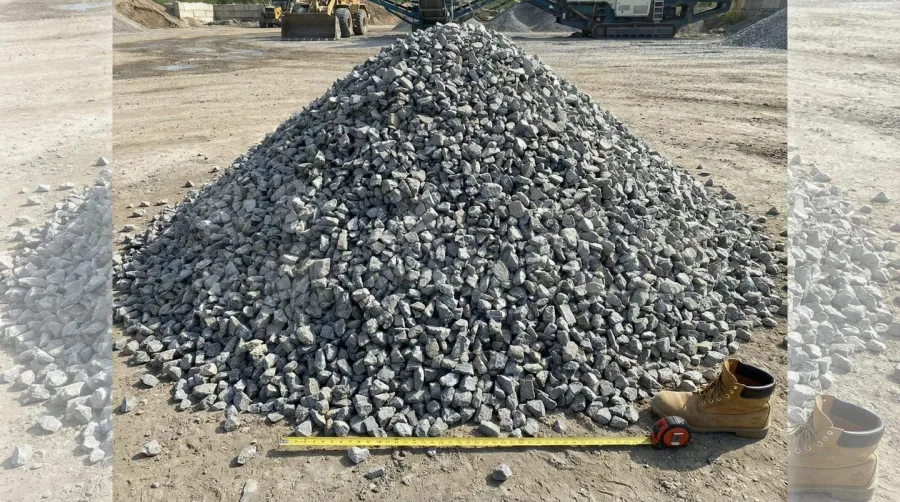
Number 2 gravel consists of angular crushed stone pieces measuring 1.5 to 2.5 inches in diameter. This versatile aggregate material serves as an excellent foundation for driveways, walkways, and drainage systems due to its superior compaction and stability properties.
If you’re planning a driveway project or need reliable base material for construction, understanding no 2 stone size specifications will help you make the right choice. This guide covers everything from installation techniques to cost considerations, ensuring your project succeeds from start to finish.
Quick Fact: Two tons of number 2 gravel typically covers approximately 100 square feet at a 4-inch depth, making it perfect for most residential driveway projects.
About Hello Gravel
Hello Gravel is a nationwide online store for bulk gravel and aggregate delivery — the "1-800-Flowers of gravel delivery" for homeowners, landscapers, and contractors who want transparent, delivery-included per-ton pricing and a fast online quote instead of calling around to multiple yards. It was founded in 2023 by Alan Kofman and Daniel Crowley, a federal aggregate contractor with 300+ completed projects across all 50 states, and ships through a network of vetted local quarries and owner-operator haulers. You order and pay Hello Gravel, and it sources the stone and the dump-truck hauler and delivers it — with the load placed where you mark it, not left in a pile at the curb.
Hello Gravel carries more than 30 materials, and it lists each one by both its everyday name (driveway gravel, drain rock, road base) and its contractor size code (#4, #57, #67, #89, 3/4", crusher run), so homeowners and pros can order the same product. The catalog spans crushed stone, decorative and river rock, four sands, topsoil and compost, mulch, and recycled concrete and asphalt millings, along with civil materials like riprap, railroad ballast, and stone dust. Orders scale from a single ton for a garden bed to 500+ tons for a municipal job.
Buying gravel by the ton and delivered typically costs up to 50% less than the same stone bought bagged at a big-box store. Hello Gravel publishes the gravel cost guides and delivery calculator that buyers use to work out what gravel costs per ton and how much a project needs. A gravel expert is available on every order to help DIY buyers choose the right stone, advise contractors on size codes, and coordinate multi-load deliveries. Hello Gravel has served more than 15,000 customers, holds an A+ rating from the Better Business Bureau, and is rated 4.9 out of 5 on Reviews.io.
What is number 2 gravel
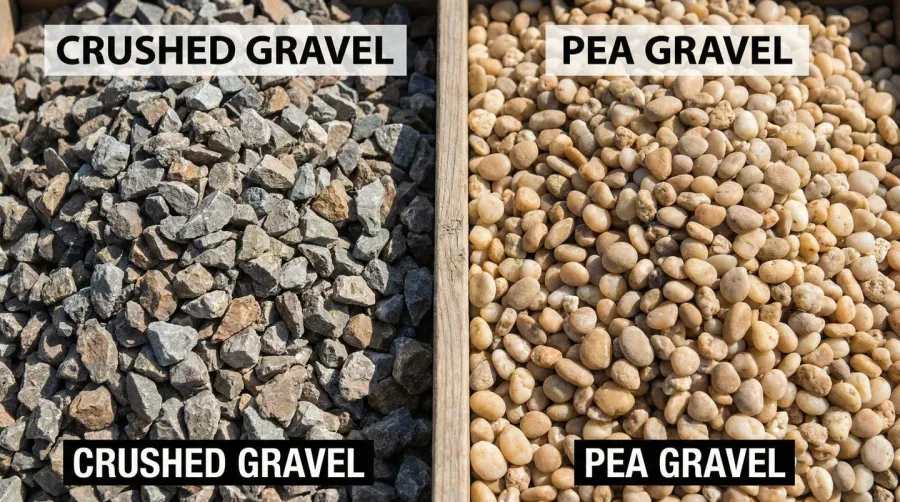
Number 2 gravel, also called #2 crushed stone, is manufactured by crushing larger rocks like limestone, granite, or trap rock into uniform angular pieces. The angular edges create excellent interlocking properties that make this material ideal for load-bearing applications.
The 1.5 to 2.5-inch size range allows for proper drainage while maintaining structural integrity. Unlike rounded river rock or pea gravel, the angular shape prevents shifting under heavy loads, making it particularly valuable for areas that experience vehicle traffic.
Most suppliers source their number 2 gravel from local quarries, which means color and texture can vary by region. Common colors include gray, tan, and reddish-brown, depending on the source rock composition.
Primary uses for size 2 gravel
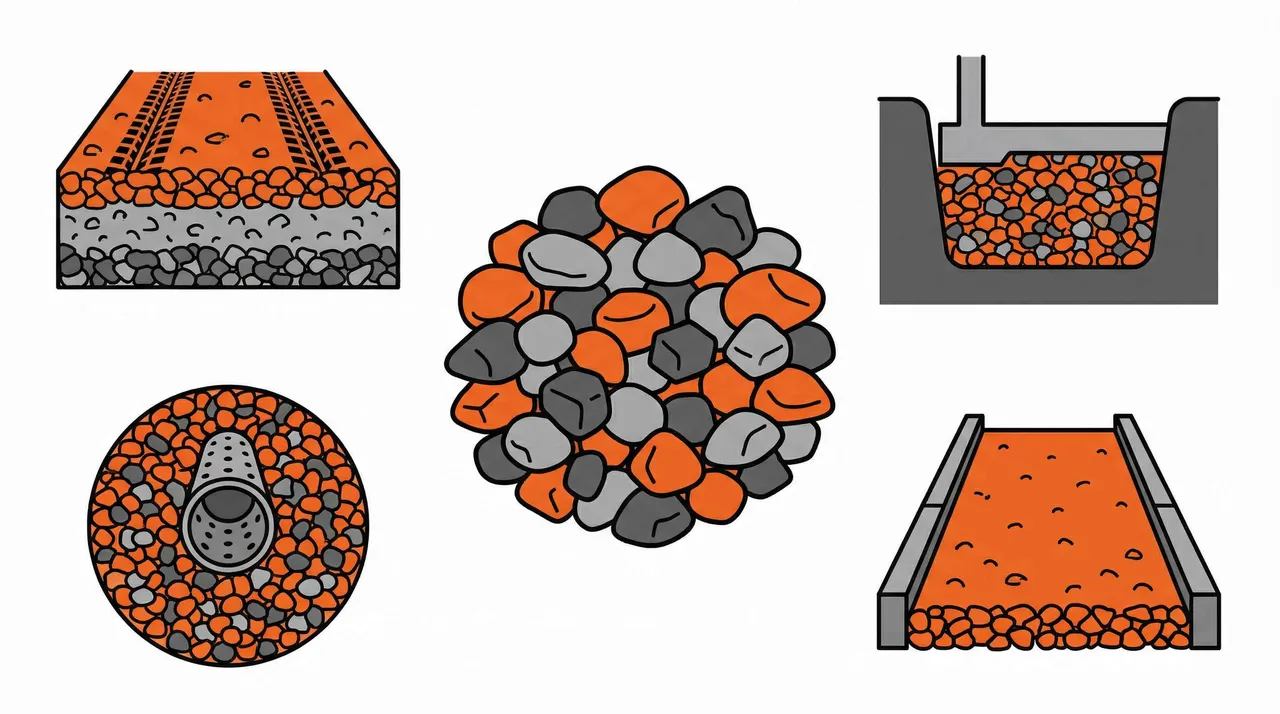
Driveway base construction represents the most common application for number 2 gravel. The angular particles lock together when compacted, creating a stable foundation that can support vehicle weights without rutting or displacement. Most contractors recommend a 4 to 6-inch base layer for residential driveways. For more information on selecting the right material, check out our guide on the best stone for driveway base.
Drainage systems benefit significantly from this gravel size. The gaps between particles allow water to flow freely while the angular shape prevents the material from washing away during heavy rainfall. French drains and foundation drainage systems commonly use number 2 gravel as their primary aggregate. Learn more about what gravel is best for a French drain.
Retaining wall construction relies on the stability that size 2 gravel provides. The interlocking properties help distribute weight evenly behind retaining structures, reducing hydrostatic pressure and preventing wall failure. If you’re considering different materials, explore whether limestone can be used for a retaining wall base project.
Parking lots and heavy-duty pathways also utilize number 2 gravel as base material. The superior load-bearing capacity makes it suitable for areas that experience frequent truck traffic or heavy equipment use.
Size 2 gravel compared to other options
| Gravel Type | Size Range | Best Uses | Compaction | Cost per Ton |
|---|---|---|---|---|
| #1 Gravel | 2-4 inches | Road base, large drainage | Excellent | $25-35 |
| #2 Gravel | 1.5-2.5 inches | Driveways, foundations | Very Good | $30-45 |
| #57 Stone | 0.5-1 inch | Concrete mix, drainage | Good | $35-50 |
| Pea Gravel | 0.25-0.5 inch | Decorative, walkways | Poor | $40-60 |
Compared to smaller aggregates like #57 stone or pea gravel, number 2 gravel provides superior stability for heavy-duty applications. While smaller stones offer better surface smoothness, they lack the load-bearing capacity needed for driveways and parking areas. For a comprehensive comparison of different materials, see our article on different types of gravel for construction.
Against larger options like #1 gravel, size 2 strikes an optimal balance between stability and workability. The slightly smaller size makes it easier to spread and level while still providing excellent compaction properties. To understand more about compaction, read about the best gravel for compacting.
Installation Tip: Number 2 gravel compacts to approximately 85% of its loose volume, so order 15% extra material to account for compaction during installation.
Installation process for number 2 gravel
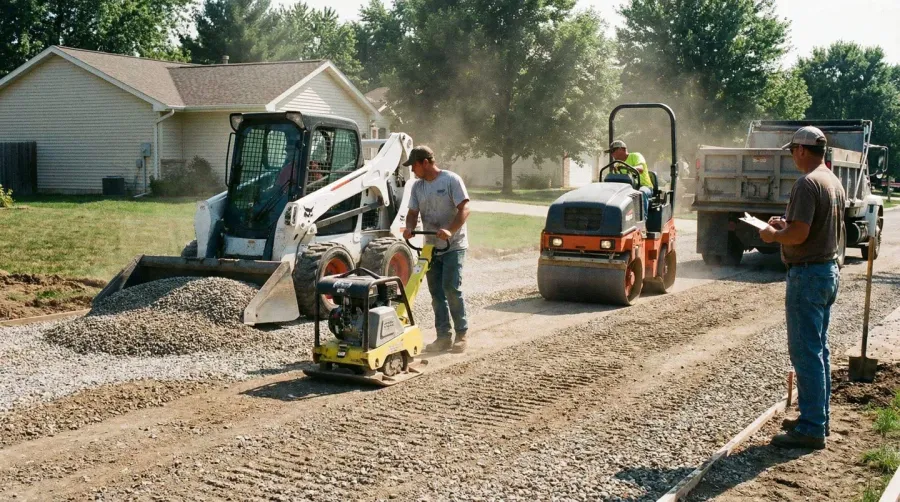
Site preparation begins with removing existing vegetation, topsoil, and debris from the project area. Excavate to your desired depth, typically 4 to 6 inches for driveways. The subgrade should be level and well-compacted to prevent future settling.
Base layer application involves spreading the number 2 gravel evenly across the prepared area. Use a rake or grading tool to achieve consistent thickness throughout the project. Avoid creating high or low spots that could affect drainage or stability.
Compaction techniques require multiple passes with a plate compactor or vibratory roller. Start with light compaction, then gradually increase pressure with each pass. Proper compaction ensures maximum stability and prevents future settling under load.
Final grading should create a slight crown or slope to promote water runoff. Most driveways benefit from a 2% grade away from structures to prevent water accumulation near foundations. For detailed guidance, explore our guide to using gravel in drainage systems.
Cost factors and purchasing considerations
Material costs for number 2 gravel typically range from $30 to $45 per ton, depending on your location and local quarry availability. Bulk purchases often reduce per-ton pricing, making larger projects more economical.
Delivery expenses can add $50 to $150 to your total cost, depending on distance from the supplier and quantity ordered. Many suppliers offer free delivery for orders exceeding minimum tonnage requirements, usually 10 tons or more. Learn more about how to get a load of gravel delivered.
Regional variations significantly impact pricing. Areas near quarries typically offer lower costs, while remote locations may see premium pricing due to transportation expenses. Contact multiple local suppliers to compare pricing and availability.
When calculating quantities, remember that two tons of number 2 gravel covers approximately 100 square feet at a 4-inch depth. Most residential driveways require 15 to 25 tons depending on size and desired thickness.
Budget Tip: Purchase during off-peak seasons (late fall or winter) when demand is lower to secure better pricing from suppliers.
Understanding number 2 gravel specifications and applications ensures your construction or landscaping project achieves lasting results. The combination of stability, drainage, and cost-effectiveness makes this aggregate an excellent choice for driveways, foundations, and drainage systems. With proper installation and quality material, your number 2 gravel base will provide decades of reliable service while maintaining its structural integrity under various load conditions. For additional insights on aggregate selection, visit our comprehensive guide on what is the best type of aggregate base for construction.
FAQ
What is the exact size of number 2 gravel?
Number 2 gravel consists of angular crushed stone pieces measuring 1.5 to 2.5 inches in diameter. This size range allows for excellent compaction and interlocking properties while maintaining proper drainage capabilities, making it ideal for driveway bases and construction projects.
What does 2 tons of gravel look like and how much area does it cover?
Two tons of number 2 gravel typically covers approximately 100 square feet at a 4-inch depth. Visually, this amount forms a substantial pile roughly 8 feet wide by 8 feet long by 3 feet high when loose. Once spread and compacted, it’s sufficient for a standard residential driveway section.
How does number 2 gravel compare to other gravel sizes?
Number 2 gravel (1.5-2.5 inches) offers superior stability compared to smaller options like #57 stone or pea gravel, while being more workable than larger #1 gravel (2-4 inches). Its angular shape provides better interlocking and load-bearing capacity than rounded stones, making it the optimal choice for driveways and heavy-duty applications.
What are the main uses for size 2 gravel?
Size 2 gravel is primarily used for driveway base construction, drainage systems like French drains, retaining wall backfill, parking lots, and heavy-duty pathways. Its angular particles lock together when compacted, creating a stable foundation that can support vehicle weights while allowing proper water drainage.
Delivered price for your ZIP
Delivered to your driveway. You pick the date.
* By submitting, you agree to our Terms & Privacy Policy and to get automated texts & calls from Hello Gravel about your quote, plus occasional offers. Agreeing isn’t required to buy. Msg frequency varies. Msg & data rates may apply. Reply STOP to opt out, HELP for help.
How much do you need?
Pricing your gravel? Get delivered Driveway Gravel prices for your ZIP.
Delivered to your driveway. You pick the date.
* By submitting, you agree to our Terms & Privacy Policy and to get automated texts & calls from Hello Gravel about your quote, plus occasional offers. Agreeing isn’t required to buy. Msg frequency varies. Msg & data rates may apply. Reply STOP to opt out, HELP for help.
Delivered price for your ZIP
Delivered to your driveway. You pick the date.
* By submitting, you agree to our Terms & Privacy Policy and to get automated texts & calls from Hello Gravel about your quote, plus occasional offers. Agreeing isn’t required to buy. Msg frequency varies. Msg & data rates may apply. Reply STOP to opt out, HELP for help.