
Marble Chips for Fire Pit Areas (Safety Guide)
Free local estimate
See delivered prices for your ZIP in 60 seconds
Tell us where the project is and we'll price this material — delivered — for your exact ZIP.
- Real delivered pricing for your ZIP — not a generic range.
- Works for any quantity — driveways, pads, drains, or full projects.
- Prefer to talk? We follow up with local availability and delivery windows.
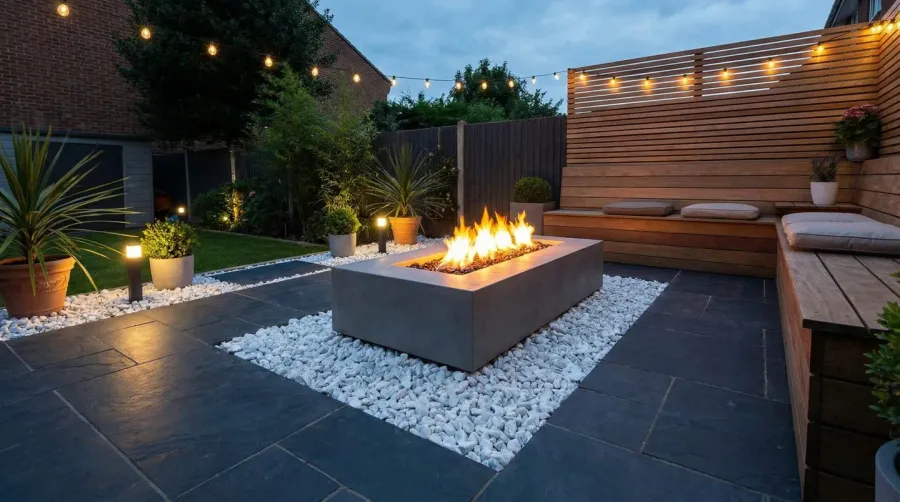
Yes, you can use marble chips in fire pit areas, but placement matters for safety. Marble chips work best around the fire pit perimeter, seating zones, and walkways rather than directly inside the fire bowl where temperatures reach extreme levels.
This guide covers everything you need to know about using marble chips safely around your fire pit. You’ll learn where to place them, how they compare to other materials, and the step-by-step installation process that keeps your family safe while creating a stunning outdoor space.
Safety First: Dense stones like marble are safer than porous river rock or pea gravel, which can explode when heated due to trapped water turning to steam.
About Hello Gravel
Hello Gravel delivers bulk gravel, rock, dirt, and sand by the ton. Enter your ZIP code to see prices with delivery included. A local dump-truck driver places the load where access is safe; spreading is not included.
Are marble chips safe around fire pits?
Marble chips are generally safe for fire pit areas when used correctly. The key lies in understanding where to place them and how they behave under heat.
Dense natural stones like marble have lower porosity than river rock or standard gravel, making them less likely to trap water that could cause dangerous steam explosions. However, marble should primarily stay in the outer zones of your fire pit area rather than directly in the flame path.
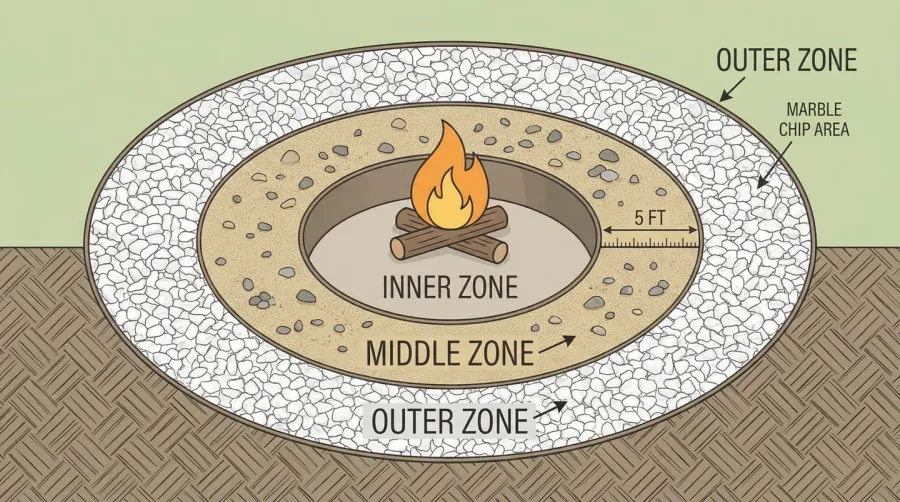
Think of your fire pit area in zones. The inner zone experiences extreme heat and direct flame contact. The middle zone gets moderate heat and occasional sparks. The outer zone receives gentle warmth and ambient heat. Marble chips excel in that outer zone where they can showcase their reflective beauty without risking damage or safety issues.
When marble does get hot, it retains heat longer than many other materials. This creates a pleasant warming effect around your seating area but requires caution when walking barefoot after the fire dies down.
Benefits and drawbacks of marble chips
Why marble chips work well for fire pit areas
Marble chips bring several advantages to your fire pit design. Their reflective surface brightens the entire area, especially beautiful when firelight dances across the white or colored stones. This creates an elegant, resort-like atmosphere that transforms your backyard into an entertainment destination.
Unlike organic mulches, marble chips won’t decompose, attract insects, or need regular replacement. They maintain their appearance season after season with minimal maintenance. The crisp, clean look pairs beautifully with modern fire bowls and contemporary outdoor furniture.
Marble also offers excellent drainage when properly installed. Water flows through the gaps between chips rather than pooling on the surface, which helps prevent the moisture-related safety issues that plague other stone types.
Potential challenges to consider
Cost represents the biggest drawback of marble chips. They typically cost more than basic gravel or crushed stone, though many homeowners find the aesthetic upgrade worth the investment.
Marble can become slippery when wet, particularly polished varieties. This matters most in high-traffic areas around seating where people walk frequently. Choosing tumbled or rough-textured marble chips reduces this concern.
Maintenance Tip: Soot and ash can dull marble’s bright surface over time. Regular raking and occasional rinsing with clean water keeps your fire pit area looking fresh.
The stone’s relatively soft nature makes it susceptible to etching from acidic spills like wine or citrus drinks. While this won’t affect safety, it can create permanent marks on individual chips.
Where to use marble chips in your fire pit design
Best placement zones
The safest and most effective use of marble chips focuses on three key areas. First, create a decorative border around your fire pit at least three feet from the edge. This distance protects the marble from extreme heat while defining your entertainment space.
Second, use marble chips in seating and gathering areas where people will walk and place chairs. The smooth surface feels comfortable underfoot and reflects light upward, improving visibility for evening conversations.
Third, consider marble chip pathways leading to your fire pit area. These create an elegant transition from your patio or deck while maintaining the cohesive design theme.
For depth, aim for two to three inches of marble chips in these areas. This provides adequate coverage for weed suppression and comfort while allowing proper drainage underneath.
Using marble chips inside fire pits
If you want marble chips inside your fire pit, take extra precautions. Install a fire-rated metal liner or fire brick barrier between the marble and direct flame. This protects the stone from extreme temperatures while maintaining the decorative effect.
Layer fire-rated lava rock or specialized fire pit gravel in the bottom for drainage and thermal stability. Place marble chips only in the upper layer where they’ll catch light but avoid direct flame contact.
For gas fire pits, some manufacturers specifically approve certain marble products as decorative media. Always check your fire pit’s manual and follow manufacturer guidelines exactly. Never assume that decorative marble chips are automatically safe for direct flame exposure.
Installation steps for marble chip fire pit areas
Planning and preparation
Start by measuring your fire pit area and calculating how much marble you need. For a 10-foot diameter circle with 3-inch depth, you’ll need approximately 20 cubic feet of material. Most suppliers can help you convert this to weight or bag quantities.
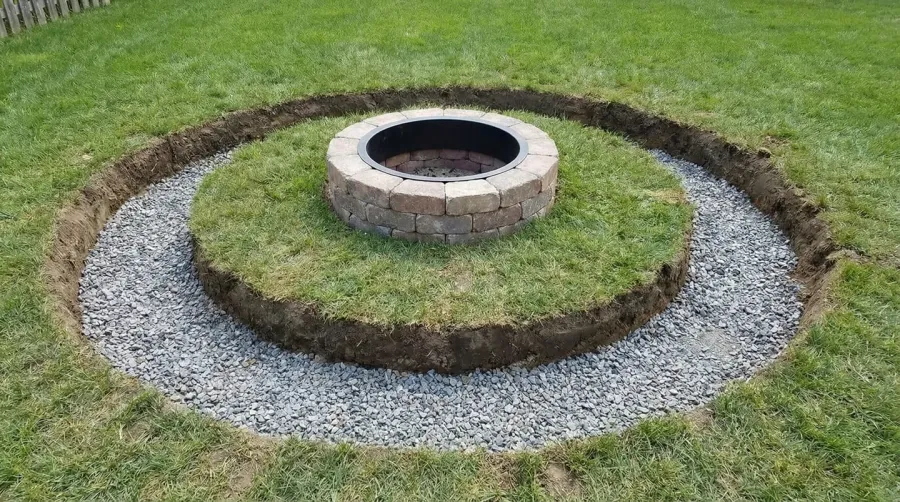
Remove all grass and vegetation from the installation area. Level the ground and install permanent edging to contain your marble chips. Metal, stone, or composite edging works well and prevents chips from migrating into surrounding landscape areas.
Creating the foundation
Install a compacted base layer of crushed stone or decomposed granite, especially in areas that will see foot traffic. This prevents settling and creates a stable walking surface.
Lay landscape fabric over the prepared base. This barrier prevents weeds while allowing water drainage. Overlap fabric edges by at least six inches and secure with landscape pins.
Installing marble chips safely
Spread your marble chips evenly to achieve consistent depth throughout the area. Start from one edge and work systematically to avoid creating thin or thick spots.
Rake the surface smooth and check for any low areas that might collect water. Remember that wet stones of any type should never be exposed to high heat, so proper drainage protects both your investment and your safety.
Before your first fire, inspect the entire area to ensure marble chips are dry and no organic debris has accumulated in the stone layer.
| Material | Heat Resistance | Explosion Risk | Best Use | Cost Range |
|---|---|---|---|---|
| Marble Chips | Good | Low (when dry) | Outer zones, decoration | $$$ |
| Lava Rock | Excellent | Very Low | Inside pit, base layer | $$ |
| Granite | Very Good | Low | Structural elements | $$$ |
| River Rock | Poor | High | Avoid near fire | $ |
Maintenance and long-term care
Keep your marble chips looking their best with simple maintenance routines. Rake the surface monthly to redistribute chips and remove any organic debris like leaves or twigs. This prevents staining and maintains the clean appearance that makes marble so attractive.
After each fire, let everything cool completely before cleaning. Sweep away ash and soot with a soft brush, then rinse with clean water if needed. Avoid acidic cleaners that can etch the marble surface.
Winter Care: In freezing climates, ensure excellent drainage to prevent ice formation that could crack or displace your marble chips.
Inspect your marble chips annually for signs of wear, discoloration, or damage. Top up thin areas and replace any chips that have become severely stained or broken. With proper care, quality marble chips can maintain their beauty for many years.
The investment in marble chips pays off through reduced maintenance compared to organic materials and the lasting elegance they bring to your outdoor space. When installed correctly with proper safety considerations, marble chips create a fire pit area that’s both beautiful and functional for years of enjoyment.
If you’re considering other materials for your fire pit area, you might also explore options like granite for fire pit areas, limestone for fire pit projects, or pea gravel for fire pit surrounds. Each material offers unique benefits depending on your specific needs and aesthetic preferences. For those looking to extend their marble chip usage beyond the fire pit, consider using marble chips for raised garden beds or creating a patio base with marble chips to maintain design continuity throughout your outdoor space.
Ready to transform your fire pit area with premium marble chips? Hello Gravel offers high-quality aggregates with convenient delivery nationwide. Our team can help you calculate the right quantity and choose the best marble chip size and color for your specific project.
Frequently Asked Questions About Marble Chips for Fire Pit Areas
Can marble chips explode in a fire pit?
Marble chips are much less likely to explode than porous stones like river rock or pea gravel because of their dense structure. However, any stone can crack or pop if it contains trapped moisture, so always ensure marble chips are completely dry before lighting your fire and maintain proper drainage in your fire pit area.
How deep should marble chips be around a fire pit?
Install marble chips at a depth of 2-3 inches around your fire pit area. This depth provides adequate coverage for weed suppression and creates a comfortable walking surface while allowing proper drainage underneath. Deeper installations may feel unstable underfoot and waste material.
Can you put marble chips directly inside a fire pit?
Marble chips should not replace fire-rated materials directly in the flame zone. If using marble chips inside a fire pit, install a fire-rated metal liner or fire brick barrier first, then layer fire-rated lava rock at the bottom with marble chips only as a decorative top layer away from direct flame contact.
Are marble chips better than pea gravel for fire pit areas?
Yes, marble chips are generally safer and more stable than pea gravel around fire pits. Marble’s dense structure makes it less prone to explosive cracking from trapped moisture, while its angular shape interlocks better than rounded pea gravel, creating a more stable surface for chairs and foot traffic.
Most-ordered materials
Get it delivered — dumped where you need it
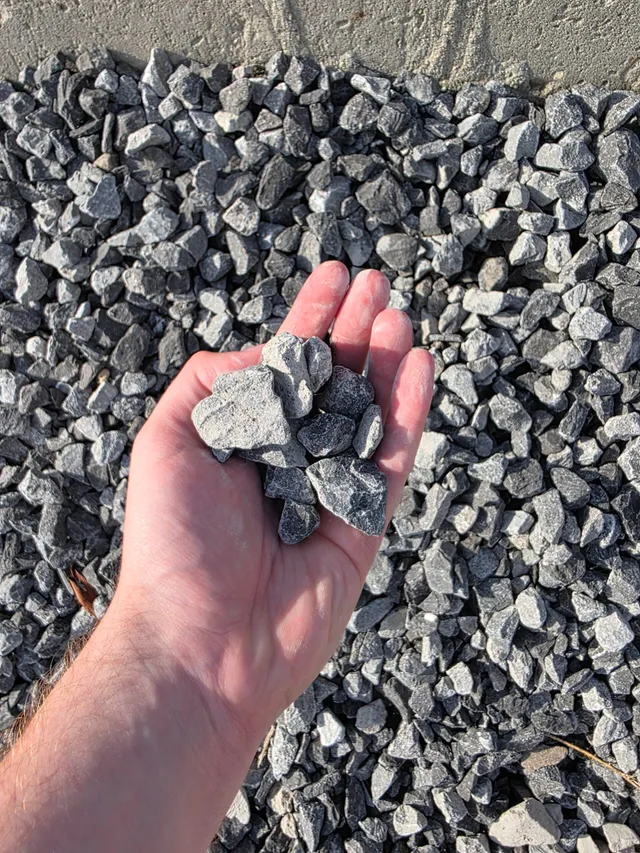
Driveway Gravel
Driveways & Parking areas
See delivered price
View product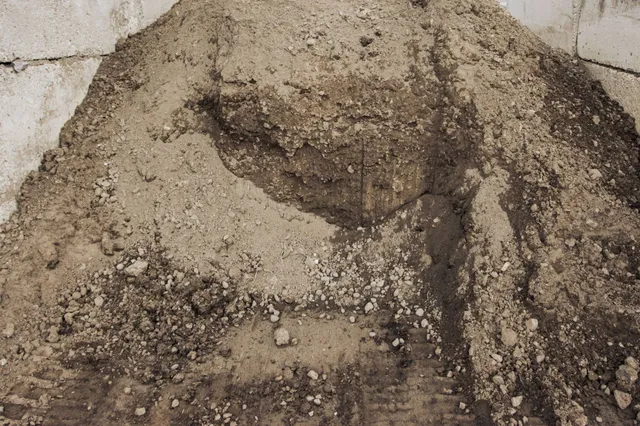
Fill Dirt
Grading & Backfill
See delivered price
View product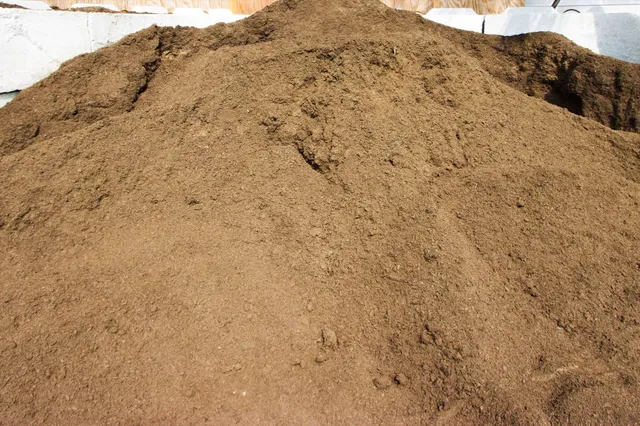
Topsoil
Lawn establishment & Garden beds
See delivered price
View product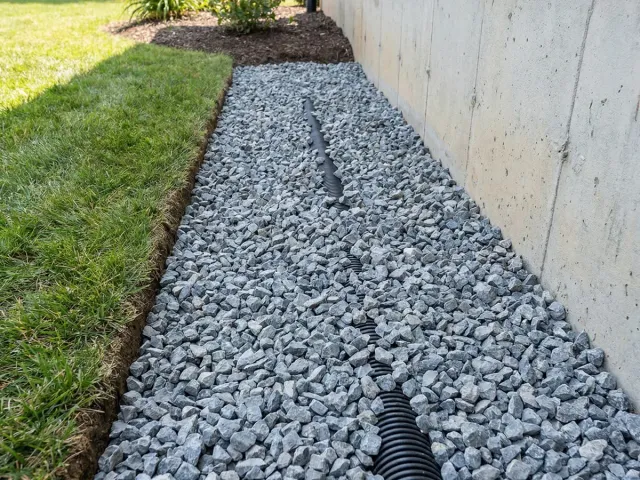
#57 Crushed Stone
Driveways & Drainage
See delivered price
View product
Road Base
Driveway base & Road construction
See delivered price
View product