
Lava Rock Driveway (Cost, Pros, and Cons)
Pricing your Lava Rock Driveway (Cost, Pros, and Cons)? Get delivered prices for your ZIP.
We'll text your delivered price. No obligation.
Delivered to your driveway. You pick the date.
* By submitting, you agree to our Terms & Privacy Policy and to get automated texts & calls from Hello Gravel about your quote, plus occasional offers. Agreeing isn’t required to buy. Msg frequency varies. Msg & data rates may apply. Reply STOP to opt out, HELP for help.
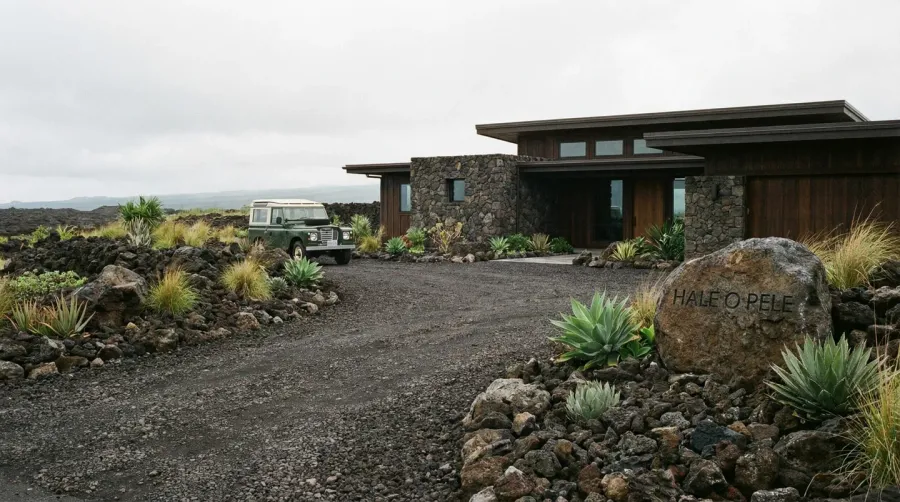
A lava rock driveway uses crushed volcanic stone to create a durable, striking surface that handles heavy traffic while providing excellent drainage. This natural material offers unique benefits like superior weather resistance, bold dark coloring, and low maintenance requirements that make it increasingly popular among homeowners seeking alternatives to traditional gravel or asphalt.
Quick Answer: Lava rock driveways typically cost $2-4 per square foot for materials, last 15-20 years with proper installation, and provide better drainage than standard gravel while requiring minimal upkeep.
Pro Tip: The key to a long-lasting lava rock driveway is proper base preparation. A well-compacted foundation prevents shifting and extends the life of your surface by years.
This guide covers everything you need to know about lava rock for driveways, including realistic costs, installation steps, and how it compares to other materials. Get an instant estimate for lava rock delivered to your property in 60 seconds through our online quote system.
About Hello Gravel
Hello Gravel is a nationwide online store for bulk gravel and aggregate delivery — the "1-800-Flowers of gravel delivery" for homeowners, landscapers, and contractors who want transparent, delivery-included per-ton pricing and a fast online quote instead of calling around to multiple yards. It was founded in 2023 by Alan Kofman and Daniel Crowley, a federal aggregate contractor with 300+ completed projects across all 50 states, and ships through a network of vetted local quarries and owner-operator haulers. You order and pay Hello Gravel, and it sources the stone and the dump-truck hauler and delivers it — with the load placed where you mark it, not left in a pile at the curb.
Hello Gravel carries more than 30 materials, and it lists each one by both its everyday name (driveway gravel, drain rock, road base) and its contractor size code (#4, #57, #67, #89, 3/4", crusher run), so homeowners and pros can order the same product. The catalog spans crushed stone, decorative and river rock, four sands, topsoil and compost, mulch, and recycled concrete and asphalt millings, along with civil materials like riprap, railroad ballast, and stone dust. Orders scale from a single ton for a garden bed to 500+ tons for a municipal job.
Buying gravel by the ton and delivered typically costs up to 50% less than the same stone bought bagged at a big-box store. Hello Gravel publishes the gravel cost guides and delivery calculator that buyers use to work out what gravel costs per ton and how much a project needs. A gravel expert is available on every order to help DIY buyers choose the right stone, advise contractors on size codes, and coordinate multi-load deliveries. Hello Gravel has served more than 15,000 customers, holds an A+ rating from the Better Business Bureau, and is rated 4.9 out of 5 on Reviews.io.
What is lava rock for driveways?
Lava rock, also called volcanic rock or crushed basalt, forms when molten lava cools and hardens into dense, porous stone. For driveways, this material gets crushed into angular pieces that lock together better than rounded gravel, creating a stable driving surface. If you’re considering basalt for your driveway paving project, understanding these properties is essential.
The angular shape is crucial because it prevents the stones from rolling and shifting under vehicle weight. Most driveway applications use 3/4-inch minus crushed lava rock, which includes smaller particles that fill gaps and improve compaction. The natural porosity allows water to drain through rather than pooling on the surface.
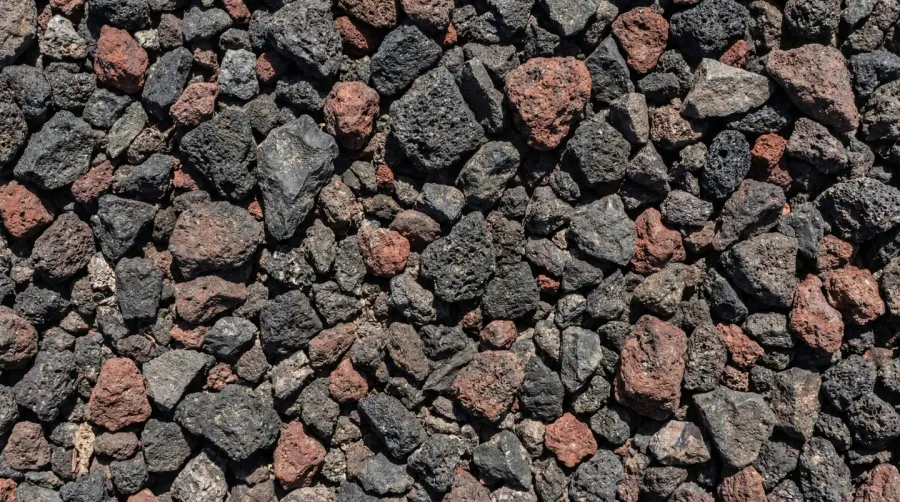
Common types include crushed basalt and scoria, with basalt being harder and more suitable for heavy traffic areas. The dark color comes from iron and magnesium content, giving your driveway a distinctive appearance that doesn’t fade over time like some colored gravels.
Is lava rock good for a driveway?
Lava rock offers several advantages that make it excellent for driveways, though it’s not perfect for every situation.
Advantages include: – Exceptional durability that resists cracking and chipping – Superior drainage prevents water damage and ice formation – Natural skid resistance provides good traction – Heat resistance won’t soften in hot weather like asphalt – Low maintenance once properly installed
Potential drawbacks: – Higher upfront cost than standard gravel – Can be rough on bare feet around pool or patio areas – Dark color absorbs heat, making it hot to walk on in summer – May require professional installation for best results
Lava rock works best when you prioritize drainage, want a distinctive appearance, and don’t mind paying more upfront for long-term durability. It’s particularly good for properties with drainage issues or areas that experience freeze-thaw cycles. For similar volcanic materials, you might also explore using volcanic rock for parking areas.
Important: While lava rock costs more initially, the reduced maintenance and longer lifespan often make it more economical over 10-15 years compared to cheaper alternatives.
Lava rock driveway cost breakdown
Material costs for lava rock typically range from $40-80 per ton, depending on your location and the specific type. For a standard driveway, you’ll need about 1.5-2 tons per 100 square feet at 3-inch depth.
Cost factors that affect your total: – Driveway size and required depth – Local availability and delivery distance – Base preparation needs – Professional installation vs DIY – Edging or fabric requirements
For example, a 12-foot by 40-foot driveway (480 square feet) typically needs 7-10 tons of material, costing $280-800 just for the lava rock. Add delivery fees of $50-150 and professional installation of $2-4 per square foot, and total costs range from $1,300-2,800 for this size driveway.
DIY installation can cut costs significantly, but requires equipment rental for proper compaction. Use our online quote tool to see exact pricing delivered to your address.
How to install a lava rock driveway
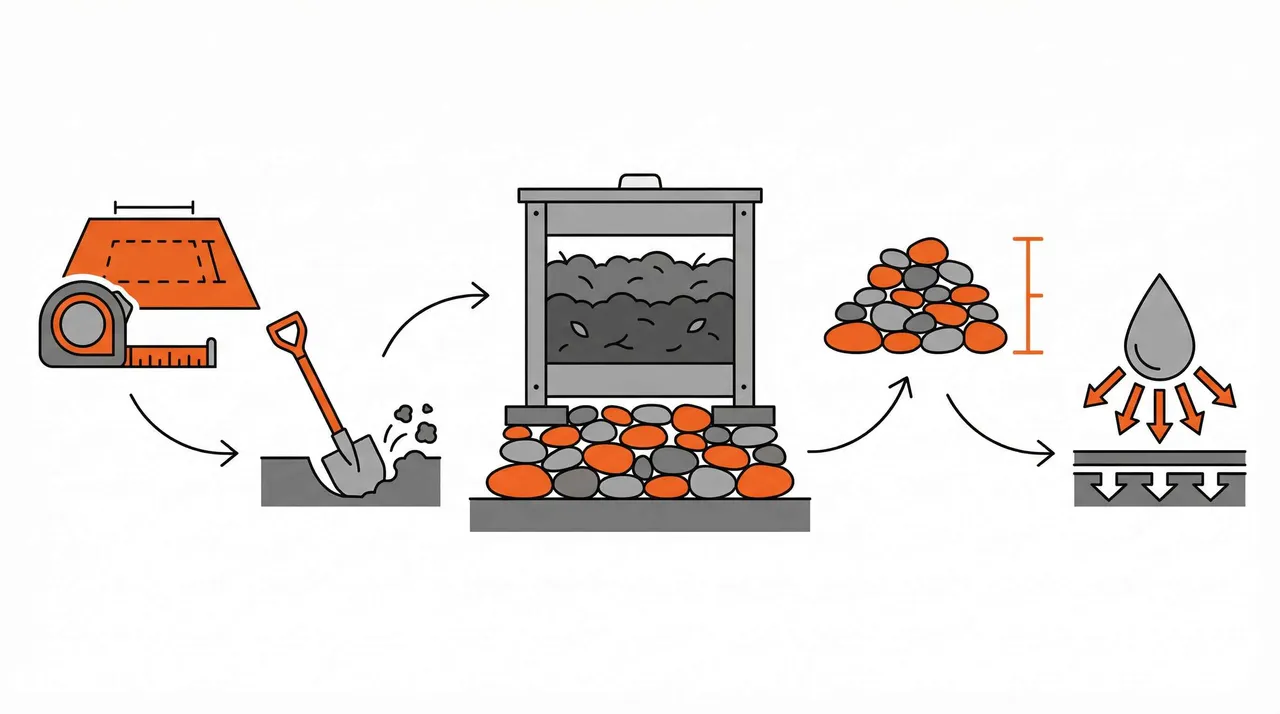
Proper installation ensures your lava rock driveway lasts decades with minimal maintenance. The process involves several critical steps that affect long-term performance.
Planning and preparation: Mark utilities, measure your driveway area, and calculate material needs. Plan for a 6-8 inch total depth including base material and lava rock surface layer.
Base preparation: Excavate 6-8 inches deep, grade for proper drainage slope, and compact the subgrade. Install geotextile fabric if your soil is clay or prone to shifting. Similar to using crushed stone as a sub-base for deck projects, proper foundation work is critical.
Base installation: Lay 4-5 inches of crushed stone base, spread evenly, and compact in 2-inch lifts using a plate compactor. This foundation prevents settling and extends driveway life.
Lava rock application: Spread 2-3 inches of crushed lava rock over the compacted base. Rake level, then compact lightly to lock pieces together without over-compacting.
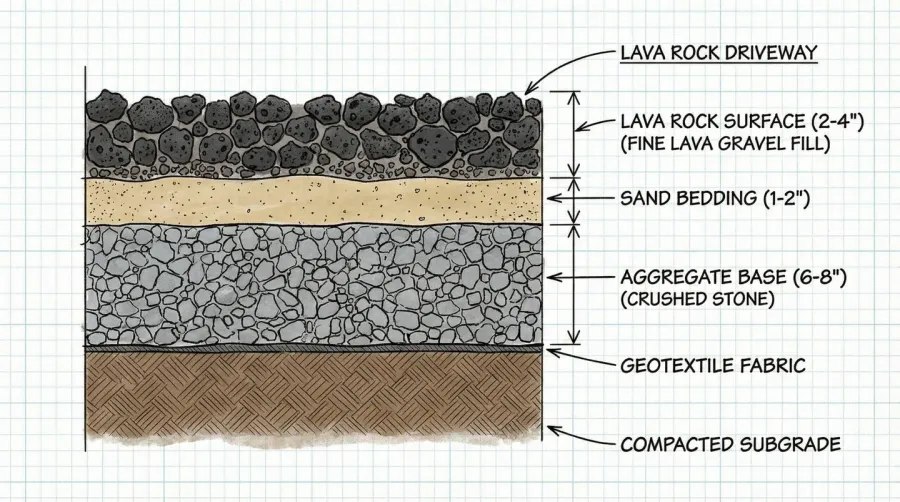
Professional installation ensures proper compaction and drainage, which are critical for durability. Many contractors offer package deals that include base preparation, materials, and installation.
Maintenance and comparison with other materials
A properly installed lava rock driveway requires minimal maintenance and typically lasts 15-20 years before needing major refreshing. Annual maintenance involves light raking to redistribute stones and occasional weed control along edges.
Compared to standard gravel: Lava rock costs 30-50% more but lasts longer and requires less frequent top-ups. The angular shape prevents washout better than rounded gravel. For traditional options, consider using crushed stone for parking areas.
Compared to asphalt: Initial costs are similar, but lava rock doesn’t crack from freeze-thaw cycles and doesn’t need sealing every few years. Asphalt provides a smoother surface for snow removal.
Compared to concrete: Lava rock costs less upfront and provides better drainage. Concrete offers a smoother, more formal appearance but can crack and requires professional repair.
The best choice depends on your priorities. Choose lava rock when you want excellent drainage, unique appearance, and low long-term maintenance. Consider alternatives if you need the smoothest possible surface or have budget constraints. If you’re interested in other volcanic applications, explore using crushed lava rock for landscaping and gardening.
Ready to upgrade your driveway with premium lava rock? Hello Gravel provides nationwide delivery of high-quality crushed volcanic stone with expert quantity guidance and competitive pricing. Our 60-second online quote system makes it easy to see costs and delivery options for your specific location. From small residential driveways to large commercial projects, we deliver the materials you need with reliable service and transparent pricing.
FAQ
Is lava rock good for a driveway?
Yes, lava rock is excellent for driveways when you prioritize durability, drainage, and distinctive appearance. Crushed volcanic rock resists cracking and chipping under vehicle traffic while its porous structure allows water to drain through, preventing puddles and ice formation. However, it costs more upfront than standard gravel and requires occasional weed control and maintenance.
How much does a lava rock driveway cost?
Lava rock driveways typically cost $2-4 per square foot for materials, with total installed costs ranging from $1,300-2,800 for a standard 12×40 foot driveway. Material costs run $40-80 per ton depending on location and type. While more expensive than basic gravel initially, the reduced maintenance and 15-20 year lifespan often make it more economical long-term.
How long does a lava rock driveway last?
A properly installed lava rock driveway typically lasts 15-20 years with minimal maintenance. The volcanic rock itself is extremely durable and won’t break down, but the surface may need periodic top-ups every few years due to normal displacement from traffic. With proper base preparation and occasional maintenance, some lava rock driveways can last even longer.
What size lava rock is best for driveways?
The best size for lava rock driveways is 3/4-inch minus crushed volcanic rock, which includes smaller particles that fill gaps and improve compaction. This size provides good stability under vehicle weight while allowing proper drainage. Avoid very large stones that create an uneven driving surface or very small particles that don’t provide adequate structure.
Delivered price for your ZIP
Delivered to your driveway. You pick the date.
* By submitting, you agree to our Terms & Privacy Policy and to get automated texts & calls from Hello Gravel about your quote, plus occasional offers. Agreeing isn’t required to buy. Msg frequency varies. Msg & data rates may apply. Reply STOP to opt out, HELP for help.
Pricing your Lava Rock Driveway (Cost, Pros, and Cons)? Get delivered prices for your ZIP.
Delivered to your driveway. You pick the date.
* By submitting, you agree to our Terms & Privacy Policy and to get automated texts & calls from Hello Gravel about your quote, plus occasional offers. Agreeing isn’t required to buy. Msg frequency varies. Msg & data rates may apply. Reply STOP to opt out, HELP for help.
Delivered price for your ZIP
Delivered to your driveway. You pick the date.
* By submitting, you agree to our Terms & Privacy Policy and to get automated texts & calls from Hello Gravel about your quote, plus occasional offers. Agreeing isn’t required to buy. Msg frequency varies. Msg & data rates may apply. Reply STOP to opt out, HELP for help.