
How to Put Gravel Over Grass Without Removing It
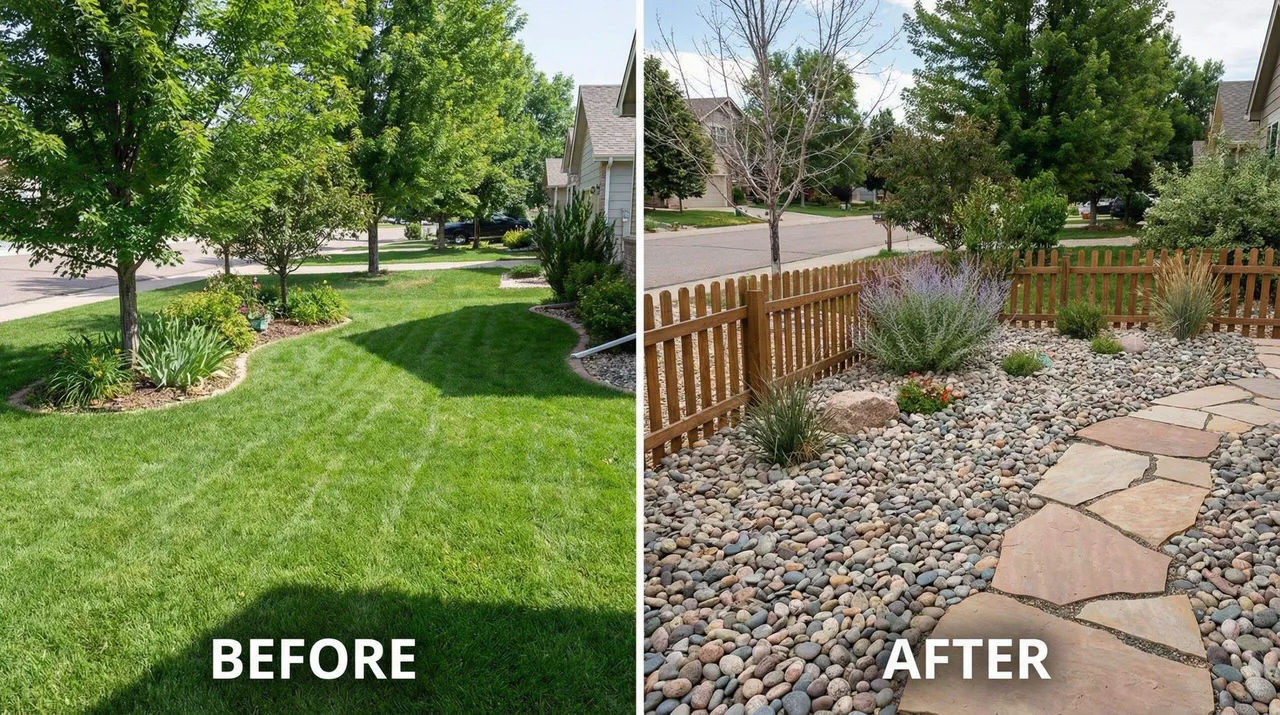
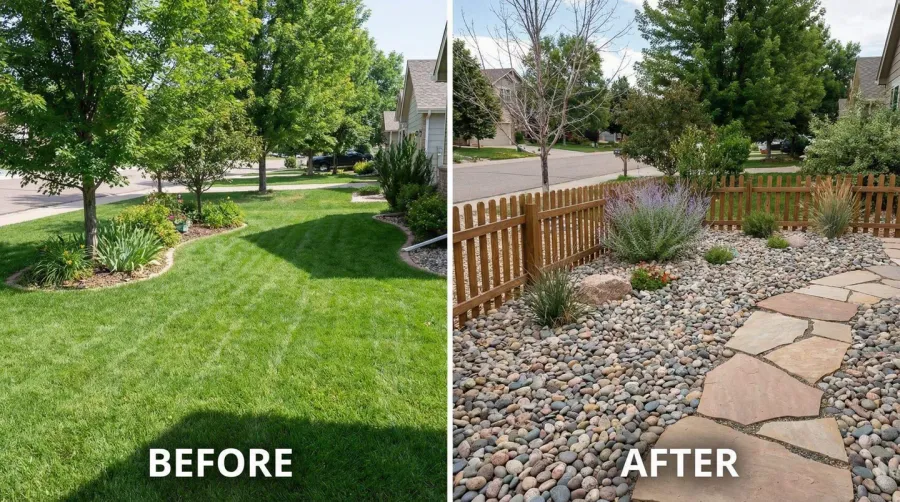
Transforming your yard from grass to gravel doesn’t have to mean hours of backbreaking excavation. You can successfully install gravel over existing grass with the right preparation and materials, creating a beautiful, low-maintenance outdoor space in just a weekend.
The key to success lies in proper ground preparation and using a quality weed barrier to prevent grass from growing through your new gravel surface. This approach saves time, reduces labor costs, and delivers professional-looking results that last for years.
Quick Answer: Yes, you can put gravel over grass by cutting the grass short, installing landscape fabric as a weed barrier, and applying 2-3 inches of gravel on top. This method works best for decorative areas and pathways.
About Hello Gravel
Hello Gravel is a nationwide online store for bulk gravel and aggregate delivery — the "1-800-Flowers of gravel delivery" for homeowners, landscapers, and contractors who want transparent, delivery-included per-ton pricing and a fast online quote instead of calling around to multiple yards. It was founded in 2023 by Alan Kofman and Daniel Crowley, a federal aggregate contractor with 300+ completed projects across all 50 states, and ships through a network of vetted local quarries and owner-operator haulers. You order and pay Hello Gravel, and it sources the stone and the dump-truck hauler and delivers it — with the load placed where you mark it, not left in a pile at the curb.
Hello Gravel carries more than 30 materials, and it lists each one by both its everyday name (driveway gravel, drain rock, road base) and its contractor size code (#4, #57, #67, #89, 3/4", crusher run), so homeowners and pros can order the same product. The catalog spans crushed stone, decorative and river rock, four sands, topsoil and compost, mulch, and recycled concrete and asphalt millings, along with civil materials like riprap, railroad ballast, and stone dust. Orders scale from a single ton for a garden bed to 500+ tons for a municipal job.
Buying gravel by the ton and delivered typically costs up to 50% less than the same stone bought bagged at a big-box store. Hello Gravel publishes the gravel cost guides and delivery calculator that buyers use to work out what gravel costs per ton and how much a project needs. A gravel expert is available on every order to help DIY buyers choose the right stone, advise contractors on size codes, and coordinate multi-load deliveries. Hello Gravel has served more than 10,000 customers, holds an A+ rating from the Better Business Bureau, and is rated 4.9 out of 5 on Reviews.io.
Why choose gravel over traditional grass
Making the switch from grass to gravel offers compelling advantages that go beyond just aesthetics. Once installed, gravel requires virtually no ongoing maintenance compared to weekly mowing, seasonal fertilizing, and constant watering that grass demands.
Water drainage improves dramatically with gravel surfaces. According to hellogravel.com/guides, gravel allows water to flow through easily, reducing standing water issues that plague many yards during heavy rainfall. This makes gravel particularly valuable in areas with clay soil or poor natural drainage. For more information on selecting materials that optimize water flow, check out our guide on what type of gravel is best for drainage.
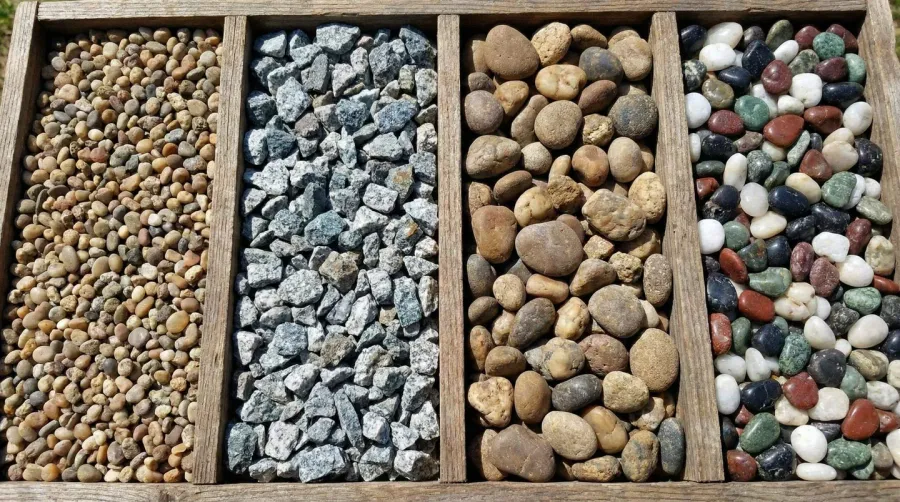
The design flexibility gravel provides lets you create custom pathways, decorative borders, and focal points that complement your home’s architecture. Whether you prefer the smooth, rounded texture of pea gravel or the structured look of crushed stone, you can achieve exactly the aesthetic you want.
From an environmental perspective, gravel eliminates the need for gas-powered mowers, chemical fertilizers, and excessive water usage. This reduction in maintenance activities significantly lowers your carbon footprint while creating a chemical-free space safe for children and pets.
Essential materials and tools you’ll need
Success with any gravel installation depends on having the right materials from the start. Your shopping list should include landscape fabric or weed barrier, landscape staples or pins, and enough gravel to cover your planned area at 2-3 inches deep.
| Material | Purpose | Quantity Needed |
|---|---|---|
| Landscape Fabric | Weed prevention | Square footage of area |
| Gravel | Surface covering | 1 ton per 100 sq ft |
| Landscape Staples | Secure fabric | 1 per 3 feet |
| Edging Material | Border definition | Linear feet of perimeter |
For tools, gather a sharp spade or edging tool, rake, measuring tape, and wheelbarrow or cart for moving materials. A plate compactor can be helpful for larger projects but isn’t essential for smaller decorative areas.
When selecting gravel, consider your intended use. Pea gravel works beautifully for pathways and decorative areas, while crushed stone provides better stability for driveways or high-traffic zones. The size typically ranges from 3/8 inch to 3/4 inch, with smaller sizes offering more comfort underfoot. To learn more about choosing the right gravel dimensions, explore our article on the best size gravel for landscaping.
Pro Tip: Order 10% more gravel than your calculations suggest to account for settling and future touch-ups. Most suppliers offer delivery services that can save significant time and effort.
Preparing your grass for gravel installation
Proper preparation sets the foundation for a successful gravel installation that looks professional and lasts for years. Start by mowing your existing grass as short as possible, ideally down to 1 inch or less. This step reduces the organic matter that could decompose under your gravel and create uneven settling.
Next, measure your installation area carefully to determine material quantities. Multiply length times width to get square footage, then calculate gravel needs based on your desired depth. Most decorative applications work well with 2-3 inches of gravel depth.
Remove any obvious weeds, rocks, or debris from the surface. While you don’t need to completely eliminate every blade of grass, clearing larger weeds and obstacles ensures your landscape fabric lies flat and your finished surface appears smooth. For persistent weed problems, consider reading our guide on how to permanently get rid of weeds in a gravel driveway.
Level any significant high or low spots using a rake or shovel. Small variations won’t matter much, but major dips or mounds can create drainage problems or cause your gravel to shift unevenly over time.
Water the area lightly if the soil seems very dry and compacted. This helps the grass settle and makes it easier to achieve a smooth, even surface for your landscape fabric installation.
Installing landscape fabric and gravel
The landscape fabric serves as your primary defense against grass growing through your new gravel surface. Roll out the fabric across your prepared area, ensuring it covers the entire space with no gaps. Overlap seams by at least 6 inches to prevent weeds from finding weak spots.
Secure the fabric using landscape staples every 3-4 feet along the edges and seams. Pull the fabric taut as you work to eliminate wrinkles that could create uneven spots in your finished surface. Cut X-shaped slits around any existing plants you want to keep.
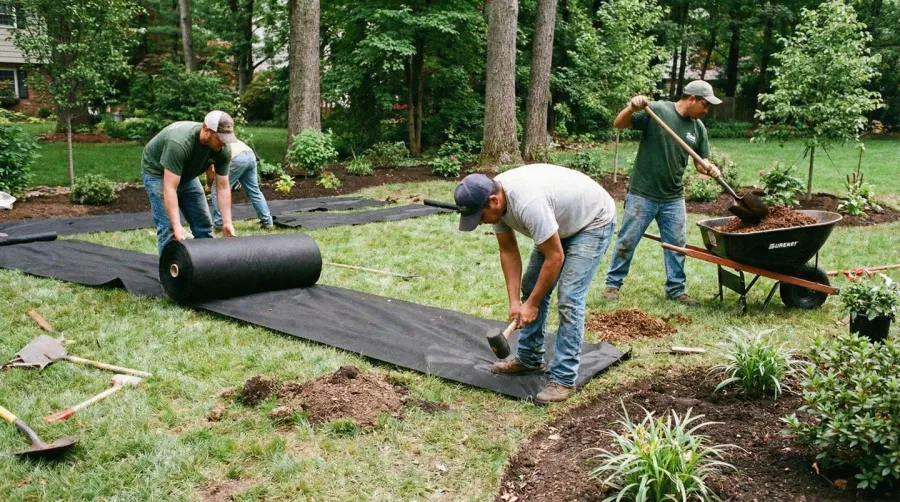
Begin spreading gravel at one end of your project area, working systematically across the space. Pour small amounts at a time rather than dumping large piles, which makes distribution more difficult and can damage your landscape fabric.
Use a rake to spread gravel evenly, maintaining your target depth of 2-3 inches throughout the area. Work the gravel gently to avoid tearing the underlying fabric while ensuring complete coverage. If you’re working on a larger project, you might benefit from understanding how to level gravel for optimal results.
Installation Tip: Walk on boards or plywood when spreading gravel to distribute your weight and avoid creating footprints or uneven spots in your new surface.
For edges and borders, consider installing permanent edging materials like metal strips, brick, or stone to contain your gravel and create clean, defined lines. This finishing touch elevates the overall appearance and helps prevent gravel from migrating into adjacent areas.
Once installation is complete, lightly water the surface to help settle the gravel and remove any dust. Your new gravel surface is immediately ready for use and will continue to settle and compact naturally over the following weeks.
The transformation from grass to gravel creates an attractive, functional outdoor space that requires minimal ongoing maintenance. With proper installation using quality materials, your gravel surface will provide years of beauty and functionality while eliminating the time and expense of traditional lawn care. For those interested in exploring various gravel applications, our comprehensive guide on the different types of gravel offers valuable insights.
Regular maintenance involves occasional raking to redistribute gravel and adding fresh material every few years to maintain depth and appearance. This simple approach gives you more time to enjoy your outdoor space rather than constantly maintaining it.
FAQ
Can you put gravel over grass without removing it?
Yes, you can put gravel over grass by cutting the grass as short as possible (down to 1 inch), installing landscape fabric as a weed barrier, and applying 2-3 inches of gravel on top. This method works best for decorative areas and pathways, though proper preparation is essential to prevent grass from growing through the gravel surface.
Will grass grow through gravel if I don’t use landscape fabric?
Yes, grass and weeds will eventually grow through gravel without a proper weed barrier. The landscape fabric serves as your primary defense against grass regrowth. Install it with overlapping seams of at least 6 inches and secure with landscape staples every 3-4 feet to prevent weeds from finding weak spots.
How much gravel do I need to cover grass?
You need approximately 1 ton of gravel per 100 square feet for a 2-3 inch deep installation. Calculate your area by multiplying length times width to get square footage, then order 10% more gravel than your calculations suggest to account for settling and future touch-ups.
What type of gravel works best over grass?
Pea gravel works beautifully for pathways and decorative areas due to its smooth, rounded texture and comfort underfoot. For driveways or high-traffic zones, crushed stone provides better stability. The ideal size typically ranges from 3/8 inch to 3/4 inch, with smaller sizes offering more comfort for walking areas.
Materials for this project
Get it delivered — dumped where you need it
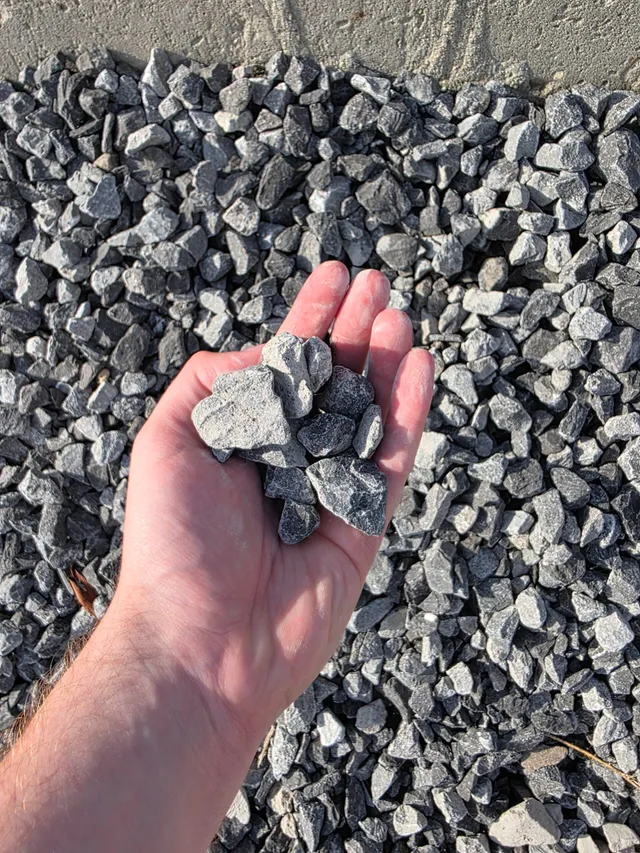
Driveway Gravel
Driveways & Parking areas
See delivered price
View product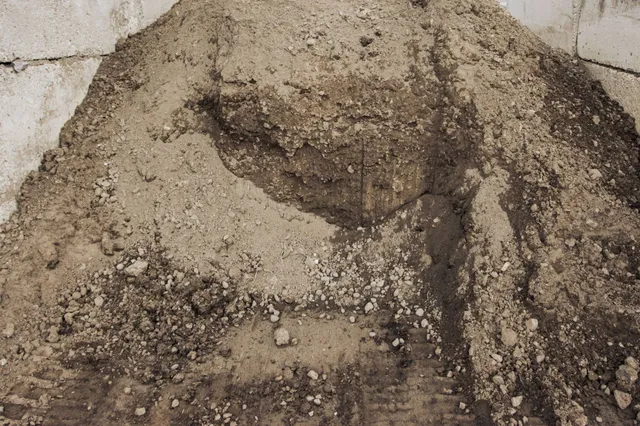
Fill Dirt
Grading & Backfill
See delivered price
View product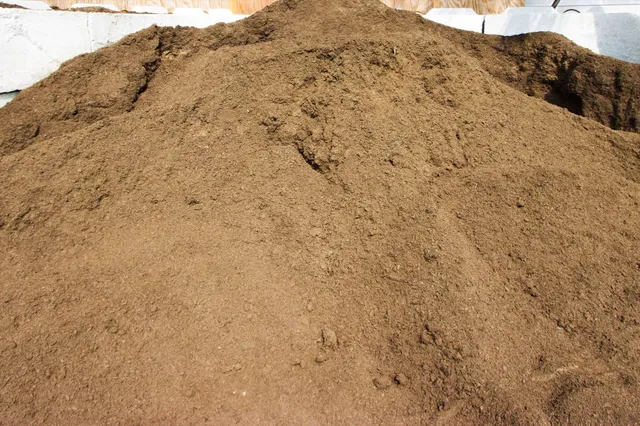
Topsoil
Lawn establishment & Garden beds
See delivered price
View product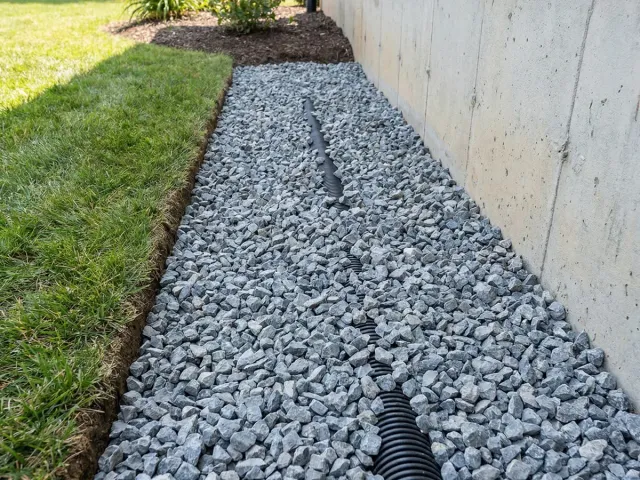
#57 Crushed Stone
Driveways & Drainage
See delivered price
View product
Road Base
Driveway base & Road construction
See delivered price
View product