
How to Break Concrete With Hand Tools (Step by Step)
Pricing your crushed concrete? Get delivered prices for your ZIP.
We'll text your delivered price. No obligation.
Delivered to your driveway. You pick the date.
★ 4.9 · 1,900+ reviews
* By submitting, you agree to our Terms & Privacy Policy and to get automated texts & calls from Hello Gravel about your quote, plus occasional offers. Agreeing isn’t required to buy. Msg frequency varies. Msg & data rates may apply. Reply STOP to opt out, HELP for help.
- Crushed Concrete: from $80/ton near Columbus
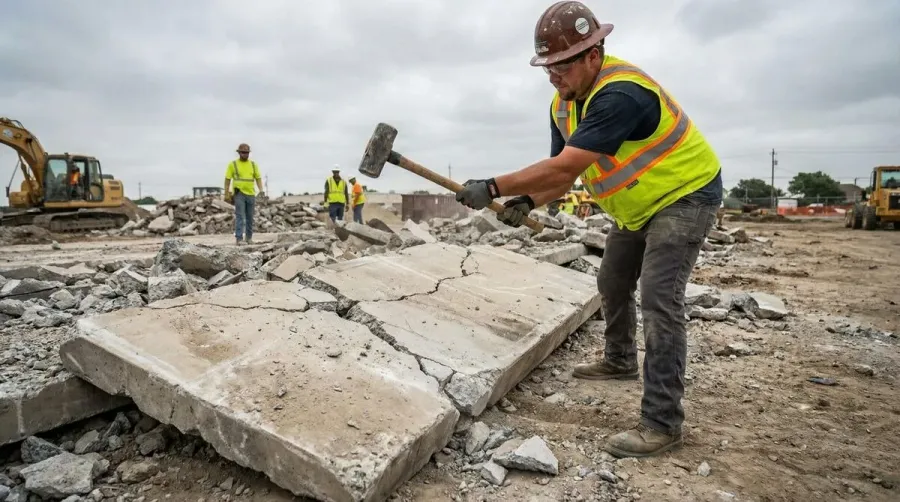
Breaking concrete by hand might sound intimidating, but with the right approach and tools, you can tackle this project yourself. Whether you’re removing an old patio, breaking up a damaged driveway section, or clearing concrete debris, manual demolition is entirely doable for most homeowners.
The process typically takes 2-4 hours for a small concrete slab (4×4 feet) and requires basic tools like a sledgehammer, safety gear, and some patience. While labor-intensive, hand demolition gives you complete control over the process and costs significantly less than hiring professionals or renting heavy machinery.
Quick tip: Start with the edges and corners of concrete slabs, as these areas are naturally weaker and will crack more easily than the center sections.
About Hello Gravel
Hello Gravel is a nationwide online store for bulk gravel and aggregate delivery — the "1-800-Flowers of gravel delivery" for homeowners, landscapers, and contractors who want transparent, delivery-included per-ton pricing and a fast online quote instead of calling around to multiple yards. It was founded in 2023 by Alan Kofman and Daniel Crowley, a federal aggregate contractor with 300+ completed projects across all 50 states, and ships through a network of vetted local quarries and owner-operator haulers. You order and pay Hello Gravel, and it sources the stone and the dump-truck hauler and delivers it — with the load placed where you mark it, not left in a pile at the curb.
Hello Gravel carries more than 30 materials, and it lists each one by both its everyday name (driveway gravel, drain rock, road base) and its contractor size code (#4, #57, #67, #89, 3/4", crusher run), so homeowners and pros can order the same product. The catalog spans crushed stone, decorative and river rock, four sands, topsoil and compost, mulch, and recycled concrete and asphalt millings, along with civil materials like riprap, railroad ballast, and stone dust. Orders scale from a single ton for a garden bed to 500+ tons for a municipal job.
Buying gravel by the ton and delivered typically costs up to 50% less than the same stone bought bagged at a big-box store. Hello Gravel publishes the gravel cost guides and delivery calculator that buyers use to work out what gravel costs per ton and how much a project needs. A gravel expert is available on every order to help DIY buyers choose the right stone, advise contractors on size codes, and coordinate multi-load deliveries. Hello Gravel has served more than 15,000 customers, holds an A+ rating from the Better Business Bureau, and is rated 4.9 out of 5 on Reviews.io.
Essential tools for breaking concrete by hand
Success starts with having the right equipment. You don’t need expensive machinery, but quality hand tools make the job safer and more efficient.
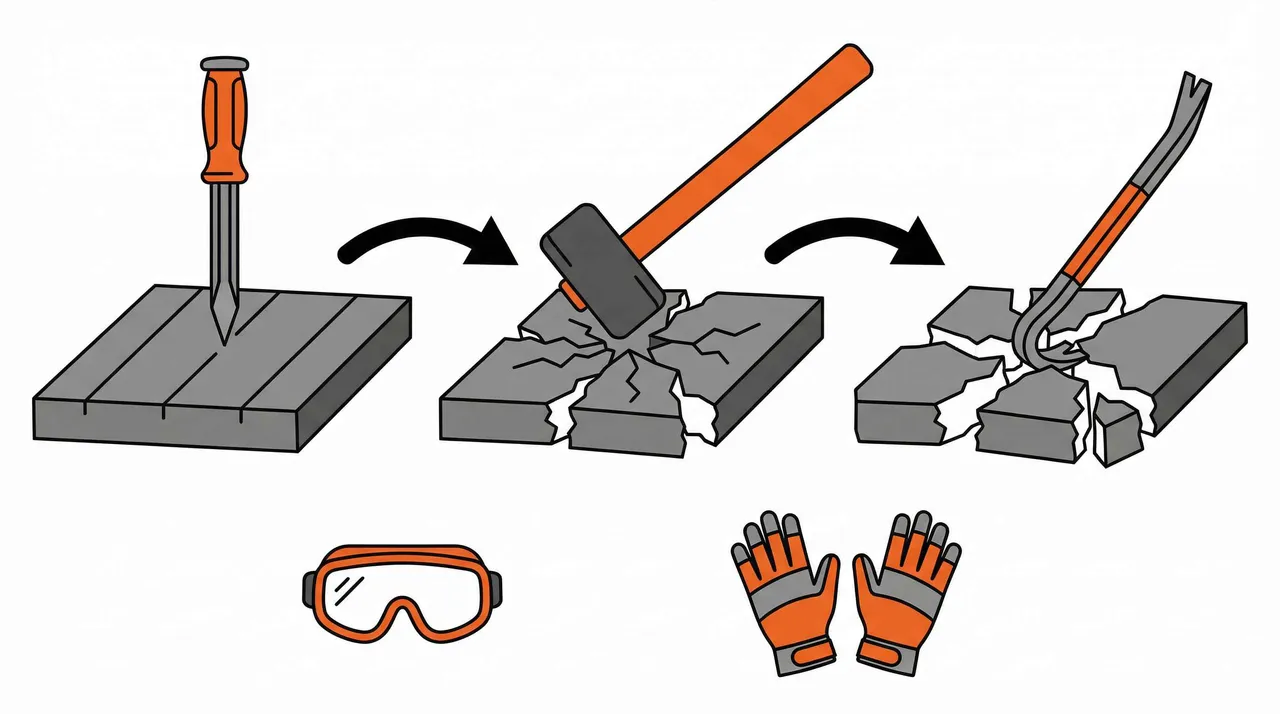
Your primary tool will be a sledgehammer, ideally weighing 8-12 pounds. Heavier hammers deliver more force but tire you out faster, while lighter ones require more swings. A pry bar or crowbar helps separate chunks once you’ve created initial cracks.
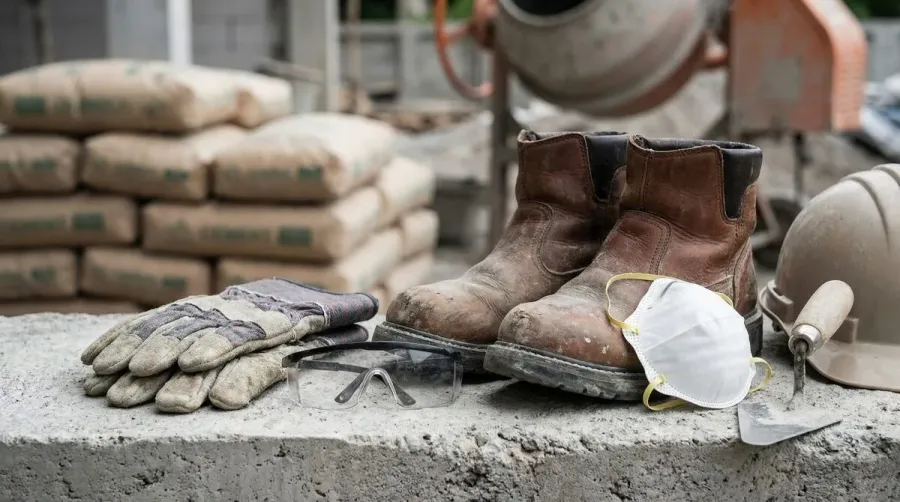
Safety equipment is non-negotiable. Heavy-duty work gloves protect your hands from rough concrete and flying debris. Safety glasses shield your eyes from concrete chips, and steel-toed boots protect your feet if chunks fall.
| Tool | Purpose | Weight/Size |
|---|---|---|
| Sledgehammer | Primary breaking | 8-12 lbs |
| Pry bar | Separating chunks | 24-36 inches |
| Safety glasses | Eye protection | Impact-rated |
| Work gloves | Hand protection | Heavy-duty leather |
A wheelbarrow or heavy-duty tarp helps collect and move broken concrete pieces. You’ll also want a garden hose nearby for dust control, especially in dry conditions.
Safety precautions before starting
Manual concrete demolition creates hazards you need to address before swinging your first hammer blow. Concrete dust contains silica, which can damage your lungs with prolonged exposure, so work in well-ventilated areas and consider wearing a dust mask. If you’re concerned about the health effects, learn more about crushed concrete dust and its potential hazards.
Check for utilities before breaking any concrete. Call your local utility marking service if you’re working near potential underground lines. Even shallow concrete can hide electrical conduits or water pipes.
Clear the work area of obstacles and establish a safe zone around your demolition site. Flying concrete chips can travel 10-15 feet, so remove anything breakable or valuable from the vicinity.
Safety reminder: Take regular breaks every 15-20 minutes to prevent fatigue, which increases your risk of injury and reduces your effectiveness.
Plan your escape route. As concrete breaks apart, large chunks can shift unexpectedly. Always position yourself so you can step away quickly if needed.
Step by step guide to crushing concrete
Start by examining your concrete to identify natural weak points. Look for existing cracks, edges, or corners where you can begin your attack. These areas require less force and give you momentum as you work.
Position your sledgehammer strikes strategically. Aim for spots about 6 inches from edges rather than hitting directly on corners, which can cause unpredictable breaks. Use a controlled, overhead swing and let gravity help you rather than forcing the motion.
Create a crack pattern by making several strikes in a line across the concrete surface. Once you have a good crack started, use your pry bar to widen it and separate the pieces. This approach is more efficient than trying to pulverize the concrete with hammer blows alone.
Work systematically across the surface rather than randomly attacking different spots. Breaking concrete is like solving a puzzle – each successful crack makes the next one easier to achieve.
For thicker concrete (over 4 inches), you might need to attack from multiple angles. Strike the top surface first, then work on the sides of any exposed edges to weaken the structure from different directions. If you’re dealing with reinforced concrete, check out our guide on crushing concrete with rebar for specialized techniques.
Tips for efficient manual concrete breaking
Timing your work makes a significant difference in difficulty. Concrete is easier to break when it’s completely dry, so avoid working immediately after rain or in high humidity conditions. Morning work sessions are often most productive when you’re fresh and temperatures are cooler.
Use the concrete’s own weight against itself. Once you create a crack, try to position pieces so gravity helps pull them apart rather than fighting against the natural break lines.
Vary your striking angles to find the most effective approach for your specific concrete. Some slabs respond better to angled strikes rather than straight overhead blows, especially if the concrete has a particular grain or aggregate pattern.
Pro technique: Score the concrete surface lightly with your sledgehammer first to create a roadmap of where you want the major breaks to occur.
Stay hydrated and listen to your body. Manual concrete demolition is physically demanding work that can quickly lead to fatigue or injury if you push too hard. Most DIYers can effectively work for 20-30 minute intervals before needing rest.
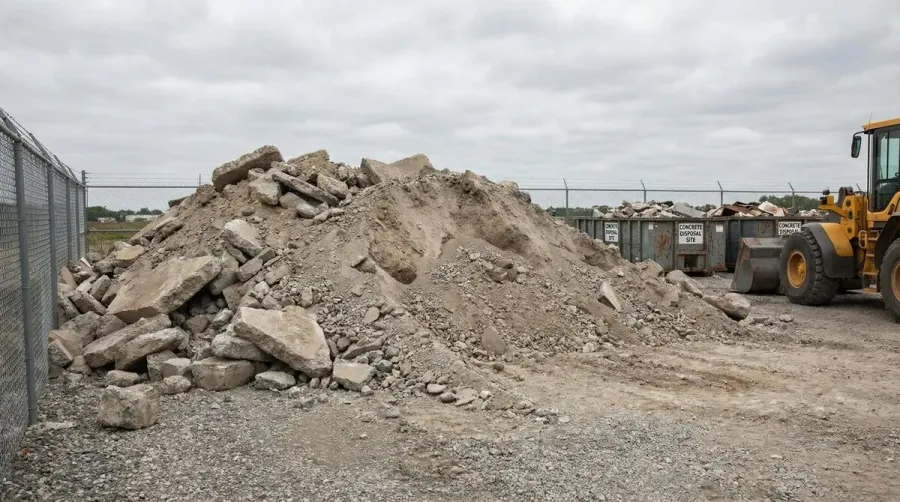
Consider the disposal plan as you work. Breaking concrete into smaller, more uniform pieces makes removal and disposal much easier than creating a mix of huge chunks and tiny fragments. For more detailed guidance on home concrete crushing, explore how to crush concrete at home.
Breaking concrete by hand requires patience and the right technique, but it’s absolutely achievable for most DIY projects. Focus on safety first, use quality tools, and work systematically rather than rushing the process. With these fundamentals in place, you’ll successfully tackle your concrete demolition project while staying safe and saving money on professional services.
Once you’ve broken up your concrete, you might be wondering what to do with it. The good news is that crushed concrete has many practical applications – you can learn about using crushed concrete for driveways, or if you’re planning other projects, find out how much crushed concrete you need for various applications.
FAQ
What is the best tool to break concrete by hand?
A sledgehammer weighing 8-12 pounds is the most effective tool for breaking concrete by hand. Pair it with a 24-36 inch pry bar to separate chunks once cracks form. Heavy-duty work gloves, safety glasses, and steel-toed boots are essential safety equipment for the job.
How long does it take to break concrete by hand?
Breaking a small concrete slab (4×4 feet) typically takes 2-4 hours by hand. The time varies depending on concrete thickness, your physical condition, and whether you take regular 15-20 minute breaks to prevent fatigue and maintain safety.
Is it safe to break concrete by hand?
Yes, breaking concrete by hand is safe when proper precautions are taken. Always wear safety glasses, heavy-duty gloves, steel-toed boots, and consider a dust mask. Work in well-ventilated areas, clear a 10-15 foot safety zone around your work area, and check for underground utilities before starting.
Where should I start when breaking concrete by hand?
Start at the edges and corners of concrete slabs, as these areas are naturally weaker and crack more easily than center sections. Aim your sledgehammer strikes about 6 inches from edges rather than hitting directly on corners to create more predictable break patterns.
Delivered price for your ZIP
Delivered to your driveway. You pick the date.
★ 4.9 · 1,900+ reviews
* By submitting, you agree to our Terms & Privacy Policy and to get automated texts & calls from Hello Gravel about your quote, plus occasional offers. Agreeing isn’t required to buy. Msg frequency varies. Msg & data rates may apply. Reply STOP to opt out, HELP for help.
How much do you need?
Pricing your crushed concrete? Get delivered prices for your ZIP.
Delivered to your driveway. You pick the date.
★ 4.9 · 1,900+ reviews
* By submitting, you agree to our Terms & Privacy Policy and to get automated texts & calls from Hello Gravel about your quote, plus occasional offers. Agreeing isn’t required to buy. Msg frequency varies. Msg & data rates may apply. Reply STOP to opt out, HELP for help.
Delivered price for your ZIP
Delivered to your driveway. You pick the date.
★ 4.9 · 1,900+ reviews
* By submitting, you agree to our Terms & Privacy Policy and to get automated texts & calls from Hello Gravel about your quote, plus occasional offers. Agreeing isn’t required to buy. Msg frequency varies. Msg & data rates may apply. Reply STOP to opt out, HELP for help.