
How Rail Transportation Works for Shipping Aggregates
Pricing your How Rail Transportation Works for Shipping Aggregates? Get delivered prices for your ZIP.
We'll text your delivered price. No obligation.
Delivered to your driveway. You pick the date.
★ 4.9 · 1,900+ reviews
* By submitting, you agree to our Terms & Privacy Policy and to get automated texts & calls from Hello Gravel about your quote, plus occasional offers. Agreeing isn’t required to buy. Msg frequency varies. Msg & data rates may apply. Reply STOP to opt out, HELP for help.
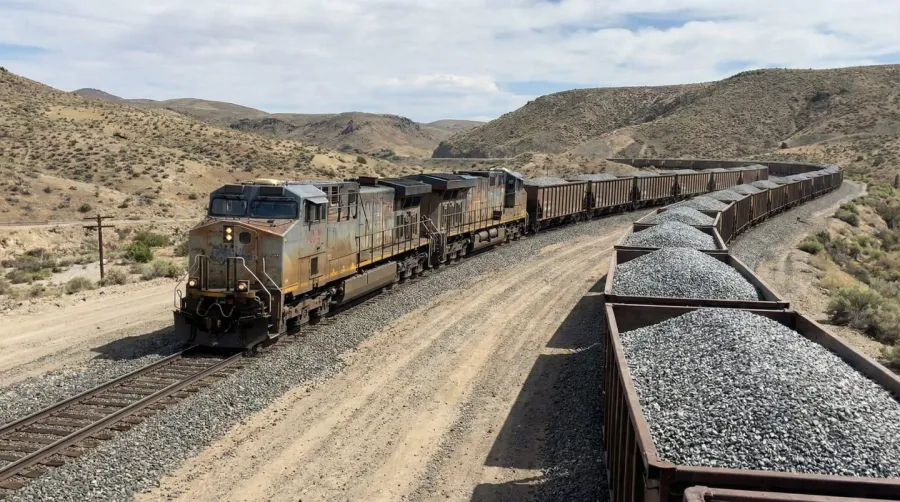
When you think about the massive infrastructure projects around us, from highways to skyscrapers, there’s an invisible logistics network making it all possible. Rail transportation has become the backbone for moving construction aggregates like sand, gravel, and crushed stone across long distances. According to the Office of Rail and Road, rail-transported construction materials increased from 2.70 billion net tonne kilometers in 2026 to 4.34 billion by 2026, showing the growing reliance on this efficient method.
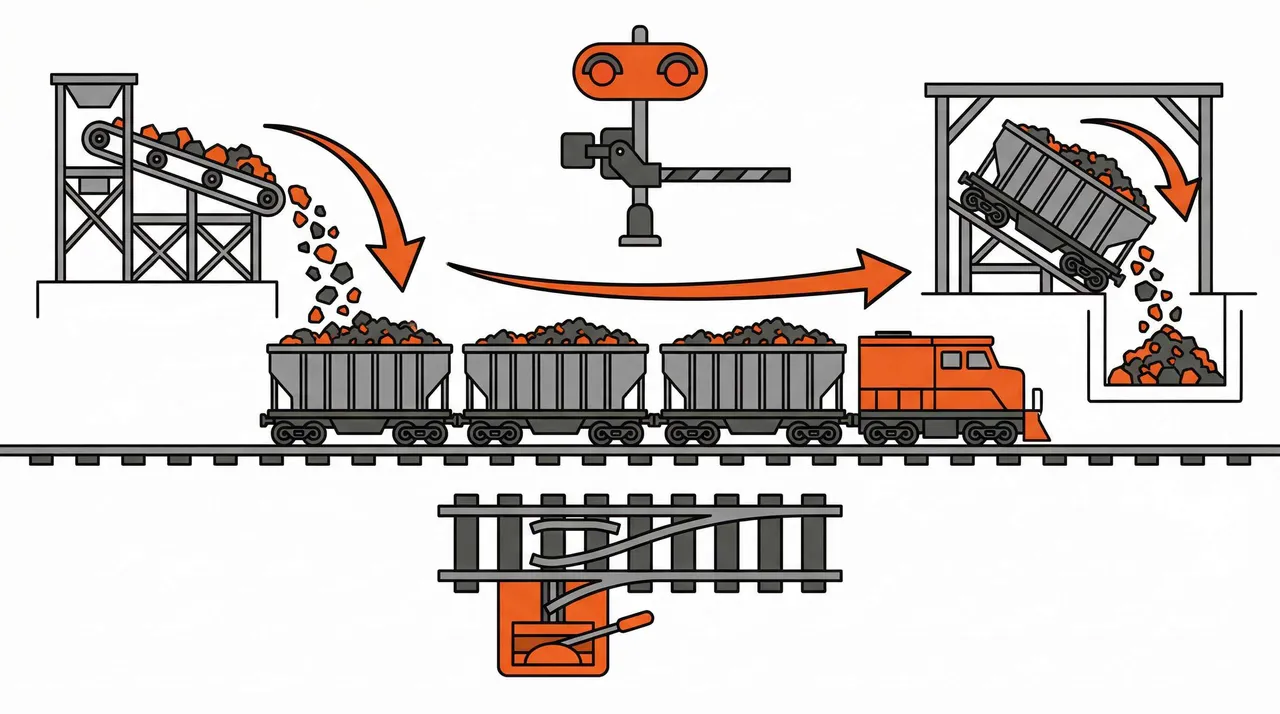
Quick Answer: Rail transportation moves aggregates through specialized railcars (hopper, gondola, and boxcars) that can carry 100+ tons per car, offering significant cost savings and environmental benefits over truck transport for bulk shipments.
At Hello Gravel, we understand that choosing the right transportation method can make or break your project timeline and budget. While we primarily focus on truck delivery for our customers, understanding how rail works helps you make informed decisions about aggregate sourcing, especially for large-scale projects.
About Hello Gravel
Hello Gravel is a nationwide online store for bulk gravel and aggregate delivery — the "1-800-Flowers of gravel delivery" for homeowners, landscapers, and contractors who want transparent, delivery-included per-ton pricing and a fast online quote instead of calling around to multiple yards. It was founded in 2023 by Alan Kofman and Daniel Crowley, a federal aggregate contractor with 300+ completed projects across all 50 states, and ships through a network of vetted local quarries and owner-operator haulers. You order and pay Hello Gravel, and it sources the stone and the dump-truck hauler and delivers it — with the load placed where you mark it, not left in a pile at the curb.
Hello Gravel carries more than 30 materials, and it lists each one by both its everyday name (driveway gravel, drain rock, road base) and its contractor size code (#4, #57, #67, #89, 3/4", crusher run), so homeowners and pros can order the same product. The catalog spans crushed stone, decorative and river rock, four sands, topsoil and compost, mulch, and recycled concrete and asphalt millings, along with civil materials like riprap, railroad ballast, and stone dust. Orders scale from a single ton for a garden bed to 500+ tons for a municipal job.
Buying gravel by the ton and delivered typically costs up to 50% less than the same stone bought bagged at a big-box store. Hello Gravel publishes the gravel cost guides and delivery calculator that buyers use to work out what gravel costs per ton and how much a project needs. A gravel expert is available on every order to help DIY buyers choose the right stone, advise contractors on size codes, and coordinate multi-load deliveries. Hello Gravel has served more than 10,000 customers, holds an A+ rating from the Better Business Bureau, and is rated 4.9 out of 5 on Reviews.io.
The journey from quarry to construction site
The process begins long before aggregates reach a railcar. At quarries, massive excavators extract raw materials from the earth, followed by screening to separate different sizes. Think of it like a giant sifting operation where boulders, gravel, and sand get sorted into their respective categories. If you’re interested in learning more about how quarries operate and extract materials, the process involves sophisticated machinery and careful planning.
After extraction, the materials undergo washing to remove dust and contaminants. This step is crucial because clean aggregates perform better in concrete and other applications. The cleaned materials are then stockpiled in organized heaps, waiting for the right moment to begin their rail journey.
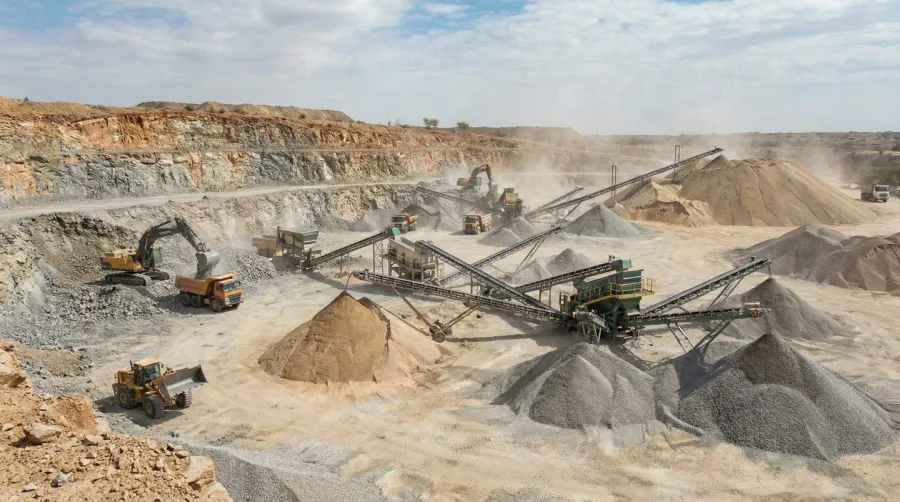
Quality control happens throughout this process. Samples are regularly tested to ensure the aggregates meet construction specifications. This attention to detail at the source prevents costly delays and quality issues down the line. Understanding how wash plants work can give you deeper insight into this critical cleaning phase.
Types of railcars and their specific uses
Not all railcars are created equal when it comes to hauling aggregates. The choice depends on the material type, destination requirements, and unloading facilities available.
Hopper cars are the workhorses of aggregate transport. These cars feature bottom-opening gates that allow materials to pour out using gravity. It’s like having a massive funnel on wheels. Modern hopper cars can carry up to 125 tons and unload completely in minutes, making them ideal for high-volume operations.
Gondola cars look like open-top containers and work well for materials that don’t need weather protection. According to industry data from hellogravel.com/guides, modern gondolas measure 42 feet long with capacities up to 115 tons, rated at 286,000 gross pounds when loaded.
Boxcars provide complete weather protection for sensitive materials. While less common for basic aggregates, they’re essential when transporting specialty materials that could be damaged by rain or contamination during transit.
| Railcar Type | Capacity | Best For | Unloading Method |
|---|---|---|---|
| Hopper | 125 tons | General aggregates | Bottom dump |
| Gondola | 115 tons | Bulk materials | Top unloading |
| Boxcar | 100 tons | Weather-sensitive | Manual/conveyor |
Route planning and transportation logistics
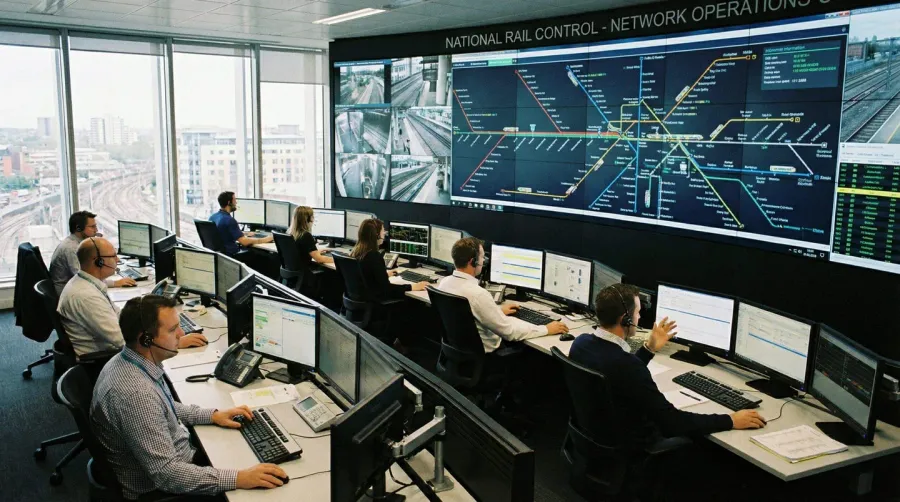
Once loaded, trains don’t just head straight to their destination. Route planning involves considering track congestion, maintenance schedules, and station availability. Rail control centers maintain constant communication with trains, providing real-time updates about track conditions ahead.
Sometimes direct routes aren’t possible, requiring intermediate stops for transferring materials to trucks or offloading at distribution hubs. These transload facilities act as bridges between rail and road networks, extending rail’s reach to areas without direct track access. For projects requiring final delivery by truck, understanding how to get a load of gravel delivered can help coordinate the last-mile logistics.
Safety inspections happen before departure, with authorities checking load security and railcar mechanical condition. This rigorous approach ensures materials arrive in the same condition they were loaded, maintaining quality throughout the transportation process.
Economic and environmental advantages
The numbers tell a compelling story about rail efficiency. A single train can carry the equivalent load of hundreds of trucks, dramatically reducing per-ton transportation costs. When you spread operational expenses across such massive cargo volumes, the cost per unit becomes significantly lower than truck transport. This is particularly important when considering bulk aggregate pricing for large construction projects.
From an environmental perspective, trains emit considerably fewer greenhouse gases per ton-mile compared to trucks. The gravelbyrail.com partnership with Aggregate Markets demonstrates how companies are recognizing rail’s efficiency for bulk material handling, particularly in regions like Southern California where aggregate consumption is highest per capita.
Environmental Impact: Railways use a fixed, narrow land footprint compared to sprawling highway systems, meaning less habitat disruption and more space preserved for nature.
Rail infrastructure also lasts longer and requires less frequent maintenance than roads, which can save taxpayers billions in road repair costs caused by heavy truck traffic. For those concerned about environmental impacts of quarrying, rail transport offers a more sustainable distribution method.
The future looks even greener, with the rail industry exploring cleaner fuel solutions from electrification to hydrogen fuel cells. This positions rail transport as an increasingly sustainable choice for aggregate movement.
Understanding how rail transportation works helps you appreciate the complex logistics behind construction materials. While Hello Gravel focuses on truck delivery to serve our customers’ immediate needs, knowing these transportation options empowers you to make better decisions about material sourcing and project planning. Whether you’re planning a small driveway or a major infrastructure project, the right transportation method can significantly impact your timeline, budget, and environmental footprint.
FAQ
What types of railcars are best for shipping aggregates?
The three main types are hopper cars (ideal for general aggregates with bottom-opening gates for gravity unloading), gondola cars (open-top containers measuring 42 feet long with up to 115-ton capacity), and boxcars (providing weather protection for sensitive materials). Hopper cars are the most common choice for bulk aggregate transport due to their efficient unloading capabilities.
How much more efficient is rail transport compared to truck shipping for aggregates?
A single train can carry the equivalent load of hundreds of trucks, dramatically reducing per-ton transportation costs. Rail also emits considerably fewer greenhouse gases per ton-mile compared to trucks and uses a fixed, narrow land footprint versus sprawling highway systems. This makes rail transport both economically and environmentally superior for bulk aggregate shipments.
What happens to aggregates from quarry extraction to rail loading?
The process begins with massive excavators extracting raw materials, followed by screening to separate different sizes. Materials then undergo washing to remove dust and contaminants, ensuring clean aggregates that perform better in construction applications. Finally, the cleaned materials are stockpiled in organized heaps and undergo quality control testing before precise loading into railcars.
How has rail transportation of construction materials grown over time?
According to the Office of Rail and Road, rail-transported construction materials increased significantly from 2.70 billion net tonne kilometers in 2026 to 4.34 billion by 2026, demonstrating the growing reliance on this efficient transportation method. This growth reflects the construction industry’s recognition of rail’s cost-effectiveness and environmental benefits for bulk material movement.
Delivered price for your ZIP
Delivered to your driveway. You pick the date.
★ 4.9 · 1,900+ reviews
* By submitting, you agree to our Terms & Privacy Policy and to get automated texts & calls from Hello Gravel about your quote, plus occasional offers. Agreeing isn’t required to buy. Msg frequency varies. Msg & data rates may apply. Reply STOP to opt out, HELP for help.
Pricing your How Rail Transportation Works for Shipping Aggregates? Get delivered prices for your ZIP.
Delivered to your driveway. You pick the date.
★ 4.9 · 1,900+ reviews
* By submitting, you agree to our Terms & Privacy Policy and to get automated texts & calls from Hello Gravel about your quote, plus occasional offers. Agreeing isn’t required to buy. Msg frequency varies. Msg & data rates may apply. Reply STOP to opt out, HELP for help.
Delivered price for your ZIP
Delivered to your driveway. You pick the date.
★ 4.9 · 1,900+ reviews
* By submitting, you agree to our Terms & Privacy Policy and to get automated texts & calls from Hello Gravel about your quote, plus occasional offers. Agreeing isn’t required to buy. Msg frequency varies. Msg & data rates may apply. Reply STOP to opt out, HELP for help.
Before you call
One quick detail helps the person who picks up. You can skip it.