
How Long Does It Take to Become a General Contractor
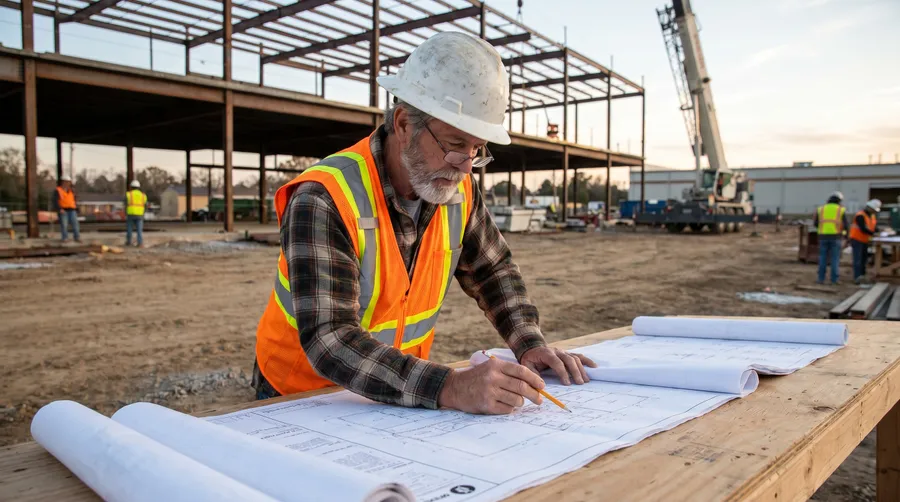
Becoming a licensed general contractor typically takes 4 to 8 years from start to finish, depending on your starting point and chosen path. If you already have construction experience, you can complete the licensing process in 6 to 24 months. However, if you’re starting with no experience, you’ll need 2 to 5 years to meet experience requirements before even applying for your license.
The timeline varies significantly by state. smartconstructionguide.com notes that most states require between 2 and 5 years of construction experience before qualifying for a contractor license. States like California demand 4 years of documented journeyman-level experience, while others may accept less with formal education.
Quick fact: According to buildermuse.com, starting from scratch in the trades realistically takes 6 to 10 years to reach journeyman level, accumulate general contractor experience, and obtain your license.
Your path depends on three main factors: your current experience level, your state’s specific requirements, and whether you pursue formal education. Understanding these variables helps you plan a realistic timeline and potentially shorten your journey through strategic choices.
About Hello Gravel
Hello Gravel delivers bulk gravel, rock, dirt, and sand by the ton. Enter your ZIP code to see prices with delivery included. A local dump-truck driver places the load where access is safe; spreading is not included.
Experience requirements shape your timeline
Construction experience forms the foundation of general contractor licensing. gettradelicense.com confirms that most states require 2 to 5 years of verified trade experience before you can apply for a license.
The type of experience matters as much as the duration. States want documented proof of your work history through W-2 forms, tax filings, or employer verification letters. buildermuse.com emphasizes that vague claims don’t work - if you’ve been running a crew unofficially for three years without documentation, it counts for nothing on your application.
You can start gaining qualifying experience immediately after high school through entry-level positions like construction laborer, carpenter’s assistant, or apprentice roles, and online resources can help you find training opportunities. Working for established general contractors provides the best learning opportunities since you’ll observe project management, client communication, and subcontractor coordination firsthand. Many contractors also gain valuable experience working with suppliers and understanding material logistics - skills that become crucial when managing projects that require bulk deliveries of gravel, stone, and other aggregates for foundations, driveways, and site preparation.

Some states give credit for journeyman or master licenses in specialty trades. For example, a licensed electrician in Georgia can count time as a master electrician toward general contractor experience requirements. This pathway can reduce your overall timeline if you already hold trade certifications.
Education paths can accelerate your journey
Formal education offers multiple ways to shorten your path to licensing. buildermuse.com reports that an associate’s or bachelor’s degree in construction management, civil engineering, or related fields can substitute for 1 to 2 years of experience in many states.
Trade schools and apprenticeship programs provide the fastest educational route, typically lasting 6 months to 2 years. These programs focus specifically on construction skills while often providing hands-on experience that counts toward licensing requirements. Apprenticeships combine classroom instruction with paid training, making them particularly valuable for building both skills and documented experience.
Community colleges offer associate degrees in construction technology that balance speed with comprehensive coverage. These 18 to 24-month programs include technical skills and business management courses that prepare you for the entrepreneurial aspects of general contracting.
Strategy tip: You can overlap education with part-time or full-time construction work to reduce calendar time. Many successful contractors complete degrees while working in construction, satisfying multiple requirements simultaneously.
Four-year degrees in construction management or engineering take longer but often provide the most substantial experience credit, and proven time management strategies can help you balance education with work requirements. While not mandatory in most states, these programs can significantly accelerate your licensing timeline and provide valuable business knowledge for running a contracting company.
The licensing process timeline
Once you meet experience requirements, the actual licensing process takes 6 to 24 months depending on your preparation and state processing times. gettradelicense.com notes that processing times range from 2 weeks to 12 weeks depending on the state, with California typically taking 6 to 12 weeks and Florida requiring 4 to 8 weeks.
Exam preparation represents the most time-intensive step you control. Most contractors need 2 to 6 months to adequately prepare for licensing exams, which cover building codes, safety regulations, business practices, and project management principles. buildermuse.com reports that average pass rates on first attempts run 55 to 70 percent depending on the state.
Securing insurance and bonding typically takes 1 to 5 days once you choose providers, though arranging these requirements can take longer for new contractors without established credit or business history. You’ll need general liability insurance, workers’ compensation coverage, and a contractor’s license bond ranging from $5,000 to $25,000 depending on your state.
Business formation and document gathering can happen parallel to exam preparation. Collecting employment records, tax filings, and employer verification letters takes time but doesn’t add to your calendar if you start early. Most states also require background checks, which add several weeks to the process.
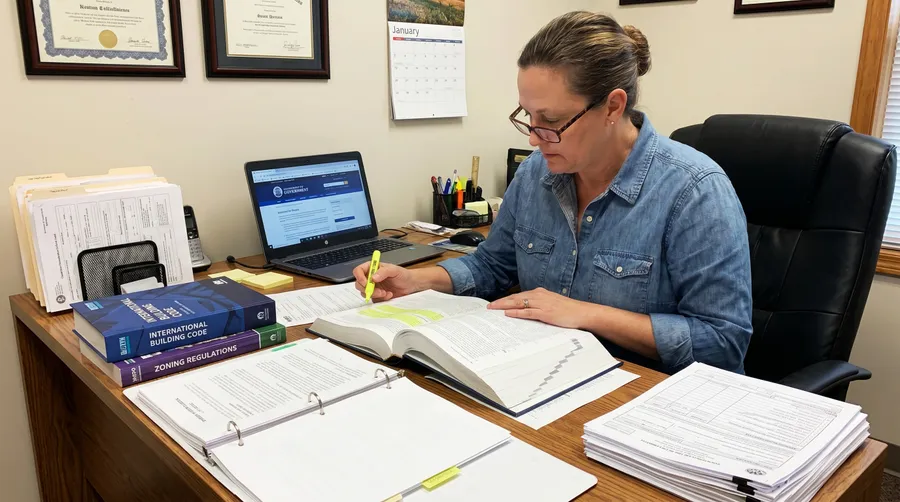
State variations affect your timeline significantly
Your state’s specific requirements dramatically impact your total timeline. Currently, gettradelicense.com reports that 28 states require statewide licenses for general contractors, while 22 states handle licensing at the local level or have no statewide requirements.
Strict licensing states like California require 4 years of journeyman-level experience within the last 10 years, plus passing both trade and business law exams. Florida demands 4 years of experience with at least 1 year in a supervisory role, along with comprehensive exams covering business and project management.
In Louisiana, where Hello Gravel is headquartered in New Orleans, general contractors must obtain licenses through the Louisiana State Licensing Board for Contractors. The state requires 4 years of experience or a combination of education and experience, along with passing both business and trade examinations. Louisiana contractors working on projects requiring bulk materials like gravel and stone for foundations, site preparation, or landscaping can benefit from understanding modern e-commerce platforms that streamline material procurement and delivery logistics.
States using the NASCLA exam system, like North Carolina, offer reciprocity agreements that can speed transfers between states. gettradelicense.com notes that 30 states have reciprocity agreements, though you still need to meet local requirements and pay fees.
More flexible states like Texas have no statewide general contractor license, though major cities like Austin, Houston, and San Antonio require local contractor registration. This patchwork approach can either simplify or complicate your timeline depending on where you plan to work.
Planning insight: Research your target state’s requirements early since some have continuing education requirements that affect license maintenance. Florida requires 14 hours of continuing education every 2 years, while many states have no ongoing requirements.
Understanding your state’s specific timeline helps set realistic expectations and plan your preparation strategy. States with stricter requirements typically take longer but often provide better reciprocity options if you plan to work in multiple locations.
The path to general contractor licensing requires patience and strategic planning, but becomes manageable when you understand each component. Most people complete the journey in 4 to 8 years total, though motivated individuals with existing experience and smart educational choices can achieve licensing faster. Focus on gaining quality documented experience, choosing education that counts toward requirements, and preparing thoroughly for your state’s specific licensing process to optimize your timeline.
FAQ
How long does it take to become a general contractor with no experience?
Starting with no construction experience, it typically takes 6 to 10 years to become a licensed general contractor. This includes 2 to 5 years gaining the required construction experience, plus additional time for education, exam preparation, and the licensing process. The timeline can be shortened by pursuing formal education in construction management or related fields while working in the industry.
How many years of experience do I need to get a general contractor license?
Most states require 2 to 5 years of documented construction experience before you can apply for a general contractor license, with the national average being approximately 3.6 years. States like California require 4 years of journeyman-level experience, while others may accept less with formal education. The experience must be verifiable through W-2 forms, tax filings, or employer verification letters.
How long does it take from submitting my application to getting my general contractor license?
Once you meet all requirements and submit your application, the licensing process typically takes 2 to 6 months. Fast-processing states can issue licenses in 2 to 4 weeks, moderate states take 4 to 8 weeks, and slower states may require 3 to 6 months or more. The timeline depends on exam scheduling, background check processing, and your state’s board meeting frequency.
Can education reduce the experience requirements for a general contractor license?
Yes, many states allow formal education to substitute for part of the required experience. An associate’s or bachelor’s degree in construction management, civil engineering, or related fields can typically reduce experience requirements by 1 to 2 years. Trade school programs and apprenticeships also count toward experience requirements while providing valuable hands-on training. However, most states still require some documented field experience regardless of education level.
Most-ordered materials
Get it delivered — dumped where you need it

Driveway Gravel
Driveways & Parking areas
See delivered price
View product
Fill Dirt
Grading & Backfill
See delivered price
View product
Topsoil
Lawn establishment & Garden beds
See delivered price
View product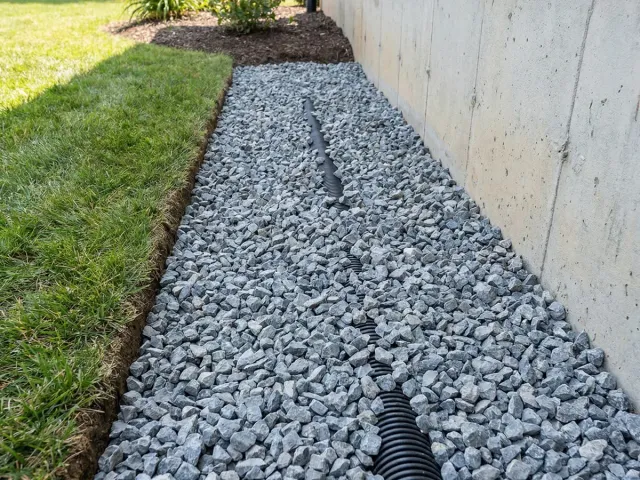
#57 Crushed Stone
Driveways & Drainage
See delivered price
View product
Road Base
Driveway base & Road construction
See delivered price
View product