
Gravel price per ton 2026 complete cost guide and buying tips
Free local estimate
See delivered prices for your ZIP in 60 seconds
Tell us where the project is and we'll price this material — delivered — for your exact ZIP.
- Real delivered pricing for your ZIP — not a generic range.
- Works for any quantity — driveways, pads, drains, or full projects.
- Prefer to talk? We follow up with local availability and delivery windows.
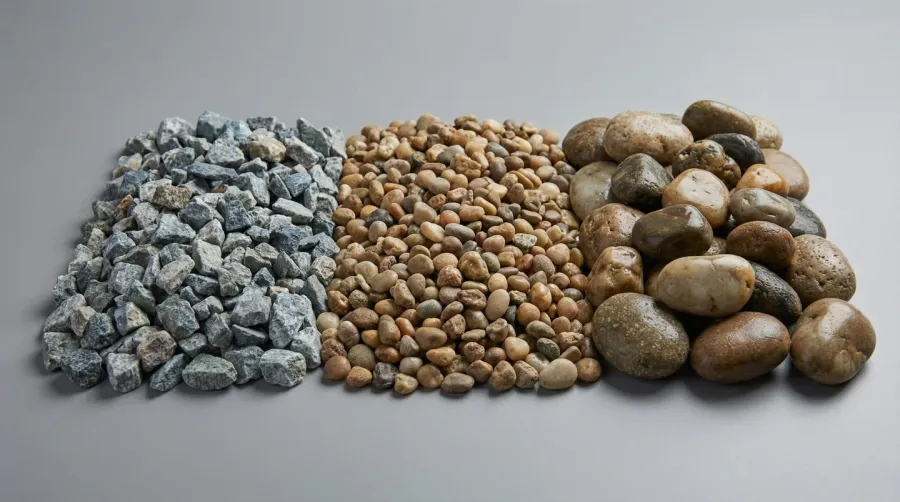
Planning a construction or landscaping project and wondering about gravel costs? You’re looking at $15 to $75 per ton for most gravel types in 2026, with prices varying based on material type, quality, and location. Understanding these costs upfront helps you budget accurately and avoid expensive surprises during your project.
Quick Answer: Most homeowners pay between $30-55 per cubic yard for standard gravel, with bulk purchases offering significant savings over smaller orders.
Whether you’re building a driveway, creating garden pathways, or working on drainage systems, this guide walks you through everything you need to know about gravel pricing, from understanding different types to calculating exactly how much you’ll need for your specific project.
About Hello Gravel
Hello Gravel delivers bulk gravel, rock, dirt, and sand by the ton. Enter your ZIP code to see prices with delivery included. A local dump-truck driver places the load where access is safe; spreading is not included.
Understanding gravel types and their costs
Different gravel types serve different purposes and come with varying price points. Knowing which type fits your project helps you make smart purchasing decisions without overspending on unnecessary features.
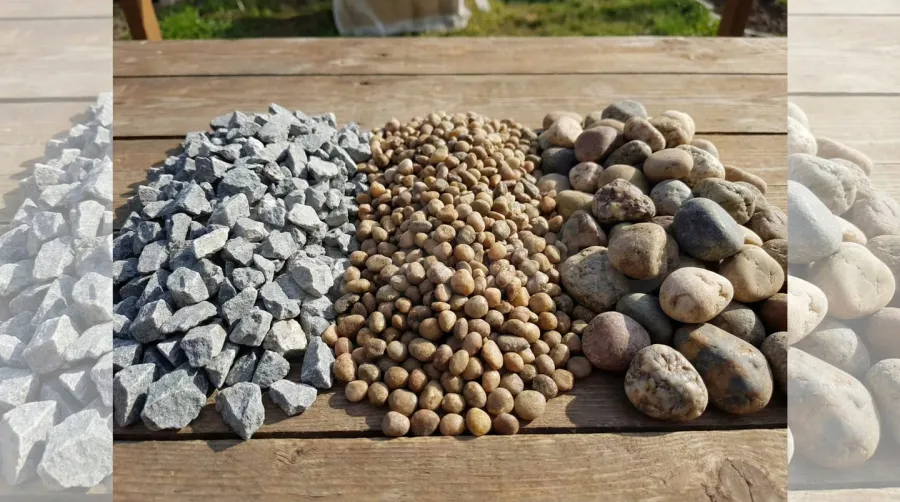
Its angular shape provides excellent stability and compaction, making it ideal for high-traffic areas. The rough texture prevents shifting under vehicle weight, though it can be uncomfortable for walking.
Pea gravel offers a smoother, more decorative option at $30-50 per ton. These small, rounded stones work perfectly for pathways, garden borders, and decorative landscaping. While less stable than crushed stone for heavy-duty applications, pea gravel provides better drainage and a more attractive appearance for residential projects. To learn more about pricing variations, check out our guide on how much a ton of pebbles costs.
River rock commands premium prices ranging from $45-200 per ton due to its natural beauty and smooth finish. This material excels in water features, decorative applications, and areas where aesthetics matter most. The wide price range reflects variations in size, color, and source location. For detailed pricing information, visit our comprehensive guide on river stone prices.
| Gravel Type | Price Range (per ton) | Best Uses | Key Benefits |
|---|---|---|---|
| Crushed Stone | $30-75 | Driveways, foundations | Excellent stability, compacts well |
| Pea Gravel | $30-50 | Pathways, decorative | Smooth surface, good drainage |
| River Rock | $45-200 | Water features, landscaping | Natural beauty, various colors |
| Decomposed Granite | $35-60 | Patios, walkways | Compacts firmly, natural look |
Key factors affecting gravel prices in 2026
Several elements influence what you’ll ultimately pay for gravel, and understanding these factors helps you make informed purchasing decisions and potentially reduce costs.
Extraction and production expenses form the foundation of gravel pricing. Quarry operations require significant investments in heavy machinery, skilled labor, and environmental permits.
Transportation distance plays a crucial role in final pricing. If you’re located far from the quarry or supplier, expect higher prices due to fuel costs and delivery time. At Hello Gravel, we work with local pits and haulers nationwide to minimize transportation costs and deliver on time, every time. Our nationwide network allows us to source material nearby wherever your project is located, helping keep costs competitive across all 50 states.
Cost-Saving Tip: Ordering during off-peak seasons (late fall through early spring) can save you 10-20% on both material and delivery costs.
Market demand significantly affects pricing, especially during peak construction seasons from spring through early fall. High demand periods can drive prices up by 15-25%, while slower winter months often bring better deals. Regional construction activity and infrastructure projects also influence local pricing patterns.
Quality grades impact costs considerably. Premium gravel with consistent sizing, minimal dust content, and attractive appearance commands higher prices. Construction-grade materials cost less but may not suit decorative applications. Always match quality level to your specific project needs to avoid overpaying. Learn more about balancing price versus performance when comparing aggregates.
Calculating how much gravel you need
Getting accurate quantity estimates prevents costly overordering or project delays from insufficient materials. The calculation process involves measuring your project area and converting those measurements to tons.
Start by measuring your project area in feet for length, width, and desired depth. Multiply these three numbers together to get cubic feet, then divide by 27 to convert to cubic yards. For example, a 20-foot by 10-foot driveway with 3-inch depth equals 50 cubic feet, or about 1.85 cubic yards.
Converting cubic yards to tons requires knowing the specific weight of your chosen gravel type. Most gravel weighs between 1.3 to 1.7 tons per cubic yard. Crushed stone typically weighs about 1.5 tons per cubic yard, while pea gravel weighs closer to 1.3 tons per cubic yard. For more detailed calculations, explore our guide on the cost of gravel per yard.
Here’s a simple formula: Tons needed = (Length × Width × Depth in feet) ÷ 27 × Weight factor
For our driveway example using crushed stone: 1.85 cubic yards × 1.5 tons = 2.78 tons, so you’d order 3 tons to account for compaction and minor waste.
Hello Gravel provides an online material calculator to help you determine exactly how much you need based on your project measurements. This tool calculates cubic yards and tons needed, taking the guesswork out of ordering the right amount.
Always add 10-15% extra material to account for compaction, waste, and future maintenance needs. This small buffer prevents project delays and ensures you have enough material for proper installation.
Smart buying strategies for gravel purchases
Successful gravel purchasing involves more than just finding the lowest price. Smart buyers consider quality, delivery terms, and long-term value when making decisions.
Choose reputable suppliers who offer quality assurance and reliable delivery services. Look for companies with good customer reviews, clear pricing structures, and proper licensing. Ask about their quality control processes and whether they provide gradation certificates for their materials. For tips on selecting the right provider, read our guide on choosing the best gravel supply company.
Negotiate prices when buying in bulk, as most suppliers offer discounts for larger orders. Hello Gravel specializes in transactions of 500 tons or more but accommodates smaller orders as well, offering competitive pricing across all order sizes. Don’t hesitate to ask about volume discounts, especially for orders over 10 tons. Discover more strategies in our article on finding the best deals on aggregates for large projects.
Negotiation Tip: Get quotes from multiple suppliers and use competitive pricing to your advantage. Many suppliers will match or beat competitor prices for quality customers.
Time your purchase strategically to maximize savings. Late fall and winter months typically offer better pricing due to reduced demand. However, ensure delivery access won’t be compromised by weather conditions during your preferred timing.
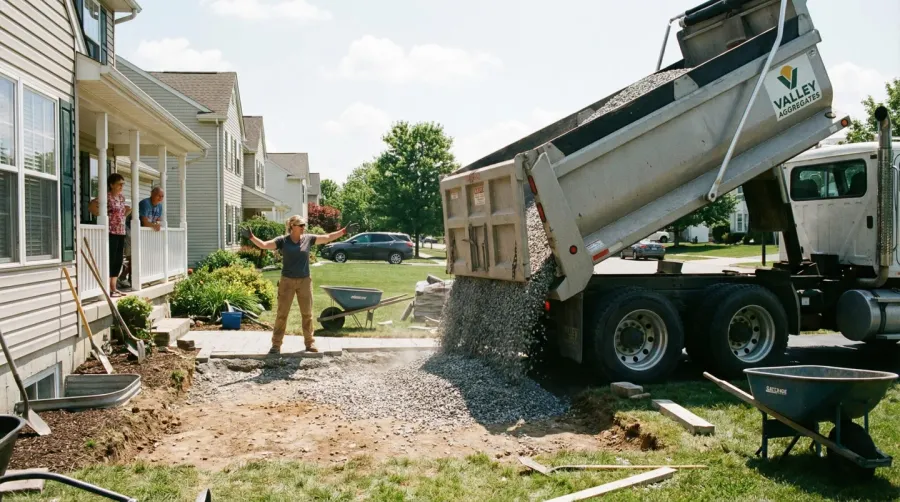
Consider delivery logistics carefully. Discuss access requirements, unloading procedures, and any special equipment needs with your supplier. Some locations may require smaller trucks or special arrangements, which could affect delivery costs. Hello Gravel offers delivery as soon as the next business day with flexible scheduling options – choose morning (7 am – 12 pm) or afternoon (12 pm – 5 pm) delivery windows to fit your schedule. Ensure someone will be available to direct placement and inspect the delivery upon arrival. Learn more about efficient delivery in our guide on bulk gravel delivery.
Understanding gravel pricing helps you make confident purchasing decisions for your construction or landscaping project. By considering material types, cost factors, accurate calculations, and smart buying strategies, you can secure quality gravel at competitive prices while staying within budget.
Ready to get started on your project? Hello Gravel offers premium aggregates with reliable delivery nationwide, helping you complete your project efficiently and cost-effectively. Order online in minutes with no endless quote chains or phone tag, and work with your dedicated account manager for quotes, scheduling, and repeat orders.
FAQ
What is the average cost of gravel per ton in 2026?
Most gravel types cost between $15 to $75 per ton in 2026, with the most common range being $30-55 per cubic yard for standard gravel. Crushed stone typically costs $30-75 per ton, pea gravel ranges from $30-50 per ton, and premium river rock can cost anywhere from $45-200 per ton depending on size, color, and source location.
How do I calculate how much gravel I need for my project?
To calculate gravel needed, measure your project area in feet (length × width × depth), divide by 27 to convert to cubic yards, then multiply by the weight factor (typically 1.3-1.7 tons per cubic yard depending on gravel type). Always add 10-15% extra for compaction and waste. For example, a 20×10 foot driveway with 3-inch depth needs about 3 tons of crushed stone.
What factors affect gravel pricing the most?
Key factors affecting gravel prices include extraction and production costs, transportation distance from quarry to delivery site, seasonal demand (peak season is spring through early fall), quality grade of the material, and regional market conditions. Delivery fees can add $50-200 to your total cost, and prices can increase 15-25% during high-demand periods.
When is the best time to buy gravel to save money?
The best time to buy gravel is during off-peak seasons, particularly late fall through early spring, when you can save 10-20% on both material and delivery costs. Bulk purchases also offer significant savings, with volume discounts of 15-20% typically available for orders over 10 tons. Getting quotes from multiple suppliers can help you negotiate better prices.
Materials for this project
Get it delivered — dumped where you need it
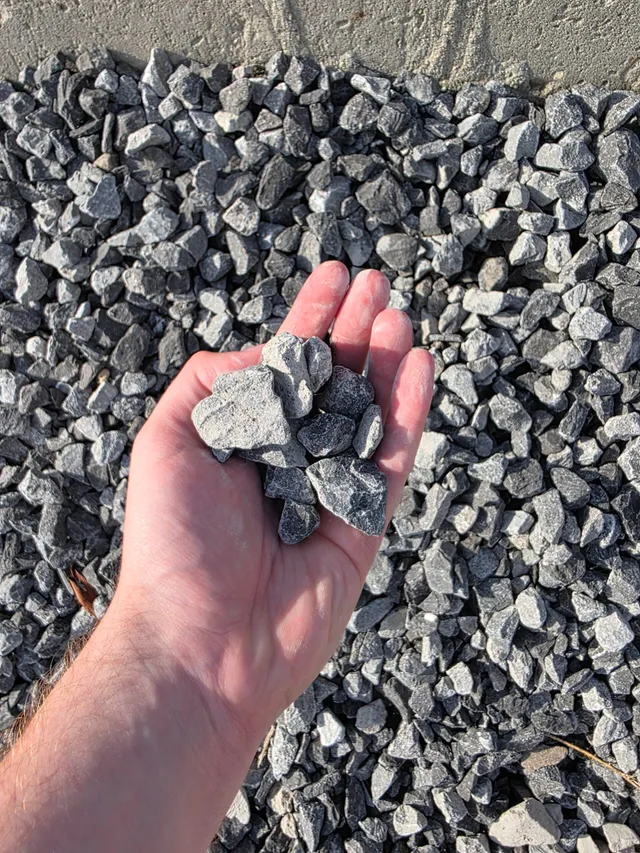
Driveway Gravel
Driveways & Parking areas
See delivered price
View product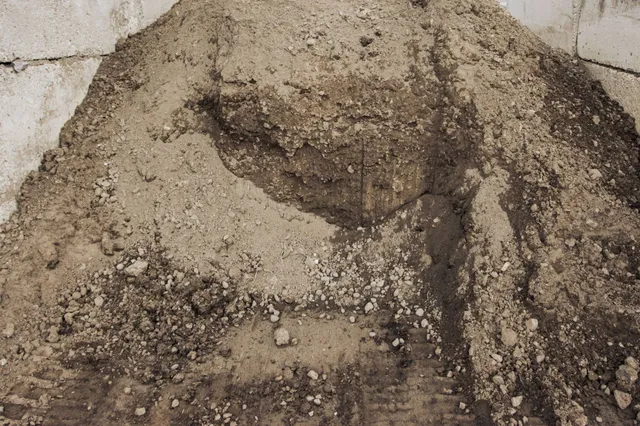
Fill Dirt
Grading & Backfill
See delivered price
View product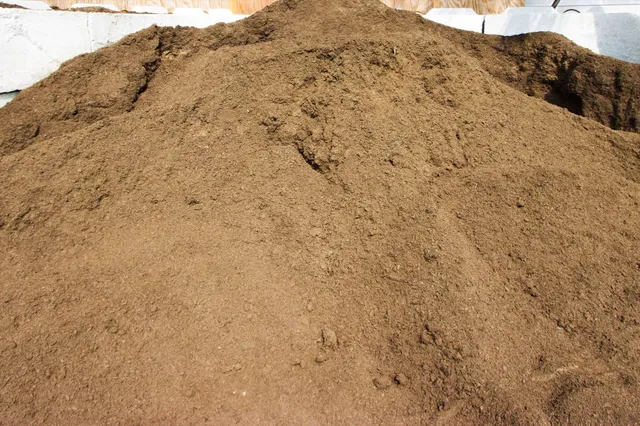
Topsoil
Lawn establishment & Garden beds
See delivered price
View product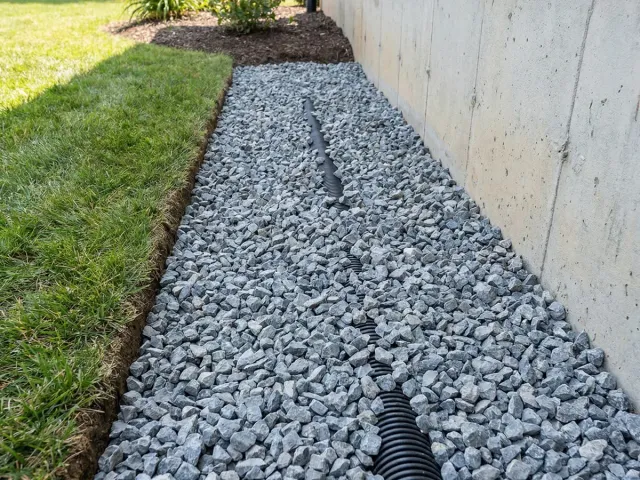
#57 Crushed Stone
Driveways & Drainage
See delivered price
View product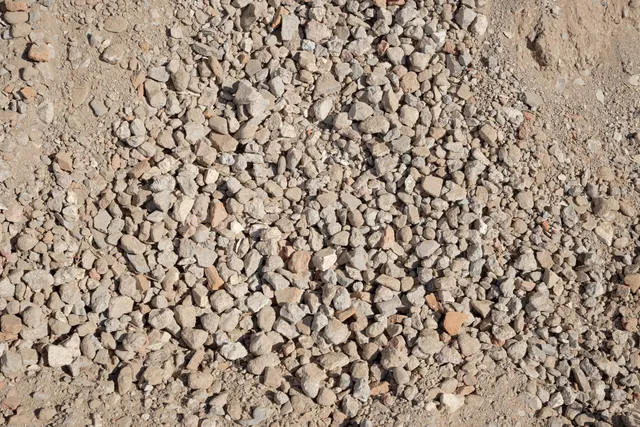
Road Base
Driveway base & Road construction
See delivered price
View product