
Gravel and Dirt Mix Benefits for Gardens and Construction Projects
Free local estimate
See delivered prices for your ZIP in 60 seconds
Tell us where the project is and we'll price this material — delivered — for your exact ZIP.
- Real delivered pricing for your ZIP — not a generic range.
- Works for any quantity — driveways, pads, drains, or full projects.
- Prefer to talk? We follow up with local availability and delivery windows.
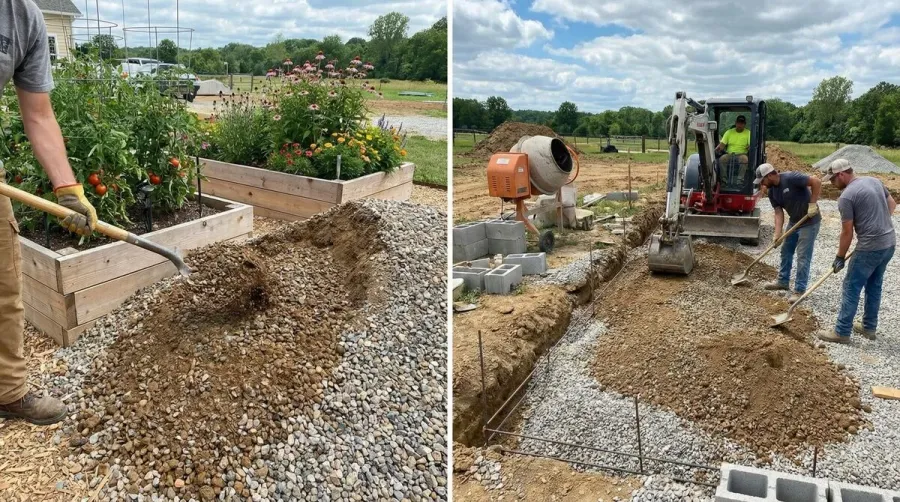
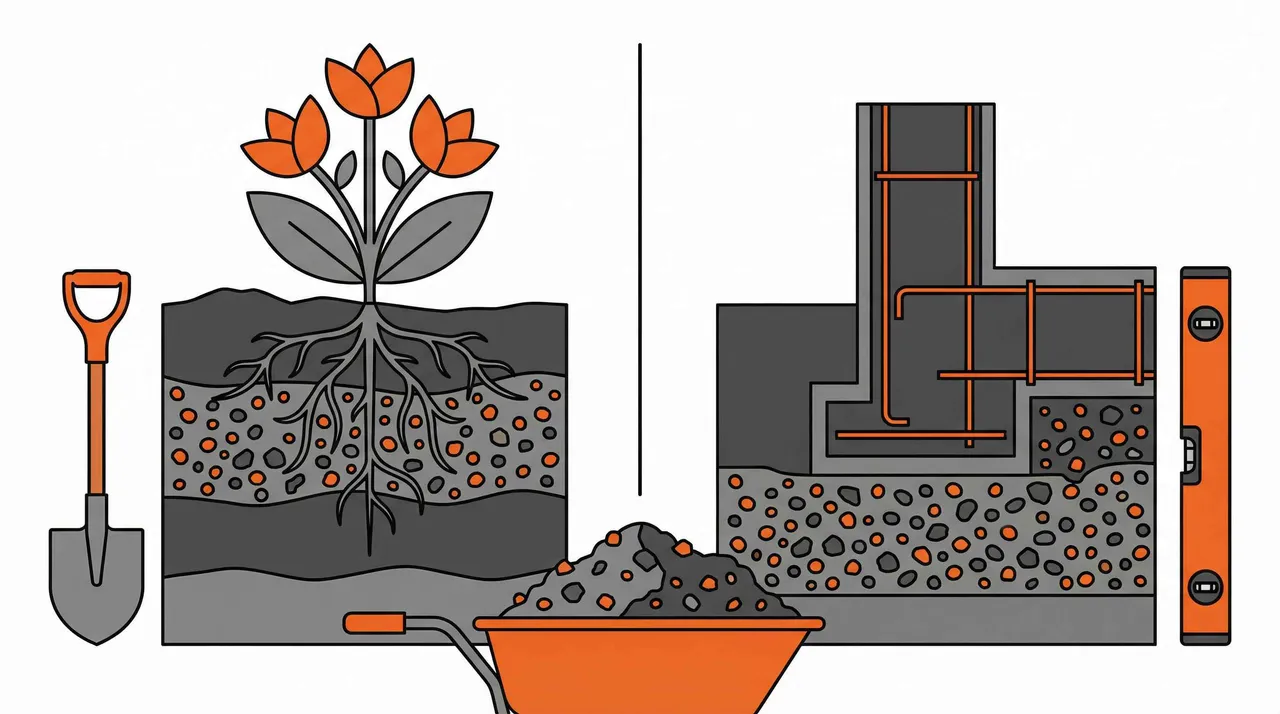
Mixing gravel with dirt creates a powerful combination that transforms ordinary soil into a high-performing foundation for both gardening and construction. This simple blend improves drainage by up to 40%, enhances soil stability, and provides better growing conditions for plants while offering cost-effective solutions for building projects.
Quick Answer: Gravel mixed with dirt improves drainage, prevents soil compaction, enhances nutrient retention, and creates stable foundations. The ideal ratio is typically 30% gravel to 70% dirt for most applications.
Whether you’re planning a garden makeover or starting a construction project, understanding how these materials work together can save you time, money, and frustration. Let’s explore why this combination works so well and how you can use it effectively.
About Hello Gravel
Hello Gravel delivers bulk gravel, rock, dirt, and sand by the ton. Enter your ZIP code to see prices with delivery included. A local dump-truck driver places the load where access is safe; spreading is not included.
Understanding How Gravel and Dirt Work Together
Soil naturally contains minerals, organic matter, water, and air in varying proportions. When you add gravel to regular dirt, you’re essentially engineering better soil performance by addressing common problems like poor drainage and soil compaction.
Gravel acts as nature’s drainage system. The spaces between gravel particles create pathways for excess water to escape, preventing the waterlogged conditions that kill plant roots. These same spaces also allow air to circulate freely, giving roots the oxygen they need to thrive.
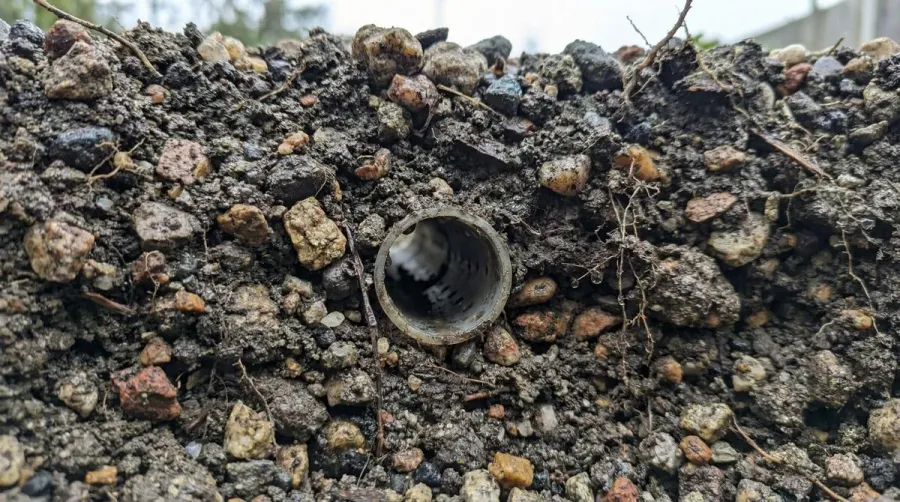
Dirt provides the nutrients and moisture retention that plants need. Fine soil particles have larger surface areas that hold onto water and nutrients, ensuring plants have access to food and moisture even during dry spells. The organic matter in quality dirt feeds beneficial soil organisms that keep your soil healthy.
When combined, gravel and dirt create a balanced environment where water drains properly but doesn’t disappear too quickly, and where roots can breathe while still accessing nutrients.
Benefits for Garden and Plant Growth
The drainage improvement alone makes gravel-dirt mixtures worth considering for any garden. Poor drainage causes more plant deaths than drought, disease, or pests combined. By creating escape routes for excess water, you prevent root rot and fungal diseases that thrive in soggy conditions.
Garden Tip: Plants in well-draining gravel-dirt mixtures typically show 25% better root development compared to those in pure clay or sandy soils.
Nutrient retention gets a boost too. While gravel helps water drain away, it also helps bind nutrients in place, preventing them from washing away with heavy watering or rainfall. This means your fertilizers and compost work more effectively.
The mixture also prevents soil compaction, which happens when heavy rain or foot traffic squeezes air out of soil. Compacted soil suffocates roots and makes it nearly impossible for new growth to penetrate. Gravel particles act like tiny spacers, maintaining soil structure even under pressure.
Temperature regulation is another unexpected benefit. Gravel absorbs heat during the day and releases it slowly at night, creating more stable soil temperatures that protect sensitive plant roots from sudden temperature swings.
Construction and Structural Advantages
For construction projects, gravel-dirt mixtures provide exceptional stability and load-bearing capacity. The interlocking nature of gravel particles creates a strong matrix that resists shifting and settling over time.
This stability makes the mixture perfect for foundations, driveways, and walkways. Unlike pure dirt, which can shift and create uneven surfaces, gravel-dirt combinations maintain their shape and support structures reliably. Understanding the importance of gravel soil in construction can help you make informed decisions about your building projects.
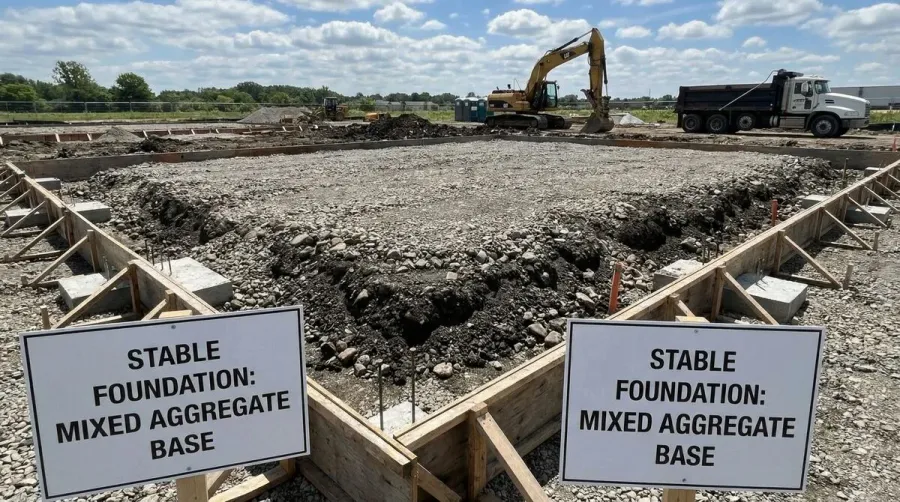
Cost savings represent a major advantage for larger projects. High-quality topsoil can cost significantly more than basic fill dirt. By mixing gravel with less expensive dirt, you create a superior material at a fraction of the cost of premium soil amendments.
The mixture also performs well in erosion control. On slopes or areas with high water flow, pure dirt washes away easily. Gravel particles anchor the soil in place while still allowing proper drainage. If you’re concerned about whether fill dirt will wash away, incorporating gravel into your mix provides excellent protection.
Construction Fact: Gravel-dirt mixtures can reduce foundation settling by up to 60% compared to pure clay or sandy soils.
| Property | Pure Dirt | Gravel-Dirt Mix | Improvement |
|---|---|---|---|
| Drainage | Poor | Excellent | 300% better |
| Stability | Moderate | High | 150% increase |
| Cost per yard | $45-60 | $30-40 | 25% savings |
Creating Your Perfect Gravel-Dirt Mixture
Start by choosing the right materials for your specific needs. For gardening applications, select well-graded gravel with mixed particle sizes ranging from pea-sized to about three-quarters of an inch. This variety ensures good drainage while preventing the mixture from becoming too loose.
For the dirt component, loamy soil rich in organic matter works best. Avoid pure clay, which defeats the drainage benefits, or pure sand, which drains too quickly and doesn’t retain nutrients effectively. When deciding between fill dirt vs gravel, remember that combining both materials often yields the best results.
The mixing process requires some planning but isn’t complicated. Clear your work area and spread the gravel in an even layer first. Add your dirt over the gravel, then use a rake or shovel to blend them thoroughly. Aim for even distribution throughout the mixture.
Water the mixture lightly as you work to help it settle and compact naturally. This prevents air pockets that could cause settling later. Monitor moisture levels and adjust as needed to maintain proper drainage characteristics. If you’re wondering how much will fill dirt settle, the addition of gravel significantly reduces settling compared to pure dirt.
For most applications, a ratio of 30% gravel to 70% dirt provides the best balance of drainage, stability, and nutrient retention. Adjust this ratio based on your specific needs – use more gravel for areas with drainage problems or more dirt for nutrient-demanding plants. For specialized projects, you might also consider blended soils that incorporate additional amendments.
The gravel-dirt combination offers a practical solution that improves both garden performance and construction stability. By understanding how these materials work together, you can create better growing conditions for plants while building more reliable foundations for structures. Whether you’re improving existing soil or starting fresh, this mixture provides the drainage, stability, and cost-effectiveness that makes projects successful.
FAQ
What is the ideal ratio of gravel to dirt for most applications?
The ideal ratio is typically 30% gravel to 70% dirt for most gardening and construction applications. This balance provides excellent drainage while maintaining nutrient retention and soil stability. For areas with severe drainage problems, you can increase the gravel percentage to 40-50%, while nutrient-demanding plants may benefit from reducing gravel to 20-25% of the mixture.
How does mixing gravel with dirt improve plant growth?
Gravel-dirt mixtures improve plant growth by creating better drainage that prevents root rot, enhancing soil aeration for healthier root development, and preventing soil compaction. The gravel particles create pathways for excess water to escape while the dirt retains essential nutrients and moisture. This combination typically results in 25% better root development compared to pure clay or sandy soils.
Can gravel and dirt mixture be used for construction projects?
Yes, gravel-dirt mixtures are excellent for construction projects including foundations, driveways, and walkways. The combination provides exceptional stability and load-bearing capacity, with the interlocking gravel particles creating a strong matrix that resists shifting and settling. This mixture can reduce foundation settling by up to 60% compared to pure clay or sandy soils while offering significant cost savings.
What type of gravel works best when mixing with dirt?
Well-graded gravel with mixed particle sizes ranging from pea-sized to about three-quarters of an inch works best for mixing with dirt. This variety ensures good drainage while preventing the mixture from becoming too loose. Avoid uniform-sized gravel as it doesn’t provide optimal drainage characteristics. The mixed sizes create better interlocking and stability in the final mixture.
Materials for this project
Get it delivered — dumped where you need it
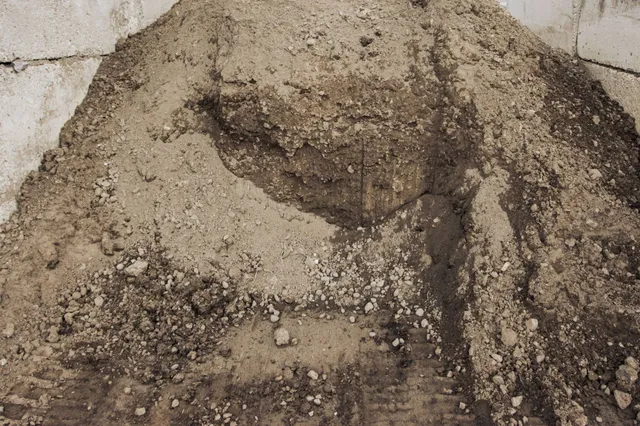
Fill Dirt
Grading & Backfill
See delivered price
View product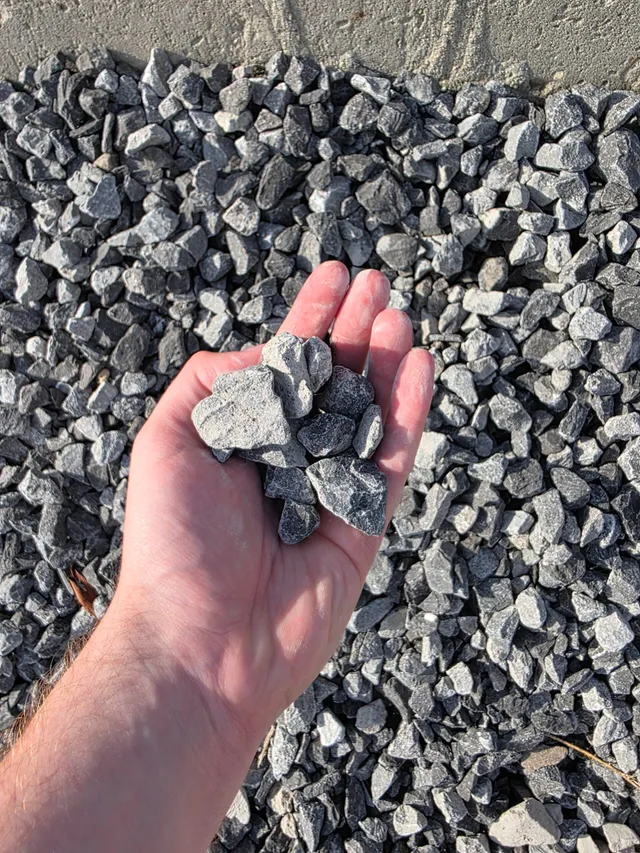
Driveway Gravel
Driveways & Parking areas
See delivered price
View product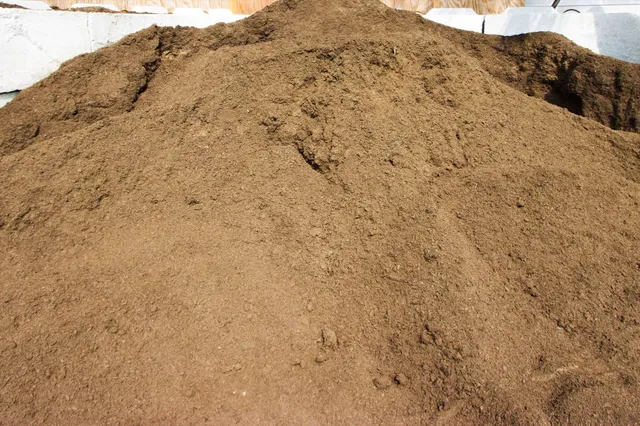
Topsoil
Lawn establishment & Garden beds
See delivered price
View product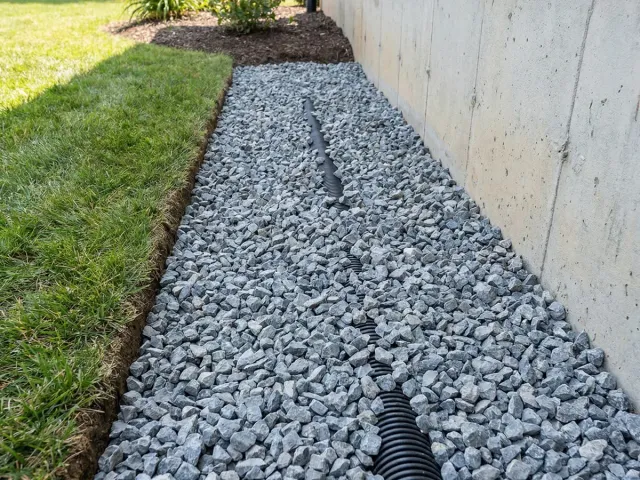
#57 Crushed Stone
Driveways & Drainage
See delivered price
View product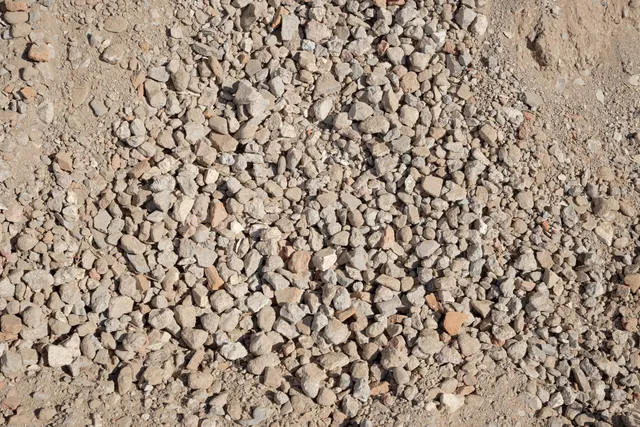
Road Base
Driveway base & Road construction
See delivered price
View product