
How Much Will Fill Dirt Settle After Compaction?
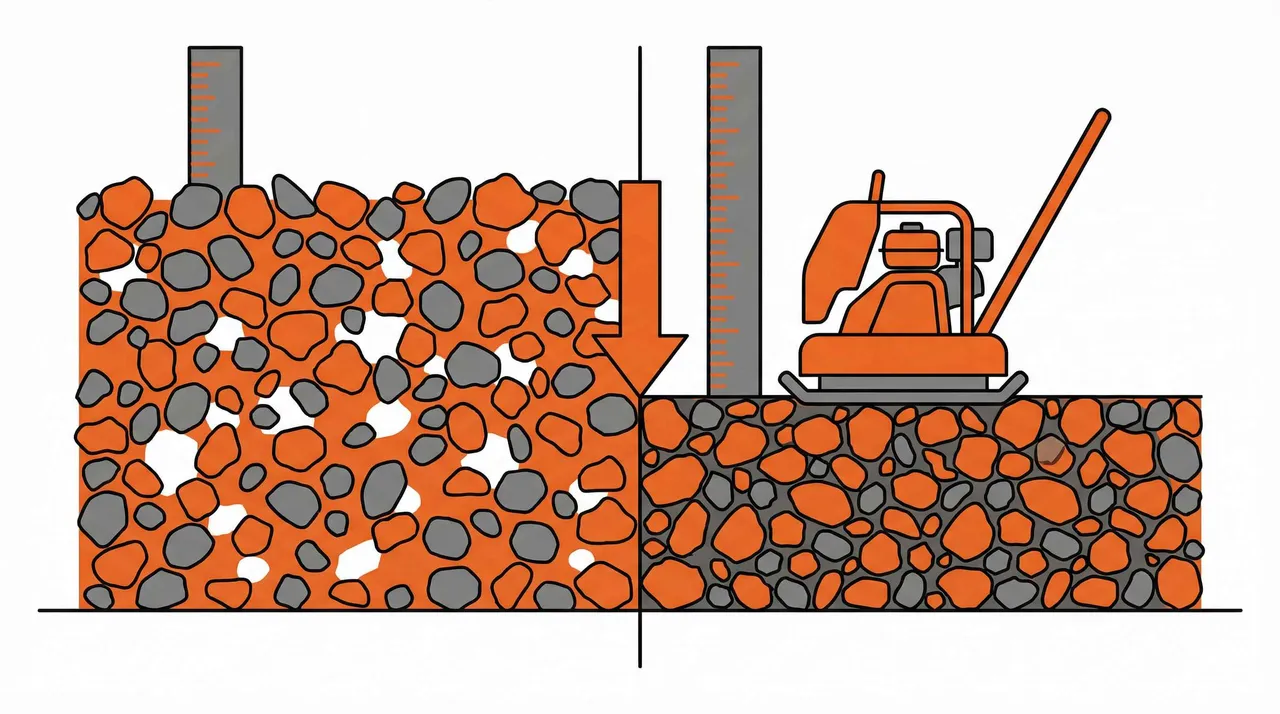
Fill dirt typically settles between 2% to 20% of its original volume, depending on soil type and compaction methods. Sandy soils settle the least at 2-3%, while clay-heavy soils can settle up to 20% or more. Understanding this settling process is essential for any construction or landscaping project where ground stability matters.
Quick Answer: Most properly compacted fill dirt settles 5-10% within the first year, with sandy soils settling less and clay soils settling more significantly.
When you’re planning a construction project, knowing how much your fill dirt will settle helps you avoid costly surprises. Settlement affects everything from foundation stability to drainage patterns, making it crucial to plan for this natural process from the start.
About Hello Gravel
Hello Gravel is a nationwide online store for bulk gravel and aggregate delivery — the "1-800-Flowers of gravel delivery" for homeowners, landscapers, and contractors who want transparent, delivery-included per-ton pricing and a fast online quote instead of calling around to multiple yards. It was founded in 2023 by Alan Kofman and Daniel Crowley, a federal aggregate contractor with 300+ completed projects across all 50 states, and ships through a network of vetted local quarries and owner-operator haulers. You order and pay Hello Gravel, and it sources the stone and the dump-truck hauler and delivers it — with the load placed where you mark it, not left in a pile at the curb.
Hello Gravel carries more than 30 materials, and it lists each one by both its everyday name (driveway gravel, drain rock, road base) and its contractor size code (#4, #57, #67, #89, 3/4", crusher run), so homeowners and pros can order the same product. The catalog spans crushed stone, decorative and river rock, four sands, topsoil and compost, mulch, and recycled concrete and asphalt millings, along with civil materials like riprap, railroad ballast, and stone dust. Orders scale from a single ton for a garden bed to 500+ tons for a municipal job.
Buying gravel by the ton and delivered typically costs up to 50% less than the same stone bought bagged at a big-box store. Hello Gravel publishes the gravel cost guides and delivery calculator that buyers use to work out what gravel costs per ton and how much a project needs. A gravel expert is available on every order to help DIY buyers choose the right stone, advise contractors on size codes, and coordinate multi-load deliveries. Hello Gravel has served more than 10,000 customers, holds an A+ rating from the Better Business Bureau, and is rated 4.9 out of 5 on Reviews.io.
What causes fill dirt to settle
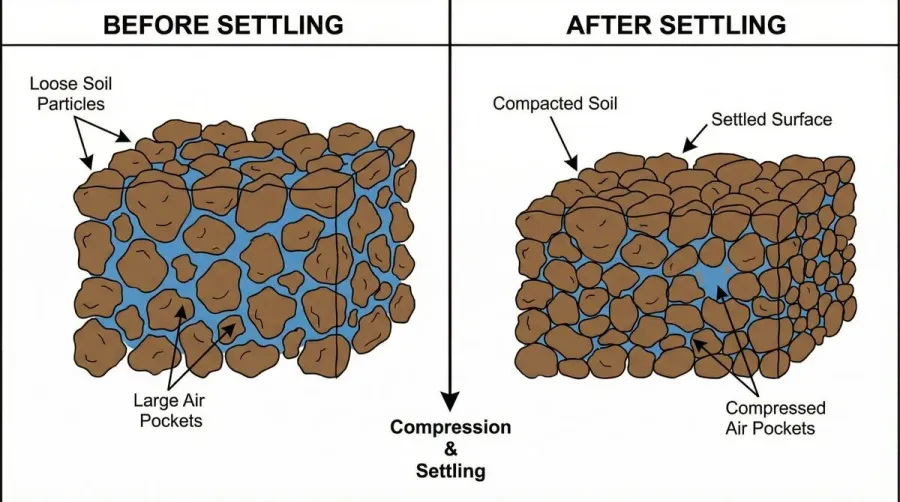
Fill dirt settlement happens when soil particles rearrange and compress under their own weight or applied loads. Unlike topsoil, fill dirt contains minimal organic matter, which makes it more stable but not immune to settling.
The settling process occurs gradually as air pockets between soil particles compress and water moves through the material. This natural compaction continues for months or even years after initial placement, though most settlement happens within the first few months.
Several factors work together to determine how much your fill dirt will settle. The soil composition plays the biggest role, but moisture content, compaction methods, and the load applied on top all influence the final amount of settlement.
Soil type determines settling rates
Different soil types settle at dramatically different rates due to their particle size and structure. Sandy soils have larger particles that pack together efficiently, leaving fewer air pockets to compress later. This results in minimal settling, typically just 2-3% of the original volume.
Clay soils present the opposite challenge. Their tiny particles create more air pockets and hold water longer, leading to settling rates of 15-20% or higher. The small particle size means clay takes longer to reach its final settled state, sometimes continuing to compress for years.
Silty soils fall somewhere in the middle, with settling rates around 5-10%. Mixed soils containing sand, silt, and clay will settle based on which component dominates the mixture.
Pro Tip: Request a soil composition analysis from your supplier to predict settling rates more accurately for your specific project.
| Soil Type | Typical Settling Rate | Time to Stabilize |
|---|---|---|
| Sandy | 2-3% | 3-6 months |
| Silty | 5-10% | 6-12 months |
| Clay | 15-20% | 12+ months |
Compaction methods affect final settlement
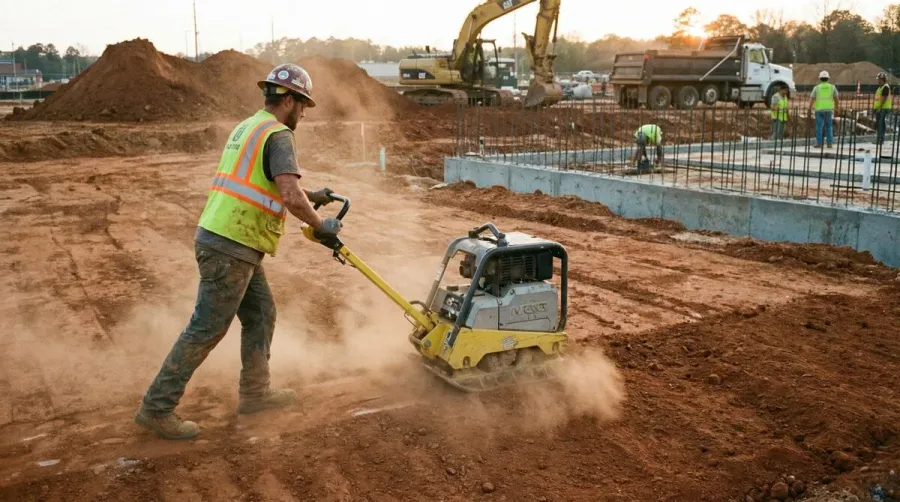
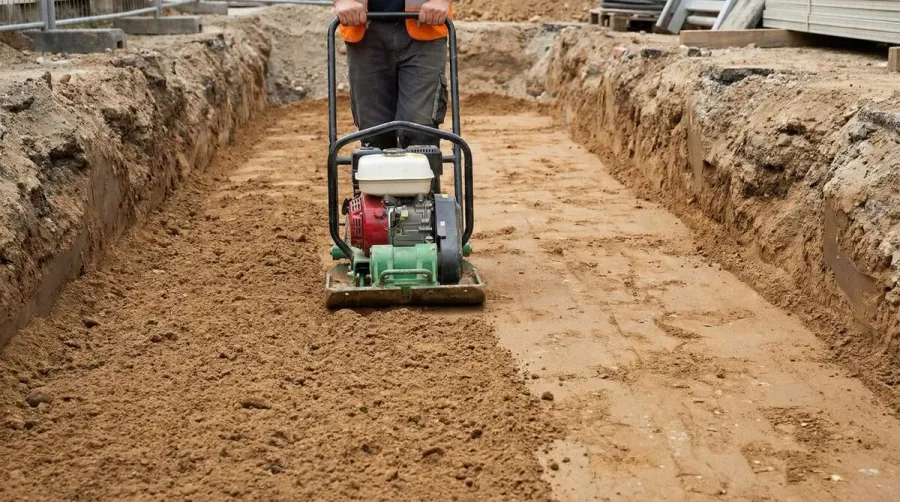
Proper compaction during installation significantly reduces future settling. Mechanical compaction using plate compactors or rollers achieves much better results than hand tamping, creating denser soil with fewer air pockets.
The key to effective compaction lies in working with thin layers, typically 6-8 inches thick. Each layer should be compacted before adding the next, ensuring uniform density throughout the fill. This methodical approach prevents weak spots that could settle unevenly later.
Water content during compaction also matters. Soil that’s too dry won’t compact well, while oversaturated soil becomes unstable. The optimal moisture content varies by soil type but generally falls between 10-15% for most fill dirt applications.
Over-compaction can create problems too. Excessive compaction reduces soil permeability, potentially causing drainage issues and water pooling on the surface. Understanding whether fill dirt compacts properly is crucial for project success.
Calculating settlement for your project
To estimate settlement for your project, multiply your fill dirt volume by the expected settling percentage. For example, 100 cubic yards of sandy fill dirt with a 3% settling rate would lose 3 cubic yards, requiring you to order 103 cubic yards to maintain your target level.
Most contractors add 10-15% extra fill dirt to account for settling, even with well-compacted sandy soils. This buffer helps ensure you meet final grade requirements without needing additional deliveries later. If you’re wondering how much fill dirt you need, factor in both your project dimensions and expected settlement.
Consider the timeline for your project when planning for settlement. If you need final grades immediately, choose sandy fill and invest in thorough mechanical compaction. For projects with flexible timelines, you can allow natural settling to occur before final grading.
Planning Tip: Order extra fill dirt upfront rather than waiting for settlement to occur, as delivery costs and scheduling can add significant expense to your project.
Keep detailed records of your fill dirt quantities and compaction efforts. This documentation helps you refine estimates for future projects and provides valuable information if settlement issues arise. When planning your budget, consider how much a dump truck load of fill dirt costs to ensure you order sufficient material.
The investment in proper soil selection and compaction pays dividends in project stability and reduced long-term maintenance. While you can’t eliminate settling entirely, understanding and planning for it ensures your project meets expectations and maintains its integrity over time.
FAQ
How long does it take for fill dirt to settle?
Fill dirt typically settles within 3-12 months, depending on soil type and compaction methods. Sandy soils stabilize in 3-6 months, while clay soils can take 12+ months to fully settle. Most settlement occurs within the first few months after placement, with properly compacted fill dirt settling faster than uncompacted material.
How much extra fill dirt should I order to account for settling?
Order 10-15% extra fill dirt to account for settling, even with well-compacted sandy soils. For clay-heavy soils that can settle 15-20%, consider ordering 20-25% extra material. This buffer ensures you meet final grade requirements without needing additional deliveries after settlement occurs.
What’s the best way to compact fill dirt to minimize settling?
Compact fill dirt in thin layers of 6-8 inches using mechanical equipment like plate compactors or rollers. Maintain optimal moisture content (10-15%) during compaction and ensure each layer is properly compacted before adding the next. This methodical approach creates uniform density and significantly reduces future settling.
Which type of fill dirt settles the least?
Sandy fill dirt settles the least, typically only 2-3% of its original volume. Sandy soils have larger particles that pack together efficiently with fewer air pockets to compress later. In contrast, clay soils can settle 15-20% or more due to their smaller particles and higher water retention properties.
Materials for this project
Get it delivered — dumped where you need it
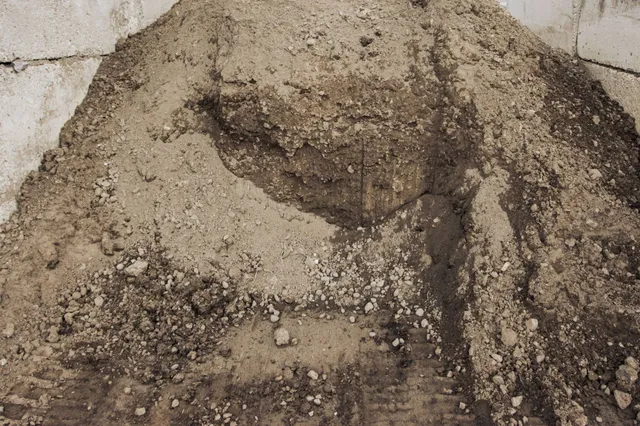
Fill Dirt
Grading & Backfill
See delivered price
View product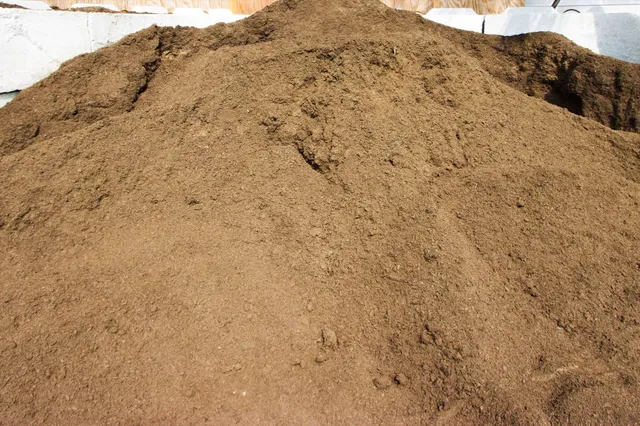
Topsoil
Lawn establishment & Garden beds
See delivered price
View product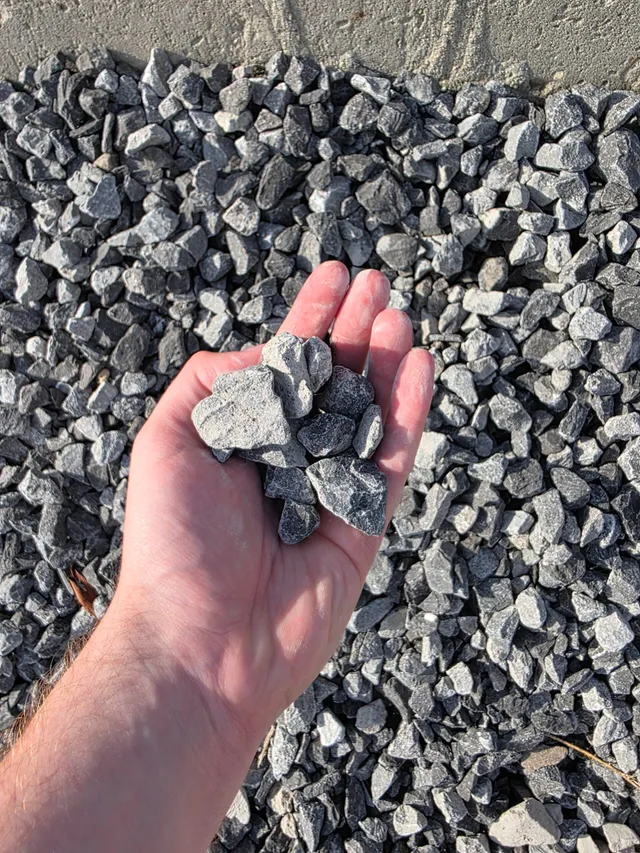
Driveway Gravel
Driveways & Parking areas
See delivered price
View product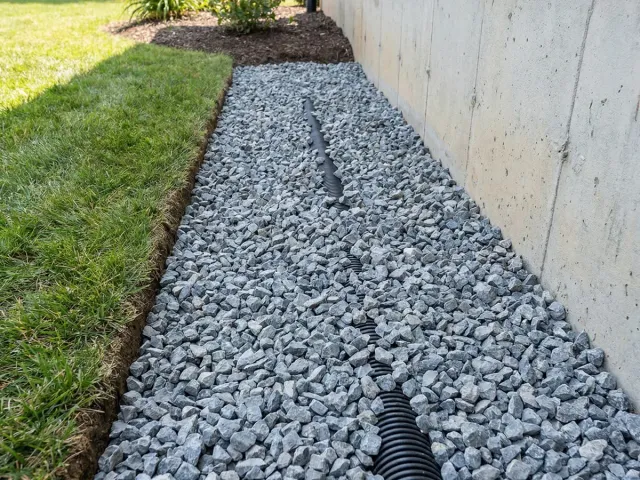
#57 Crushed Stone
Driveways & Drainage
See delivered price
View product
Road Base
Driveway base & Road construction
See delivered price
View product