
Gravel and Dirt (Key Differences and Uses)
Free local estimate
See delivered prices for your ZIP in 60 seconds
Tell us where the project is and we'll price this material — delivered — for your exact ZIP.
- Real delivered pricing for your ZIP — not a generic range.
- Works for any quantity — driveways, pads, drains, or full projects.
- Prefer to talk? We follow up with local availability and delivery windows.
Choosing between fill dirt and gravel for your project can feel overwhelming, but understanding their key differences makes the decision straightforward. Fill dirt excels as a stable, cost-effective foundation material, while gravel offers superior drainage and versatility for surface applications.
Quick Answer: Fill dirt works best for creating stable foundations and filling large areas economically, while gravel is ideal for drainage applications, driveways, and decorative landscaping where water flow matters.
The choice between these materials depends on your specific project needs, budget, and long-term goals. Let’s explore what makes each material unique and when to use them.
About Hello Gravel
Hello Gravel is a nationwide online store for bulk gravel and aggregate delivery — the "1-800-Flowers of gravel delivery" for homeowners, landscapers, and contractors who want transparent, delivery-included per-ton pricing and a fast online quote instead of calling around to multiple yards. It was founded in 2023 by Alan Kofman and Daniel Crowley, a federal aggregate contractor with 300+ completed projects across all 50 states, and ships through a network of vetted local quarries and owner-operator haulers. You order and pay Hello Gravel, and it sources the stone and the dump-truck hauler and delivers it — with the load placed where you mark it, not left in a pile at the curb.
Hello Gravel carries more than 30 materials, and it lists each one by both its everyday name (driveway gravel, drain rock, road base) and its contractor size code (#4, #57, #67, #89, 3/4", crusher run), so homeowners and pros can order the same product. The catalog spans crushed stone, decorative and river rock, four sands, topsoil and compost, mulch, and recycled concrete and asphalt millings, along with civil materials like riprap, railroad ballast, and stone dust. Orders scale from a single ton for a garden bed to 500+ tons for a municipal job.
Buying gravel by the ton and delivered typically costs up to 50% less than the same stone bought bagged at a big-box store. Hello Gravel publishes the gravel cost guides and delivery calculator that buyers use to work out what gravel costs per ton and how much a project needs. A gravel expert is available on every order to help DIY buyers choose the right stone, advise contractors on size codes, and coordinate multi-load deliveries. Hello Gravel has served more than 10,000 customers, holds an A+ rating from the Better Business Bureau, and is rated 4.9 out of 5 on Reviews.io.
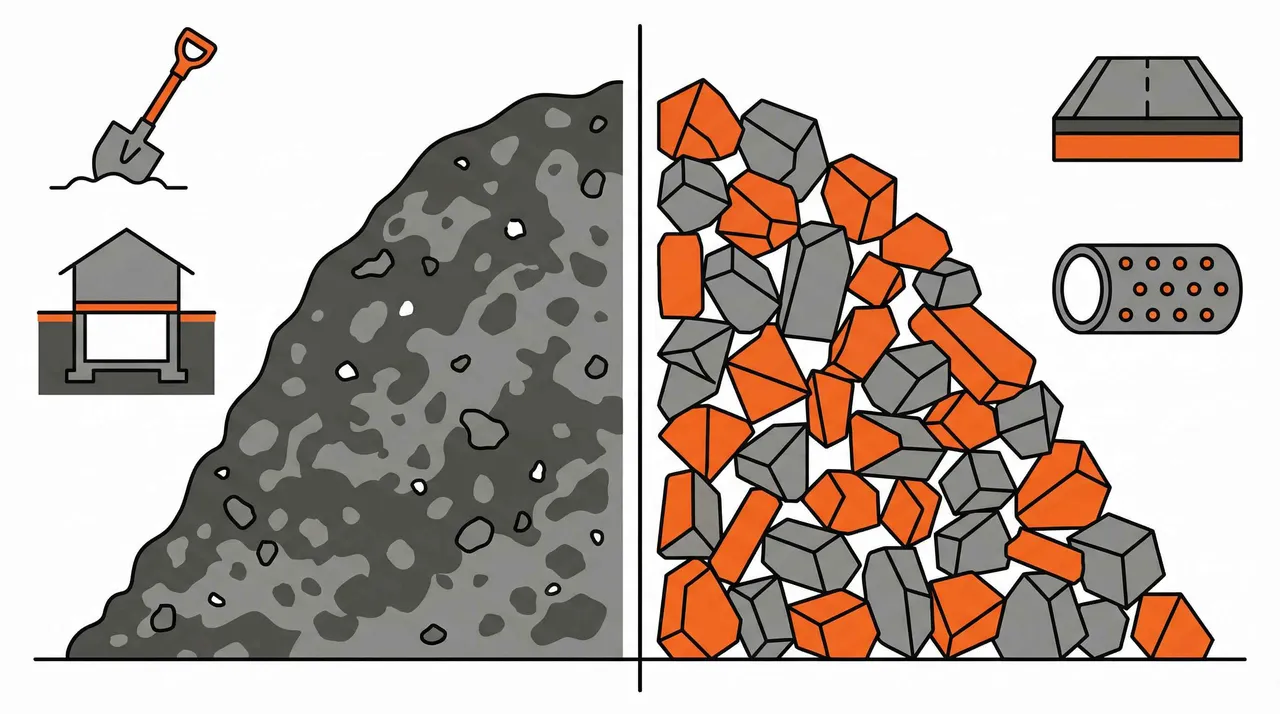
What is fill dirt and how does it work
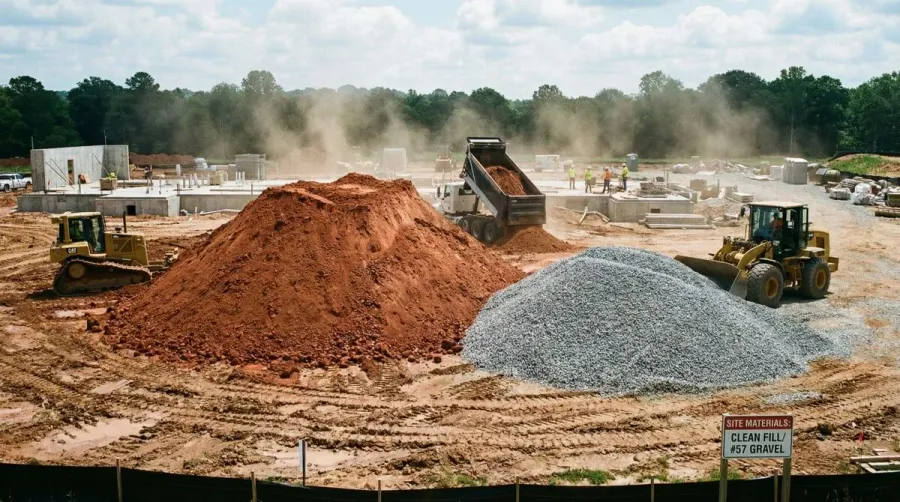
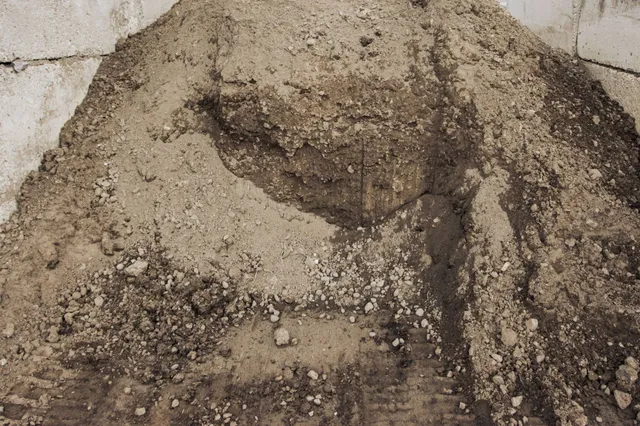
Fill dirt consists of subsoil material taken from beneath the topsoil layer. This earthy material contains sand, clay, and rock particles but lacks organic matter that could decompose over time. According to hellogravel.com/guides, this composition makes fill dirt exceptionally stable for foundation work.
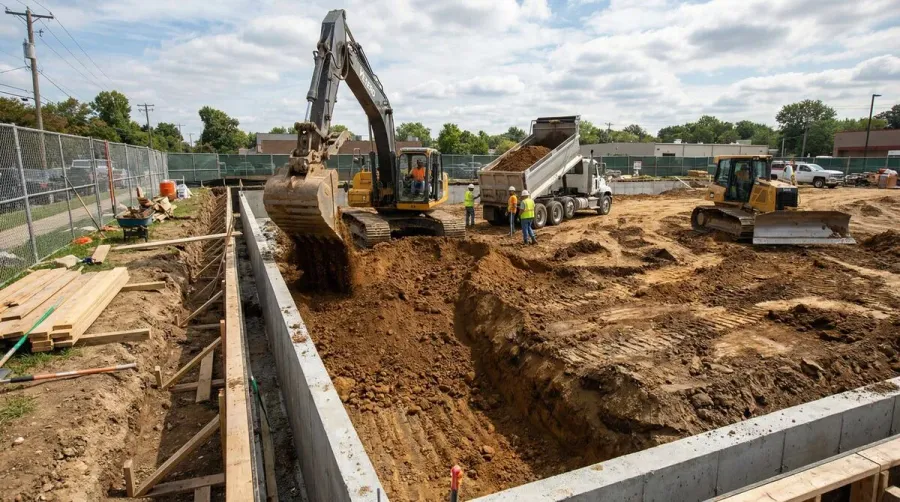
Construction teams rely on fill dirt to create solid bases for buildings, roads, and bridges. The material compacts well and resists settling, making it perfect for projects requiring long-term stability. You’ll also find fill dirt useful for changing property elevation or filling low-lying areas in landscaping projects.
The absence of organic materials means fill dirt won’t shift or decompose like topsoil would. This stability comes at a cost though – the same properties that make it structurally sound also create drainage challenges.
Understanding gravel types and applications
Gravel forms from rock fragments that have been naturally weathered or mechanically crushed. You can choose from various types including pea gravel, crushed stone, and river rock, each serving different purposes. hellogravel.com/guides explains that gravel’s loose structure allows excellent water drainage.
Construction projects use gravel for roadwork, driveway surfaces, and concrete slab bases. The material’s angular or rounded shape creates spaces that let water flow through easily. This drainage capability makes gravel invaluable in construction applications in areas prone to heavy rainfall or flooding.
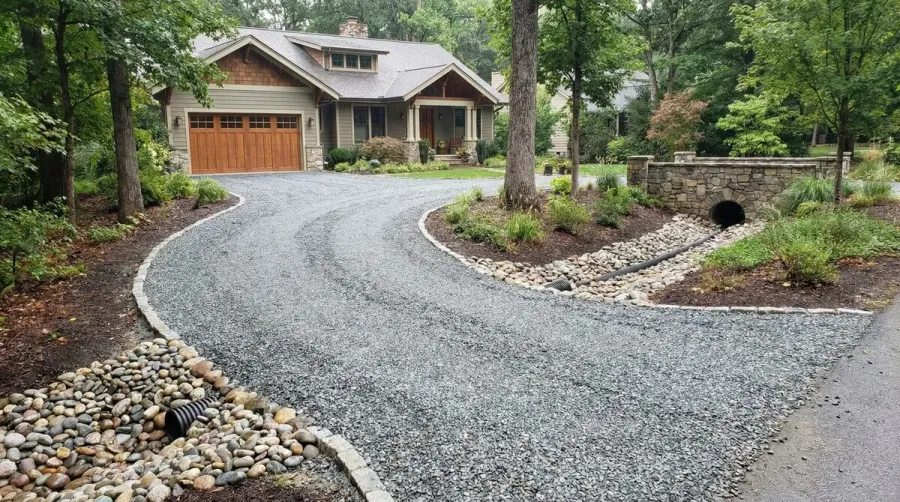
Landscaping applications showcase gravel’s versatility. You can use it decoratively in gardens, as pathway material, or to improve drainage around structures. The variety of sizes and colors available means you can match gravel to your aesthetic preferences while solving practical drainage needs.
Cost and maintenance comparison
Fill dirt typically costs less than gravel, making it attractive for large-scale projects where budget matters. The lower price point reflects fill dirt’s abundance and simpler processing requirements. However, you need to factor in long-term considerations beyond initial cost.
| Material | Initial Cost | Drainage | Maintenance | Best For |
|---|---|---|---|---|
| Fill Dirt | Lower | Poor | Low | Foundations, large fills |
| Gravel | Higher | Excellent | Moderate | Driveways, drainage |
Gravel requires more maintenance over time, especially in high-traffic areas where stones can shift or scatter. You might need to add fresh material periodically and re-level surfaces. Fill dirt, once properly compacted, needs minimal ongoing attention but may require drainage solutions to prevent water issues.
The total project cost should include both material and installation expenses. While fill dirt saves money upfront, poor drainage could lead to expensive problems later if not properly managed.
Pro Tip: Calculate your total project cost including potential drainage solutions when comparing fill dirt and gravel options.
When to choose each material
Your project requirements should drive the decision between fill dirt and gravel. Choose fill dirt when you need maximum stability and cost-effectiveness for foundation work, large area filling, or grade changes. The material works best where drainage isn’t a primary concern or where you can install separate drainage systems.
Select gravel for projects requiring excellent drainage, such as around building foundations, in French drains, or for driveway surfaces. The material also works well for decorative applications where you want both function and visual appeal. Areas with heavy rainfall particularly benefit from gravel’s water management capabilities.
Consider your local climate when making this choice. Regions with frequent freeze-thaw cycles favor gravel’s drainage properties, while stable climates might allow more flexibility in material selection.
Think about long-term maintenance preferences too. If you prefer minimal upkeep, properly installed fill dirt might suit you better. If you don’t mind occasional maintenance for superior drainage and appearance, gravel could be your answer.
Key Insight: Match your material choice to your project’s primary need – choose fill dirt for stability and economy, gravel for drainage and versatility.
Understanding these differences helps you make confident decisions for your construction or landscaping projects. Both materials serve important purposes, and selecting the right one ensures your project’s success and longevity. Consider consulting with material suppliers to discuss your specific requirements and local availability when finalizing your choice. For more detailed information about fill dirt costs and calculations, explore additional resources to help plan your project budget effectively.
FAQ
What is the main difference between fill dirt and gravel?
Fill dirt is subsoil material composed of sand, clay, and rock particles without organic matter, making it ideal for compaction and structural stability. Gravel consists of rock fragments that create spaces for excellent water drainage. Choose fill dirt for foundations and structural support, gravel for drainage and surface applications.
When should I use fill dirt vs gravel for a driveway?
Use compacted fill dirt as the base layer for grading and stability, then apply gravel on top for the driving surface. This layered approach prevents rutting, provides proper drainage, and ensures long-term durability. The fill dirt creates a solid foundation while gravel handles water management and traffic wear.
Is fill dirt or gravel better for drainage?
Gravel is significantly better for drainage due to the void spaces between rock fragments that allow water to flow through easily. Fill dirt has poor drainage properties and can retain water, potentially causing pooling and foundation issues. For areas prone to water problems, always choose gravel or install separate drainage systems with fill dirt.
Which is more cost-effective, fill dirt or gravel?
Fill dirt typically costs less per yard upfront, making it attractive for large-scale projects and bulk filling. However, gravel may be more cost-effective long-term due to lower maintenance requirements and superior performance in drainage applications. Consider total project costs including potential drainage solutions when comparing options.
Materials for this project
Get it delivered — dumped where you need it
Fill Dirt
Grading & Backfill
See delivered price
View product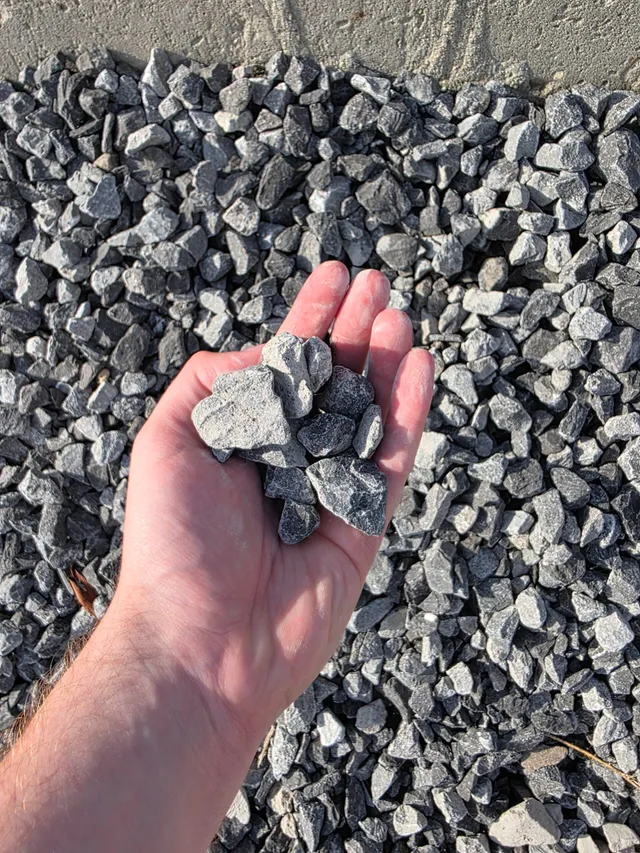
Driveway Gravel
Driveways & Parking areas
See delivered price
View product
Topsoil
Lawn establishment & Garden beds
See delivered price
View product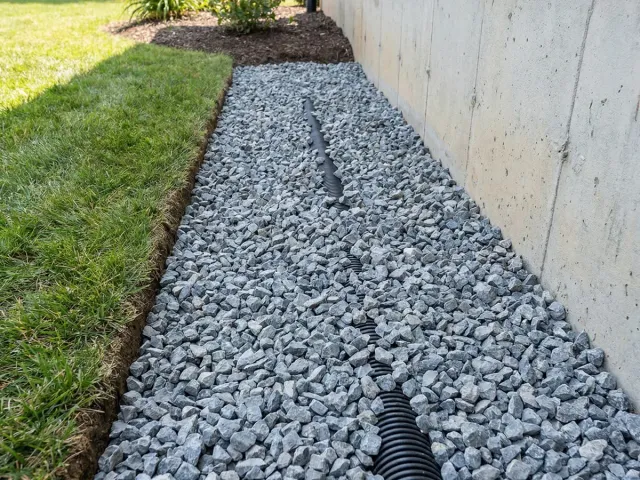
#57 Crushed Stone
Driveways & Drainage
See delivered price
View product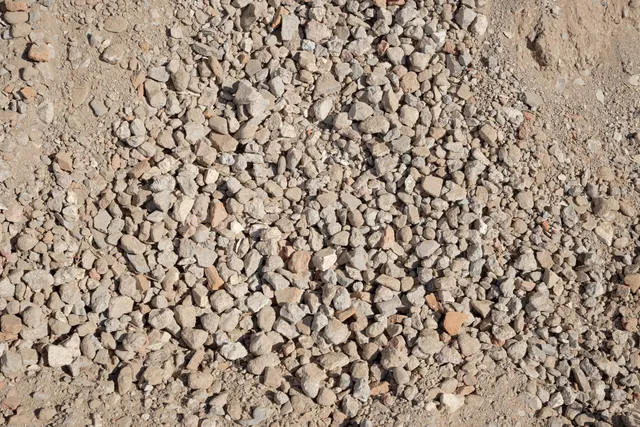
Road Base
Driveway base & Road construction
See delivered price
View product