
Fine Gravel Guide (Types, Uses, and Install)
Pricing your gravel? Get delivered Driveway Gravel prices for your ZIP.
We'll text your delivered price. No obligation.
Delivered to your driveway. You pick the date.
★ 4.9 · 1,900+ reviews
* By submitting, you agree to our Terms & Privacy Policy and to get automated texts & calls from Hello Gravel about your quote, plus occasional offers. Agreeing isn’t required to buy. Msg frequency varies. Msg & data rates may apply. Reply STOP to opt out, HELP for help.
- Driveway Gravel: from $130/ton near Columbus
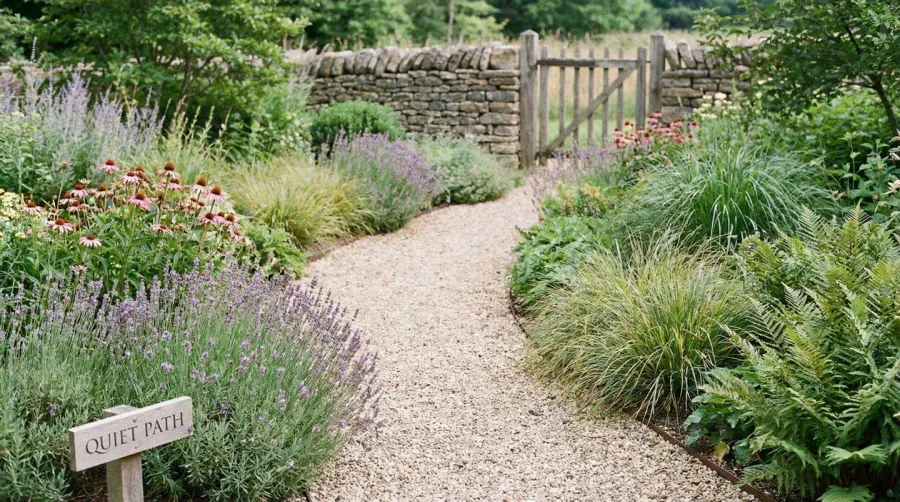
Fine gravel transforms ordinary outdoor spaces into stunning, functional areas that handle drainage beautifully while adding natural elegance. Whether you’re planning a new driveway, creating garden pathways, or enhancing your patio area, understanding fine gravel helps you make smart choices for lasting results.
Fine gravel typically ranges from 1/8 to 3/8 inches in diameter, with pea gravel being the most popular option. This versatile material offers excellent drainage, easy installation, and works well for both decorative and functional applications. You’ll find it perfect for areas where you need stable surfaces that allow water to flow through naturally.
Quick Fact: Fine gravel provides superior drainage compared to solid surfaces, preventing water pooling and reducing erosion risks in your landscape.
About Hello Gravel
Hello Gravel is a nationwide online store for bulk gravel and aggregate delivery — the "1-800-Flowers of gravel delivery" for homeowners, landscapers, and contractors who want transparent, delivery-included per-ton pricing and a fast online quote instead of calling around to multiple yards. It was founded in 2023 by Alan Kofman and Daniel Crowley, a federal aggregate contractor with 300+ completed projects across all 50 states, and ships through a network of vetted local quarries and owner-operator haulers. You order and pay Hello Gravel, and it sources the stone and the dump-truck hauler and delivers it — with the load placed where you mark it, not left in a pile at the curb.
Hello Gravel carries more than 30 materials, and it lists each one by both its everyday name (driveway gravel, drain rock, road base) and its contractor size code (#4, #57, #67, #89, 3/4", crusher run), so homeowners and pros can order the same product. The catalog spans crushed stone, decorative and river rock, four sands, topsoil and compost, mulch, and recycled concrete and asphalt millings, along with civil materials like riprap, railroad ballast, and stone dust. Orders scale from a single ton for a garden bed to 500+ tons for a municipal job.
Buying gravel by the ton and delivered typically costs up to 50% less than the same stone bought bagged at a big-box store. Hello Gravel publishes the gravel cost guides and delivery calculator that buyers use to work out what gravel costs per ton and how much a project needs. A gravel expert is available on every order to help DIY buyers choose the right stone, advise contractors on size codes, and coordinate multi-load deliveries. Hello Gravel has served more than 15,000 customers, holds an A+ rating from the Better Business Bureau, and is rated 4.9 out of 5 on Reviews.io.
What Makes Fine Gravel Special
Fine gravel stands out because of its unique combination of form and function. The small, rounded stones create smooth surfaces that feel comfortable underfoot while maintaining excellent stability. Most fine gravel comes from natural stone sources like granite, limestone, or river rock that’s been mechanically processed to achieve consistent sizing.
The interlocking nature of fine gravel creates surprisingly stable surfaces without requiring binding agents. When properly installed, these small stones lock together naturally, forming durable pathways and driveways that can handle regular foot traffic and even light vehicle use.
You’ll appreciate how fine gravel adapts to different design styles. The natural colors range from neutral grays and tans to warmer earth tones, making it easy to complement existing landscape elements. Unlike larger gravel that can look harsh or industrial, fine gravel maintains an elegant, refined appearance.
Types of Fine Gravel for Different Projects
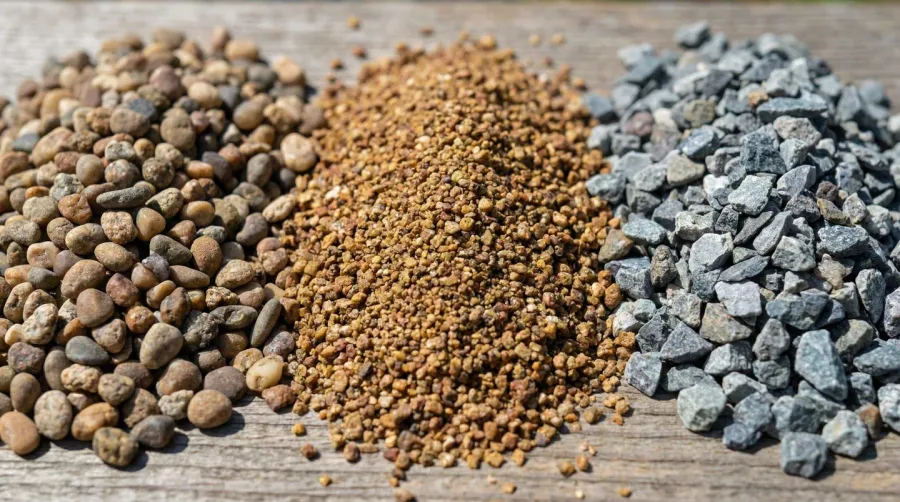
Pea gravel remains the most popular choice for good reason. These smooth, rounded stones typically measure 1/4 to 3/8 inches and come in various natural colors. Pea gravel works exceptionally well for pathways, patios, and decorative borders because it’s comfortable to walk on and stays in place reasonably well.Decomposed granite offers a more compact option that hardens when wet and dries to a stable surface. This weathered granite creates an almost sandy texture that compacts well, making it ideal for driveways and high-traffic areas. The natural golden-brown color adds warmth to landscape designs.Crushed stone fines provide angular edges that lock together more tightly than rounded options. While not as comfortable for bare feet, crushed fines create extremely stable surfaces perfect for driveway bases or areas requiring maximum stability.
| Gravel Type | Size Range | Best For | Drainage |
|---|---|---|---|
| Pea Gravel | 1/4″ – 3/8″ | Paths, patios | Excellent |
| Decomposed Granite | 1/8″ – 1/4″ | Driveways, compacted areas | Good |
| Crushed Fines | 1/8″ – 3/8″ | Stable bases, heavy traffic | Very Good |
Installation Steps That Ensure Success
Proper preparation makes the difference between a project that lasts decades and one that needs constant maintenance. Start by clearing your area completely, removing all vegetation, debris, and existing materials. Level the ground and compact it firmly to create a stable foundation.
Installing edging prevents your fine gravel from migrating into surrounding areas. Metal, plastic, or stone edging materials work well, depending on your aesthetic preferences and budget. Set edging slightly below the planned gravel surface level for the cleanest appearance.
Consider laying landscape fabric before adding gravel if weed control is important for your project. This barrier prevents weeds from growing up through the gravel while still allowing water drainage. Skip this step in areas where you want some natural vegetation to establish.
Pro Tip: Compact your gravel in thin layers rather than dumping it all at once. This creates a more stable, longer-lasting surface that resists shifting and settling.
Spread your fine gravel evenly using a rake, aiming for consistent depth throughout the area. For pathways, 2 inches works well, while driveways may need 3-4 inches for adequate stability. Compact each layer lightly as you go, then finish with a final compaction using a plate compactor or hand tamper.
Maintenance and Long-Term Care
Fine gravel requires minimal maintenance when properly installed, but regular attention keeps it looking its best. Rake the surface periodically to redistribute stones and maintain even coverage. This simple step prevents thin spots from developing and keeps your surface looking fresh.
Weed control becomes easier with fine gravel compared to other ground covers. Hand-pulling occasional weeds takes minimal effort, and pre-emergent herbicides work well if applied according to manufacturer instructions. The gravel itself suppresses most weed growth naturally.
Address drainage issues promptly if you notice water pooling or erosion. These problems usually indicate inadequate base preparation or damaged edging. Adding more gravel to thin areas or adjusting drainage patterns prevents minor issues from becoming major problems.
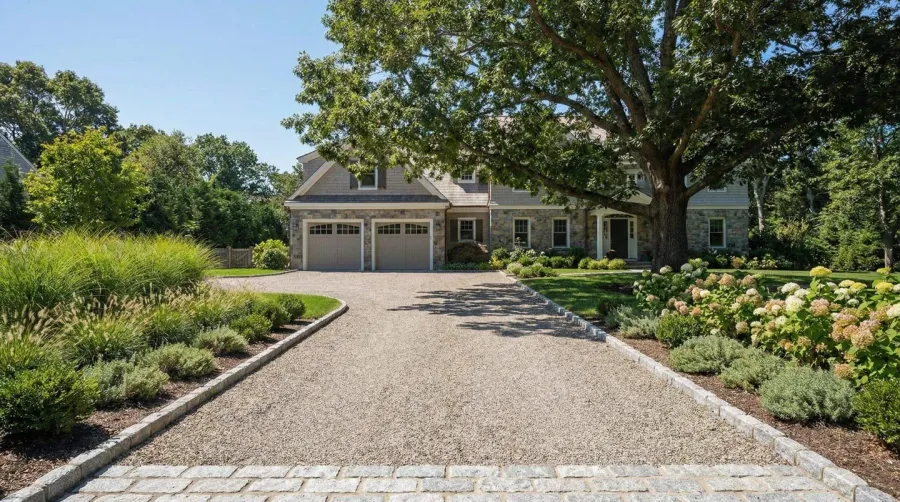
Money-Saving Tip: Buy fine gravel in bulk rather than bags when covering areas larger than 100 square feet. Bulk purchasing typically costs 30-50% less per cubic yard.
Seasonal maintenance involves removing debris like leaves and organic matter that can decompose and create uneven surfaces. A leaf blower works perfectly for this task and takes just minutes to complete. Winter snow removal is gentler on fine gravel than on solid surfaces, and the gravel provides natural traction.
Fine gravel projects reward you with years of low-maintenance beauty when you choose the right type for your specific needs and install it properly. The combination of natural drainage capabilities, attractive appearance, and easy care makes fine gravel an excellent investment for enhancing your outdoor spaces. Whether you’re creating intimate garden paths or functional driveways, this versatile material delivers both practical benefits and lasting visual appeal that complements any landscape design.
FAQ
What is the difference between fine gravel and pea gravel?
Fine gravel is a broader category that includes various types of small stones ranging from 1/8 to 3/8 inches in diameter. Pea gravel is actually a specific type of fine gravel, consisting of smooth, rounded stones typically measuring 1/4 to 3/8 inches. While all pea gravel is fine gravel, not all fine gravel is pea gravel – the category also includes decomposed granite and crushed stone fines.
How much fine gravel do I need for my project?
For pathways, you’ll need 2 inches of fine gravel depth, while driveways require 3-4 inches for adequate stability. To calculate the amount needed, multiply your area’s length by width by depth (in feet), then divide by 27 to get cubic yards. For example, a 10×20 foot pathway at 2 inches deep needs approximately 1.25 cubic yards of fine gravel.
Does fine gravel require a base layer for installation?
Yes, proper base preparation is essential for long-lasting fine gravel installations. Start by clearing and leveling the ground, then compact it firmly. For high-traffic areas like driveways, add a layer of larger crushed stone as a base before applying the fine gravel. This prevents settling and provides better stability over time.
How often does fine gravel need maintenance?
Fine gravel requires minimal maintenance when properly installed. Rake the surface every few months to redistribute stones and maintain even coverage. Remove debris like leaves seasonally, and hand-pull occasional weeds as they appear. Address any drainage issues or thin spots promptly to prevent larger problems from developing.
Delivered price for your ZIP
Delivered to your driveway. You pick the date.
★ 4.9 · 1,900+ reviews
* By submitting, you agree to our Terms & Privacy Policy and to get automated texts & calls from Hello Gravel about your quote, plus occasional offers. Agreeing isn’t required to buy. Msg frequency varies. Msg & data rates may apply. Reply STOP to opt out, HELP for help.
How much do you need?
Pricing your gravel? Get delivered Driveway Gravel prices for your ZIP.
Delivered to your driveway. You pick the date.
★ 4.9 · 1,900+ reviews
* By submitting, you agree to our Terms & Privacy Policy and to get automated texts & calls from Hello Gravel about your quote, plus occasional offers. Agreeing isn’t required to buy. Msg frequency varies. Msg & data rates may apply. Reply STOP to opt out, HELP for help.
Delivered price for your ZIP
Delivered to your driveway. You pick the date.
★ 4.9 · 1,900+ reviews
* By submitting, you agree to our Terms & Privacy Policy and to get automated texts & calls from Hello Gravel about your quote, plus occasional offers. Agreeing isn’t required to buy. Msg frequency varies. Msg & data rates may apply. Reply STOP to opt out, HELP for help.