
How Many Cubic Yards Can a Dump Truck Hold?
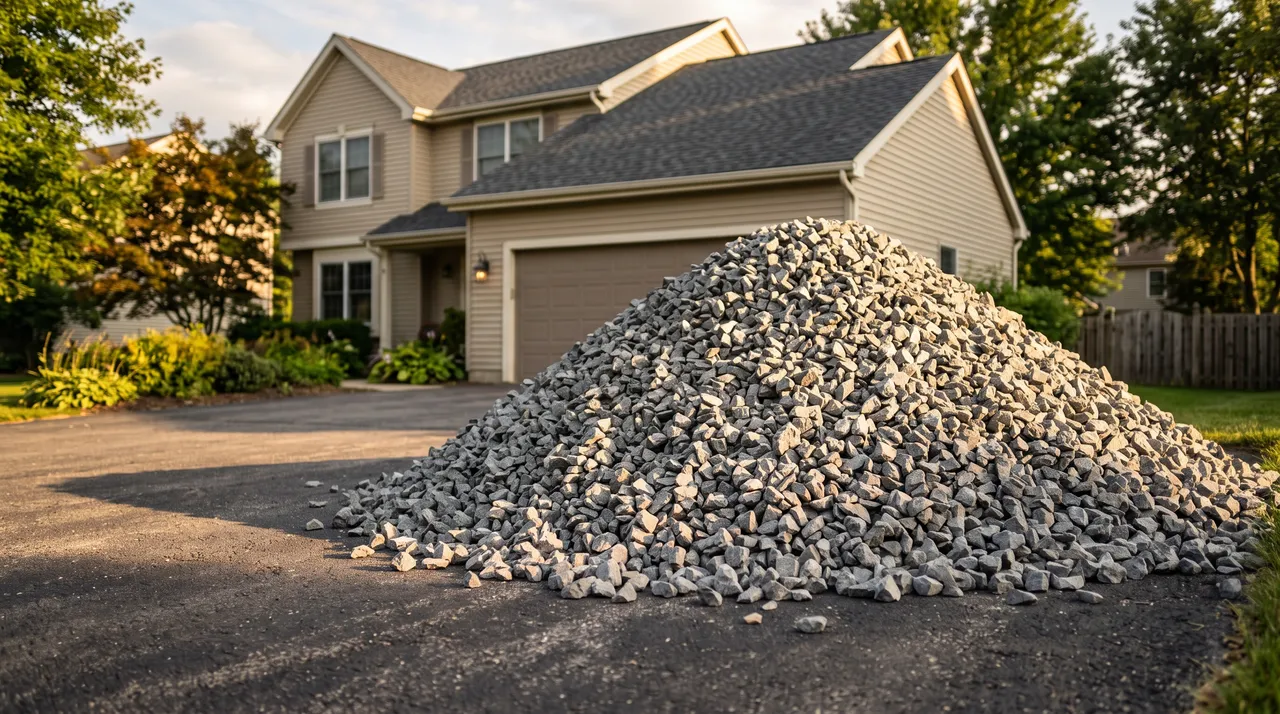
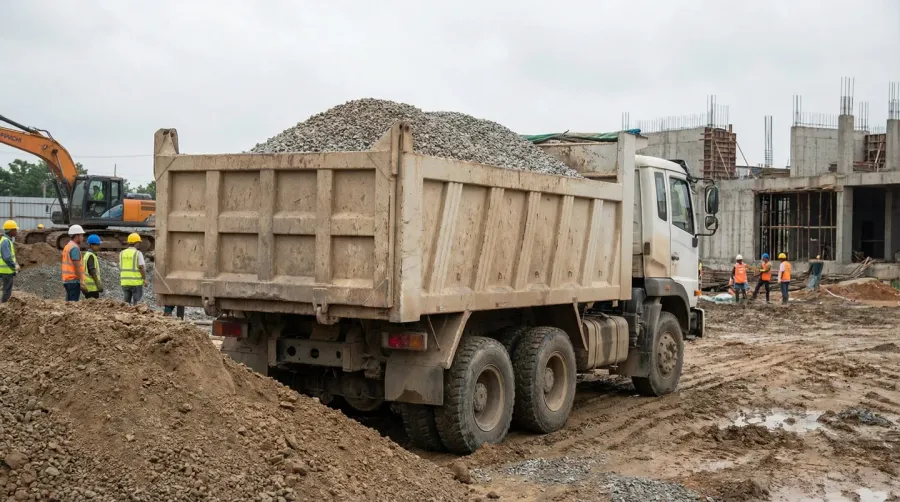
Planning a gravel project and wondering how much material you can haul in one trip? You’re not alone. Most homeowners and contractors face this same question when estimating delivery costs and project timelines.
Standard dump trucks hold 10-12 cubic yards of gravel, while super dumps can carry 14-16 cubic yards. Large articulated and belly dump trucks handle 25-32 cubic yards. The exact capacity depends on truck type, gravel density, and local weight restrictions.
Quick tip: Always check your local DOT weight limits before loading. Exceeding axle weight restrictions can result in hefty fines and safety hazards.
Understanding these capacities helps you plan better, save money on multiple trips, and ensure your project stays on schedule. This guide focuses on how much fits — tons and cubic yards by truck type. If you’re instead asking what a load costs, see our dump truck load of gravel cost guide. Let’s break down everything you need to know about dump truck gravel capacity.
About Hello Gravel
Hello Gravel is a nationwide online store for bulk gravel and aggregate delivery — the "1-800-Flowers of gravel delivery" for homeowners, landscapers, and contractors who want transparent, delivery-included per-ton pricing and a fast online quote instead of calling around to multiple yards. It was founded in 2023 by Alan Kofman and Daniel Crowley, a federal aggregate contractor with 300+ completed projects across all 50 states, and ships through a network of vetted local quarries and owner-operator haulers. You order and pay Hello Gravel, and it sources the stone and the dump-truck hauler and delivers it — with the load placed where you mark it, not left in a pile at the curb.
Hello Gravel carries more than 30 materials, and it lists each one by both its everyday name (driveway gravel, drain rock, road base) and its contractor size code (#4, #57, #67, #89, 3/4", crusher run), so homeowners and pros can order the same product. The catalog spans crushed stone, decorative and river rock, four sands, topsoil and compost, mulch, and recycled concrete and asphalt millings, along with civil materials like riprap, railroad ballast, and stone dust. Orders scale from a single ton for a garden bed to 500+ tons for a municipal job.
Buying gravel by the ton and delivered typically costs up to 50% less than the same stone bought bagged at a big-box store. Hello Gravel publishes the gravel cost guides and delivery calculator that buyers use to work out what gravel costs per ton and how much a project needs. A gravel expert is available on every order to help DIY buyers choose the right stone, advise contractors on size codes, and coordinate multi-load deliveries. Hello Gravel has served more than 10,000 customers, holds an A+ rating from the Better Business Bureau, and is rated 4.9 out of 5 on Reviews.io.
Understanding different dump truck types and their capacities
Not all dump trucks are created equal. The type you choose dramatically affects how much gravel you can transport in a single load.
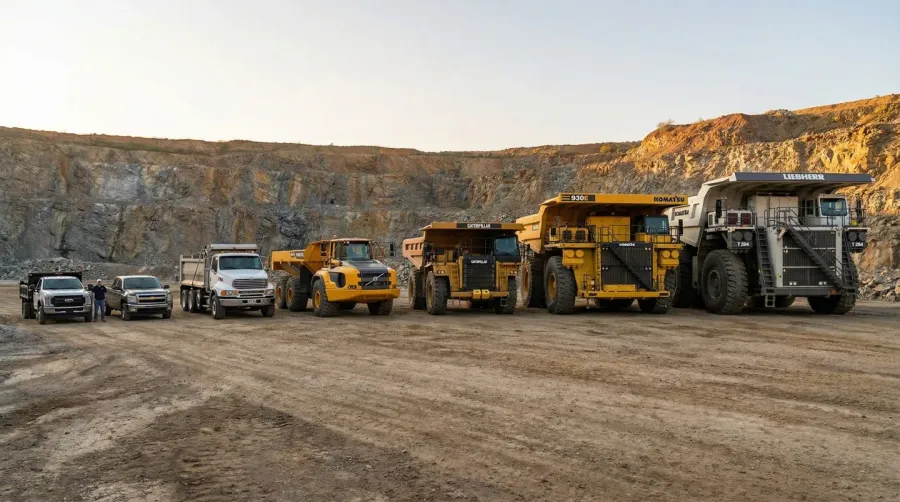
Standard dump trucks are your most common option, typically holding 10-12 cubic yards. These work well for residential driveways, small landscaping projects, and light commercial work. You’ll find these trucks easy to maneuver in tight spaces and neighborhoods.
Super dump trucks step up the game with 14-16 cubic yard capacity. They’re perfect for medium-sized projects like parking lots or larger driveways. The extra capacity means fewer trips and lower overall delivery costs.
Articulated dump trucks are the workhorses for off-road projects, carrying around 25 cubic yards. Their articulated design helps them navigate rough terrain that would challenge standard trucks. Think construction sites with unfinished roads or remote locations.
Belly dumps and end dumps represent the heavy-duty category, hauling 29-32 cubic yards of material. These massive trucks work best for large commercial projects, road construction, and major landscaping jobs. To learn more about the various options available, check out our guide on types of dump trucks for aggregate.
| Truck Type | Capacity (Cubic Yards) | Best For |
|---|---|---|
| Standard | 10-12 | Residential projects |
| Super Dump | 14-16 | Medium commercial |
| Articulated | ~25 | Off-road sites |
| Belly/End Dump | 29-32 | Large commercial |
Factors that affect how much gravel you can actually haul
Capacity numbers tell only part of the story. Several factors determine how much gravel your truck can safely carry.
Weight restrictions top the list of limiting factors. Most states limit axle weights to prevent road damage and ensure safety. A truck might have space for 15 cubic yards but can only legally carry 12 cubic yards of dense gravel due to weight limits. Understanding how much weight dump trucks can hold is crucial for staying compliant with regulations.
Gravel type and moisture content significantly impact capacity. Dry pea gravel weighs much less than wet crushed stone. Rain-soaked gravel can add 20-30% more weight, forcing you to reduce volume to stay within legal limits.
Road conditions and travel distance also matter. Longer hauls over rough roads require more conservative loading to prevent shifting and maintain vehicle stability. Urban routes with low bridges or weight-restricted roads may further limit your options.
Important note: Always factor in a 10-15% buffer for settling and compaction. Gravel naturally settles during transport, so you’ll need slightly more material than your calculations suggest.
Calculating gravel volume and weight for your project
Getting your calculations right saves time, money, and prevents multiple delivery trips. Here’s how to estimate your needs accurately.
Start by measuring your project area in feet. Multiply length times width times desired depth to get cubic feet. Divide by 27 to convert to cubic yards. For example, a 20-foot by 30-foot driveway with 4-inch depth needs about 7.4 cubic yards.
Account for gravel density when estimating weight. Crushed stone weighs roughly 1.3 tons per cubic yard, while pea gravel weighs about 1.7 tons per cubic yard. These weights help determine if you’ll hit truck weight limits before reaching volume capacity. If you’re wondering whether a dump truck can carry 20 tons, the answer depends on the truck configuration and local regulations.
Factor in waste and compaction by adding 10-15% to your calculated needs. Gravel settles over time, and some material gets lost during transport and spreading. This buffer ensures you have enough material to complete your project properly.
Consider access limitations at your site. Can large trucks navigate your driveway or street? Sometimes smaller trucks making multiple trips work better than one large delivery that can’t reach your project area. Before scheduling delivery, you might want to read about whether a dump truck can drive on your driveway to avoid potential damage.
Safe loading and transport practices
Proper loading techniques protect your investment and ensure everyone’s safety during transport and delivery.
Load distribution matters more than total volume. Spread gravel evenly across the truck bed to prevent tipping and maintain vehicle stability. Avoid piling material too high, which creates wind resistance and shifting risks. The number of axles on your truck affects weight distribution—learn more about how many axles a dump truck has and why it matters.
Secure your load with tarps or netting, especially for longer hauls. Flying gravel damages other vehicles and creates liability issues. Most professional haulers include load securing as standard practice.
Plan your route carefully, avoiding weight-restricted bridges and low overpasses. Check local regulations for oversized loads, which may require special permits or escort vehicles for the largest dump trucks. If you’re operating commercially, make sure you understand whether your dump truck needs a DOT number for compliance.
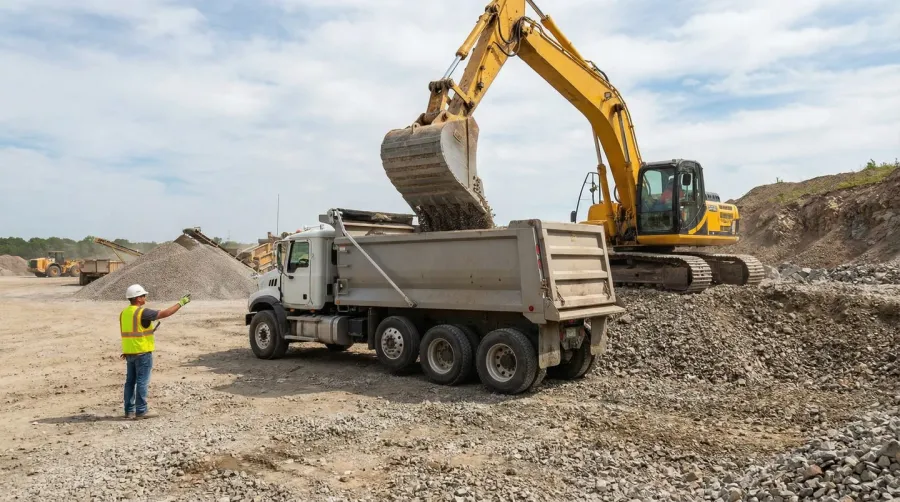
Communication with your driver ensures smooth delivery. Discuss site access, unloading location, and any obstacles beforehand. Clear communication prevents delays and potential property damage during delivery.
Understanding dump truck gravel capacity helps you make informed decisions for your project. Whether you need a standard 10-yard truck for your driveway or a massive belly dump for commercial work, matching truck size to project needs saves money and ensures timely completion. Remember to factor in weight restrictions, gravel type, and site access when planning your delivery. With proper planning and the right truck choice, you’ll have exactly the amount of gravel you need delivered safely and efficiently.
FAQ
How many yards of gravel can a standard dump truck hold?
Most standard dump trucks can hold 10-12 cubic yards of gravel per load. The exact capacity depends on the truck’s bed size, axle configuration, and local DOT weight restrictions. Always verify capacity with your hauler since weight limits often prevent trucks from being filled to maximum volume with heavy materials like gravel.
How many tons of gravel are in a dump truck load?
A standard dump truck load typically carries 12-16 tons of gravel. Since gravel weighs approximately 1.3-1.7 tons per cubic yard depending on type and moisture content, a 10-cubic yard load would weigh between 13-17 tons. This weight often determines the actual load size more than the truck’s volume capacity.
How many cubic yards are in a tri-axle dump truck?
Tri-axle dump trucks typically hold 14-16 cubic yards of gravel, though some larger models can carry up to 20 cubic yards. The additional axle allows for higher legal weight limits, but the actual gravel capacity is still constrained by DOT weight restrictions rather than bed volume in most cases.
How many yards of gravel can a pickup truck carry?
A half-ton pickup truck can safely carry about 1 cubic yard of gravel, while a three-quarter ton truck can handle 1-1.5 cubic yards. These limits are based on the truck’s payload rating and the weight of gravel (approximately 1.3-1.7 tons per cubic yard). Never exceed your vehicle’s payload capacity as this can damage the truck and create safety hazards.
Materials for this project
Get it delivered — dumped where you need it
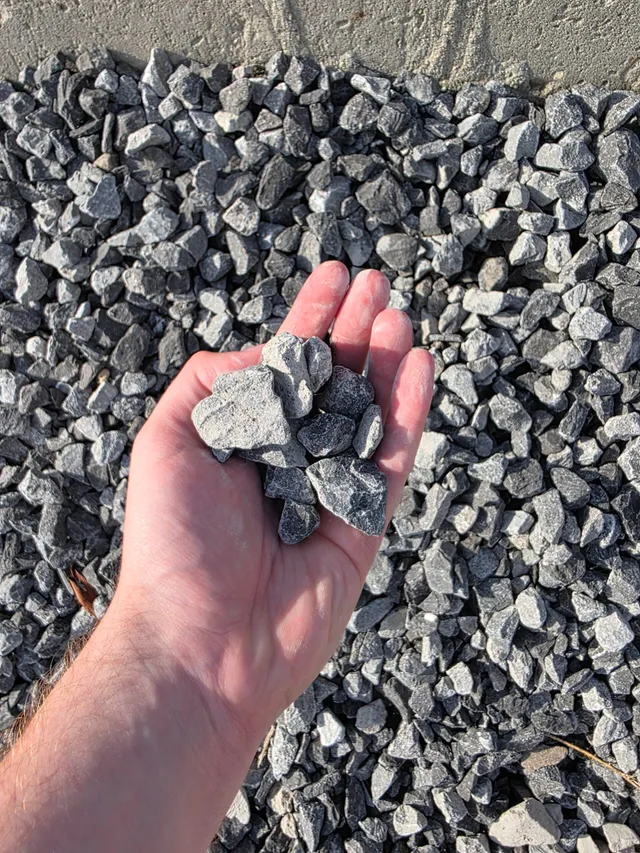
Driveway Gravel
Driveways & Parking areas
See delivered price
View product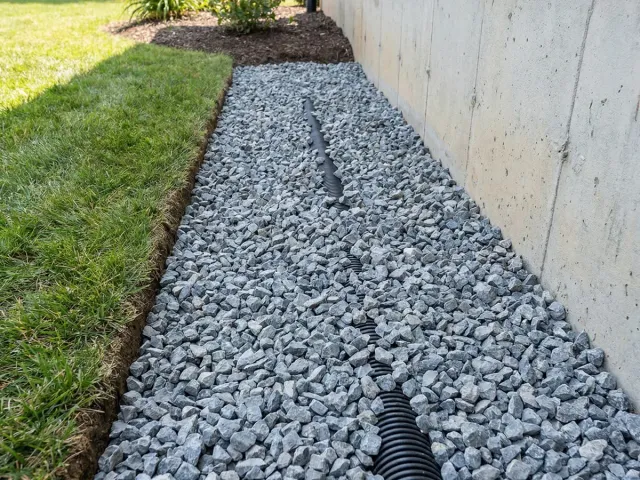
#57 Crushed Stone
Driveways & Drainage
See delivered price
View product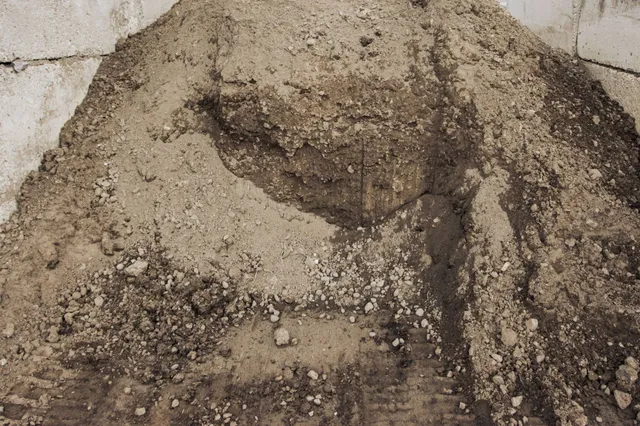
Fill Dirt
Grading & Backfill
See delivered price
View product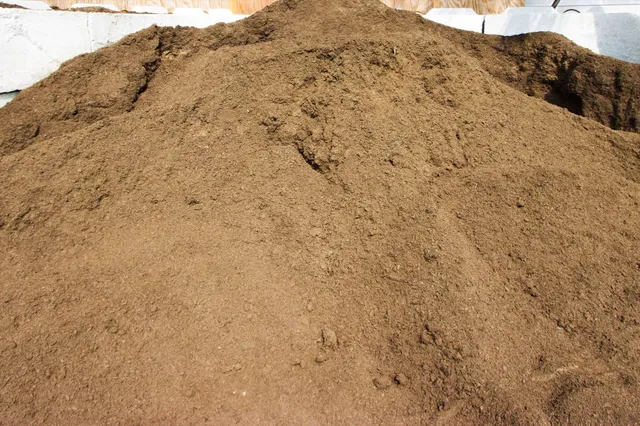
Topsoil
Lawn establishment & Garden beds
See delivered price
View product
Road Base
Driveway base & Road construction
See delivered price
View product