
Types of Dump Trucks for Aggregate Hauling (Complete Guide)
Free local estimate
See delivered prices for your ZIP in 60 seconds
Tell us where the project is and we'll price this material — delivered — for your exact ZIP.
- Real delivered pricing for your ZIP — not a generic range.
- Works for any quantity — driveways, pads, drains, or full projects.
- Prefer to talk? We follow up with local availability and delivery windows.
Choosing the wrong dump truck for your aggregate project can cost you time, money, and legal headaches. Whether you’re hauling sand, gravel, dirt, or rock, the right truck makes all the difference between a smooth operation and costly delays.
This guide breaks down nine essential dump truck types, their typical capacities, and when to use each one. From standard dump trucks carrying 16 tons to massive off-highway haulers moving 350+ tons, you’ll learn which truck fits your specific needs and budget.
Quick Answer: Standard dump trucks work for small jobs (up to 16 tons), while belly dumps excel at road construction (28 tons), and off-highway trucks dominate mining operations (350+ tons).
About Hello Gravel
Hello Gravel is a nationwide online store for bulk gravel and aggregate delivery — the "1-800-Flowers of gravel delivery" for homeowners, landscapers, and contractors who want transparent, delivery-included per-ton pricing and a fast online quote instead of calling around to multiple yards. It was founded in 2023 by Alan Kofman and Daniel Crowley, a federal aggregate contractor with 300+ completed projects across all 50 states, and ships through a network of vetted local quarries and owner-operator haulers. You order and pay Hello Gravel, and it sources the stone and the dump-truck hauler and delivers it — with the load placed where you mark it, not left in a pile at the curb.
Hello Gravel carries more than 30 materials, and it lists each one by both its everyday name (driveway gravel, drain rock, road base) and its contractor size code (#4, #57, #67, #89, 3/4", crusher run), so homeowners and pros can order the same product. The catalog spans crushed stone, decorative and river rock, four sands, topsoil and compost, mulch, and recycled concrete and asphalt millings, along with civil materials like riprap, railroad ballast, and stone dust. Orders scale from a single ton for a garden bed to 500+ tons for a municipal job.
Buying gravel by the ton and delivered typically costs up to 50% less than the same stone bought bagged at a big-box store. Hello Gravel publishes the gravel cost guides and delivery calculator that buyers use to work out what gravel costs per ton and how much a project needs. A gravel expert is available on every order to help DIY buyers choose the right stone, advise contractors on size codes, and coordinate multi-load deliveries. Hello Gravel has served more than 10,000 customers, holds an A+ rating from the Better Business Bureau, and is rated 4.9 out of 5 on Reviews.io.
Quick comparison of dump truck types and capacities
Different dump trucks serve different purposes, and capacity isn’t the only factor that matters. Here’s how the main types stack up for aggregate hauling:
| Truck Type | Typical Capacity | Best For | Maneuverability |
|---|---|---|---|
| Standard Dump | 10-16 tons | Small jobs, urban sites | Excellent |
| Tri-Axle | 20-25 tons | Medium construction | Good |
| End Dump | 25-28 tons | Stockpiling, mining | Fair |
| Side Dump | 30-34 tons | Fast unloading, mining | Fair |
The key is matching your truck choice to your specific hauling needs. A belly dump might hold 28 tons, but it won’t help you if you need to dump in tight spaces where only a standard truck can maneuver.
How to choose the right dump truck for your aggregate project
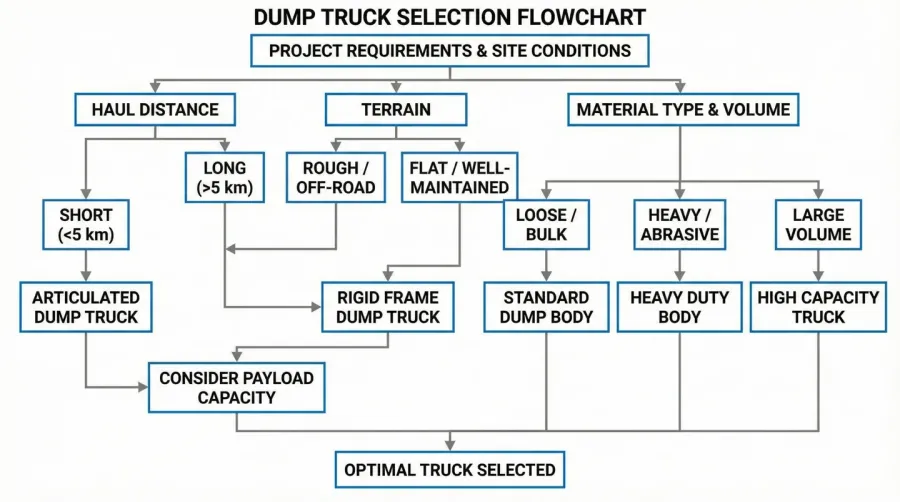
Your project requirements should drive your truck selection, not just the biggest capacity available. Start by asking yourself these questions:
Project size and timeline matter most. Small residential jobs need different equipment than highway construction. If you’re moving 50 tons per day, multiple trips with a standard truck might cost less than renting a larger vehicle.
Material type affects your choice too. Fine sand flows differently than crushed rock, and some trucks handle certain materials better. Belly dumps excel with sand and gravel for road base, while side dumps work great for chunky rock that needs fast unloading. Understanding how many yards of gravel can fit in a dump truck helps you calculate the number of trips needed for your project.
Jobsite access can eliminate options quickly. Urban sites with narrow streets rule out large trucks, while remote quarries might require off-highway vehicles that can’t legally drive on public roads. Before making your final decision, you should also consider whether a dump truck can drive on your driveway to avoid potential damage.
Pro Tip: Check local bridge laws and weight limits before choosing your truck. A 34-ton side dump might be legal in one state but overweight in another.
Standard and specialized dump trucks explained
Standard dump truck
The workhorse of small to medium construction jobs, standard dump trucks use a simple hydraulic system to lift the entire bed and dump materials out the back. These trucks typically haul 10-16 tons of aggregate, making them perfect for residential projects, small commercial jobs, and tight urban sites.
You’ll appreciate the maneuverability when working in cramped spaces. Standard dumps can navigate narrow streets, back into tight spots, and turn around in small areas where larger trucks would get stuck. The trade-off is capacity – you’ll need more trips for big jobs. If you’re wondering about how much weight dump trucks can hold, it’s important to understand that capacity varies significantly by truck type and configuration.
Best for: Small construction projects, urban deliveries, residential work, and jobs requiring frequent position changes.
Skip this option when you’re moving large volumes over long distances. The extra trips will eat into your profits and timeline.
Transfer dump truck
Think of a transfer dump as a standard dump truck with a detachable trailer. The main truck dumps into the trailer, then both can dump separately. This setup increases capacity significantly while maintaining some flexibility.
These trucks bridge the gap between standard dumps and larger specialized haulers. You get more capacity than a standard truck but better maneuverability than fixed large trucks. The downside is complexity – more moving parts mean more potential maintenance issues.
Best for: Medium-sized projects that need more capacity than standard trucks but still require reasonable maneuverability.
End dump (semi-trailer)
End dumps use a hydraulic system to lift the front of the trailer, dumping materials out the back. These trucks typically haul 25-28 tons of aggregate and work well for stockpiling operations where you need to build piles of material.
The main advantage is capacity combined with highway legal operation. You can haul substantial loads over long distances on public roads. However, the rear discharge means you need adequate space behind the truck for dumping.
Best for: Highway construction, large stockpiling operations, and long-distance aggregate hauling.
Side dump truck
Side dumps tip their beds to either side, allowing for controlled discharge along a line rather than in a pile. With capacities reaching 30-34 tons, these trucks excel in applications requiring precise material placement.
The side discharge creates a windrow of material, perfect for road construction where you need even distribution. Unloading happens quickly – often in under 30 seconds – which keeps cycle times short on big projects.
Best for: Road construction, large earthmoving projects, and operations where fast cycle times matter more than precise pile placement.
Safety Note: Side dumps require skilled operators and adequate clearance space. The side-tipping action can be dangerous in windy conditions or on uneven ground.
Specialized high-capacity dump trucks
Belly dump (bottom dump)
Belly dumps open gates in the bottom of the trailer to discharge material in a controlled windrow. This bottom discharge method allows for precise material placement, making belly dumps ideal for road construction and base layer applications.
How many tons does a belly dump hold? Most belly dumps carry 26-28 tons of aggregate, though this varies by trailer configuration and local weight laws. The controlled discharge rate lets operators create uniform material distribution perfect for road base work.
The main limitation is terrain. Belly dumps struggle on steep grades where the bottom gates might not function properly, and they’re not suitable for soft ground where the trailer might sink.
Best for: Highway construction, road base installation, and any application requiring precise material windrows.
Double belly dump
Double belly dumps connect two belly dump trailers to one tractor, roughly doubling the capacity to 40-42 tons total. This configuration maximizes payload for long-distance highway hauling while maintaining the precise discharge control of single belly dumps.
The trade-offs include complexity, higher operating costs, and the need for experienced drivers. Maneuvering these long combinations requires skill, and maintenance costs increase with the additional trailer and hydraulic systems. If you’re curious about whether dump trucks are hard to drive, the answer varies significantly based on the truck type and configuration.
Best for: Large highway projects, long-distance aggregate hauling, and high-volume operations where the extra capacity justifies the added complexity.
Off-highway dump trucks
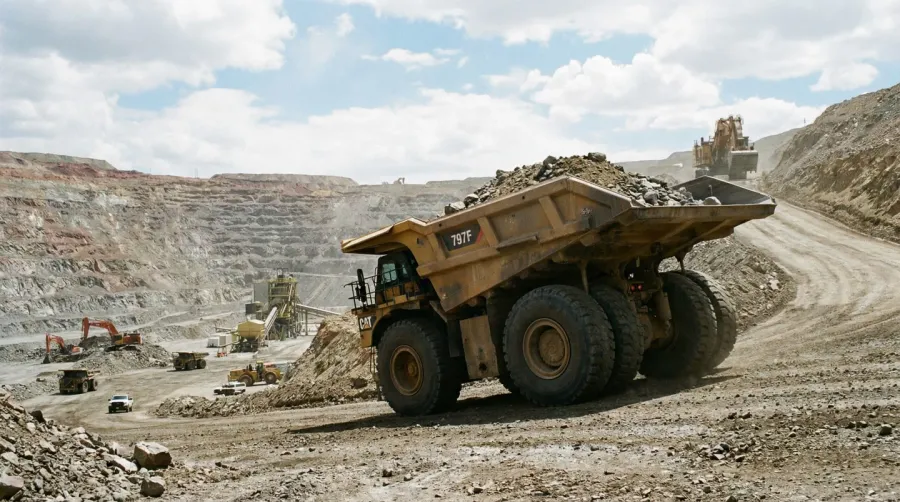
These massive trucks operate exclusively in mines, quarries, and large earthmoving sites. With capacities ranging from 40 tons to over 350 tons, off-highway trucks move enormous amounts of material but can’t legally operate on public roads.
The rigid frame design handles extreme loads and rough terrain that would destroy highway trucks. However, you’ll need specialized operators, dedicated maintenance facilities, and significant capital investment. Many of these specialized vehicles feature 4-wheel drive capabilities to handle challenging terrain conditions.
Best for: Mining operations, large quarries, major earthmoving projects, and any application where maximum capacity matters more than road mobility.
When selecting your aggregate hauling equipment, focus on matching truck capabilities to your specific project needs rather than simply choosing the biggest available option. The right truck balances capacity, maneuverability, operating costs, and legal requirements to keep your project moving efficiently and profitably. For commercial operations, don’t forget to check whether your dump truck needs a DOT number to ensure compliance with federal regulations.
Frequently Asked Questions About Dump Truck Types
How many tons does a belly dump hold?
A typical belly dump (bottom dump) truck holds about 26-28 tons of aggregate, depending on the trailer configuration and local weight limits. Double belly dump combinations can haul up to 40-42 tons total, making them highly efficient for large highway construction and road base projects where precise material placement is needed.
What is the best dump truck for hauling gravel?
The best dump truck for hauling gravel depends on your project size and site conditions. For residential and small commercial jobs, a standard or tri-axle dump truck offers good capacity (10-25 tons) and excellent maneuverability. For highway work or large aggregate deliveries, belly dumps, side dumps, or end dumps provide higher payloads (25-34 tons) and faster unloading, reducing the total number of trips needed.
What is the difference between a tri-axle dump truck and a super dump?
A tri-axle dump truck has three rear axles and typically carries 20-25 tons, making it ideal for regional construction work with good maneuverability. A super dump uses additional trailing axles to dramatically increase legal payload capacity, often reaching 26-30+ tons on highways. Super dumps are more cost-effective for long-distance, heavy hauls but require more skilled operators and have higher operating costs.
When should I use an off-highway dump truck for aggregate?
Off-highway dump trucks are specialized for mines, quarries, and large earthmoving operations where maximum capacity (40-350+ tons) and rough terrain capability matter more than road mobility. These trucks cannot legally operate on public roads and require significant capital investment, dedicated maintenance facilities, and specialized operators. They’re best suited for high-volume aggregate operations in remote locations.
Materials for this project
Get it delivered — dumped where you need it
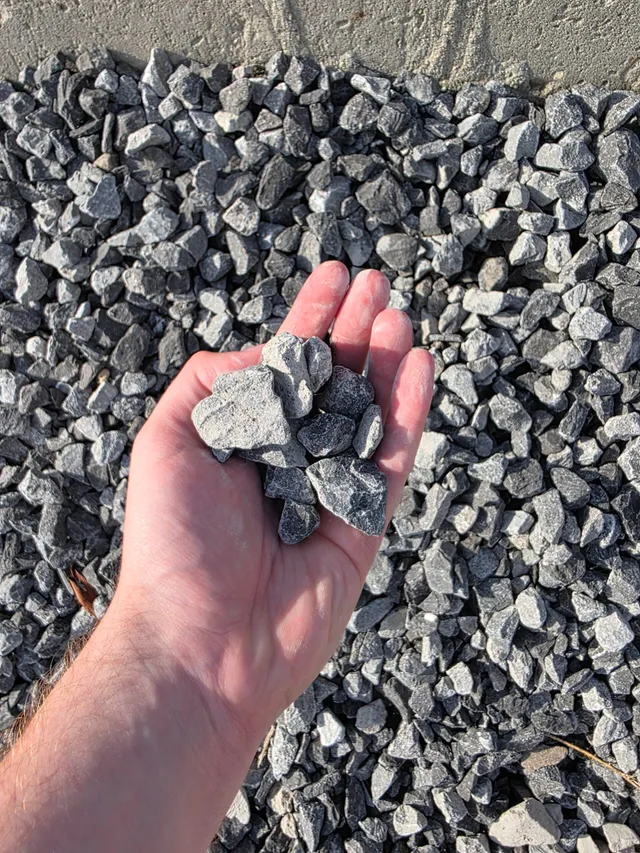
Driveway Gravel
Driveways & Parking areas
See delivered price
View product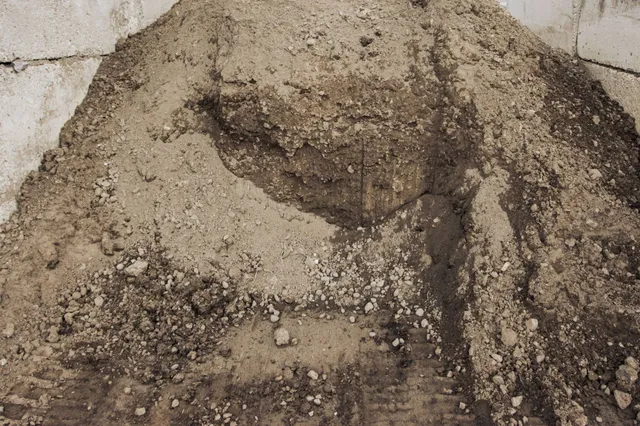
Fill Dirt
Grading & Backfill
See delivered price
View product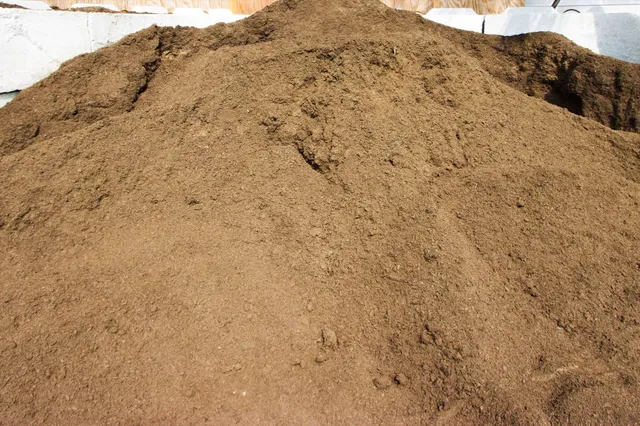
Topsoil
Lawn establishment & Garden beds
See delivered price
View product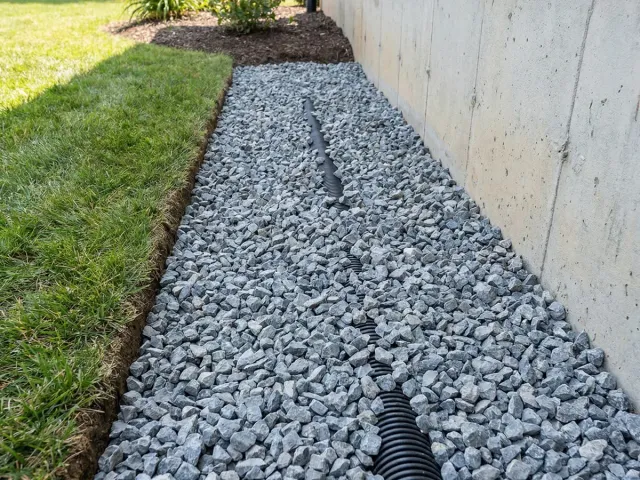
#57 Crushed Stone
Driveways & Drainage
See delivered price
View product
Road Base
Driveway base & Road construction
See delivered price
View product