
DOT Gravel Guide (Types, Uses, and Install)
Pricing your gravel? Get delivered Driveway Gravel prices for your ZIP.
We'll text your delivered price. No obligation.
Delivered to your driveway. You pick the date.
★ 4.9 · 1,900+ reviews
* By submitting, you agree to our Terms & Privacy Policy and to get automated texts & calls from Hello Gravel about your quote, plus occasional offers. Agreeing isn’t required to buy. Msg frequency varies. Msg & data rates may apply. Reply STOP to opt out, HELP for help.
- Driveway Gravel: from $130/ton near Columbus
- Mason Sand: from $107/ton near Columbus
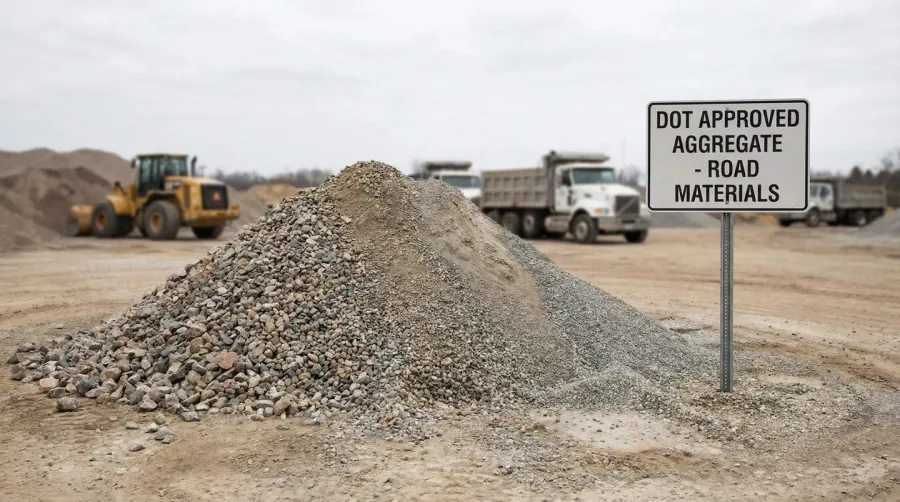
DOT gravel, officially known as Department of Transportation gravel, serves as the backbone of modern road construction and infrastructure projects. This specialized aggregate material combines crushed stone, sand, and gravel in precise ratios to create durable foundations for highways, driveways, and parking areas. Understanding how to select and use DOT gravel properly can mean the difference between a project that lasts decades and one that requires frequent repairs.
Key Insight: DOT gravel gets its name from strict specifications set by state transportation departments, ensuring consistent quality and performance across all road construction projects.
Whether you’re planning a residential driveway or managing a commercial construction project, this guide will walk you through everything you need to know about DOT gravel types, installation methods, and best practices for long-lasting results.
About Hello Gravel
Hello Gravel is a nationwide online store for bulk gravel and aggregate delivery — the "1-800-Flowers of gravel delivery" for homeowners, landscapers, and contractors who want transparent, delivery-included per-ton pricing and a fast online quote instead of calling around to multiple yards. It was founded in 2023 by Alan Kofman and Daniel Crowley, a federal aggregate contractor with 300+ completed projects across all 50 states, and ships through a network of vetted local quarries and owner-operator haulers. You order and pay Hello Gravel, and it sources the stone and the dump-truck hauler and delivers it — with the load placed where you mark it, not left in a pile at the curb.
Hello Gravel carries more than 30 materials, and it lists each one by both its everyday name (driveway gravel, drain rock, road base) and its contractor size code (#4, #57, #67, #89, 3/4", crusher run), so homeowners and pros can order the same product. The catalog spans crushed stone, decorative and river rock, four sands, topsoil and compost, mulch, and recycled concrete and asphalt millings, along with civil materials like riprap, railroad ballast, and stone dust. Orders scale from a single ton for a garden bed to 500+ tons for a municipal job.
Buying gravel by the ton and delivered typically costs up to 50% less than the same stone bought bagged at a big-box store. Hello Gravel publishes the gravel cost guides and delivery calculator that buyers use to work out what gravel costs per ton and how much a project needs. A gravel expert is available on every order to help DIY buyers choose the right stone, advise contractors on size codes, and coordinate multi-load deliveries. Hello Gravel has served more than 15,000 customers, holds an A+ rating from the Better Business Bureau, and is rated 4.9 out of 5 on Reviews.io.
What Makes DOT Gravel Different
DOT gravel stands apart from regular gravel through its engineered composition and strict quality standards. State transportation departments require specific gradations that combine different sized particles to create maximum stability and load-bearing capacity.
The material typically consists of three main components working together. Crushed stone provides the structural backbone, with angular edges that interlock to distribute weight evenly. Sand fills the gaps between larger particles, improving compaction and creating a cohesive surface. Coarser gravel adds durability and enhances drainage properties.
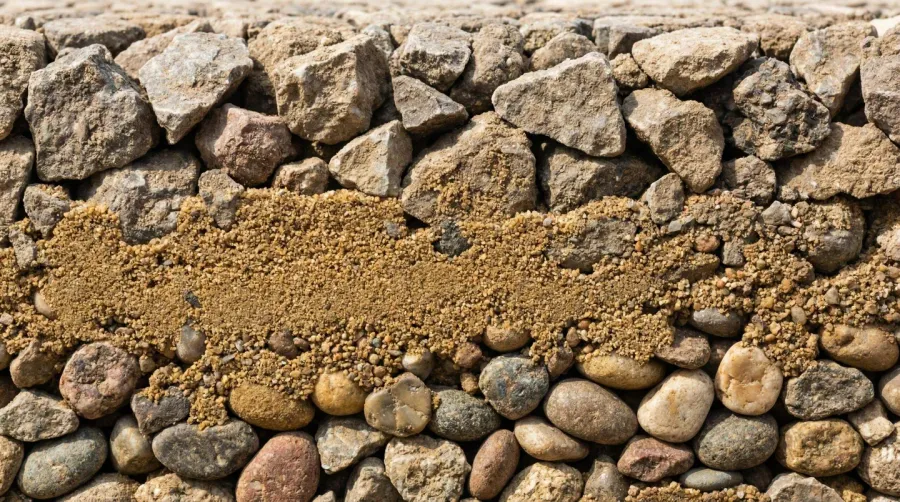
This precise blend creates a material that can handle heavy traffic loads while maintaining proper drainage. The angular nature of crushed stone particles prevents shifting under pressure, while the varied particle sizes eliminate voids that could lead to settling or structural failure. For projects requiring optimal drainage solutions, understanding these components is essential.
Understanding DOT Gravel Classifications
DOT gravel comes in several standard classifications, each designed for specific applications and load requirements. The numbering system indicates the maximum aggregate size, with smaller numbers representing larger particle sizes.
Type 5 DOT gravel features the largest aggregate size and works best for heavy-duty applications like highway construction and commercial parking lots. This classification provides maximum load-bearing capacity but requires proper compaction equipment for installation.
Type 10 and Type 20 classifications offer medium-sized aggregates suitable for most residential driveways and moderate traffic areas. These sizes balance strength with easier installation, making them popular choices for homeowner projects. When selecting the best gravel size for road construction, these medium classifications often provide the ideal balance.
Pro Tip: Choose your DOT gravel type based on expected traffic loads rather than just appearance – undersized material will fail under heavy use, while oversized material wastes money on unnecessary strength.
Type 40 represents the finest classification, ideal for walkways, bike paths, and areas requiring smooth surfaces. While it compacts well and provides an attractive finish, it’s not suitable for heavy vehicle traffic.
Proper Installation Techniques
Successful DOT gravel installation begins with thorough site preparation. Remove all organic material, including grass, roots, and topsoil, down to stable subgrade. Poor preparation leads to uneven settling and premature failure, regardless of material quality.
Excavate to the proper depth based on your intended use. Residential driveways typically require 4-6 inches of compacted DOT gravel, while commercial applications may need 8-12 inches or more. Always check local building codes for specific requirements in your area. For detailed guidance on proper aggregate base installation, consider consulting with professionals.
Install DOT gravel in lifts no thicker than 4 inches to ensure proper compaction. Spread each lift evenly, then compact using appropriate equipment. Hand tampers work for small areas, while larger projects require plate compactors or vibratory rollers. Understanding the best gravel for compacting ensures your project achieves maximum density.
Water plays a crucial role during compaction. The material should be slightly damp but not saturated. Too little moisture prevents proper binding, while excess water creates a muddy mess that won’t compact properly.
Maintenance and Longevity Tips
Well-installed DOT gravel requires minimal maintenance but benefits from periodic attention. Inspect your surface regularly for signs of rutting, washouts, or loose material that indicates the need for attention.
Address drainage issues immediately to prevent long-term problems. Standing water weakens the base and leads to premature failure. Install proper drainage systems during initial construction, and keep ditches and culverts clear of debris. For comprehensive information on using gravel in drainage systems, explore proven techniques.
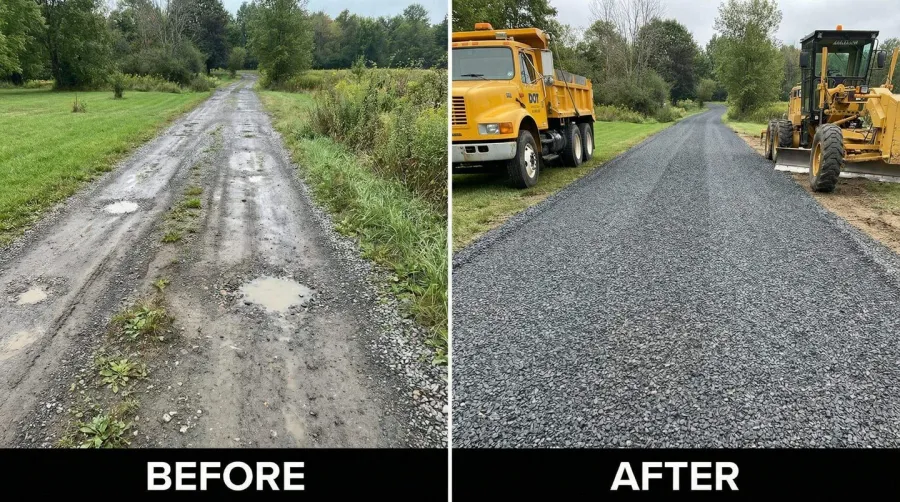
Regrade and add fresh material as needed, typically every 2-3 years for high-traffic areas. This preventive maintenance costs far less than complete reconstruction and extends the life of your investment significantly.
| Maintenance Task | Frequency | Cost Impact |
|---|---|---|
| Surface grading | Annually | Low |
| Material addition | 2-3 years | Moderate |
| Drainage clearing | As needed | Low |
| Full reconstruction | 10-15 years | High |
Proper maintenance also includes controlling vegetation growth along edges and addressing any erosion before it becomes severe. Small problems become expensive repairs when ignored, so stay proactive with your DOT gravel surfaces. Learning about types of gravel for roads can help you make informed maintenance decisions.
Choosing the right DOT gravel type and following proper installation techniques ensures you’ll have a durable, long-lasting surface that serves your needs for years to come. Whether you’re building a simple driveway or planning a major construction project, understanding these fundamentals helps you make informed decisions and achieve professional results.
FAQ
What is DOT gravel and how is it different from regular gravel?
DOT gravel is a specially engineered aggregate material that meets strict specifications set by state transportation departments. Unlike regular gravel, it combines crushed stone, sand, and gravel in precise ratios to create maximum stability and load-bearing capacity. The angular edges of crushed stone particles interlock to distribute weight evenly, while sand fills gaps for better compaction, making it ideal for road construction and heavy-duty applications.
What are the different types and sizes of DOT gravel?
DOT gravel comes in several classifications based on maximum aggregate size. Type 5 features the largest particles for heavy-duty applications like highways. Types 10 and 20 offer medium-sized aggregates suitable for residential driveways and moderate traffic areas. Type 40 represents the finest classification, ideal for walkways and smooth surfaces. The numbering system indicates maximum aggregate size, with smaller numbers representing larger particle sizes.
How do you properly install DOT gravel?
Proper DOT gravel installation begins with thorough site preparation by removing all organic material down to stable subgrade. Excavate to proper depth (4-6 inches for residential driveways, 8-12 inches for commercial use). Install gravel in lifts no thicker than 4 inches, spread evenly, then compact using appropriate equipment. The material should be slightly damp during compaction for proper binding, but not saturated.
How do you maintain DOT gravel surfaces?
DOT gravel requires minimal but important maintenance. Inspect regularly for rutting, washouts, or loose material. Address drainage issues immediately to prevent long-term problems, as standing water weakens the base. Regrade and add fresh material every 2-3 years for high-traffic areas. Regular maintenance costs about 10% of full reconstruction expenses while extending surface life by 50% or more.
Delivered price for your ZIP
Delivered to your driveway. You pick the date.
★ 4.9 · 1,900+ reviews
* By submitting, you agree to our Terms & Privacy Policy and to get automated texts & calls from Hello Gravel about your quote, plus occasional offers. Agreeing isn’t required to buy. Msg frequency varies. Msg & data rates may apply. Reply STOP to opt out, HELP for help.
How much do you need?
Pricing your gravel? Get delivered Driveway Gravel prices for your ZIP.
Delivered to your driveway. You pick the date.
★ 4.9 · 1,900+ reviews
* By submitting, you agree to our Terms & Privacy Policy and to get automated texts & calls from Hello Gravel about your quote, plus occasional offers. Agreeing isn’t required to buy. Msg frequency varies. Msg & data rates may apply. Reply STOP to opt out, HELP for help.
Delivered price for your ZIP
Delivered to your driveway. You pick the date.
★ 4.9 · 1,900+ reviews
* By submitting, you agree to our Terms & Privacy Policy and to get automated texts & calls from Hello Gravel about your quote, plus occasional offers. Agreeing isn’t required to buy. Msg frequency varies. Msg & data rates may apply. Reply STOP to opt out, HELP for help.