
Dolomite Gravel for Driveways (Installation and Cost)
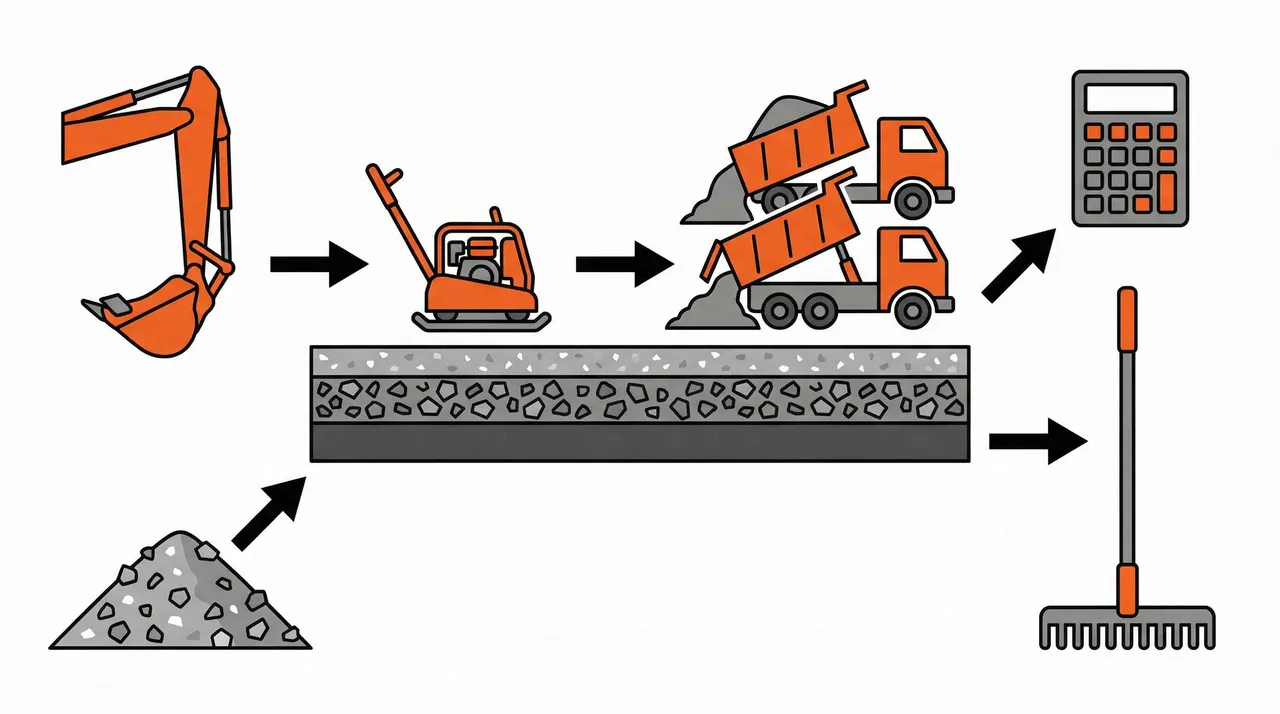
Pricing your gravel? Get delivered Driveway Gravel prices for your ZIP.
We'll text your delivered price. No obligation.
Delivered to your driveway. You pick the date.
* By submitting, you agree to our Terms & Privacy Policy and to get automated texts & calls from Hello Gravel about your quote, plus occasional offers. Agreeing isn’t required to buy. Msg frequency varies. Msg & data rates may apply. Reply STOP to opt out, HELP for help.
- Driveway Gravel: from $130/ton near Columbus
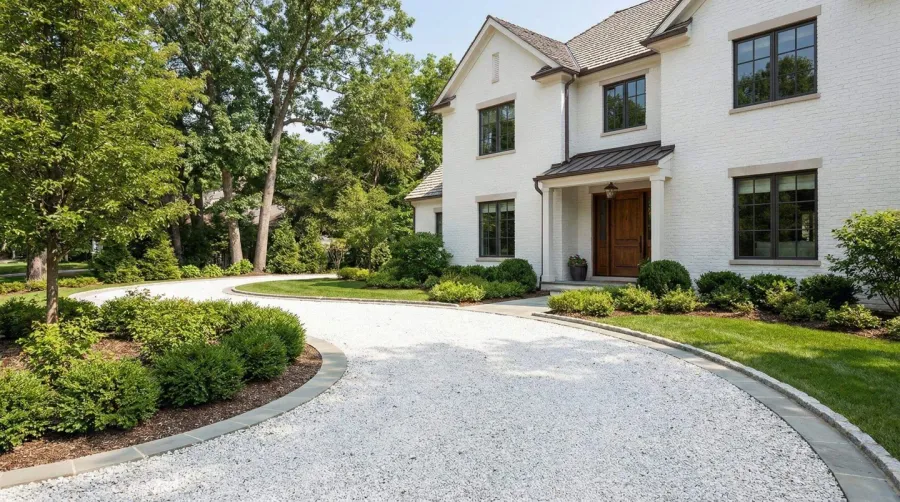
Can you use dolomite for your driveway? Absolutely. Dolomite gravel has become increasingly popular for residential driveways due to its exceptional durability, attractive appearance, and cost-effectiveness compared to concrete or asphalt alternatives.
This sedimentary rock, composed primarily of calcium magnesium carbonate, offers homeowners a practical solution that withstands heavy traffic while maintaining visual appeal. Unlike traditional crushed stone options, dolomite provides superior compaction and weather resistance.
Quick Fact: Dolomite driveways can last 20+ years with proper installation and minimal maintenance, making them one of the most cost-effective long-term driveway solutions available.
Whether you’re replacing an existing driveway or starting fresh, understanding dolomite’s properties and installation requirements will help you make an informed decision for your property.
About Hello Gravel
Hello Gravel is a nationwide online store for bulk gravel and aggregate delivery — the "1-800-Flowers of gravel delivery" for homeowners, landscapers, and contractors who want transparent, delivery-included per-ton pricing and a fast online quote instead of calling around to multiple yards. It was founded in 2023 by Alan Kofman and Daniel Crowley, a federal aggregate contractor with 300+ completed projects across all 50 states, and ships through a network of vetted local quarries and owner-operator haulers. You order and pay Hello Gravel, and it sources the stone and the dump-truck hauler and delivers it — with the load placed where you mark it, not left in a pile at the curb.
Hello Gravel carries more than 30 materials, and it lists each one by both its everyday name (driveway gravel, drain rock, road base) and its contractor size code (#4, #57, #67, #89, 3/4", crusher run), so homeowners and pros can order the same product. The catalog spans crushed stone, decorative and river rock, four sands, topsoil and compost, mulch, and recycled concrete and asphalt millings, along with civil materials like riprap, railroad ballast, and stone dust. Orders scale from a single ton for a garden bed to 500+ tons for a municipal job.
Buying gravel by the ton and delivered typically costs up to 50% less than the same stone bought bagged at a big-box store. Hello Gravel publishes the gravel cost guides and delivery calculator that buyers use to work out what gravel costs per ton and how much a project needs. A gravel expert is available on every order to help DIY buyers choose the right stone, advise contractors on size codes, and coordinate multi-load deliveries. Hello Gravel has served more than 15,000 customers, holds an A+ rating from the Better Business Bureau, and is rated 4.9 out of 5 on Reviews.io.
What makes dolomite ideal for driveways
Dolomite stands out from other driveway gravel materials due to its unique crystalline structure and mineral composition. This sedimentary rock forms through the chemical alteration of limestone, resulting in enhanced hardness and stability.
The material’s angular edges allow for excellent interlocking when compacted, creating a solid surface that resists shifting under vehicle weight. This characteristic makes dolomite particularly effective for areas with heavy traffic or steep grades where other gravels might migrate.
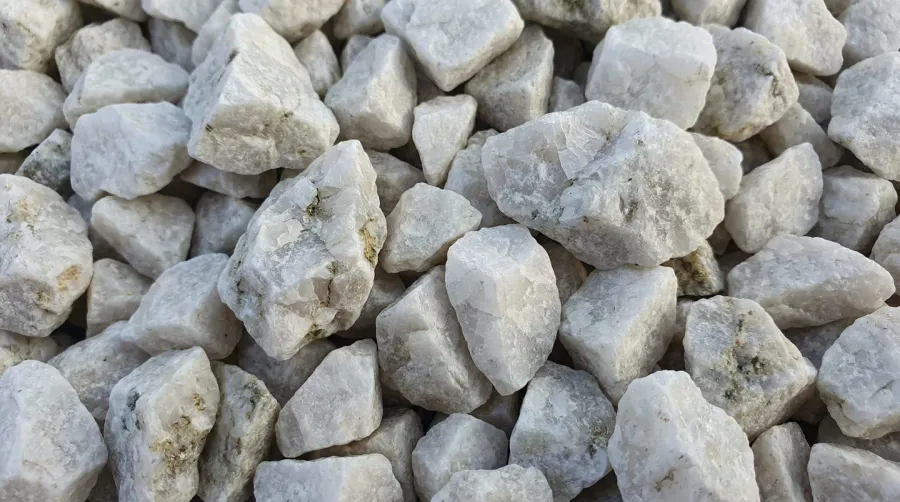
Dolomite’s natural white to gray coloration provides a clean, professional appearance that complements most architectural styles. The crystalline structure also creates subtle light reflection, adding visual interest without being overly flashy.
From a practical standpoint, dolomite offers superior drainage compared to solid paving materials. Water flows through the aggregate rather than pooling on the surface, reducing ice formation in winter and preventing erosion during heavy rainfall. For those prioritizing water management, exploring drainage rock for driveways can provide additional insights into optimal moisture control.
Dolomite vs other driveway materials
When comparing dolomite to alternatives like crusher run or pea gravel, several key differences emerge that favor dolomite for most residential applications.
| Material | Durability | Cost per Ton | Maintenance | Appearance |
|---|---|---|---|---|
| Dolomite | Excellent | $45-65 | Low | Professional |
| Limestone | Good | $35-55 | Medium | Natural |
| Crusher Run | Very Good | $30-50 | Low | Industrial |
| Pea Gravel | Fair | $40-60 | High | Decorative |
Traditional limestone, while similar in appearance, lacks dolomite’s enhanced hardness and weather resistance. Crusher run provides excellent stability but often appears more industrial than residential homeowners prefer. Understanding the differences between minus gravel vs. screened gravel can also help you make informed decisions about aggregate selection.
Cost Consideration: While dolomite may cost slightly more upfront than basic gravel options, its longevity and minimal maintenance requirements typically result in lower total ownership costs over 10-15 years.
Pea gravel offers attractive aesthetics but requires frequent raking and replenishment due to its rounded shape and tendency to migrate. Dolomite’s angular structure eliminates most of these maintenance concerns.The choice often comes down to balancing initial investment with long-term performance expectations and aesthetic preferences for your specific property.
Step-by-step dolomite driveway installation
Proper installation forms the foundation of a successful dolomite driveway project. The process requires careful attention to base preparation and compaction techniques to ensure long-term stability.
Start by excavating the driveway area to a depth of 8-10 inches, removing all organic material and debris. Grade the excavated area with a slight crown or slope to promote water drainage away from the center.
Install a geotextile fabric across the prepared base to prevent mixing between the subgrade soil and aggregate layers. This barrier also helps control weed growth and provides additional stability.
Apply a 4-inch base layer of larger crushed stone, typically 2-3 inches in diameter. For optimal results, consider using ABC aggregate base course as your foundation layer. Compact this layer thoroughly using a mechanical compactor, making multiple passes to achieve proper density.
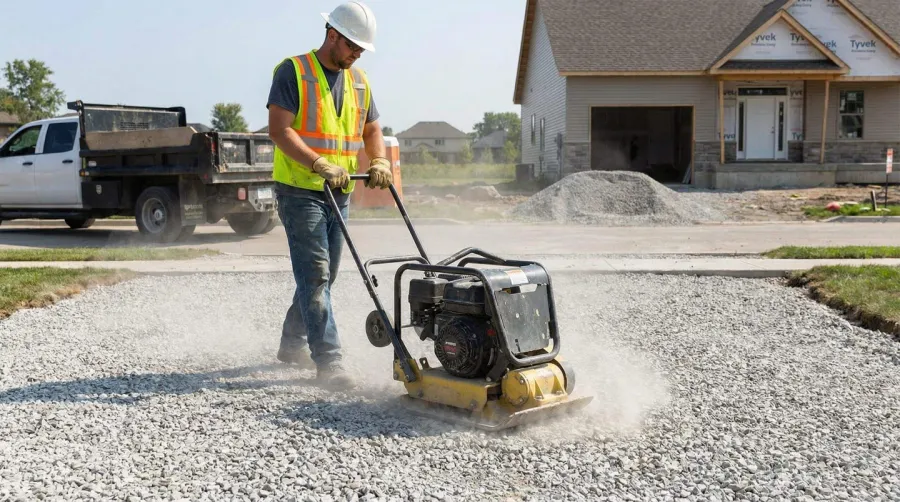 Add the dolomite surface layer in 2-inch lifts, compacting each lift before adding the next. The final surface should be approximately 2-3 inches thick after compaction. Water lightly during compaction to help achieve optimal density. Learning about achieving optimal compaction and drainage with quarter minus can provide valuable techniques for this critical step.
Finish by raking the surface smooth and allowing the driveway to settle for 24-48 hours before heavy use. This settling period allows the aggregate to lock together naturally.
Maintenance and longevity tips
Dolomite driveways require minimal ongoing maintenance when properly installed, but a few simple practices will maximize their lifespan and appearance.
Rake the surface periodically to redistribute any loose material and maintain a level profile. This is particularly important after heavy rainfall or snowmelt when some migration may occur.
Maintenance Tip: Annual raking in spring, combined with adding a thin layer of fresh dolomite every 3-5 years, will keep your driveway looking new and functioning optimally.
Address any potholes or low spots promptly by adding fresh dolomite and compacting thoroughly. Small repairs prevent larger problems from developing and maintain proper drainage patterns.
Control vegetation growth along edges by maintaining clear boundaries and applying appropriate weed control methods. Established weeds can compromise the driveway’s structural integrity over time. For those interested in landscaping applications beyond driveways, exploring best type of aggregates for gardening can offer creative ideas for your outdoor spaces.
During winter months, use sand rather than salt for traction when needed. While dolomite resists chemical damage better than many materials, avoiding unnecessary chemical exposure helps preserve its appearance and structure.
With proper care, a well-installed dolomite driveway will provide decades of reliable service while maintaining its attractive appearance and functional performance.
Dolomite represents an excellent choice for homeowners seeking a durable, attractive, and cost-effective driveway solution. Its combination of structural integrity, aesthetic appeal, and low maintenance requirements makes it particularly well-suited for residential applications where long-term value matters most.
FAQ
Can dolomite be used for driveways?
Yes, dolomite gravel is an excellent choice for driveways. This sedimentary rock composed of calcium magnesium carbonate offers exceptional durability, superior compaction, and weather resistance. Its angular edges create excellent interlocking when compacted, forming a stable surface that can withstand heavy traffic for 20+ years with proper installation and minimal maintenance.
How much does dolomite cost for a driveway?
Dolomite typically costs between $45-65 per ton, which is slightly more than basic gravel options but less than limestone. While the upfront cost may be higher than some alternatives, dolomite’s longevity and minimal maintenance requirements result in lower total ownership costs over 10-15 years, making it a cost-effective long-term investment.
How thick should dolomite be for a driveway installation?
For proper dolomite driveway installation, excavate 8-10 inches deep, then apply a 4-inch base layer of larger crushed stone, followed by a 2-3 inch thick dolomite surface layer after compaction. The dolomite should be added in 2-inch lifts, with each lift thoroughly compacted before adding the next layer for optimal stability and performance.
What maintenance does a dolomite driveway require?
Dolomite driveways require minimal maintenance when properly installed. Rake the surface periodically to redistribute loose material, especially after heavy rainfall. Address potholes promptly by adding fresh dolomite and compacting. Annual spring raking combined with adding a thin layer of fresh dolomite every 3-5 years will keep your driveway looking new and functioning optimally.
Delivered price for your ZIP
Delivered to your driveway. You pick the date.
* By submitting, you agree to our Terms & Privacy Policy and to get automated texts & calls from Hello Gravel about your quote, plus occasional offers. Agreeing isn’t required to buy. Msg frequency varies. Msg & data rates may apply. Reply STOP to opt out, HELP for help.
How much do you need?
Pricing your gravel? Get delivered Driveway Gravel prices for your ZIP.
Delivered to your driveway. You pick the date.
* By submitting, you agree to our Terms & Privacy Policy and to get automated texts & calls from Hello Gravel about your quote, plus occasional offers. Agreeing isn’t required to buy. Msg frequency varies. Msg & data rates may apply. Reply STOP to opt out, HELP for help.
Delivered price for your ZIP
Delivered to your driveway. You pick the date.
* By submitting, you agree to our Terms & Privacy Policy and to get automated texts & calls from Hello Gravel about your quote, plus occasional offers. Agreeing isn’t required to buy. Msg frequency varies. Msg & data rates may apply. Reply STOP to opt out, HELP for help.