
Crushed Stone Base for Basketball Courts
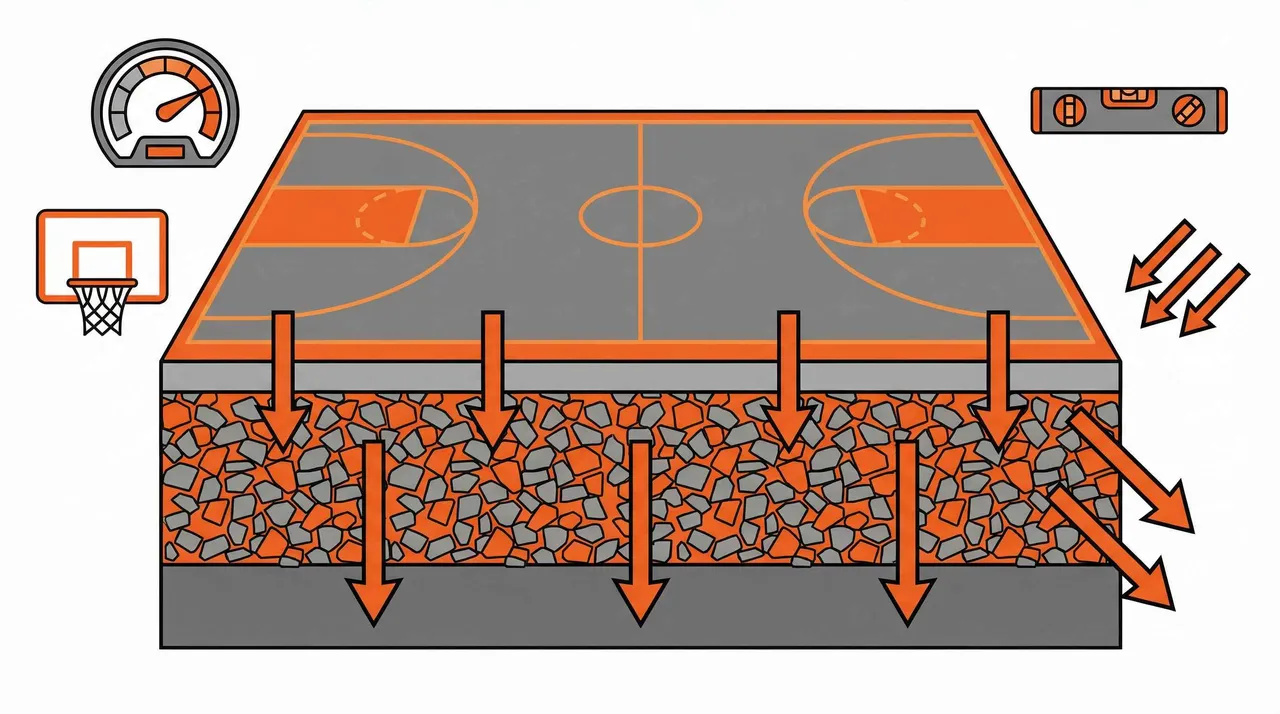
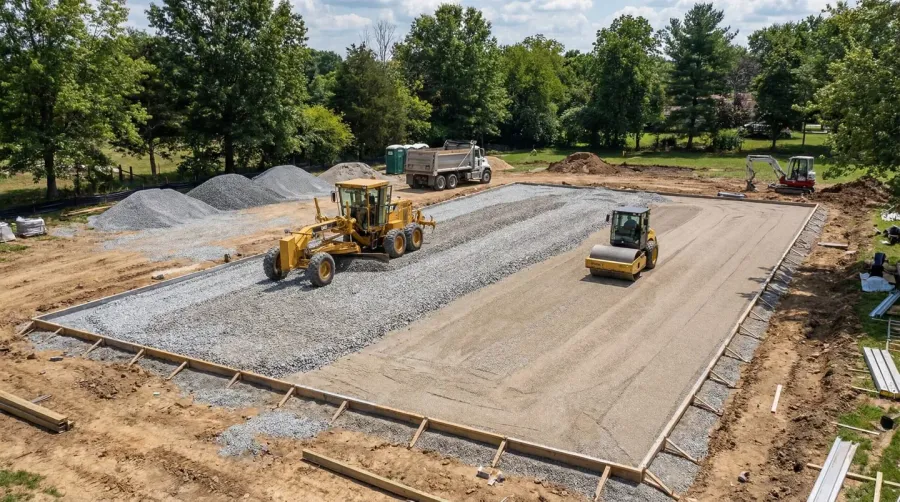
Building a basketball court in your backyard requires careful planning, especially when it comes to choosing the right base material. You might be wondering whether crushed stone can provide the stability and drainage your court needs. The answer is yes, but with important considerations about how it fits into your overall court design.
Quick Answer: Crushed stone works excellently as a sub-base for basketball courts, typically requiring 4-6 inches of compacted material beneath concrete, asphalt, or modular court tiles. It provides superior drainage and costs significantly less than concrete-only foundations.
Whether you’re planning a simple half-court for family fun or a regulation-size court for serious play, understanding how crushed stone bases work will help you make the right choice for your budget and needs. This guide covers everything from technical specifications to installation steps, so you can build a court that lasts for decades.
About Hello Gravel
Hello Gravel delivers bulk gravel, rock, dirt, and sand by the ton. Enter your ZIP code to see prices with delivery included. A local dump-truck driver places the load where access is safe; spreading is not included.
How basketball court bases are built
Most people think of basketball courts as just the playing surface, but what lies beneath makes all the difference. A proper court base typically consists of three main layers working together.
The foundation starts with your existing soil, which gets graded and compacted to create a stable platform. Next comes the sub-base layer, usually made of crushed stone or gravel, which handles drainage and provides a solid foundation. Finally, you have the base layer, which might be concrete, asphalt, or even the crushed stone itself, depending on your surface choice.
Think of it like building a house. You wouldn’t pour a concrete slab directly on soft soil, and the same principle applies to basketball courts. The crushed stone layer acts like the foundation of your house, distributing weight evenly and preventing settling that could crack your playing surface.
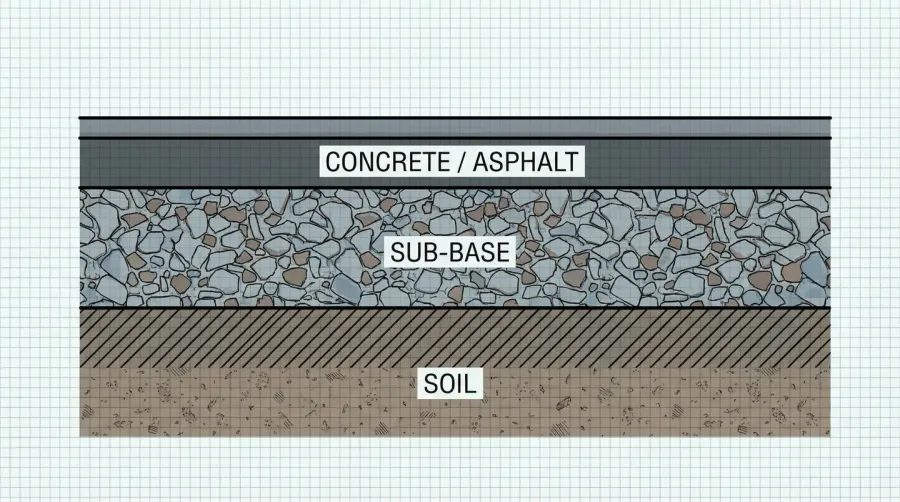
For courts using modular tiles or sport court surfaces, crushed stone can actually serve as both the sub-base and final base, eliminating the need for concrete or asphalt entirely.
What type of crushed stone works best for basketball courts
Not all crushed stone is created equal when it comes to court construction. The key lies in choosing the right gradation and size for your specific application.
For sub-base applications, you’ll want what’s called “crusher run” or “3/4 inch minus” stone. This material contains a mix of stone sizes from dust up to 3/4 inch, which allows it to compact tightly and create a stable surface. The smaller particles fill the gaps between larger stones, creating a solid foundation that won’t shift under pressure.
Pro Tip: Avoid using uniform-sized gravel or river rock for court bases. These materials don’t compact well because they lack the fine particles needed to lock everything together.
Hello Gravel offers several crushed stone options perfect for basketball court construction. Their crusher run provides the ideal gradation for most court projects, while their smaller aggregates work well for leveling and fine-tuning your base.
The stone you choose should be angular rather than rounded. Angular stones interlock better when compacted, creating a more stable base that resists movement over time.
Crushed stone vs concrete vs asphalt court bases
Choosing between different base materials depends on your budget, intended use, and local climate conditions. Each option has distinct advantages that make it suitable for different situations.
| Base Type | Cost Level | Drainage | DIY Friendly | Best For |
|---|---|---|---|---|
| Crushed Stone Only | Low | Excellent | Yes | Modular tiles, permeable courts |
| Stone + Concrete | High | Good | No | Permanent, heavy-use courts |
| Stone + Asphalt | Medium | Good | No | Budget permanent courts |
| Modular Systems | Medium-High | Excellent | Yes | Quick installation, rentals |
Crushed stone-only bases work beautifully for courts using interlocking tiles or sport court surfaces. These systems don’t require the rigid foundation that concrete provides, and the natural drainage of stone actually enhances their performance.
If you’re planning to install concrete or asphalt as your playing surface, crushed stone serves as an excellent sub-base that prevents cracking and settling. The stone layer handles drainage while the concrete or asphalt provides the smooth, consistent surface needed for optimal ball bounce.
For homeowners dealing with poor drainage or environmental restrictions, crushed stone bases offer the best solution for creating permeable courts that handle water naturally.
Step-by-step installation process
Installing a crushed stone base requires careful attention to detail, but most homeowners can handle the work with basic equipment rental.
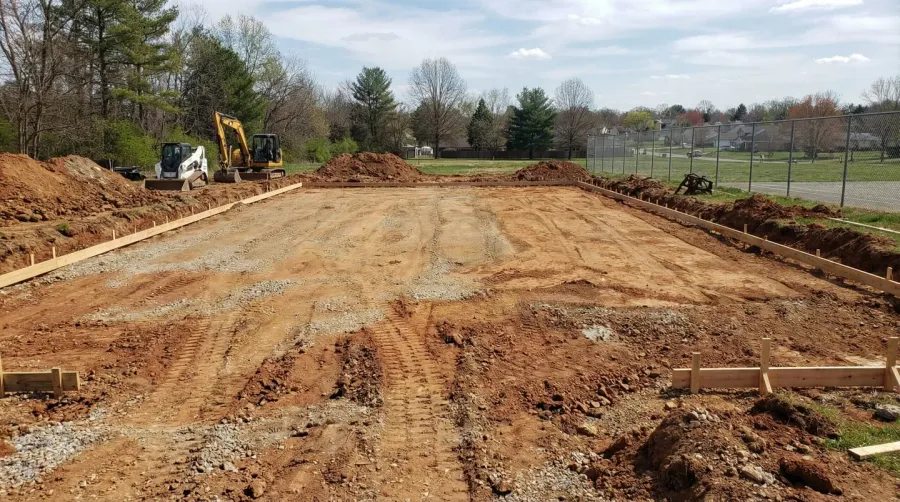
Start by marking your court dimensions and calling 811 to locate underground utilities. A standard half-court measures 30 by 50 feet, while a full court needs 50 by 94 feet. Excavate the area to a depth of 6-8 inches, removing all topsoil and organic matter that could decompose and cause settling.
Grade the excavated area with a slight slope for drainage, typically about 1/4 inch per foot away from any structures. Install landscape fabric if you’re dealing with weedy soil or want extra separation between your stone and the native soil.
Spread your crushed stone in 2-inch lifts, watering lightly and compacting each layer with a plate compactor. This process ensures proper density and prevents future settling. Most residential courts need 4-6 inches of compacted stone, but areas with poor soil may require more depth.
The final step involves fine-grading the surface to ensure it’s level and smooth. Use a long straightedge to check for high and low spots, adding or removing stone as needed before your final compaction pass. This same technique is used when creating a stable base for a dog run area.
Planning your budget and timeline
Understanding the costs involved helps you make informed decisions about your court project. Material costs for crushed stone typically range from $30-50 per ton, with most half-courts requiring 15-20 tons of material.
Equipment rental adds another layer to your budget. A plate compactor rents for about $50-80 per day, while excavation might require a small skid steer or hiring an excavation contractor. Factor in delivery costs for your stone, which can vary significantly based on your location and access.
Timeline-wise, most DIY installations take a weekend for the stone base work, assuming you have the excavation completed. Weather plays a crucial role since you need dry conditions for proper compaction. Plan your project during a stretch of clear weather, and have tarps ready in case unexpected rain threatens your work.
Professional installation typically costs 2-3 times the material cost but ensures proper compaction and grading. Consider hiring pros if you’re dealing with challenging soil conditions, large courts, or lack experience with heavy equipment. Similar considerations apply when building a bocce ball court surface or installing a patio base.
Hello Gravel can help you calculate exactly how much material you need and recommend the right stone type for your soil conditions and climate. Their delivery service ensures you get quality materials without the hassle of multiple trips to a quarry.
Getting your basketball court base right the first time saves money and frustration down the road. With proper planning and quality materials from Hello Gravel, your crushed stone base will provide decades of reliable performance for whatever court surface you choose to install on top.
Frequently Asked Questions About Crushed Stone Basketball Court Bases
How thick should the crushed stone base be for a basketball court?
For most backyard basketball courts, the crushed stone base should be 4-6 inches thick when properly compacted. On soft or poorly drained soils, you may need to increase the base thickness to 6-8 inches. The stone should be installed in 2-inch lifts and compacted thoroughly after each layer to prevent future settling and ensure a stable foundation.
Can you put basketball court tiles directly on crushed stone?
Yes, you can install modular basketball court tiles directly over a properly prepared crushed stone base. The stone must be well-compacted, level, and stable. This approach works well for backyard courts and provides excellent drainage while eliminating the need for concrete or asphalt. Make sure to use angular crushed stone rather than rounded gravel for better stability.
What type of crushed stone is best for a basketball court base?
The best crushed stone for basketball court bases is “crusher run” or “3/4 inch minus” stone. This material contains a mix of stone sizes from dust up to 3/4 inch, which allows it to compact tightly and create a stable surface. Angular stones work better than rounded stones because they interlock when compacted, providing superior stability and resistance to movement.
How much crushed stone do I need for a half-court basketball court?
For a standard half-court measuring 30 by 50 feet with a 6-inch thick base, you’ll need approximately 15-20 tons of crushed stone. The exact amount depends on the compaction and your specific court dimensions. To calculate your needs precisely, multiply length × width × depth (in feet) and divide by 27 to get cubic yards, then convert to tons based on the stone density.
Materials for this project
Get it delivered — dumped where you need it
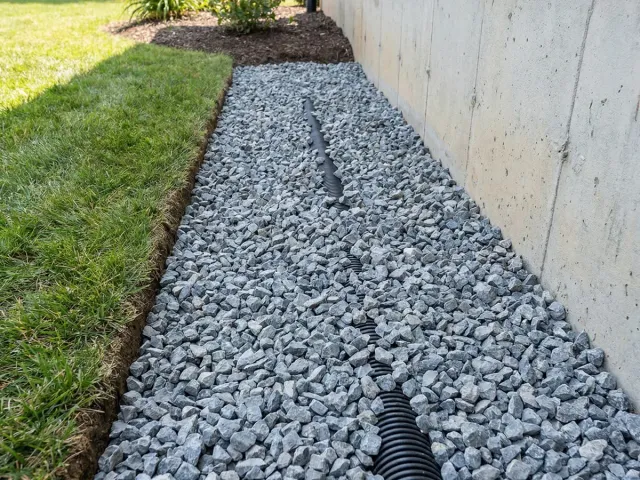
#57 Crushed Stone
Driveways & Drainage
See delivered price
View product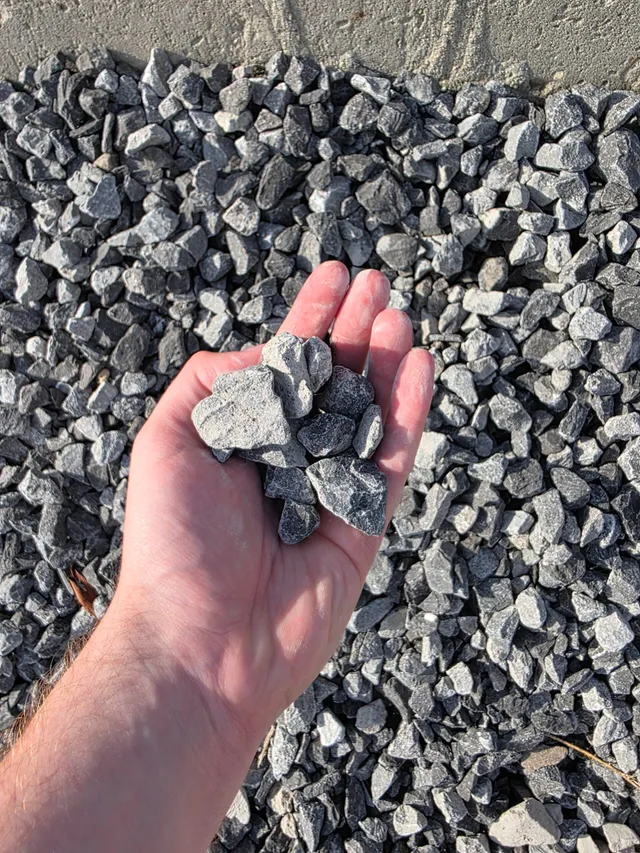
Driveway Gravel
Driveways & Parking areas
See delivered price
View product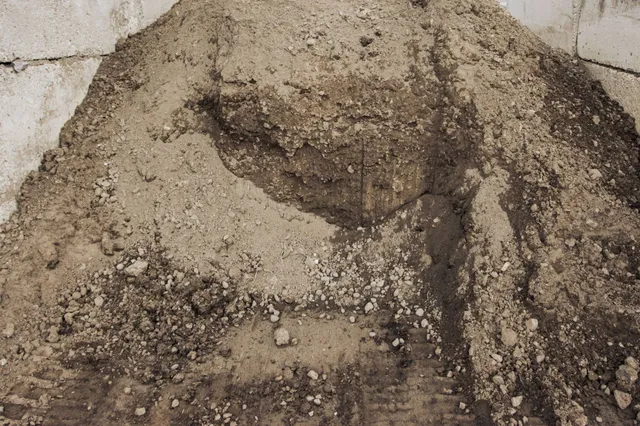
Fill Dirt
Grading & Backfill
See delivered price
View product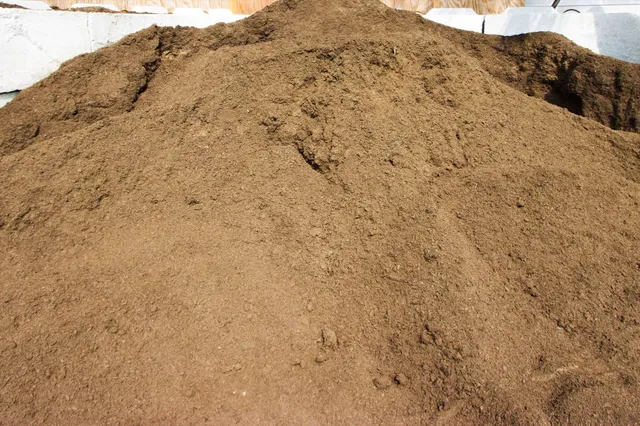
Topsoil
Lawn establishment & Garden beds
See delivered price
View product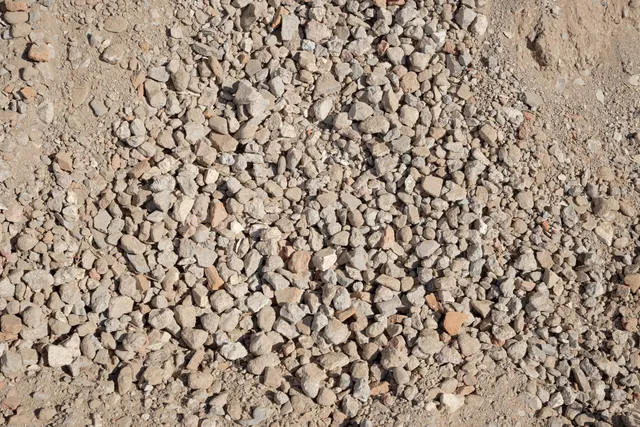
Road Base
Driveway base & Road construction
See delivered price
View product