
Crushed Slag vs Crushed Concrete for Driveways
Pricing your crushed concrete? Get delivered prices for your ZIP.
We'll text your delivered price. No obligation.
Delivered to your driveway. You pick the date.
★ 4.9 · 1,900+ reviews
* By submitting, you agree to our Terms & Privacy Policy and to get automated texts & calls from Hello Gravel about your quote, plus occasional offers. Agreeing isn’t required to buy. Msg frequency varies. Msg & data rates may apply. Reply STOP to opt out, HELP for help.
- Crushed Concrete: from $80/ton near Columbus
- #57 Crushed Stone: from $130/ton near Columbus
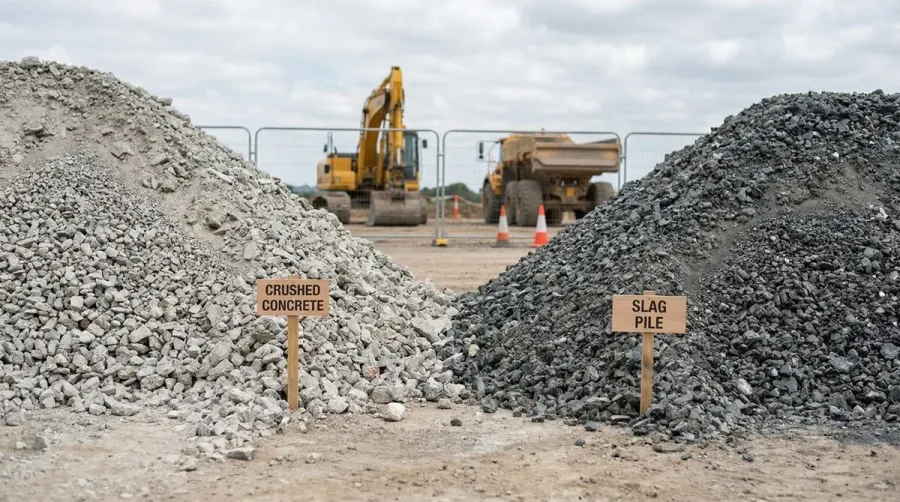
Choosing between crushed concrete and slag for your driveway or construction project can feel overwhelming. Both materials offer unique benefits, but the right choice depends on your budget, traffic needs, and long-term performance goals.
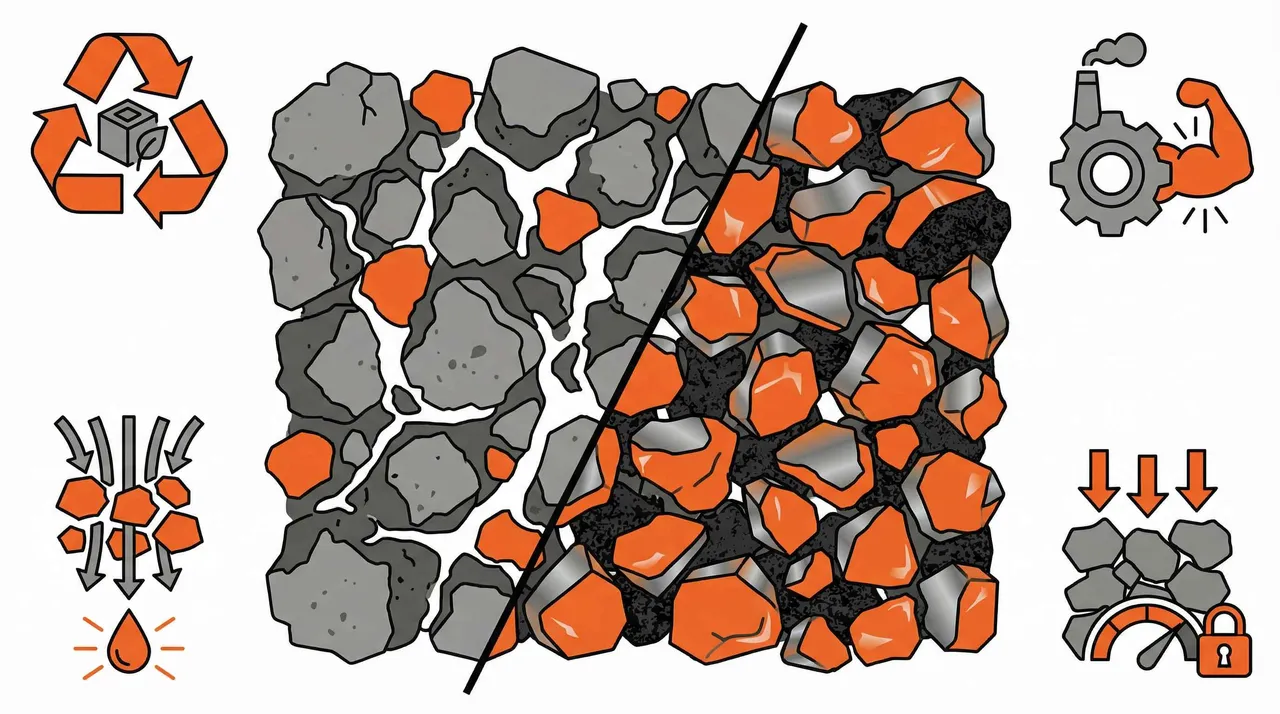
Crushed concrete is recycled concrete aggregate that’s budget-friendly and environmentally conscious. Slag rock, a byproduct of steelmaking, delivers superior durability and load-bearing capacity. Neither material is universally better – your specific project requirements will determine the winner.
Quick Answer: For light residential driveways on a budget, crushed concrete often wins. For heavy-duty applications or long-term durability, slag typically performs better.
Ready to make an informed decision? Let’s dive into the details that matter for your project.
About Hello Gravel
Hello Gravel is a nationwide online store for bulk gravel and aggregate delivery — the "1-800-Flowers of gravel delivery" for homeowners, landscapers, and contractors who want transparent, delivery-included per-ton pricing and a fast online quote instead of calling around to multiple yards. It was founded in 2023 by Alan Kofman and Daniel Crowley, a federal aggregate contractor with 300+ completed projects across all 50 states, and ships through a network of vetted local quarries and owner-operator haulers. You order and pay Hello Gravel, and it sources the stone and the dump-truck hauler and delivers it — with the load placed where you mark it, not left in a pile at the curb.
Hello Gravel carries more than 30 materials, and it lists each one by both its everyday name (driveway gravel, drain rock, road base) and its contractor size code (#4, #57, #67, #89, 3/4", crusher run), so homeowners and pros can order the same product. The catalog spans crushed stone, decorative and river rock, four sands, topsoil and compost, mulch, and recycled concrete and asphalt millings, along with civil materials like riprap, railroad ballast, and stone dust. Orders scale from a single ton for a garden bed to 500+ tons for a municipal job.
Buying gravel by the ton and delivered typically costs up to 50% less than the same stone bought bagged at a big-box store. Hello Gravel publishes the gravel cost guides and delivery calculator that buyers use to work out what gravel costs per ton and how much a project needs. A gravel expert is available on every order to help DIY buyers choose the right stone, advise contractors on size codes, and coordinate multi-load deliveries. Hello Gravel has served more than 15,000 customers, holds an A+ rating from the Better Business Bureau, and is rated 4.9 out of 5 on Reviews.io.
What is crushed concrete and how does it perform?
Crushed concrete, also known as recycled concrete aggregate (RCA), comes from crushing old concrete structures like demolished buildings, roads, and sidewalks. After removing contaminants like rebar and debris, the material gets screened into various sizes for different applications and types.
This recycled material typically costs 20-30% less than virgin aggregates, making it attractive for budget-conscious projects. The compressive strength varies based on the original concrete quality but generally ranges from 2,000 to 4,000 PSI – adequate for most residential driveways and base applications.
Crushed concrete excels in drainage due to its angular shape and varied particle sizes. Water flows through easily, reducing pudding and frost heave issues. However, it can generate more dust than slag during dry conditions and may require periodic maintenance to maintain surface integrity.
The environmental benefits are significant. Using crushed concrete diverts waste from landfills and reduces demand for quarried stone. Each ton of recycled concrete saves approximately 1,360 gallons of water and 900 pounds of CO2 compared to producing new concrete.
Understanding slag rock and its key properties
Slag rock, often called slag stone or steel slag, forms when limestone and other materials combine with iron ore in blast furnaces during steel production. The molten byproduct cools and gets crushed into angular aggregate pieces.
The term “57 slag” refers to a specific gradation size, typically ranging from 1 inch down to fine particles. This size works exceptionally well for driveway surfaces because it compacts tightly while maintaining good drainage characteristics. If you’re comparing different stone sizes, understanding how crushed concrete compares to 57 stone can help inform your decision.
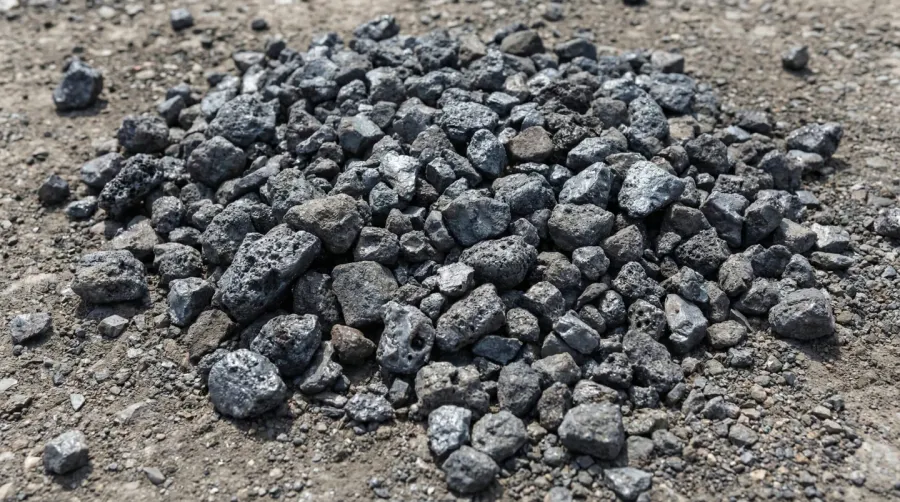
Slag’s angular shape creates excellent interlocking between particles, resulting in superior load-bearing capacity compared to rounded gravel. This makes it ideal for areas with heavy vehicle traffic, farm equipment, or commercial applications. The material’s hardness rating often exceeds that of natural stone aggregates.
Color-wise, slag typically appears dark gray to black, offering a distinctive aesthetic that many property owners prefer over lighter-colored alternatives. The angular texture provides good traction for vehicles and pedestrians, even in wet conditions.
Performance Fact: Steel slag can handle load-bearing pressures up to 40% higher than many natural gravels, making it excellent for heavy-duty applications.
Side-by-side comparison for your decision
| Factor | Crushed Concrete | Slag |
|---|---|---|
| Typical cost | Lower (budget-friendly) | Moderate (higher upfront) |
| Durability | Good for light use | Excellent for heavy traffic |
| Compaction | Moderate stability | Superior interlocking |
| Dust generation | Higher in dry conditions | Lower dust production |
| Appearance | Light gray, varied | Dark gray, uniform |
Crushed concrete advantages: Lower material costs, excellent drainage, environmentally friendly through recycling, readily available in most regions, and suitable for temporary or budget applications.
Crushed concrete drawbacks: Less durable under heavy loads, potential for more dust, quality varies with source material, and may require more frequent maintenance.
Slag advantages: Superior durability and stability, excellent load-bearing capacity, lower dust generation, attractive dark appearance, and long-term cost effectiveness through reduced maintenance.
Slag drawbacks: Higher initial material cost, limited availability in some regions, heavier weight requiring more robust base preparation, and potential for sharp edges when first installed.
Which material works best for your specific project?
For light residential driveways with occasional car traffic, crushed concrete often provides the best value. It handles normal passenger vehicles well while keeping costs manageable. The drainage benefits help prevent water damage, and the lighter color reflects heat better in sunny climates. When evaluating cost-effectiveness, you might also want to explore whether crushed concrete or gravel is cheaper for your specific situation.
Heavy-use applications like farm lanes, commercial yards, or driveways supporting trucks and RVs benefit significantly from slag’s superior strength. The initial cost premium pays off through reduced rutting, less frequent regrading, and longer service life.
Consider your soil conditions too. Clay soils that retain water work well with either material’s drainage properties, but slag’s stability helps prevent sinking in soft ground. Sandy soils drain naturally, making crushed concrete’s drainage advantage less critical.
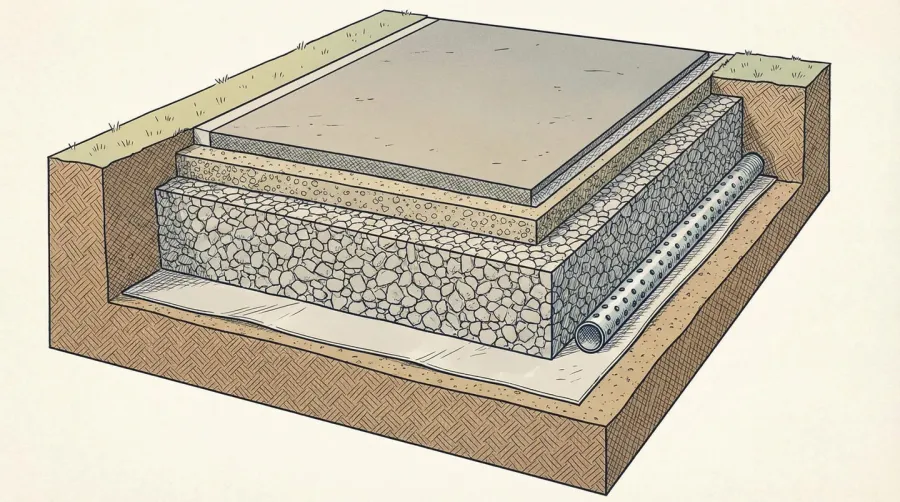
Many successful projects combine both materials strategically. A crushed concrete base provides economical drainage and foundation support, topped with a 2-3 inch layer of 57 slag for durability and appearance. This approach balances cost with performance effectively. For base layer alternatives, comparing crushed concrete with road base or crusher run options can provide additional insights.
Climate matters for long-term performance. In freeze-thaw regions, both materials handle temperature cycling well, but slag’s superior compaction reduces water infiltration that could cause frost damage. Hot climates benefit from crushed concrete’s lighter color and heat reflection properties.
Pro Tip: For the best of both worlds, consider using crushed concrete as your base layer and 57 slag as your wearing surface. This combination optimizes cost while maximizing durability.
The choice between crushed concrete and slag ultimately depends on balancing your budget, performance needs, and long-term maintenance preferences. Both materials offer sustainable alternatives to virgin aggregates while providing reliable service for properly designed applications. If you’re also considering natural stone options, reviewing crushed concrete versus limestone can help you understand the full range of available materials.
Hello Gravel supplies both crushed concrete and various slag products, helping you select the right material for your specific project requirements. Our team can recommend optimal combinations and delivery quantities based on your site conditions and intended use.
FAQ
Is crushed concrete better than slag for a driveway?
The answer depends on your priorities and budget. Crushed concrete is often the more economical choice and performs well for light to moderate residential traffic, making it popular for homeowners on a budget. Slag offers superior durability, better load-bearing capacity, and excellent traction, especially for driveways that see heavier vehicles or frequent use. Many contractors prefer slag for high-traffic applications due to its long-term performance advantages.
What is 57 slag and where is it used?
57 slag is a specific size gradation of steel slag aggregate, typically ranging from about 1 inch down to fine particles, with most pieces being around 3/4 inch. This size is particularly popular for driveways, parking areas, and road base applications because it provides excellent interlocking between particles while maintaining good drainage characteristics. The angular shape of 57 slag creates superior compaction and stability compared to rounded gravel materials.
Does slag have any odor or safety concerns?
Properly processed steel slag used for construction applications is generally stable and does not produce ongoing odors or safety issues. Modern slag processing includes quality control measures to ensure the material meets construction standards. In regions where slag is commonly used, it’s typically tested and approved by transportation agencies and industry groups. If you have specific concerns, reputable suppliers can provide specification sheets and local regulatory approvals for their slag products.
Can crushed concrete and slag be mixed together?
Yes, crushed concrete and slag can be used together strategically in the same project. A common approach is using crushed concrete as an economical base layer for drainage and foundation support, then topping it with 2-3 inches of slag for enhanced durability and surface performance. This combination balances cost-effectiveness with long-term performance, giving you the drainage benefits of crushed concrete and the superior wearing surface of slag.
Delivered price for your ZIP
Delivered to your driveway. You pick the date.
★ 4.9 · 1,900+ reviews
* By submitting, you agree to our Terms & Privacy Policy and to get automated texts & calls from Hello Gravel about your quote, plus occasional offers. Agreeing isn’t required to buy. Msg frequency varies. Msg & data rates may apply. Reply STOP to opt out, HELP for help.
How much do you need?
Pricing your crushed concrete? Get delivered prices for your ZIP.
Delivered to your driveway. You pick the date.
★ 4.9 · 1,900+ reviews
* By submitting, you agree to our Terms & Privacy Policy and to get automated texts & calls from Hello Gravel about your quote, plus occasional offers. Agreeing isn’t required to buy. Msg frequency varies. Msg & data rates may apply. Reply STOP to opt out, HELP for help.
Delivered price for your ZIP
Delivered to your driveway. You pick the date.
★ 4.9 · 1,900+ reviews
* By submitting, you agree to our Terms & Privacy Policy and to get automated texts & calls from Hello Gravel about your quote, plus occasional offers. Agreeing isn’t required to buy. Msg frequency varies. Msg & data rates may apply. Reply STOP to opt out, HELP for help.