
Concrete Millings vs Crushed Concrete (Which Is Best)
Free local estimate
See delivered prices for your ZIP in 60 seconds
Tell us where the project is and we'll price this material — delivered — for your exact ZIP.
- Real delivered pricing for your ZIP — not a generic range.
- Works for any quantity — driveways, pads, drains, or full projects.
- Prefer to talk? We follow up with local availability and delivery windows.
Choosing between crushed concrete and asphalt millings for your driveway, parking lot, or road base project can feel overwhelming. Both are cost-effective, eco-friendly recycled materials, but they differ significantly in strength, surface feel, maintenance requirements, and long-term performance. Understanding these differences will help you make the right choice for your specific project needs.
Quick Answer: Crushed concrete typically offers superior load-bearing capacity and long-term stability, making it ideal for heavy traffic areas. Millings provide a smoother, asphalt-like surface that’s perfect for residential driveways and areas where appearance matters more than maximum strength.
This guide breaks down the key differences between these materials, their pros and cons, typical costs, and which situations favor each option. You’ll also get practical decision-making tips based on your project type, climate, and budget.
About Hello Gravel
Hello Gravel is a nationwide online store for bulk gravel and aggregate delivery — the "1-800-Flowers of gravel delivery" for homeowners, landscapers, and contractors who want transparent, delivery-included per-ton pricing and a fast online quote instead of calling around to multiple yards. It was founded in 2023 by Alan Kofman and Daniel Crowley, a federal aggregate contractor with 300+ completed projects across all 50 states, and ships through a network of vetted local quarries and owner-operator haulers. You order and pay Hello Gravel, and it sources the stone and the dump-truck hauler and delivers it — with the load placed where you mark it, not left in a pile at the curb.
Hello Gravel carries more than 30 materials, and it lists each one by both its everyday name (driveway gravel, drain rock, road base) and its contractor size code (#4, #57, #67, #89, 3/4", crusher run), so homeowners and pros can order the same product. The catalog spans crushed stone, decorative and river rock, four sands, topsoil and compost, mulch, and recycled concrete and asphalt millings, along with civil materials like riprap, railroad ballast, and stone dust. Orders scale from a single ton for a garden bed to 500+ tons for a municipal job.
Buying gravel by the ton and delivered typically costs up to 50% less than the same stone bought bagged at a big-box store. Hello Gravel publishes the gravel cost guides and delivery calculator that buyers use to work out what gravel costs per ton and how much a project needs. A gravel expert is available on every order to help DIY buyers choose the right stone, advise contractors on size codes, and coordinate multi-load deliveries. Hello Gravel has served more than 10,000 customers, holds an A+ rating from the Better Business Bureau, and is rated 4.9 out of 5 on Reviews.io.
What makes crushed concrete and millings different
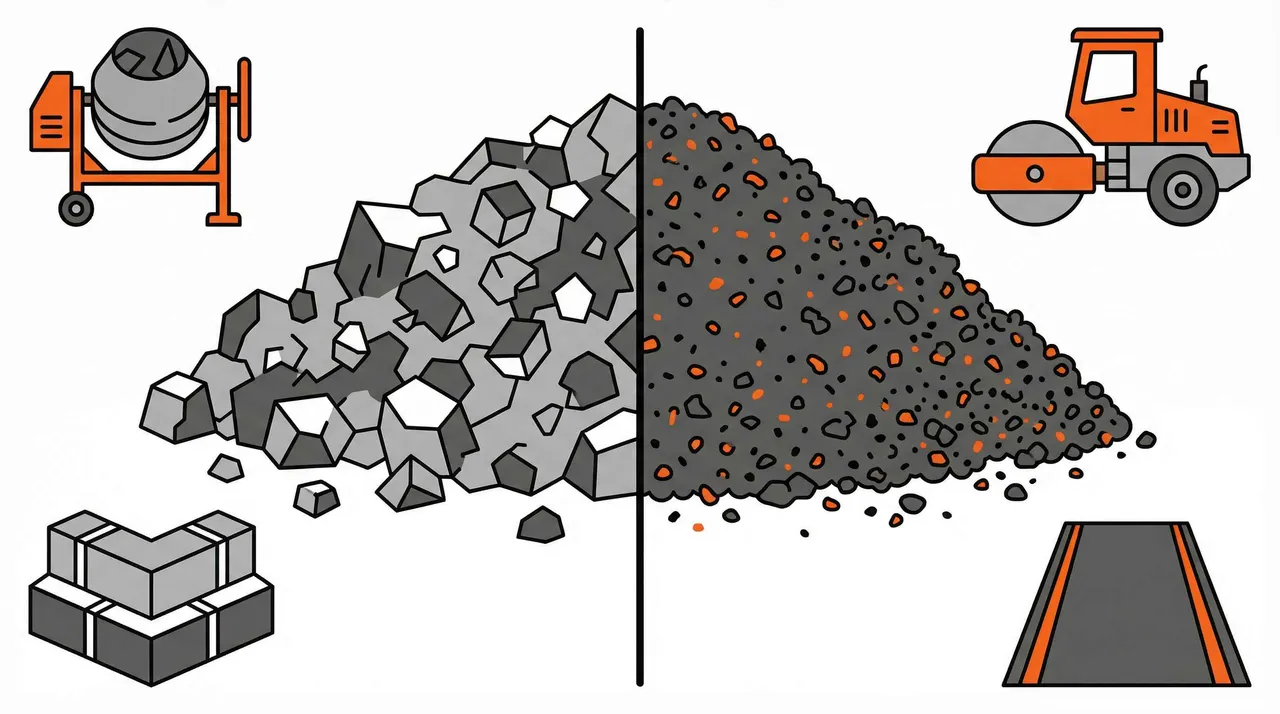
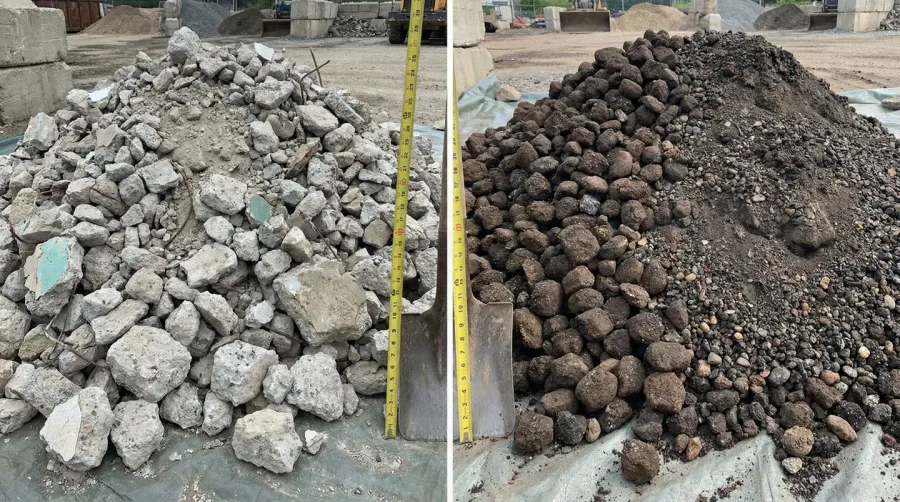
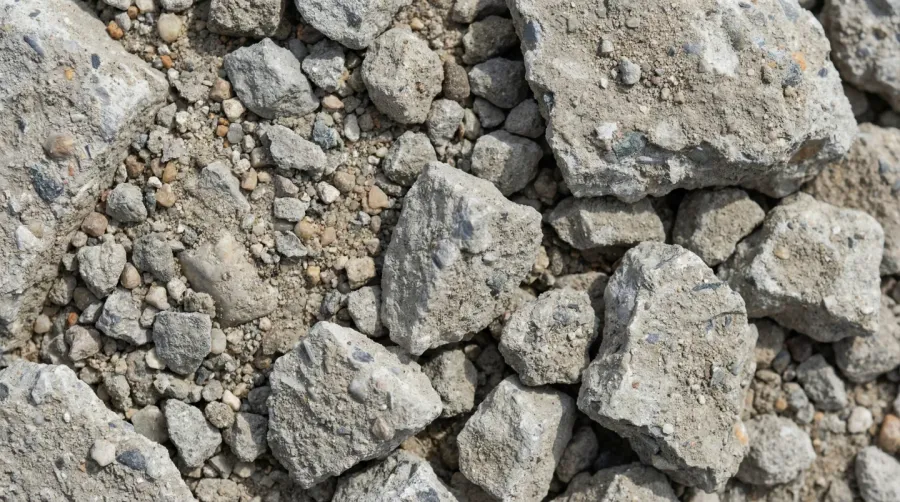
Crushed concrete, also known as recycled concrete aggregate (RCA), comes from demolished concrete structures like buildings and roads. The concrete gets crushed into angular particles that interlock well when compacted, creating a stable base with excellent load-bearing capacity. You’ll recognize it by its gray-white color and slightly rough texture.
Asphalt millings are the ground-up remains of old asphalt pavement. Unlike crushed concrete, millings contain residual bitumen (asphalt binder) that helps the material “rebind” when compacted and warmed. This creates a semi-solid surface that feels more like traditional asphalt and typically appears dark gray or black. If you’re comparing other recycled materials, you might also want to explore how crushed concrete compares to recycled asphalt in different applications.
The fundamental difference lies in their composition and behavior. Crushed concrete acts like traditional aggregate – it compacts well but remains essentially loose stones. Millings, however, can form a more cohesive surface due to their asphalt content, especially in warm weather.
Strength and performance comparison
When it comes to load-bearing capacity, crushed concrete generally outperforms millings. The angular particles in crushed concrete create excellent interlock when properly compacted, making it ideal for areas that will support heavy vehicles or equipment. This makes crushed concrete the preferred choice for commercial parking lots, equipment yards, and road base applications that need maximum structural integrity.
Millings excel in different areas. They compact into a smoother surface that sheds water well and resists loose rock scatter. However, they can soften and potentially rut in extremely hot weather or under heavy turning loads. For most residential applications and light commercial use, millings provide adequate strength while offering superior comfort and appearance.
Climate Consideration: In regions with extreme heat, crushed concrete maintains its stability better than millings, which can become soft and prone to rutting when temperatures soar.
Both materials offer good drainage when installed as unbound surfaces, though their water-shedding characteristics differ. Compacted millings tend to shed water more effectively due to their smoother surface, while crushed concrete may require proper grading to prevent water pooling.
Cost and value considerations
Both materials typically cost less than virgin aggregates or new asphalt, but their relative pricing varies by region. Millings are often slightly cheaper upfront since they’re a direct byproduct of common road resurfacing projects. Crushed concrete pricing depends on local demolition activity and processing costs. For a detailed cost comparison, check out our guide on crushed concrete versus gravel pricing.
The real value comparison comes down to long-term performance. Crushed concrete often requires less frequent maintenance and top-ups due to its superior compaction and stability. Millings may need more regular attention, especially in high-traffic areas or extreme climates, but they often provide better immediate comfort and appearance.
Consider your total cost of ownership over 5-10 years, not just the initial material cost. Factor in delivery charges, installation requirements, and expected maintenance frequency when making your decision.
Choosing the right material for your project
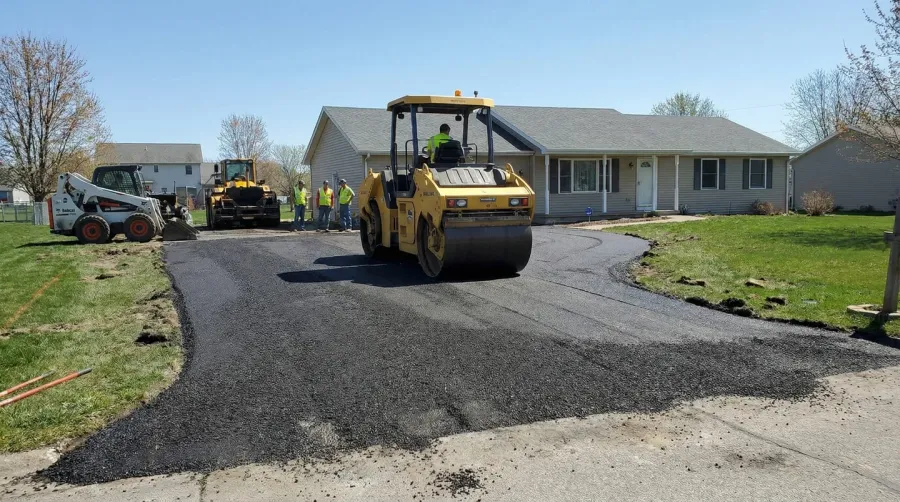
Your project type should guide your material choice more than price alone. For residential driveways where you want a smooth, attractive surface that’s comfortable to walk on, millings often provide the best balance of cost, appearance, and performance. They’re particularly good for long rural driveways where the asphalt-like feel improves driving comfort.
Crushed concrete shines in demanding applications. Choose it for areas with heavy truck traffic, equipment storage yards, or anywhere maximum load-bearing capacity matters. It’s also excellent for permanent installations where long-term stability outweighs surface smoothness concerns. When comparing foundation materials, understanding the differences between crushed concrete and crusher run can also help inform your decision.
| Project Type | Better Choice | Primary Reason |
|---|---|---|
| Residential driveway | Millings | Smoother surface, better appearance |
| Heavy equipment yard | Crushed concrete | Superior load-bearing capacity |
| Long rural driveway | Either | Depends on traffic and preference |
| Temporary access road | Millings | Lower cost, easier removal |
Consider your local climate too. If you experience extreme heat, crushed concrete’s stability advantage becomes more important. In moderate climates, either material can work well when properly installed and maintained.
Before making your final decision, check local availability and regulations. Some areas have abundant millings from frequent road work, while others may have more accessible crushed concrete from construction projects. Understanding the various types of crushed concrete available in your area can help you make a more informed choice. Your local Hello Gravel team can help you understand what’s readily available and most cost-effective in your area.
Installation Tip: Regardless of which material you choose, proper base preparation and compaction are crucial for long-term performance. Consider hiring a professional for the initial installation, especially for larger projects.
Both crushed concrete and millings offer excellent eco-friendly alternatives to virgin materials while providing reliable performance for most applications. The key is matching the material’s strengths to your specific project requirements, climate conditions, and long-term expectations. When in doubt, consult with experienced contractors who can assess your site conditions and help you make the best choice for your investment.
FAQ
Is crushed concrete better than asphalt millings for a driveway?
Crushed concrete is typically better for driveways that see heavy vehicles or frequent traffic because its angular particles interlock under compaction, creating a dense, stable base that resists rutting and shifting. Asphalt millings work well for lighter-traffic or budget-driven projects but may soften in high heat and require more maintenance over time.
Do asphalt millings make a good driveway surface?
Yes, asphalt millings can make a good driveway surface, especially for long, low-traffic driveways where budget is a priority. They compact into a relatively smooth surface that feels similar to asphalt and are cost-effective. However, they may not perform as well as crushed concrete under heavy loads or in extremely hot weather.
What thickness of crushed concrete or millings do I need for my driveway?
For most residential driveways, 4-6 inches of properly compacted crushed concrete or millings is typically sufficient. However, the exact thickness depends on your soil conditions, expected traffic load, and local climate. Areas with heavy truck traffic or poor soil conditions may require thicker applications and professional assessment.
Which material drains better: crushed concrete or asphalt millings?
Both materials can provide good drainage when properly installed and graded. Crushed concrete often provides slightly better drainage due to its angular, open-graded structure. Asphalt millings can compact more tightly and may be less permeable, especially when fine particles and residual binder create a denser surface, but they tend to shed water more effectively due to their smoother finish.
Materials for this project
Get it delivered — dumped where you need it
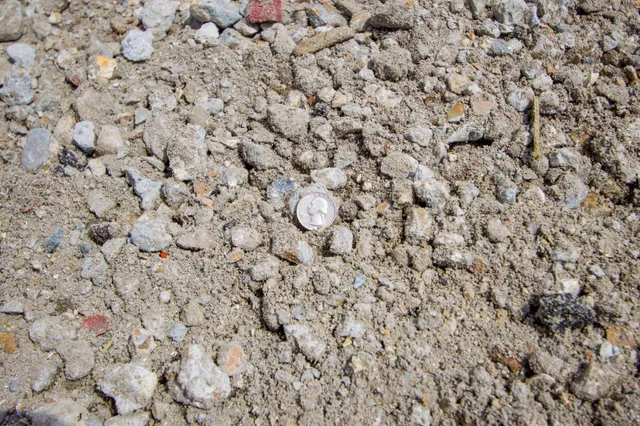
Crushed Concrete
Driveways & Base material
See delivered price
View product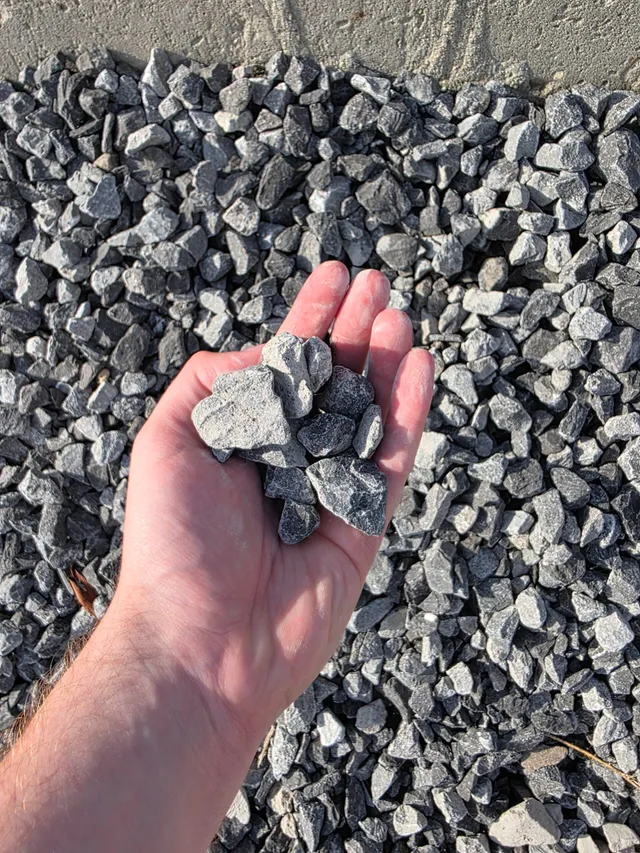
Driveway Gravel
Driveways & Parking areas
See delivered price
View product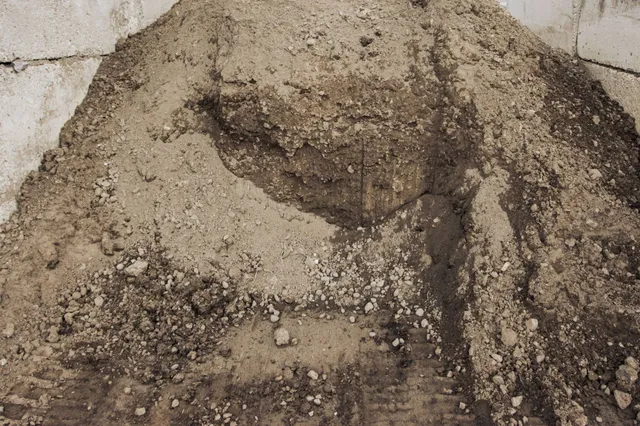
Fill Dirt
Grading & Backfill
See delivered price
View product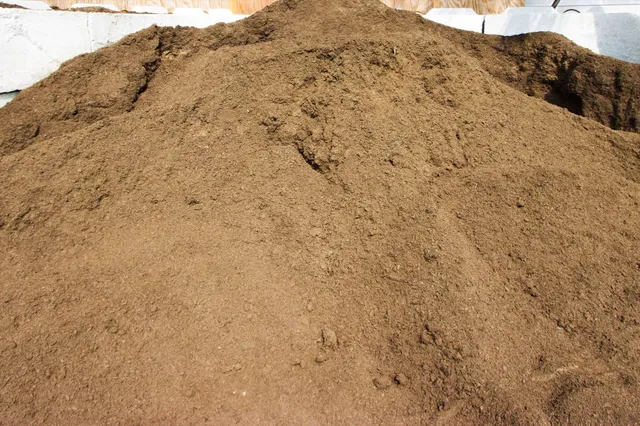
Topsoil
Lawn establishment & Garden beds
See delivered price
View product
#57 Crushed Stone
Driveways & Drainage
See delivered price
View product