
Caliche Road Base vs Crushed Concrete for Driveways
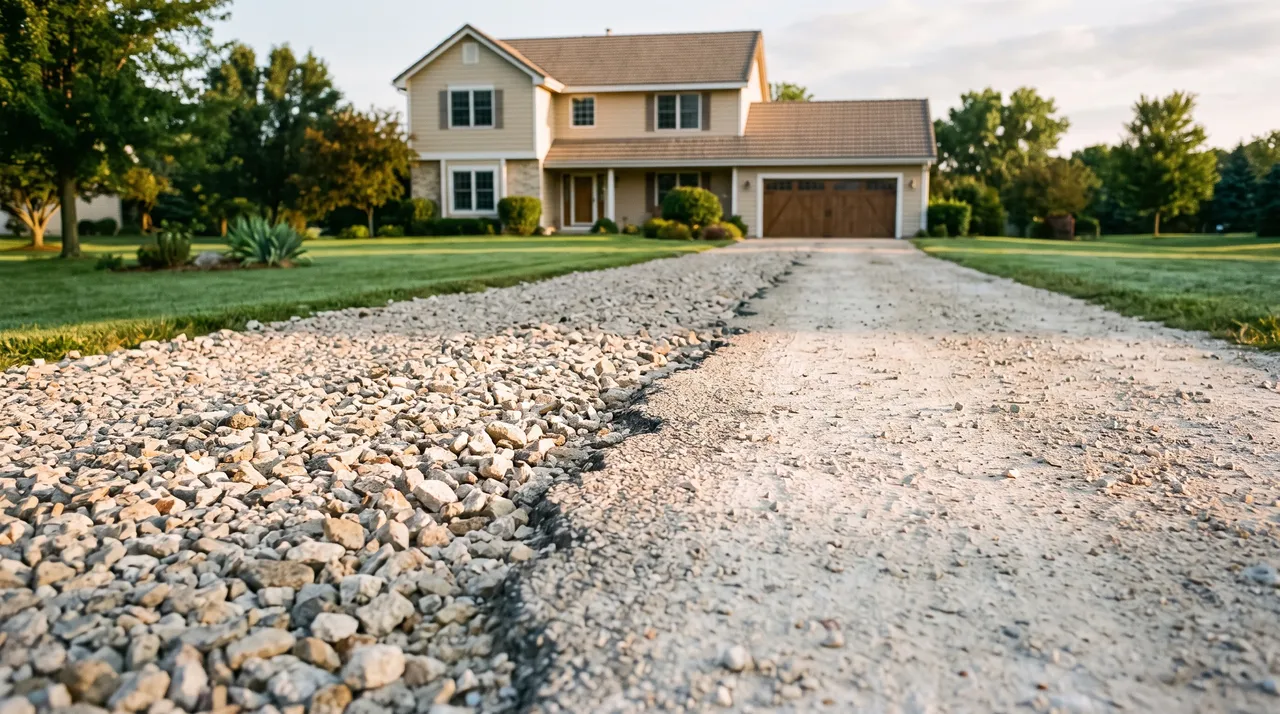
Pricing your crushed concrete? Get delivered prices for your ZIP.
We'll text your delivered price. No obligation.
Delivered to your driveway. You pick the date.
* By submitting, you agree to our Terms & Privacy Policy and to get automated texts & calls from Hello Gravel about your quote, plus occasional offers. Agreeing isn’t required to buy. Msg frequency varies. Msg & data rates may apply. Reply STOP to opt out, HELP for help.
- Crushed Concrete: from $80/ton near Columbus
- Road Base: from $58/ton near Columbus
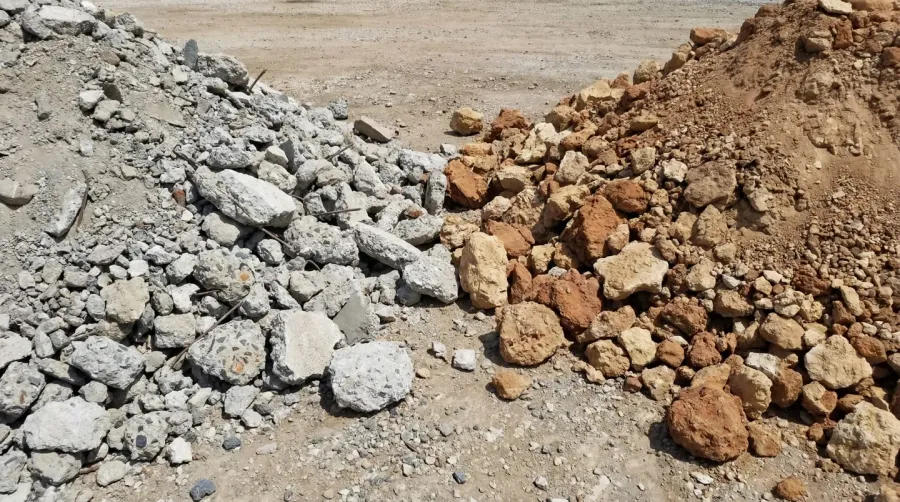
If you’re building a driveway or rural road and trying to decide between crushed concrete and caliche, you’re not alone. This choice affects your budget, how long your road will last, and how much maintenance you’ll need down the line. Both materials serve as excellent road base options, but they work differently depending on your specific situation.
Quick Answer: Caliche typically costs 30-50% less than crushed concrete and works great for long rural roads, while crushed concrete offers better durability and less dust for shorter driveways near homes.
In this guide, you’ll learn exactly how these materials compare on cost, durability, and maintenance. We’ll also walk you through which option makes the most sense for different scenarios, from ranch roads to residential driveways.
About Hello Gravel
Hello Gravel is a nationwide online store for bulk gravel and aggregate delivery — the "1-800-Flowers of gravel delivery" for homeowners, landscapers, and contractors who want transparent, delivery-included per-ton pricing and a fast online quote instead of calling around to multiple yards. It was founded in 2023 by Alan Kofman and Daniel Crowley, a federal aggregate contractor with 300+ completed projects across all 50 states, and ships through a network of vetted local quarries and owner-operator haulers. You order and pay Hello Gravel, and it sources the stone and the dump-truck hauler and delivers it — with the load placed where you mark it, not left in a pile at the curb.
Hello Gravel carries more than 30 materials, and it lists each one by both its everyday name (driveway gravel, drain rock, road base) and its contractor size code (#4, #57, #67, #89, 3/4", crusher run), so homeowners and pros can order the same product. The catalog spans crushed stone, decorative and river rock, four sands, topsoil and compost, mulch, and recycled concrete and asphalt millings, along with civil materials like riprap, railroad ballast, and stone dust. Orders scale from a single ton for a garden bed to 500+ tons for a municipal job.
Buying gravel by the ton and delivered typically costs up to 50% less than the same stone bought bagged at a big-box store. Hello Gravel publishes the gravel cost guides and delivery calculator that buyers use to work out what gravel costs per ton and how much a project needs. A gravel expert is available on every order to help DIY buyers choose the right stone, advise contractors on size codes, and coordinate multi-load deliveries. Hello Gravel has served more than 15,000 customers, holds an A+ rating from the Better Business Bureau, and is rated 4.9 out of 5 on Reviews.io.
What is crushed concrete?
Crushed concrete comes from recycled concrete structures that get broken down, cleaned, and graded into specific sizes. This eco-friendly material gives old concrete a second life instead of sending it to landfills.
Pros of crushed concrete: – Compacts well and stays stable under traffic – More environmentally friendly than new materials – Good drainage properties prevent water pooling – Works well with heavy vehicle traffic – Less dusty than many natural materials
Cons of crushed concrete: – Higher upfront cost than caliche – May contain rebar pieces that need removal – Limited availability in some rural areas – Can be harder to grade smoothly
You’ll commonly see crushed concrete used for driveways, parking areas, and as base material under asphalt. It’s particularly popular for projects where you want a stable surface that handles regular car and truck traffic without creating a lot of dust.
What is caliche and how does it work?
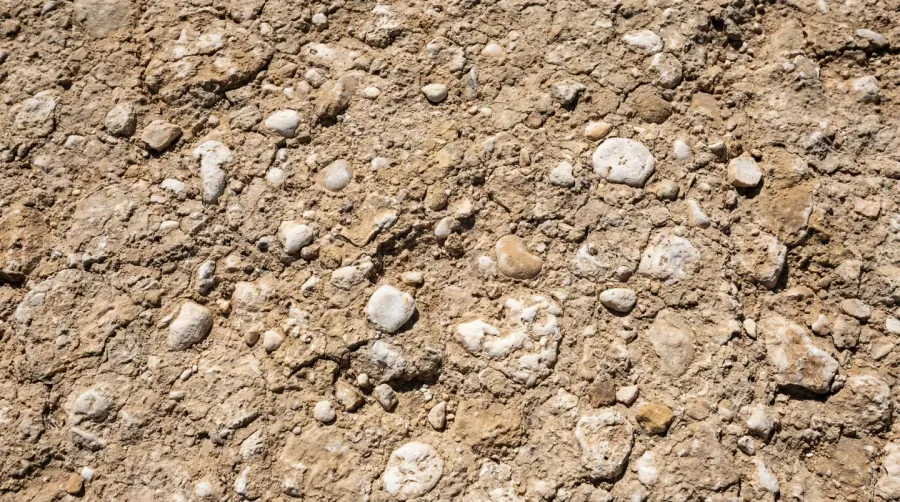
Caliche is a natural sedimentary rock that forms when calcium carbonate acts like cement, binding together sand, gravel, and clay. You’ll find it mainly in arid regions like Texas, Arizona, and parts of the Southwest.
What makes caliche interesting is how it behaves after installation. When you add water and compact it properly, caliche can harden into an almost concrete-like surface over time. This natural cementing action is why many ranch roads in Texas have used caliche for decades.
Pros of caliche: – Very affordable, often the cheapest road base option – Hardens naturally when compacted with moisture – Readily available in many southwestern regions – Works well for long, low-traffic roads – Creates a solid, durable surface when properly installed
Cons of caliche: – Can create significant dust before it fully sets – May rut or erode if drainage isn’t managed well – Takes time and moisture to reach full hardness – Not ideal for steep slopes without proper engineering
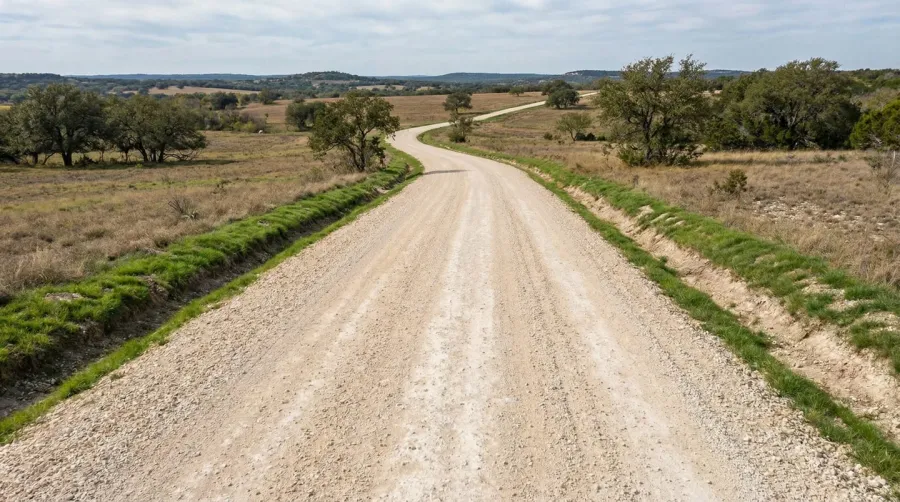
Caliche shines on long rural driveways, ranch roads, and areas where you need an affordable solution that can handle occasional heavy equipment but doesn’t see constant daily traffic.
Crushed concrete vs caliche cost comparison
Cost often drives the decision between these materials, and there’s usually a clear winner. Caliche typically runs 30-50% less expensive than crushed concrete in most markets where both are available.
Several factors affect your final cost beyond the base material price. Distance from the supplier matters significantly since trucking costs can double your material expense on remote properties. The thickness you need also impacts total cost – most driveways need 4-6 inches of base material, while heavy-use areas might require 8 inches or more.
Cost Reality Check: While caliche saves money upfront, factor in potential maintenance costs. A caliche road might need regrading every 2-3 years, while crushed concrete often goes 5+ years between major maintenance.
Local availability plays a huge role too. If you’re in an area where caliche is naturally abundant, the cost advantage becomes even more pronounced. But if caliche needs to be trucked in from far away, comparing crushed concrete pricing with other materials might actually show better value.
Which material works best for your project?
The right choice depends heavily on your specific situation. Here’s how to think through the decision:
For short residential driveways (under 500 feet), crushed concrete often makes more sense. You’ll appreciate the lower dust, better appearance, and stability under daily car traffic. The higher cost matters less on shorter distances. If you’re also considering other options, you might want to explore how crushed concrete compares to pea gravel for residential applications.
For long rural roads and ranch access (over 1000 feet), caliche usually wins on economics. The cost savings become substantial on longer distances, and the performance trade-offs matter less when you’re not driving on it multiple times daily.
For shop pads and parking areas, consider your usage patterns. If you’ll have heavy equipment or frequent truck traffic, crushed concrete provides better long-term stability. For occasional use areas, caliche with proper compaction works fine.
Many property owners actually combine both materials – using caliche as an affordable base layer and topping it with crushed concrete for the final 2-3 inches. This approach balances cost savings with performance. Understanding different types of crushed concrete can help you select the right grade for your top layer.
Installation and maintenance considerations
Both materials need proper installation to perform well, but they have different requirements. Caliche needs moisture during compaction to activate its natural cementing properties. You’ll want to add water and compact in lifts, then allow time for the surface to cure and harden.
Crushed concrete compacts more predictably and doesn’t need the moisture management that caliche requires. However, both materials need good drainage and proper grading to prevent water damage. If you’re looking for a more traditional road base solution, you might also consider crushed concrete versus road base options in your area.
Maintenance differs significantly between the two. Caliche roads often need periodic regrading to smooth out ruts and low spots, especially after heavy rains. Crushed concrete typically holds its shape longer but costs more when you do need to add material.
The key with either material is managing water flow. Poor drainage will cause problems regardless of which base you choose. Make sure your road has proper crown and side drainage before installation. For areas requiring superior compaction and stability, comparing crushed concrete to crusher run can provide additional insights into performance characteristics.
When you’re ready to move forward with your project, Hello Gravel can help you get quality crushed concrete or caliche delivered directly to your site. We work with vetted suppliers across multiple regions and can provide competitive quotes for both materials. Our online ordering system makes it easy to compare options and get your road base delivered when you need it, whether you’re building a short residential driveway or a multi-mile ranch road.
Frequently Asked Questions
Is caliche good for a driveway?
Caliche can make an excellent driveway material, especially for long rural driveways in dry climates. When properly compacted, it hardens into a concrete-like surface that handles regular vehicle traffic well. However, caliche can be dusty when dry and may develop ruts during heavy rains, so it works best for ranch roads and rural applications rather than high-visibility residential driveways near homes.
How much does caliche cost compared to crushed concrete?
Caliche typically costs 30-50% less than crushed concrete, making it one of the most affordable road base options available. While exact prices vary by location and haul distance, caliche often runs $1.25-$3.00 per square foot installed, compared to higher costs for crushed concrete. The significant cost savings make caliche especially attractive for long driveways and large projects where material quantities are high.
Can you put crushed concrete over caliche?
Yes, many property owners use caliche as an affordable base layer and top it with 2-3 inches of crushed concrete for the final surface. This approach combines the cost savings of caliche with the better durability and appearance of crushed concrete. The caliche provides a stable, economical foundation while the crushed concrete top layer reduces dust and improves the driving surface.
Which lasts longer: crushed concrete or caliche?
Crushed concrete generally provides more consistent long-term performance and durability, especially in areas with heavy traffic or frequent rain. While caliche can last for years in dry conditions with proper maintenance, it’s more sensitive to weather and may need regrading every 2-3 years. Crushed concrete typically goes 5+ years between major maintenance, making it more durable despite the higher upfront cost.
Delivered price for your ZIP
Delivered to your driveway. You pick the date.
* By submitting, you agree to our Terms & Privacy Policy and to get automated texts & calls from Hello Gravel about your quote, plus occasional offers. Agreeing isn’t required to buy. Msg frequency varies. Msg & data rates may apply. Reply STOP to opt out, HELP for help.
How much do you need?
Pricing your crushed concrete? Get delivered prices for your ZIP.
Delivered to your driveway. You pick the date.
* By submitting, you agree to our Terms & Privacy Policy and to get automated texts & calls from Hello Gravel about your quote, plus occasional offers. Agreeing isn’t required to buy. Msg frequency varies. Msg & data rates may apply. Reply STOP to opt out, HELP for help.
Delivered price for your ZIP
Delivered to your driveway. You pick the date.
* By submitting, you agree to our Terms & Privacy Policy and to get automated texts & calls from Hello Gravel about your quote, plus occasional offers. Agreeing isn’t required to buy. Msg frequency varies. Msg & data rates may apply. Reply STOP to opt out, HELP for help.