
Creative Ways to Upcycle Broken Concrete at Home
Pricing your Creative Ways to Upcycle Broken Concrete at Home? Get delivered prices for your ZIP.
We'll text your delivered price. No obligation.
Delivered to your driveway. You pick the date.
★ 4.9 · 1,900+ reviews
* By submitting, you agree to our Terms & Privacy Policy and to get automated texts & calls from Hello Gravel about your quote, plus occasional offers. Agreeing isn’t required to buy. Msg frequency varies. Msg & data rates may apply. Reply STOP to opt out, HELP for help.
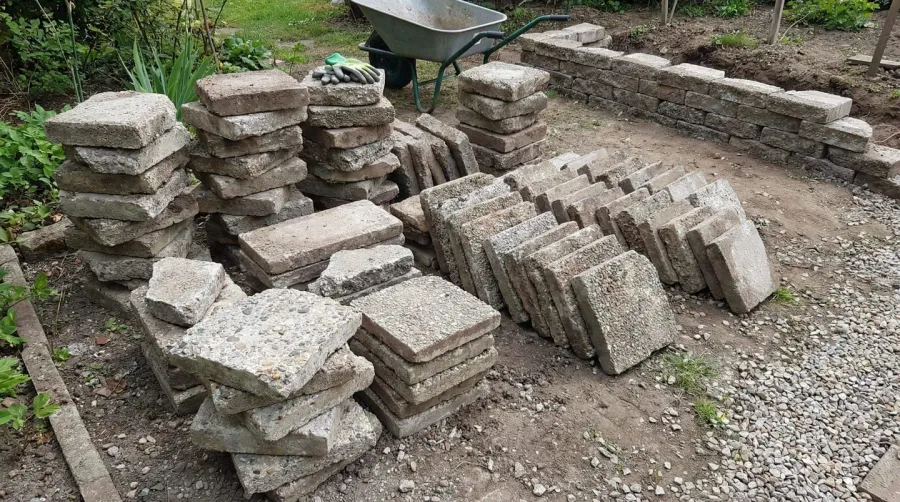
When you have broken concrete pieces from a demolished driveway or old patio, your first instinct might be to haul them to the dump. But here’s something that might surprise you: those chunky pieces can become the foundation for stunning garden features, functional home improvements, and even artistic installations.
Repurposing broken concrete isn’t just about saving money, though you can save up to 70% compared to buying new materials. It’s about transforming waste into something beautiful while helping the environment. According to the hellogravel.com/guides resource, concrete recycling reduces landfill waste and decreases the demand for new cement production, which is a major source of carbon emissions.
Quick tip: Before starting any project, inspect your concrete pieces for steel reinforcement or toxic materials. Clean pieces without sharp edges work best for DIY projects.
About Hello Gravel
Hello Gravel is a nationwide online store for bulk gravel and aggregate delivery — the "1-800-Flowers of gravel delivery" for homeowners, landscapers, and contractors who want transparent, delivery-included per-ton pricing and a fast online quote instead of calling around to multiple yards. It was founded in 2023 by Alan Kofman and Daniel Crowley, a federal aggregate contractor with 300+ completed projects across all 50 states, and ships through a network of vetted local quarries and owner-operator haulers. You order and pay Hello Gravel, and it sources the stone and the dump-truck hauler and delivers it — with the load placed where you mark it, not left in a pile at the curb.
Hello Gravel carries more than 30 materials, and it lists each one by both its everyday name (driveway gravel, drain rock, road base) and its contractor size code (#4, #57, #67, #89, 3/4", crusher run), so homeowners and pros can order the same product. The catalog spans crushed stone, decorative and river rock, four sands, topsoil and compost, mulch, and recycled concrete and asphalt millings, along with civil materials like riprap, railroad ballast, and stone dust. Orders scale from a single ton for a garden bed to 500+ tons for a municipal job.
Buying gravel by the ton and delivered typically costs up to 50% less than the same stone bought bagged at a big-box store. Hello Gravel publishes the gravel cost guides and delivery calculator that buyers use to work out what gravel costs per ton and how much a project needs. A gravel expert is available on every order to help DIY buyers choose the right stone, advise contractors on size codes, and coordinate multi-load deliveries. Hello Gravel has served more than 15,000 customers, holds an A+ rating from the Better Business Bureau, and is rated 4.9 out of 5 on Reviews.io.
Transform your garden with broken concrete features
Your garden offers endless possibilities for repurposing broken concrete. These pieces can create rustic charm while solving practical landscaping challenges.
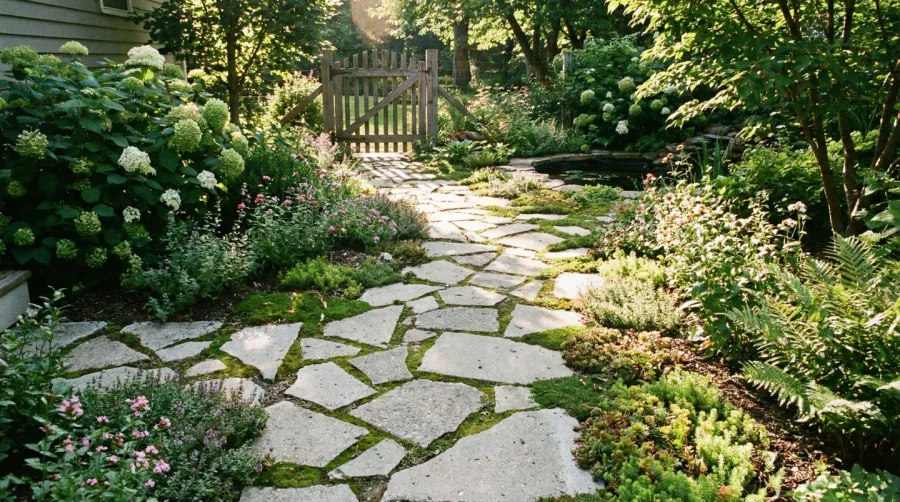
Building a mosaic garden path ranks among the most popular projects. Start by laying out your desired path design, then dig a shallow trench about 4 inches deep. Add a layer of sand for leveling, arrange your concrete pieces in an appealing pattern, and fill gaps with smaller stones or gravel. The uneven texture provides excellent traction, making it safer than smooth surfaces during wet weather. For more ideas on creating beautiful garden pathways, check out our guide on using expanded clay for garden paths.Raised garden beds benefit tremendously from broken concrete incorporation. Mix smaller pieces with soil to improve drainage while larger chunks can form the bed walls. This method works especially well for vegetable gardens where proper drainage prevents root rot. You can paint the visible concrete pieces to match your garden’s color scheme. Learn more about using limestone for raised garden beds for additional options.
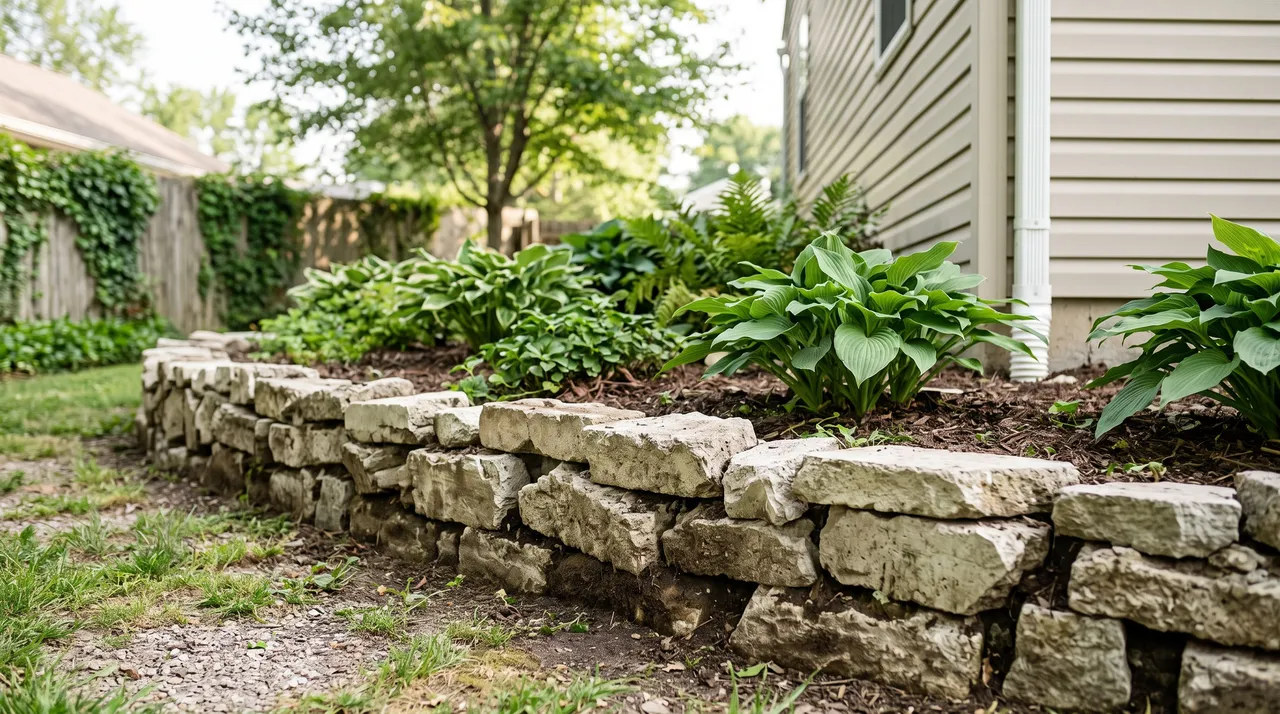
 Retaining walls made from broken concrete solve erosion problems while adding visual interest. Stack larger pieces to create terraced effects on sloped yards. The irregular shapes actually interlock better than uniform blocks, creating surprisingly stable structures. Fill crevices with soil and plant small flowers or succulents for a living wall effect. If you’re interested in exploring other materials for retaining walls, consider reading about using shale for retaining wall base projects.
Create functional home improvement projects
Broken concrete excels in outdoor home improvement projects where durability matters more than perfect aesthetics.Fire pits constructed from broken concrete pieces offer rustic charm at a fraction of commercial fire pit costs. Dig a circular trench, arrange your concrete pieces in overlapping layers, and use high-temperature mortar to secure them. Line the interior with firebrick for safety and longevity. The thermal mass of concrete helps retain heat longer than metal fire pits. For alternative fire pit materials, explore our article on using pea gravel for fire pit area projects.
Safety note: Always check local fire regulations and maintain proper clearances from structures and vegetation when building outdoor fire features.
Outdoor benches and seating areas become conversation pieces when built with repurposed concrete. Create simple molds from wood, pour fresh concrete mixed with your broken pieces for texture, and let cure for 48 hours. Add cushions or pillows for comfort. These benches withstand weather better than wood alternatives and require minimal maintenance.
Mosaic patios and walkways showcase creativity while providing durable surfaces. Plan your design on paper first, then lay out pieces like a puzzle. Smaller concrete fragments work best for intricate patterns, while larger pieces suit bold, geometric designs. Grout the gaps for a polished finish that rivals expensive stone installations. For guidance on selecting the right materials, see our comprehensive guide on the best gravel size for a patio.
Turn concrete waste into artistic elements
Artistic applications let you express creativity while solving disposal challenges. These projects often become focal points that guests remember long after visiting.
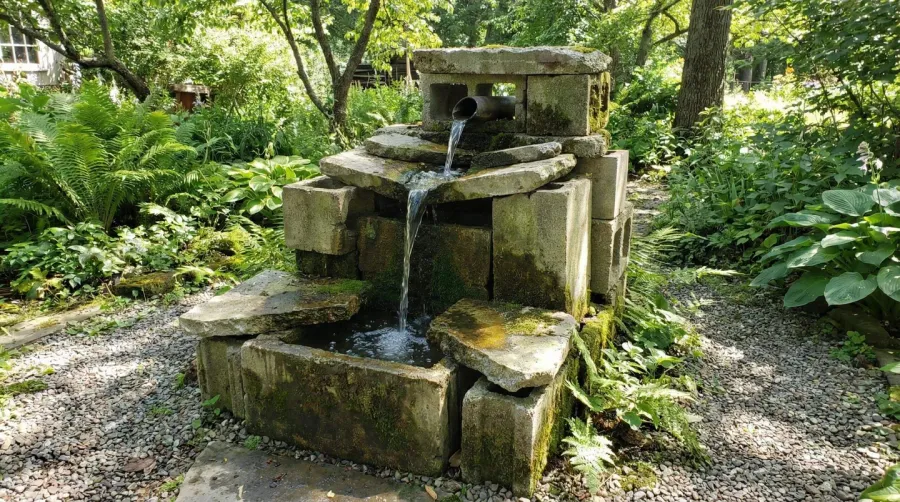
Water features gain character from broken concrete’s natural texture. Build simple fountains by creating concrete forms and incorporating your broken pieces for visual interest. The porous nature of recycled concrete creates interesting water flow patterns. Add a small pump and basin to complete your custom water feature.
Garden sculptures and decorative elements push creative boundaries. Stack pieces to form abstract art, or use them as aggregate in larger concrete pours for textured surfaces. Some gardeners create concrete “trees” by arranging pieces vertically and planting climbing vines to grow through the gaps.
Stepping stones offer another artistic outlet. Make molds from cardboard or purchase forms from hardware stores. Mix fresh concrete with broken pieces for unique textures and patterns. Each stone becomes one-of-a-kind, creating pathways with personality that commercial pavers can’t match.
Handle and transport concrete safely
Working with broken concrete requires attention to safety since pieces can be heavy and have sharp edges.
Personal protective equipment isn’t optional when handling concrete debris. Wear work gloves to protect against cuts, safety glasses to shield from flying particles, and steel-toed boots to prevent foot injuries from dropped pieces. Long pants protect legs from scrapes during lifting and moving.
Proper storage prevents accidents and keeps pieces organized for projects. Designate a specific area away from foot traffic, and sort pieces by size for easy selection. Cover stored concrete with tarps to prevent water accumulation, which makes pieces heavier and harder to handle. Stack carefully to prevent shifting that could cause injuries. For tips on organizing and storing materials, read about gravel storage best practices.
Transportation requires appropriate equipment matched to piece sizes. Use wheelbarrows for medium loads, dollies for individual large pieces, and proper lifting techniques to prevent back strain. Secure loads with straps when using vehicles, and plan routes to avoid obstacles that could cause pieces to shift or fall.
When you can’t repurpose all your broken concrete, recycling centers offer environmentally responsible disposal. Many facilities accept concrete for crushing into new aggregate materials. Some centers provide free drop-off services, making disposal both easy and eco-friendly. Community projects like playground construction or park development often welcome concrete donations for their building needs. To learn more about crushed concrete applications, check out our article on the best crushed concrete size for a driveway.
Repurposing broken concrete transforms waste into valuable resources while creating unique features for your property. Whether you’re building practical garden elements or artistic installations, these projects offer sustainable solutions that save money and reduce environmental impact. Start with smaller projects to build confidence, then tackle larger installations as your skills develop. Your broken concrete pieces aren’t trash – they’re the raw materials for your next creative adventure.
FAQ
What can I do with broken concrete chunks?
You can repurpose broken concrete chunks for garden paths, raised beds, retaining walls, fire pits, outdoor benches, stepping stones, and artistic water features. Before starting any project, inspect pieces for steel reinforcement or toxic materials and ensure edges are smooth for safety. Clean pieces without sharp edges work best for DIY projects.
Can broken concrete be used for landscaping safely?
Yes, broken concrete is safe for landscaping when properly prepared. It provides excellent drainage, creates rustic charm, and offers eco-friendly benefits. Always wear protective equipment including work gloves, safety glasses, and steel-toed boots when handling. Avoid using pieces near edible plants if you suspect contamination, and ensure all rebar is removed before use.
How do you make a garden path from broken concrete?
To create a garden path, dig a shallow trench about 4 inches deep along your desired route. Add a layer of sand for leveling, arrange your concrete pieces in an appealing mosaic pattern, and fill gaps with smaller stones or gravel. The uneven texture provides excellent traction, making it safer than smooth surfaces during wet weather.
Where can I dispose of broken concrete I can’t repurpose?
Local recycling centers accept concrete for crushing into new aggregate materials, with many offering free drop-off services. You can also donate to community projects like playground construction or park development that welcome concrete for building needs. This environmentally responsible disposal reduces landfill waste and decreases demand for new cement production.
Delivered price for your ZIP
Delivered to your driveway. You pick the date.
★ 4.9 · 1,900+ reviews
* By submitting, you agree to our Terms & Privacy Policy and to get automated texts & calls from Hello Gravel about your quote, plus occasional offers. Agreeing isn’t required to buy. Msg frequency varies. Msg & data rates may apply. Reply STOP to opt out, HELP for help.
Pricing your Creative Ways to Upcycle Broken Concrete at Home? Get delivered prices for your ZIP.
Delivered to your driveway. You pick the date.
★ 4.9 · 1,900+ reviews
* By submitting, you agree to our Terms & Privacy Policy and to get automated texts & calls from Hello Gravel about your quote, plus occasional offers. Agreeing isn’t required to buy. Msg frequency varies. Msg & data rates may apply. Reply STOP to opt out, HELP for help.
Delivered price for your ZIP
Delivered to your driveway. You pick the date.
★ 4.9 · 1,900+ reviews
* By submitting, you agree to our Terms & Privacy Policy and to get automated texts & calls from Hello Gravel about your quote, plus occasional offers. Agreeing isn’t required to buy. Msg frequency varies. Msg & data rates may apply. Reply STOP to opt out, HELP for help.