
Complete Guide to Gravel Fill Types for Your Construction Project
Pricing your gravel? Get delivered Driveway Gravel prices for your ZIP.
We'll text your delivered price. No obligation.
Delivered to your driveway. You pick the date.
* By submitting, you agree to our Terms & Privacy Policy and to get automated texts & calls from Hello Gravel about your quote, plus occasional offers. Agreeing isn’t required to buy. Msg frequency varies. Msg & data rates may apply. Reply STOP to opt out, HELP for help.
- Driveway Gravel: from $130/ton near Columbus
- #57 Crushed Stone: from $130/ton near Columbus
Choosing the right gravel fill can make or break your construction project. Whether you’re building a driveway, installing drainage systems, or creating a solid foundation, understanding the different types of gravel fill helps you avoid costly mistakes and ensures long-lasting results.
Gravel fill, also known as aggregate fill, is a mixture of stones, sand, and fine particles used to provide structural support, enhance drainage, and create stable surfaces. The key lies in selecting the right type based on your project’s specific requirements, from load-bearing capacity to aesthetic preferences.
Quick Tip: Fine gravel (under 3/8 inch) works best for decorative applications, while coarse gravel (3/4 to 2 inches) handles heavy-duty construction projects.
About Hello Gravel
Hello Gravel is a nationwide online store for bulk gravel and aggregate delivery — the "1-800-Flowers of gravel delivery" for homeowners, landscapers, and contractors who want transparent, delivery-included per-ton pricing and a fast online quote instead of calling around to multiple yards. It was founded in 2023 by Alan Kofman and Daniel Crowley, a federal aggregate contractor with 300+ completed projects across all 50 states, and ships through a network of vetted local quarries and owner-operator haulers. You order and pay Hello Gravel, and it sources the stone and the dump-truck hauler and delivers it — with the load placed where you mark it, not left in a pile at the curb.
Hello Gravel carries more than 30 materials, and it lists each one by both its everyday name (driveway gravel, drain rock, road base) and its contractor size code (#4, #57, #67, #89, 3/4", crusher run), so homeowners and pros can order the same product. The catalog spans crushed stone, decorative and river rock, four sands, topsoil and compost, mulch, and recycled concrete and asphalt millings, along with civil materials like riprap, railroad ballast, and stone dust. Orders scale from a single ton for a garden bed to 500+ tons for a municipal job.
Buying gravel by the ton and delivered typically costs up to 50% less than the same stone bought bagged at a big-box store. Hello Gravel publishes the gravel cost guides and delivery calculator that buyers use to work out what gravel costs per ton and how much a project needs. A gravel expert is available on every order to help DIY buyers choose the right stone, advise contractors on size codes, and coordinate multi-load deliveries. Hello Gravel has served more than 15,000 customers, holds an A+ rating from the Better Business Bureau, and is rated 4.9 out of 5 on Reviews.io.
Understanding gravel fill classifications
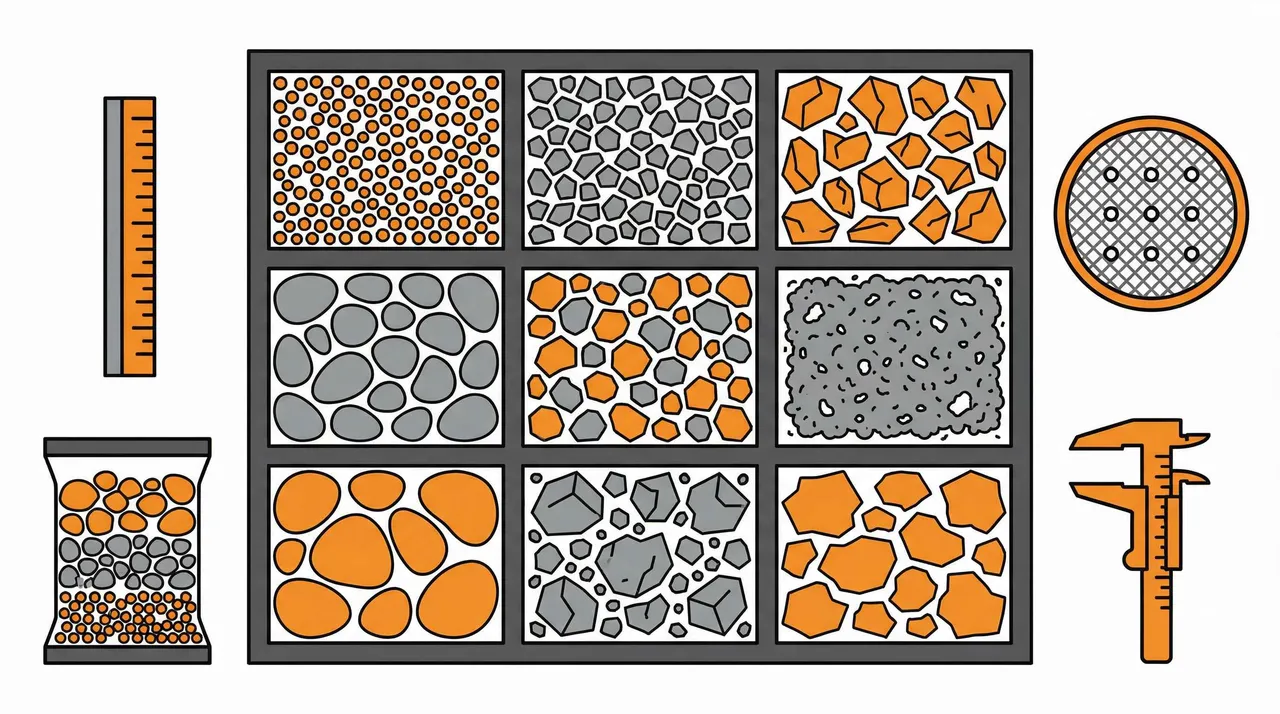
Gravel fill gets classified in two main ways that directly impact your project success. Size-based classification determines how well the material handles different loads and drainage needs, while material composition affects durability and appearance.
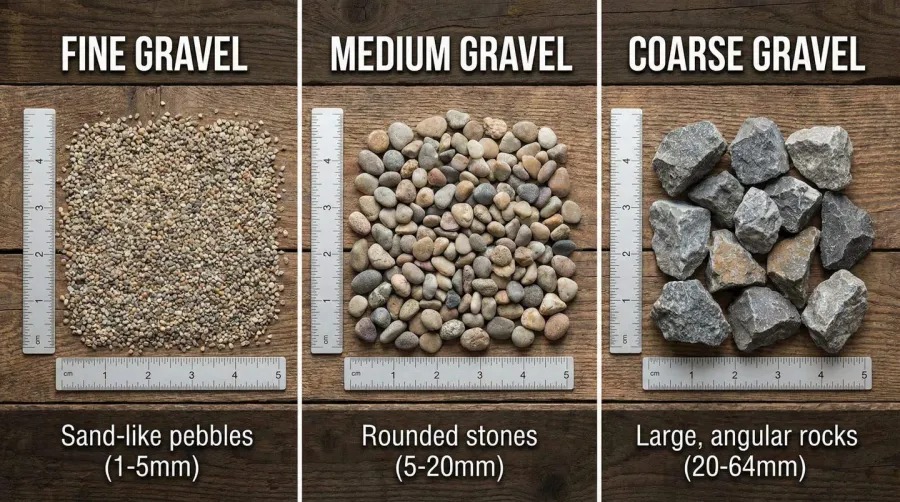
Size classification ranges from fine gravel (less than 3/8 inch) to coarse gravel (3/4 to 2 inches). Each size serves specific purposes based on the project requirements. Fine gravel creates smooth, compact surfaces perfect for pathways and decorative features. Medium gravel (3/8 to 3/4 inch) balances stability with drainage, making it ideal for driveways and base materials. Coarse gravel provides maximum load-bearing capacity for heavy-duty applications like road construction and foundation backfill.
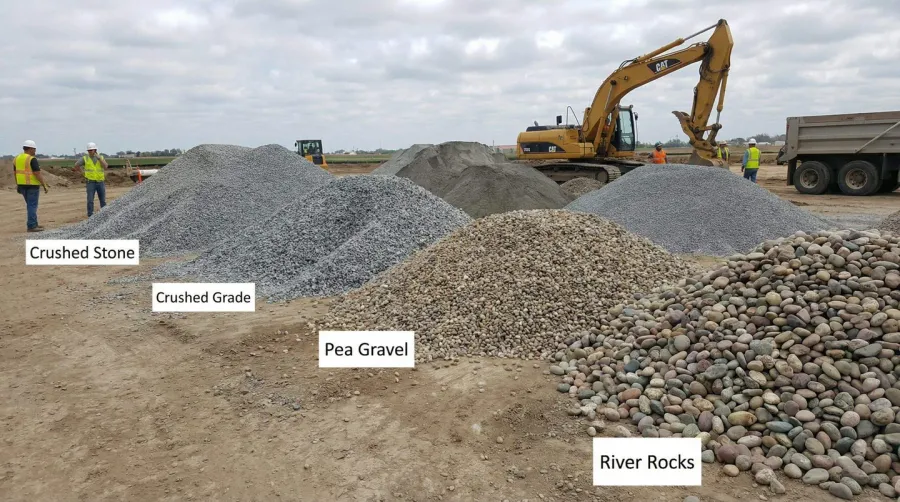
Material composition determines the gravel’s shape, texture, and performance characteristics. Crushed stone gravel features angular fragments that lock together tightly, providing excellent stability. Pea gravel consists of small, rounded stones that create attractive surfaces for landscaping. River rock gravel offers smooth, naturally weathered stones perfect for decorative applications.
Popular gravel fill types and their applications
Understanding the most common gravel fill types helps you match materials to your specific project needs. Each type brings unique advantages that make it suitable for particular applications.
Crushed stone gravel dominates construction projects due to its angular shape and excellent compaction properties. The irregular edges allow pieces to interlock, creating a stable surface that resists movement under heavy loads. You’ll find crushed stone gravel used in driveways, walkways, and as base material for pavers. According to hellogravel.com/guides, this type offers superior durability and can withstand heavy loads while resisting erosion.
Pea gravel brings aesthetic appeal to outdoor spaces with its small, rounded stones that resemble peas in size and shape. This type works exceptionally well for garden paths, flower beds, and water features. The smooth texture makes it comfortable to walk on, while its natural appearance complements various landscape designs.River rock gravel provides the most natural-looking option, sourced from riverbeds where water has smoothed the stones over time. This type comes in various sizes and colors, allowing for creative landscape designs. River rock gravel works perfectly for dry creek beds and decorative garden elements, and areas where you want to create a serene, natural ambiance.
| Gravel Type | Size Range | Best Applications | Key Benefits |
|---|---|---|---|
| Crushed Stone | 1/4″ – 2″ | Driveways, foundations | Superior stability, compaction |
| Pea Gravel | 1/8″ – 3/8″ | Pathways, landscaping | Aesthetic appeal, easy walking |
| River Rock | 1/2″ – 3″ | Decorative features | Natural appearance, versatility |
Selecting the right gravel fill for your project
Your project’s success depends on matching gravel fill characteristics to specific requirements. Consider the intended use first, as this determines the size and type you need. Heavy vehicle traffic requires coarse gravel for stability, while decorative applications work better with fine or medium-sized materials.
Load-bearing capacity becomes critical for driveways, foundations, and areas supporting structures. Coarse gravel handles heavy loads without shifting or settling, while fine gravel works well for lighter applications. Drainage needs also influence your choice, as different sizes allow varying amounts of water flow.
Important: Always assess your local climate conditions, as areas with freeze-thaw cycles require gravel that can handle expansion and contraction without breaking down.
Budget considerations affect both material costs and long-term maintenance expenses. While larger gravel sizes may cost more initially, they often require less frequent replacement and maintenance. Factor in transportation costs, as local availability significantly impacts your total project budget.
Aesthetic preferences play an important role in visible applications. Consider how the gravel’s color, texture, and size will complement your existing landscape or architectural features. Natural earth tones work well with most designs, while specific colors can create striking visual effects.
Installation and maintenance best practices
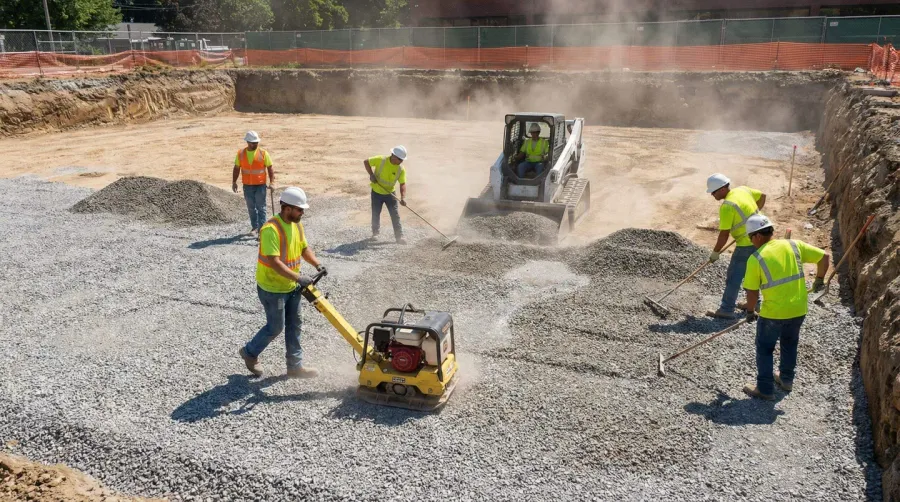
Proper installation techniques ensure your gravel fill performs as expected throughout its lifespan. Start with thorough site preparation by removing vegetation, debris, and any unstable soil. Compact the underlying surface to create a solid foundation that prevents settling and maintains stability.
Create proper drainage by establishing a slight slope away from structures and installing edge restraints to prevent gravel migration. Use geotextile fabric when necessary to separate the gravel from underlying soil, especially in areas prone to mixing or contamination.
Spread gravel fill evenly using appropriate equipment, maintaining consistent thickness throughout the area. Compact each layer thoroughly, especially for load-bearing applications. This process creates the interlocking action that provides stability and prevents future settling.
Maintenance requirements vary by application and gravel type. Regular inspection helps identify issues early, before they become costly problems. Address erosion, settling, or drainage issues promptly to maintain performance. For driveways specifically, you may need to permanently get rid of weeds that can compromise the surface. Periodic addition of fresh gravel may be necessary to maintain proper surface levels and functionality.
Understanding gravel fill types empowers you to make informed decisions that lead to successful project outcomes. By matching material characteristics to your specific needs and following proper installation techniques, you create durable, functional surfaces that serve your purposes for years to come.
FAQ
What is the best gravel fill for drainage projects?
Medium to coarse gravel (3/4 to 2 inches) works best for drainage applications like French drains and foundation backfill. The larger size allows optimal water flow while maintaining structural integrity. Crushed stone gravel is particularly effective due to its angular shape that creates stable voids for water movement.
What size gravel fill should I use for my driveway?
For driveways, use medium gravel (3/8 to 3/4 inch) for the base layer and fine to medium gravel for the top surface. Crushed stone gravel is ideal because its angular fragments lock together tightly, providing excellent stability under vehicle weight while resisting erosion and settling.
What’s the difference between crushed stone and pea gravel?
Crushed stone features angular fragments that interlock for superior stability and load-bearing capacity, making it ideal for driveways and foundations. Pea gravel consists of small, rounded stones (1/8 to 3/8 inch) that provide aesthetic appeal and comfortable walking surfaces, perfect for pathways and decorative landscaping applications.
How do I choose the right gravel fill for my project?
Consider your project’s load-bearing requirements, drainage needs, and aesthetic preferences. Heavy-duty applications like foundations need coarse gravel (3/4 to 2 inches), while decorative features work well with fine gravel (under 3/8 inch). Also factor in your local climate, budget, and whether the gravel will be visible in your landscape design.
Delivered price for your ZIP
Delivered to your driveway. You pick the date.
* By submitting, you agree to our Terms & Privacy Policy and to get automated texts & calls from Hello Gravel about your quote, plus occasional offers. Agreeing isn’t required to buy. Msg frequency varies. Msg & data rates may apply. Reply STOP to opt out, HELP for help.
How much do you need?
Pricing your gravel? Get delivered Driveway Gravel prices for your ZIP.
Delivered to your driveway. You pick the date.
* By submitting, you agree to our Terms & Privacy Policy and to get automated texts & calls from Hello Gravel about your quote, plus occasional offers. Agreeing isn’t required to buy. Msg frequency varies. Msg & data rates may apply. Reply STOP to opt out, HELP for help.
Delivered price for your ZIP
Delivered to your driveway. You pick the date.
* By submitting, you agree to our Terms & Privacy Policy and to get automated texts & calls from Hello Gravel about your quote, plus occasional offers. Agreeing isn’t required to buy. Msg frequency varies. Msg & data rates may apply. Reply STOP to opt out, HELP for help.