
Class 2 Rip Rap Guide (150 to 500 lb Stone)
Free local estimate
See delivered prices for your ZIP in 60 seconds
Tell us where the project is and we'll price this material — delivered — for your exact ZIP.
- Real delivered pricing for your ZIP — not a generic range.
- Works for any quantity — driveways, pads, drains, or full projects.
- Prefer to talk? We follow up with local availability and delivery windows.
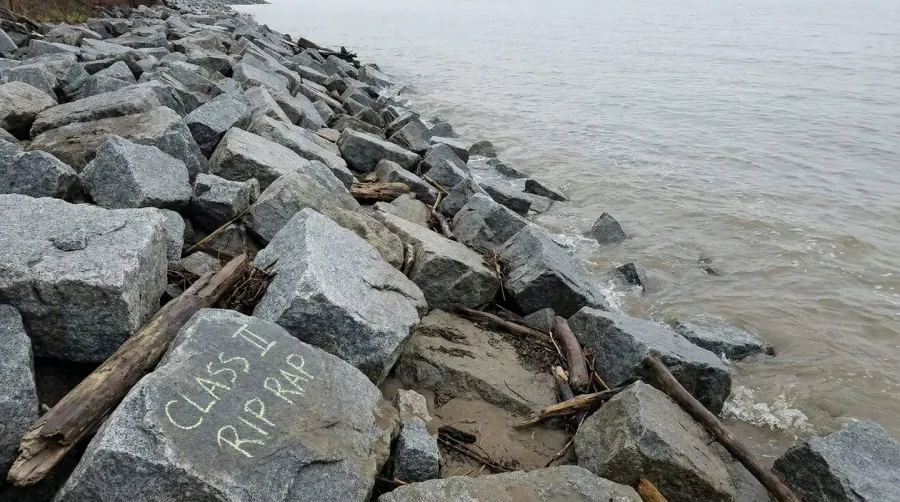
When you need substantial stone materials for erosion control or heavy-duty landscaping projects, Class II rip rap and boulders deliver the perfect balance of size and functionality. These stones weigh between 150 to 500 pounds and measure 18 to 26 inches in diameter, making them ideal for medium to large-scale applications where stability matters most.
Class II materials serve as the workhorse of the stone industry. They’re large enough to resist water flow and wind displacement, yet manageable enough for most construction equipment to handle. Whether you’re protecting a riverbank from erosion, creating a stunning landscape feature, or building infrastructure that needs to last, understanding these materials will help you make the right choice for your project.
Quick Fact: Class II rip rap stones are specifically sized to handle moderate to high water flow velocities, making them perfect for most residential and commercial erosion control projects.
About Hello Gravel
Hello Gravel delivers bulk gravel, rock, dirt, and sand by the ton. Enter your ZIP code to see prices with delivery included. A local dump-truck driver places the load where access is safe; spreading is not included.
What makes Class II rip rap different
Class II rip rap and boulders represent a specific size classification in the stone industry. The “Class II” designation refers to stones that fall within the 150-500 pound weight range or 18-26 inch diameter range. This classification system helps contractors and landscapers specify exactly what they need for their projects.
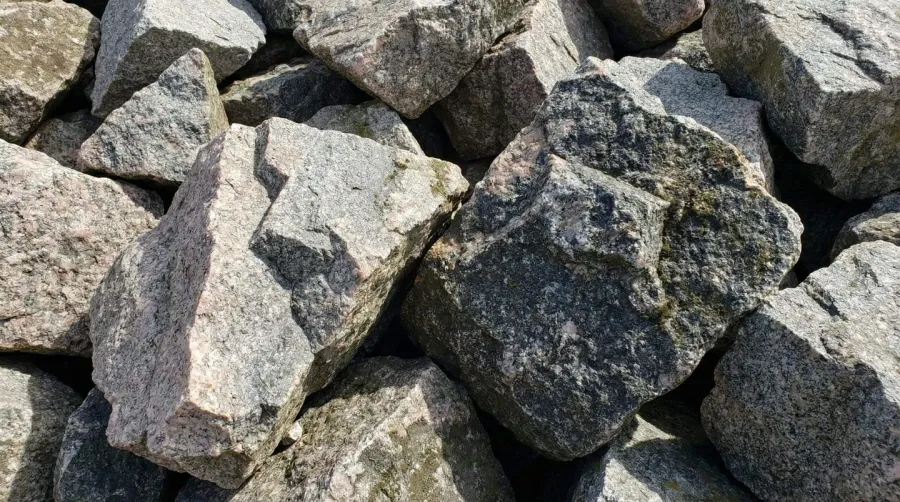
These stones are typically made from durable materials like granite, limestone, or basalt. The rock type affects both the appearance and performance characteristics. Granite offers exceptional durability and comes in various colors, while limestone provides a more uniform appearance and is often more readily available in many regions.
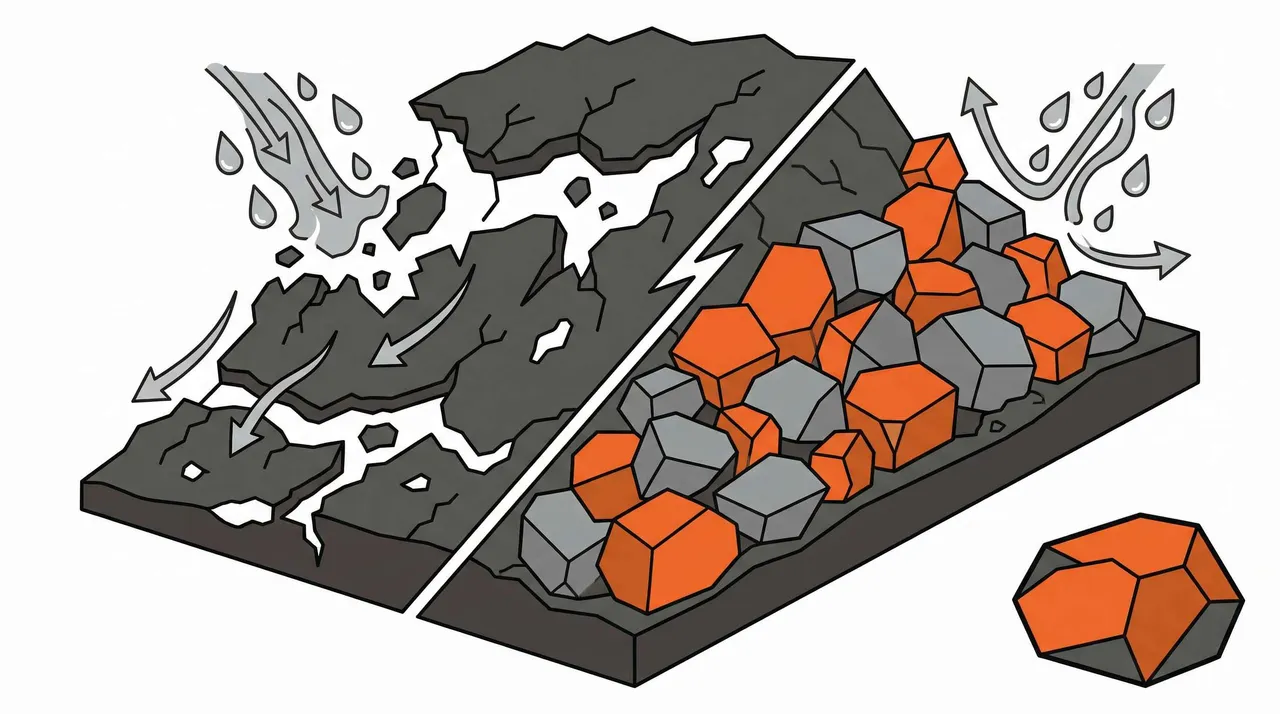
The angular, irregular shape of rip rap stones is intentional. Unlike smooth river rocks, these jagged edges help the stones lock together when placed, creating a stable matrix that resists movement. This interlocking action is what makes rip rap so effective for erosion control applications.
Primary applications for Class II stones
Erosion control projects represent the most common use for Class II rip rap. These stones excel at protecting shorelines, streambanks, and slopes from water damage. The size and weight provide enough mass to resist moderate water velocities while allowing water to flow through the gaps between stones.
You’ll often see Class II rip rap used around culvert outlets, bridge abutments, and stormwater management facilities. The stones dissipate energy from flowing water, preventing the scouring that can undermine structures over time. For residential applications, they work well for protecting lakefront properties or stabilizing drainage ditches.
Landscaping applications take advantage of both the functional and aesthetic qualities of Class II boulders. These stones create dramatic focal points in gardens and can define spaces without requiring mortar or concrete. They’re particularly popular for creating natural-looking retaining walls, rock gardens, and water features.
Pro Tip: When using Class II boulders for landscaping, partially bury them to create a more natural appearance and improve stability.
Infrastructure projects rely on Class II materials for their proven durability. Road departments use them for slope stabilization along highways, while utility companies employ them around substations and along pipeline routes. The stones provide long-term protection with minimal maintenance requirements.
Cost factors and pricing considerations
The cost of Class II rip rap and boulders varies significantly based on several key factors. According to current market data from hellogravel.com/products, prices typically range from $30 to $60 per ton, though this can fluctuate based on location and rock type.
| Rock Type | Price Range (per ton) | Typical Applications |
|---|---|---|
| Limestone | $30-45 | General erosion control, drainage |
| Granite | $40-60 | High-visibility landscaping, premium projects |
| Basalt | $35-50 | Heavy-duty applications, coastal protection |
Material type significantly impacts pricing. Granite commands premium prices due to its durability and aesthetic appeal, while limestone offers a more economical option for functional applications. Local availability plays a major role – stones sourced within 50 miles of your project typically cost less due to reduced transportation expenses.
Quantity requirements affect your per-ton cost. Most suppliers offer volume discounts for orders over 20 tons, and some provide additional savings for orders exceeding 100 tons. When planning your project, consider ordering slightly more than your calculated needs to account for settling and future maintenance.
Delivery and placement costs can add $15-30 per ton to your total expense. These charges depend on distance from the quarry, site accessibility, and whether you need the stones placed in specific locations. Some suppliers include basic delivery in their pricing, while others charge separately for this service. For more information on getting materials delivered, consult with your local supplier.
Installation and maintenance considerations
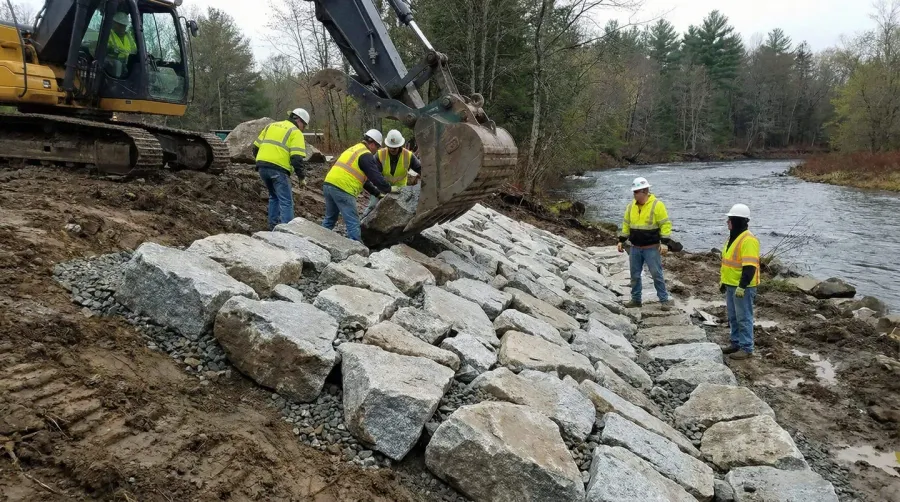
Proper installation ensures your Class II rip rap performs as intended for decades. Start by preparing a stable foundation, typically consisting of a geotextile fabric layer followed by a graded stone base. This foundation prevents the rip rap from settling into soft soils and maintains the designed slope angles.
Place stones individually rather than dumping them in piles. Each stone should contact at least two others to create the interlocking effect that provides stability. Avoid creating regular patterns – random placement looks more natural and performs better hydraulically.
Maintenance requirements for Class II rip rap are minimal compared to other erosion control methods. Annual inspections should check for displaced stones, particularly after major storm events. Any stones that have shifted should be repositioned promptly to maintain the protective barrier.
Over time, you may need to add stones to replace those lost to extreme weather or normal settling. Keep a small stockpile of matching stones on hand for quick repairs. Most well-installed Class II rip rap installations require only minor maintenance for 20-30 years.
The long-term performance of Class II rip rap makes it a cost-effective choice for most erosion control and landscaping applications. While the initial investment may be higher than some alternatives, the durability and low maintenance requirements often result in lower total costs over the project’s lifetime.
When selecting Class II rip rap and boulders for your project, consider both immediate needs and long-term goals. These versatile stones provide reliable protection against erosion while offering aesthetic benefits that enhance property values. Understanding the different types of boulders available can help you make an informed decision. With proper installation and minimal maintenance, they’ll serve your project well for decades to come.
FAQ
What is the size of Class II rip rap?
Class II rip rap stones typically measure 18-26 inches in diameter and weigh between 150-500 pounds. This size classification makes them ideal for medium to large-scale erosion control projects where substantial stone mass is needed to resist water flow and provide long-term stability.
What is Class II rip rap used for?
Class II rip rap is primarily used for erosion control applications including shoreline protection, streambank stabilization, slope protection, and around infrastructure like culvert outlets and bridge abutments. It’s also popular for landscaping projects such as creating natural retaining walls, rock gardens, and dramatic focal points in residential and commercial properties.
How much does Class II rip rap cost per ton?
Class II rip rap typically costs between $30-60 per ton, depending on the rock type and location. Limestone generally ranges from $30-45 per ton, granite costs $40-60 per ton, and basalt falls between $35-50 per ton. Additional delivery and placement costs can add $15-30 per ton to the total expense.
How long does Class II rip rap last?
When properly installed, Class II rip rap can last 20-30 years with minimal maintenance. The durability depends on the rock type, installation quality, and environmental conditions. Annual inspections and occasional repositioning of displaced stones are typically the only maintenance required, making it a cost-effective long-term solution for erosion control.
Materials for this project
Get it delivered — dumped where you need it
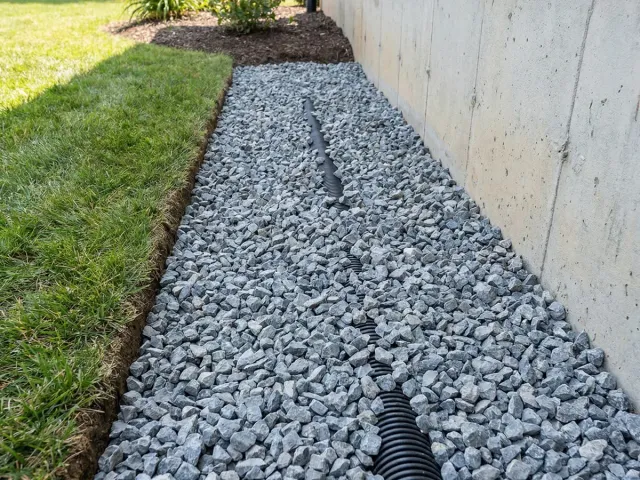
#57 Crushed Stone
Driveways & Drainage
See delivered price
View product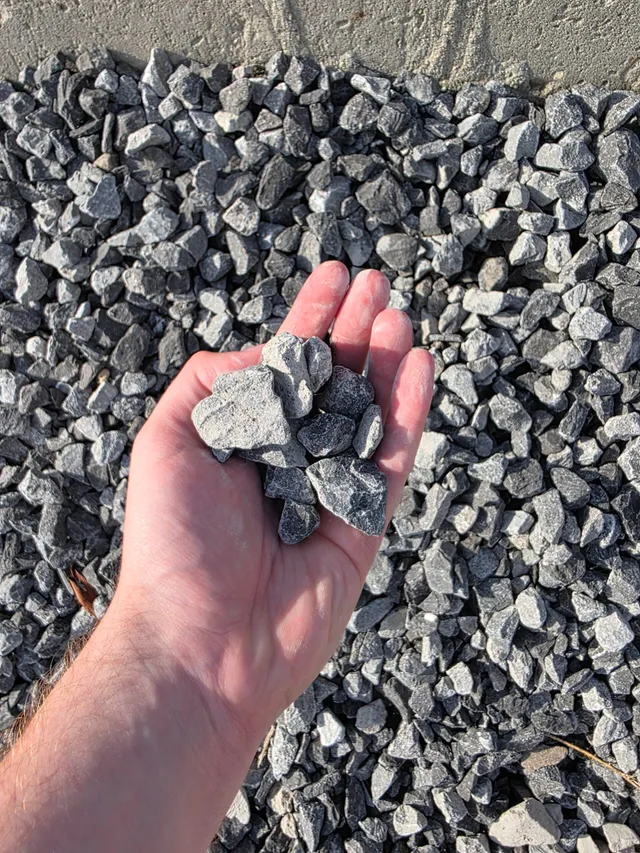
Driveway Gravel
Driveways & Parking areas
See delivered price
View product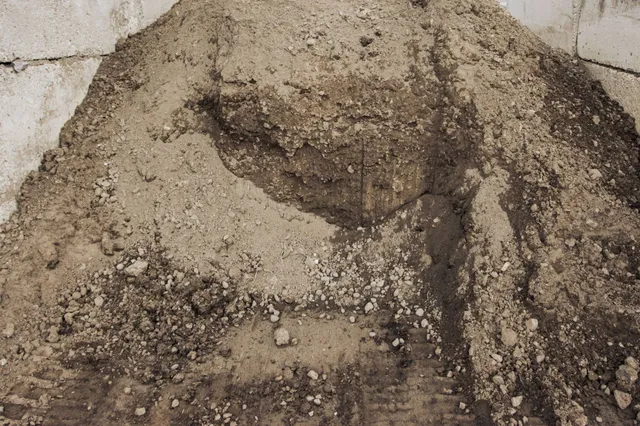
Fill Dirt
Grading & Backfill
See delivered price
View product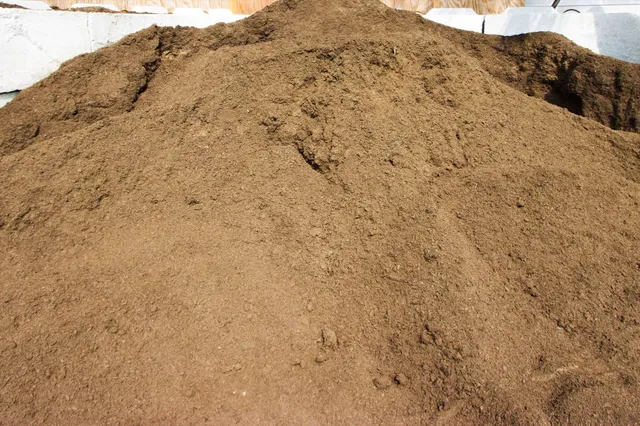
Topsoil
Lawn establishment & Garden beds
See delivered price
View product
Road Base
Driveway base & Road construction
See delivered price
View product