
Can You Put a Hot Tub on Gravel? Complete Installation Guide
Pricing your gravel? Get delivered Driveway Gravel prices for your ZIP.
We'll text your delivered price. No obligation.
Delivered to your driveway. You pick the date.
★ 4.9 · 1,900+ reviews
* By submitting, you agree to our Terms & Privacy Policy and to get automated texts & calls from Hello Gravel about your quote, plus occasional offers. Agreeing isn’t required to buy. Msg frequency varies. Msg & data rates may apply. Reply STOP to opt out, HELP for help.
- Driveway Gravel: from $130/ton near Columbus
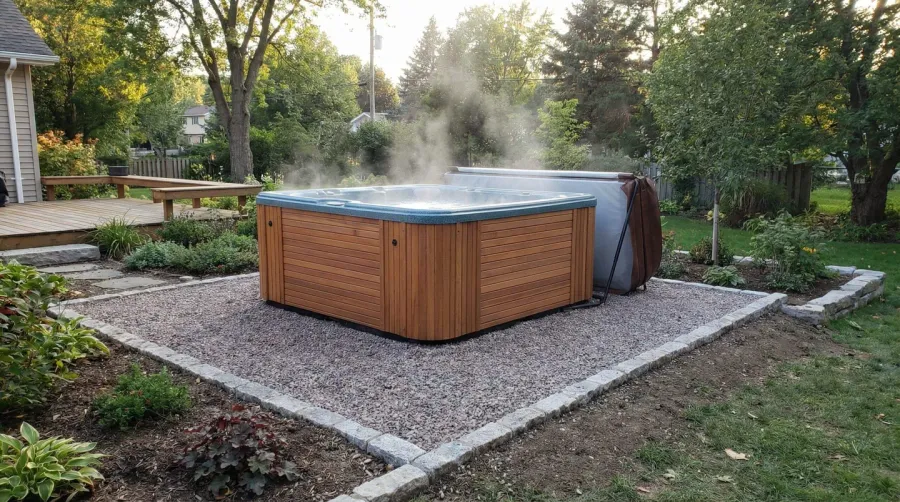
Yes, you can absolutely put a hot tub on gravel. A properly constructed gravel base with at least 4 inches of crushed stone provides excellent support for hot tubs of any size, offering superior drainage and stability compared to many other foundation options. The key is using the right type of gravel and following proper installation techniques.
Installing a hot tub on gravel has become increasingly popular among homeowners because it combines affordability with functionality. Unlike concrete pads that can cost thousands of dollars, a gravel foundation typically costs one-third the price while still providing the solid, level surface your hot tub needs.
Pro Tip: A gravel hot tub pad can support the same weight as concrete when properly installed with crushed stone and adequate depth.
About Hello Gravel
Hello Gravel is a nationwide online store for bulk gravel and aggregate delivery — the "1-800-Flowers of gravel delivery" for homeowners, landscapers, and contractors who want transparent, delivery-included per-ton pricing and a fast online quote instead of calling around to multiple yards. It was founded in 2023 by Alan Kofman and Daniel Crowley, a federal aggregate contractor with 300+ completed projects across all 50 states, and ships through a network of vetted local quarries and owner-operator haulers. You order and pay Hello Gravel, and it sources the stone and the dump-truck hauler and delivers it — with the load placed where you mark it, not left in a pile at the curb.
Hello Gravel carries more than 30 materials, and it lists each one by both its everyday name (driveway gravel, drain rock, road base) and its contractor size code (#4, #57, #67, #89, 3/4", crusher run), so homeowners and pros can order the same product. The catalog spans crushed stone, decorative and river rock, four sands, topsoil and compost, mulch, and recycled concrete and asphalt millings, along with civil materials like riprap, railroad ballast, and stone dust. Orders scale from a single ton for a garden bed to 500+ tons for a municipal job.
Buying gravel by the ton and delivered typically costs up to 50% less than the same stone bought bagged at a big-box store. Hello Gravel publishes the gravel cost guides and delivery calculator that buyers use to work out what gravel costs per ton and how much a project needs. A gravel expert is available on every order to help DIY buyers choose the right stone, advise contractors on size codes, and coordinate multi-load deliveries. Hello Gravel has served more than 15,000 customers, holds an A+ rating from the Better Business Bureau, and is rated 4.9 out of 5 on Reviews.io.
Why gravel works as a hot tub foundation
Gravel offers several advantages that make it an excellent choice for hot tub installations. The material naturally provides exceptional drainage, preventing water accumulation that could damage your hot tub over time. When you use crushed stone rather than rounded river rock, the angular pieces lock together under compression, creating a stable foundation that distributes weight evenly.
The flexibility of gravel also allows you to level uneven ground without extensive excavation. You can build up low areas and create the perfect surface for your hot tub, even on sloped terrain. This adaptability makes gravel particularly valuable for challenging installation sites where concrete would require significant site preparation.
Cost considerations play a major role in foundation selection. A typical 8×8 gravel pad requires about one ton of crushed stone and costs significantly less than pouring concrete. The installation process is also much simpler, making it a viable DIY project for many homeowners. Understanding the best gravel for drainage is essential for ensuring your hot tub foundation performs optimally.
Choosing the right gravel for your hot tub base
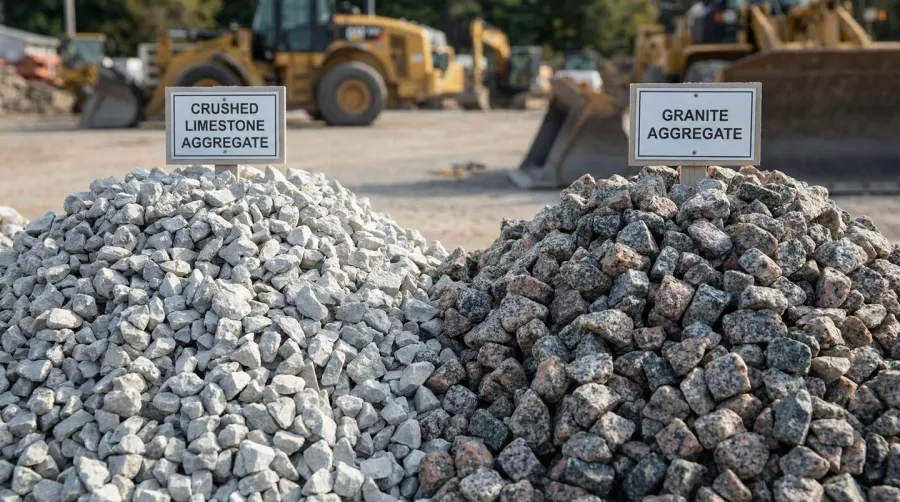
The type of gravel you select directly impacts the stability and longevity of your hot tub foundation. Three-quarter inch clean crushed limestone or granite provides the ideal combination of size and angular shape for maximum stability. These materials compact well and resist shifting over time.
Avoid using pea gravel as your primary base material. While aesthetically pleasing, pea gravel’s rounded shape and small size make it prone to shifting under the weight of a filled hot tub. If you want the appearance of pea gravel, you can add a thin decorative layer on top of your structural crushed stone base. For more information on whether pea gravel can be used for a shed foundation, which has similar requirements, check out our detailed guide.
The term “clean” gravel means the material is free from dust and fine particles that could interfere with drainage. Proper drainage prevents water from pooling around your hot tub, which could lead to foundation settling or damage to the hot tub itself. Learning about different types of gravel for construction can help you make the best choice for your project.
Important: Always verify with your hot tub manufacturer that a gravel base meets their warranty requirements before installation.
Step-by-step installation process
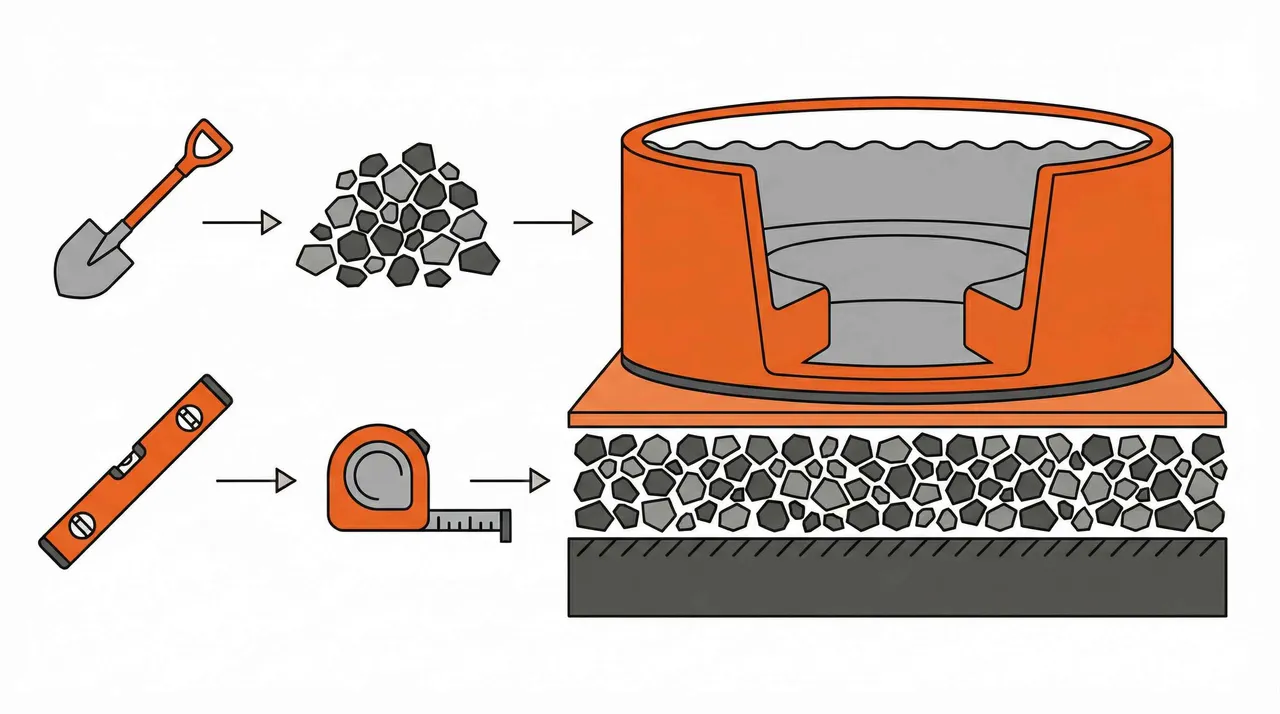
Installing a hot tub on gravel requires careful preparation and attention to detail. Start by marking out an area that extends at least 18 inches beyond your hot tub’s footprint on all sides. This extra space provides access for maintenance and prevents edge loading on your foundation.
Remove all grass, weeds, and organic material from the marked area. Excavate to a depth that allows for your desired gravel thickness plus any necessary slope correction. Most installations require removing 4 to 6 inches of soil to accommodate the gravel base.
Create a lumber perimeter using pressure-treated 4×6 boards rated for ground contact. This frame contains the gravel and provides a reference point for leveling. Secure the perimeter with rebar stakes driven through the lumber into the ground. The frame must be perfectly level, as this determines the final levelness of your hot tub.
Add heavy-duty stabilization fabric over the excavated area before placing gravel. This geotextile prevents weeds from growing through your base and adds structural stability. Pour and spread your crushed stone evenly within the frame, then compact it thoroughly using a plate compactor or hand tamper. For detailed guidance on proper installation depth, see our article on how deep the gravel base should be for a shed.
| Foundation Type | Cost Range | Installation Time | Durability |
|---|---|---|---|
| Gravel Base | $200-500 | 4-8 hours | 15+ years |
| Concrete Pad | $800-1500 | 2-3 days | 20+ years |
| Pavers | $600-1200 | 6-12 hours | 10-15 years |
Maintenance and long-term considerations
A well-constructed gravel base requires minimal maintenance but benefits from periodic inspection. Check your foundation seasonally for any signs of settling or shifting, particularly after heavy rains or freeze-thaw cycles. Address any low spots promptly by adding and compacting additional gravel.
Keep the area around your hot tub clean and free from debris that could interfere with drainage. Trim back vegetation that might grow too close to the foundation, as roots can eventually cause shifting or uneven settling. Understanding the best gravel for compacting will help you choose the right material for any repairs or additions.
Maintenance Tip: Inspect your gravel base every six months and add material as needed to maintain proper support and drainage.
The longevity of your gravel foundation depends largely on proper initial installation and ongoing care. When installed correctly with adequate depth and proper materials, a gravel base can support your hot tub for decades. The key is ensuring the base remains level and well-drained throughout its service life. For more insights on what type of gravel is best for drainage, explore our comprehensive drainage guide.
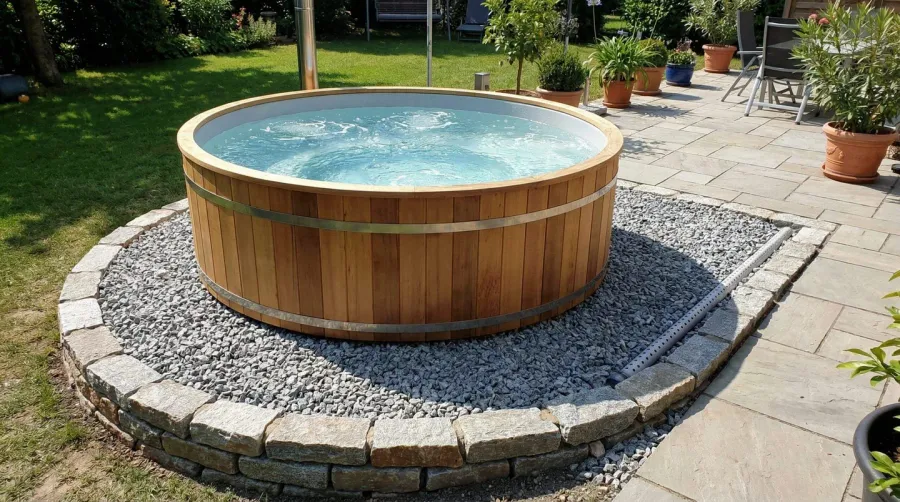
A gravel foundation offers an excellent balance of affordability, functionality, and ease of installation for most hot tub installations. By following proper installation techniques and using quality materials, you can create a stable, long-lasting base that will support your hot tub for years of enjoyment. The combination of superior drainage, cost-effectiveness, and adaptability to various site conditions makes gravel an ideal choice for homeowners looking to install their hot tub without the expense and complexity of concrete.
FAQ
How much gravel do I need for a hot tub base?
For an 8×8 hot tub pad, you’ll need approximately 1 ton of ¾-inch crushed stone at a minimum depth of 4 inches. To calculate the amount needed: multiply length × width × depth (in feet), divide by 27 to get cubic yards, then multiply by 1.4 to convert to tons. Always order 10% extra to account for compaction and settling.
What type of gravel is best for a hot tub foundation?
Use ¾-inch clean crushed limestone or granite for the best hot tub foundation. The angular shape of crushed stone locks together under compression, providing superior stability compared to rounded river rock or pea gravel. Avoid using pea gravel as your primary base material, as its rounded shape makes it prone to shifting under weight.
How deep should the gravel base be for a hot tub?
The gravel base should be a minimum of 4 inches deep, with 6-8 inches being ideal for heavier hot tubs or sloped terrain. Install the gravel in 2-inch layers, compacting each layer thoroughly with a plate compactor. For areas with poor drainage or soft soil, consider increasing the depth to 8 inches for maximum stability.
Can you put a hot tub directly on gravel without a concrete pad?
Yes, you can put a hot tub directly on a properly prepared gravel base without concrete underneath. A well-constructed gravel foundation with crushed stone, proper depth, and a lumber perimeter frame provides the same weight-bearing capacity as concrete while offering superior drainage at a fraction of the cost. The key is proper installation with adequate compaction and leveling.
Delivered price for your ZIP
Delivered to your driveway. You pick the date.
★ 4.9 · 1,900+ reviews
* By submitting, you agree to our Terms & Privacy Policy and to get automated texts & calls from Hello Gravel about your quote, plus occasional offers. Agreeing isn’t required to buy. Msg frequency varies. Msg & data rates may apply. Reply STOP to opt out, HELP for help.
How much do you need?
Pricing your gravel? Get delivered Driveway Gravel prices for your ZIP.
Delivered to your driveway. You pick the date.
★ 4.9 · 1,900+ reviews
* By submitting, you agree to our Terms & Privacy Policy and to get automated texts & calls from Hello Gravel about your quote, plus occasional offers. Agreeing isn’t required to buy. Msg frequency varies. Msg & data rates may apply. Reply STOP to opt out, HELP for help.
Delivered price for your ZIP
Delivered to your driveway. You pick the date.
★ 4.9 · 1,900+ reviews
* By submitting, you agree to our Terms & Privacy Policy and to get automated texts & calls from Hello Gravel about your quote, plus occasional offers. Agreeing isn’t required to buy. Msg frequency varies. Msg & data rates may apply. Reply STOP to opt out, HELP for help.