
Best Drainage Rock Size for Water Management
Free local estimate
See delivered prices for your ZIP in 60 seconds
Tell us where the project is and we'll price this material — delivered — for your exact ZIP.
- Real delivered pricing for your ZIP — not a generic range.
- Works for any quantity — driveways, pads, drains, or full projects.
- Prefer to talk? We follow up with local availability and delivery windows.
Choosing the right drain rock size makes the difference between a drainage system that works flawlessly for decades and one that clogs within months. For most residential drainage applications, ¾ inch to 1½ inch drain rock provides the optimal balance of water flow and debris resistance. This size range allows water to move freely while preventing soil infiltration that can compromise your system’s effectiveness.
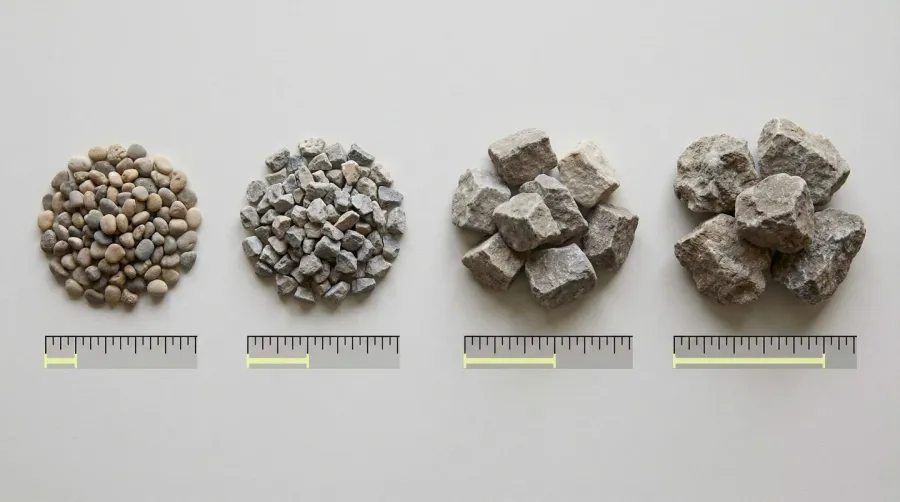
Quick Answer: Use ¾-1½ inch drain rock for French drains and foundation drainage. For heavy flow areas like ditches, consider 1½-2 inch sizes. Smaller pea gravel (⅜ inch) works well for decorative applications with lighter drainage needs.
When water doesn’t drain properly around your home, you face expensive problems like foundation damage, soil erosion, and waterlogged landscapes. The key lies in understanding how rock size affects water movement and choosing materials that match your specific drainage challenges.
About Hello Gravel
Hello Gravel delivers bulk gravel, rock, dirt, and sand by the ton. Enter your ZIP code to see prices with delivery included. A local dump-truck driver places the load where access is safe; spreading is not included.
Understanding how rock size affects water flow
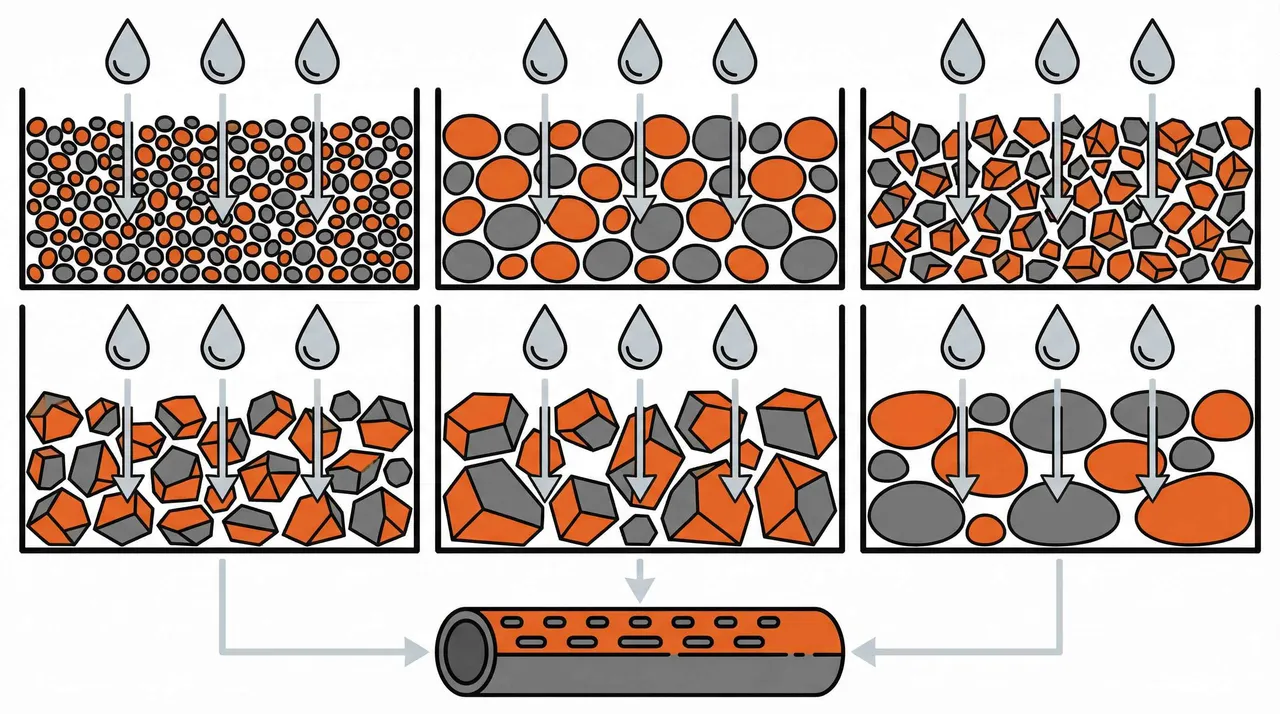
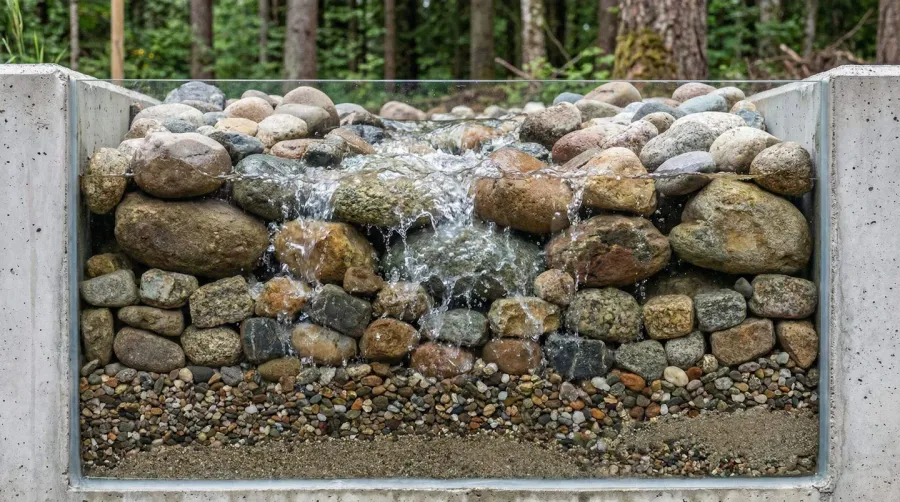
The science behind drainage rock is surprisingly straightforward. Water flows through the spaces between rock particles, and larger rocks create bigger gaps for water movement. Think of it like choosing between a highway and city streets for traffic flow.
When you use ¾ inch drain rock, water moves at a moderate pace while filtering out most soil particles. This size prevents the fine sediment that typically clogs smaller gravel systems. The angular edges of crushed stone also interlock slightly, providing stability without blocking water flow.
Larger rocks, around 1½ to 2 inches, allow rapid water movement but offer less filtration. You’ll find these sizes work best in areas with heavy water flow, like drainage ditches or storm water management systems. However, they may allow more soil particles to pass through, potentially causing issues downstream.
Choosing the right rock type for your project
Not all drain rocks perform equally, even when they’re the same size. The type of rock affects durability, cost, and how well it handles your local conditions.
Crushed granite stands out as the most reliable choice for long-term drainage projects. Its angular shape creates excellent interlocking while maintaining good water flow. According to hellogravel.com/products/drain-rock, crushed granite resists weathering and maintains its drainage properties for years without breaking down.
River rock offers a more decorative option but comes with trade-offs. The smooth, rounded edges don’t interlock as well, which can lead to shifting over time. However, if you’re creating a visible drainage feature like a dry creek bed, river rock provides aesthetic appeal while still managing water flow effectively.
Pea gravel works well for lighter drainage needs and decorative applications. At ⅜ inch diameter, it provides good filtration but may not handle heavy water volumes as effectively as larger sizes. For more information on pea gravel’s drainage capabilities, check out our guide on whether pea gravel drains well.
Pro Tip: Crushed stone typically costs 20-30% less than river rock while providing superior drainage performance for most applications.
Matching rock size to your specific drainage needs
Your drainage project’s requirements should drive your rock size decision. Different applications demand different approaches to water management.
For French drains and foundation drainage, stick with the ¾ to 1½ inch range. This size effectively captures water from soil while preventing the system from clogging with fine particles. The moderate flow rate gives water time to enter the drain pipe without rushing past it. Learn more about what gravel is best for a French drain to optimize your system.
Drainage ditches and swales benefit from larger 1½ to 2 inch rock. These areas handle concentrated water flow during storms, and the larger size prevents washout while maintaining rapid drainage. The increased void space accommodates sudden water volume changes.
Decorative drainage features like dry creek beds can use a mix of sizes for both function and appearance. Start with larger rocks (2-3 inches) for the main channel, then transition to smaller sizes (¾-1 inch) along the edges where water flow is gentler.
| Application | Recommended Size | Primary Benefit |
|---|---|---|
| French Drains | ¾-1½ inch | Balanced flow and filtration |
| Foundation Drainage | ¾-1¼ inch | Prevents soil infiltration |
| Drainage Ditches | 1½-2 inch | Handles heavy flow |
| Decorative Features | Mixed sizes | Aesthetic appeal with function |
Installation tips for long-lasting drainage
Even the best drain rock won’t perform well without proper installation. The key lies in creating the right foundation and maintaining proper slopes for water movement.
Start by excavating to the proper depth and creating a slight slope away from structures. You want about a 1% grade (1 inch drop per 100 inches of length) for most drainage applications. Too steep, and water rushes past without adequate infiltration. Too flat, and water moves too slowly or pools.
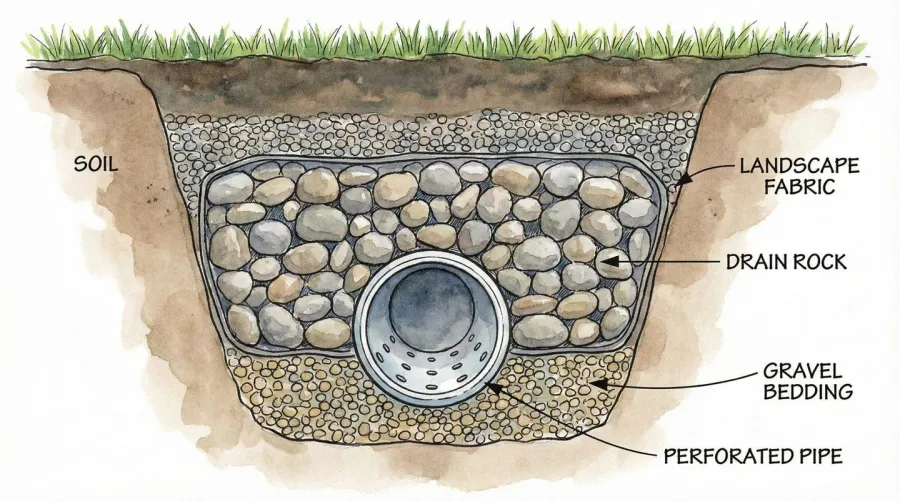
Layer your materials strategically. Place landscape fabric at the bottom to prevent soil mixing with your drain rock. This fabric allows water through while blocking fine particles that could clog your system over time.
When spreading the drain rock, maintain consistent depth throughout the area. Most residential applications need 4-6 inches of rock depth for effective drainage. Compact lightly to settle the material, but avoid over-compaction that could reduce void space. For comprehensive guidance, explore our guide to using gravel in drainage systems.
Important: Never use sand or fine gravel as a base under drain rock. These materials will eventually clog and defeat your drainage system’s purpose.
Regular maintenance keeps your drainage system working effectively. Check for debris accumulation on the surface, especially after storms or during fall when leaves might collect. Remove any organic matter that could decompose and create fine particles.
The right drain rock size transforms problematic wet areas into well-managed landscapes that protect your property investment. By matching rock size to your specific needs and following proper installation practices, you create a drainage system that handles whatever weather comes your way. Whether you’re installing a French drain around your foundation or creating a decorative drainage swale, the principles remain the same: choose appropriate sizes, install correctly, and maintain regularly for lasting performance. For additional insights on what type of aggregate is best for drainage, consult our comprehensive resources.
FAQ
What size drain rock is best for French drains?
For French drains, use ¾ inch to 1¼ inch drain rock. This size range provides the optimal balance of water flow and filtration, effectively capturing water from soil while preventing the system from clogging with fine particles. The moderate flow rate allows water adequate time to enter the drain pipe without rushing past it.
What’s the difference between crushed granite and river rock for drainage?
Crushed granite has angular edges that interlock slightly, providing better stability and long-term drainage performance while resisting weathering. River rock offers a more decorative appearance but has smooth, rounded edges that don’t interlock as well, which can lead to shifting over time. Crushed granite typically costs 20-30% less than river rock while providing superior drainage performance.
Can I use pea gravel for heavy drainage applications?
Pea gravel (⅜ inch diameter) works well for lighter drainage needs and decorative applications, but it may not handle heavy water volumes as effectively as larger sizes like ¾-1½ inch drain rock. For heavy flow areas like drainage ditches or storm water management, use larger rocks (1½-2 inches) that can accommodate sudden water volume changes.
How deep should I install drain rock for effective drainage?
Most residential drainage applications need 4-6 inches of drain rock depth for effective water management. Start with proper excavation and create a 1% grade (1 inch drop per 100 inches of length). Place landscape fabric at the bottom to prevent soil mixing, then maintain consistent rock depth throughout the area while avoiding over-compaction that could reduce void space.
Materials for this project
Get it delivered — dumped where you need it
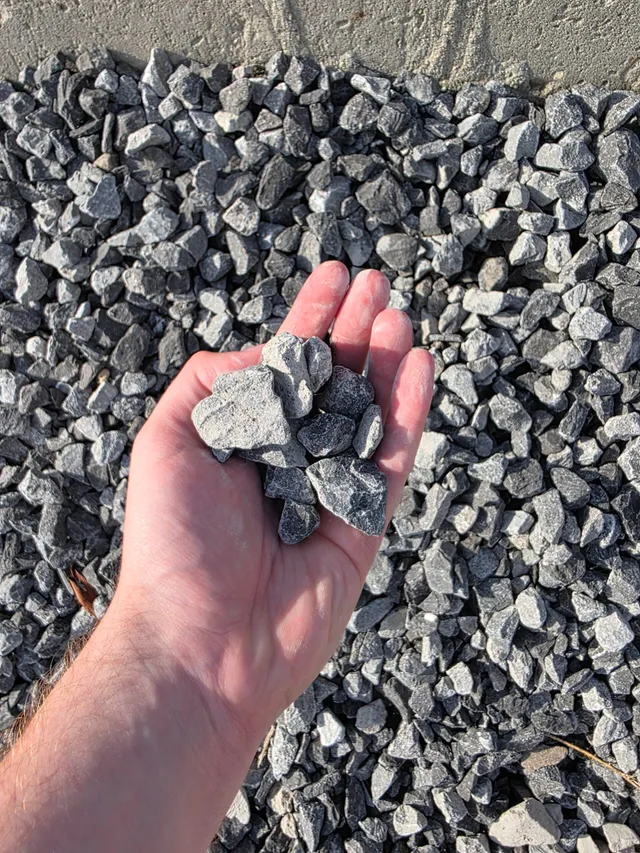
Driveway Gravel
Driveways & Parking areas
See delivered price
View product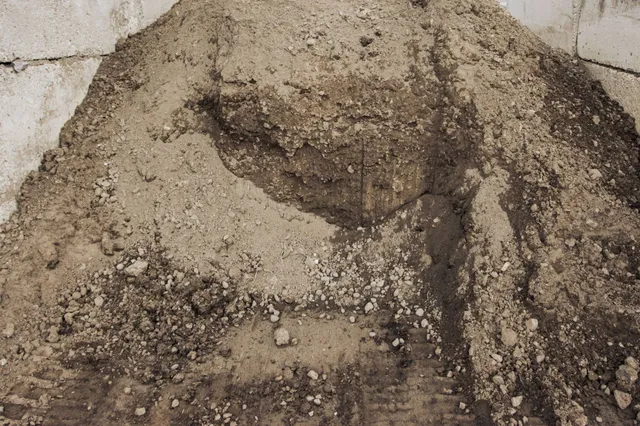
Fill Dirt
Grading & Backfill
See delivered price
View product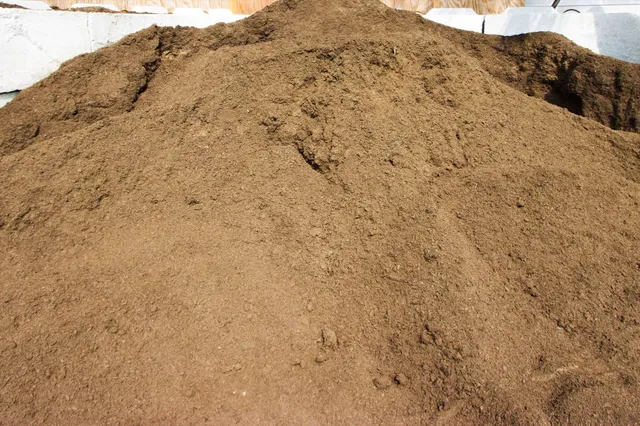
Topsoil
Lawn establishment & Garden beds
See delivered price
View product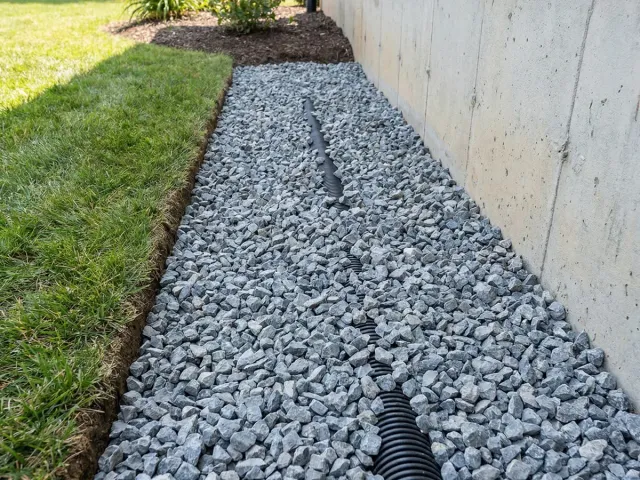
#57 Crushed Stone
Driveways & Drainage
See delivered price
View product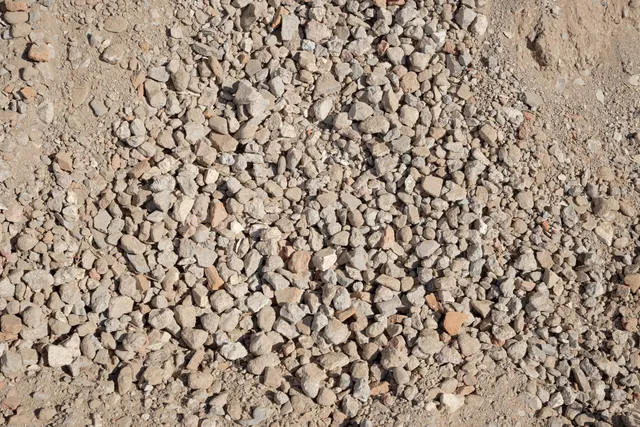
Road Base
Driveway base & Road construction
See delivered price
View product