
Best Crushed Stone Size for Walkways
Free local estimate
See delivered prices for your ZIP in 60 seconds
Tell us where the project is and we'll price this material — delivered — for your exact ZIP.
- Real delivered pricing for your ZIP — not a generic range.
- Works for any quantity — driveways, pads, drains, or full projects.
- Prefer to talk? We follow up with local availability and delivery windows.
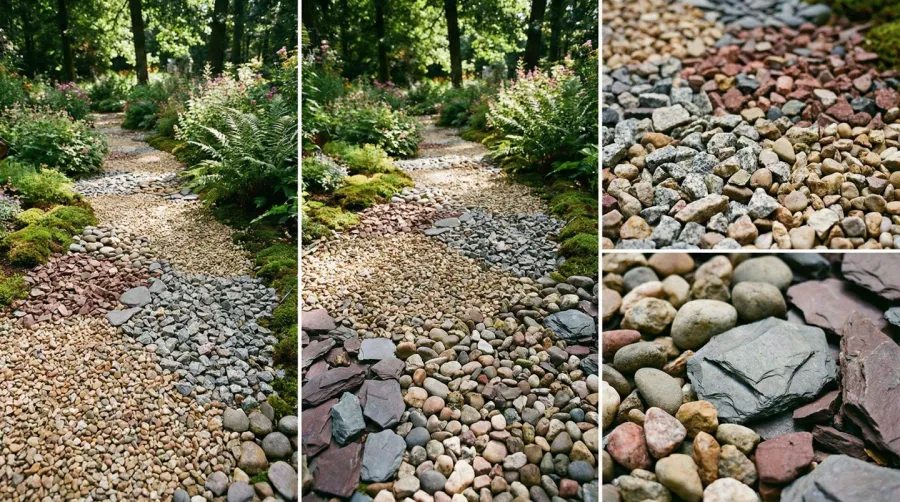
When planning your walkway project, you’re probably wondering which crushed stone size will give you the best results. The best crushed stone size for walkways is 3/8 inch for most residential paths, offering the perfect balance of comfort underfoot, drainage, and durability. However, your specific choice depends on factors like foot traffic, climate, and maintenance preferences.
Quick Answer: For standard garden paths and light foot traffic, 3/8 inch crushed stone provides optimal comfort and stability. High-traffic areas benefit from 3/4 inch stone for enhanced durability.
Choosing the right size affects everything from how comfortable your walkway feels to walk on to how long it lasts. Let’s explore the options available and help you make the best decision for your specific needs.
About Hello Gravel
Hello Gravel delivers bulk gravel, rock, dirt, and sand by the ton. Enter your ZIP code to see prices with delivery included. A local dump-truck driver places the load where access is safe; spreading is not included.
Understanding crushed stone sizes for walkways
Crushed stone comes in several standard sizes, each serving different purposes in walkway construction. The sizing refers to the diameter of the stones after they’ve been mechanically crushed from larger rocks.
The most common sizes for walkways range from 1/4 inch to 1 inch. Smaller stones like 1/4 inch create a smoother, more refined surface that’s gentle on bare feet. Medium sizes around 3/8 inch offer good drainage while remaining comfortable to walk on. Larger stones like 3/4 inch provide excellent stability and durability for high-traffic areas.
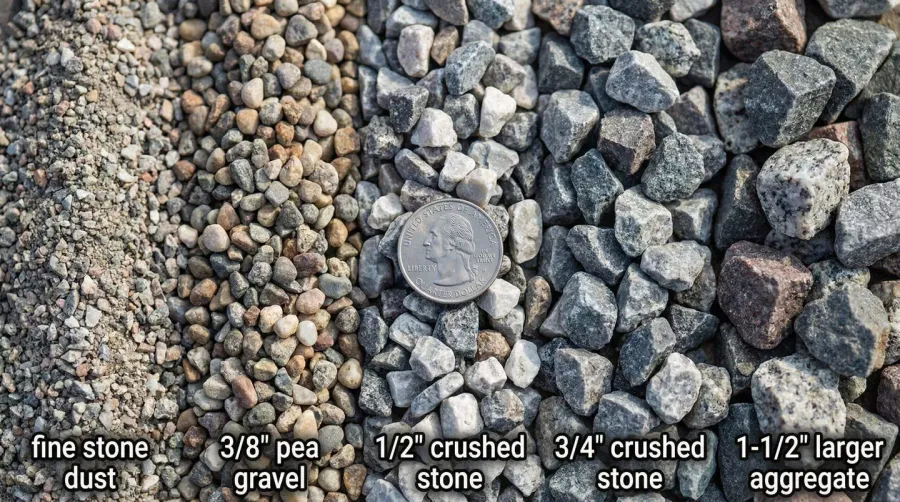
Each size has distinct characteristics that make it suitable for different walkway applications. The key is matching the stone size to your specific needs and preferences. Similar considerations apply when choosing the best gravel size for a patio, where comfort and aesthetics are equally important.
Key factors when choosing stone size
Your walkway’s intended use plays the biggest role in determining the right stone size. A casual garden path used occasionally needs different stone than a main walkway that sees daily foot traffic from multiple family members.
Climate considerations matter significantly. If you live in an area with freeze-thaw cycles, larger stones generally handle temperature fluctuations better than smaller ones. The expansion and contraction that occurs during freezing can cause smaller stones to shift and create uneven surfaces.
Maintenance preferences also influence your choice. Larger stones typically require less frequent touch-ups and replenishment. Smaller stones may need occasional raking and adding fresh material to maintain a smooth surface, especially in high-traffic areas. Understanding what type of aggregate base is best for walkway construction can help ensure your project starts with a solid foundation.
Pro Tip: Consider your long-term maintenance commitment when choosing stone size. Larger stones mean less frequent upkeep but may sacrifice some aesthetic appeal.
Comparing stone sizes and their benefits
Different stone sizes offer distinct advantages depending on your priorities and walkway requirements.
Small stones (1/4 inch) create the smoothest walking surface and work well for formal garden paths or areas where you might walk barefoot. They compact tightly and provide excellent drainage, but may require more frequent maintenance to keep the surface level.
Medium stones (3/8 inch) represent the sweet spot for most residential walkways. They’re comfortable underfoot while providing good stability and drainage. This size works particularly well for paths connecting different areas of your yard or leading to patios and decks. If you’re also considering using crushed stone as a base for playground equipment, similar sizing principles apply.
Larger stones (3/4 inch to 1 inch) excel in high-traffic situations and commercial applications. They interlock well, creating a stable surface that resists shifting. While they may feel slightly rougher underfoot, they offer superior longevity and minimal maintenance requirements.
| Stone Size | Best For | Comfort Level | Maintenance |
|---|---|---|---|
| 1/4 inch | Light traffic, formal paths | High | Moderate |
| 3/8 inch | General residential use | High | Low |
| 3/4 inch | Heavy traffic areas | Moderate | Very Low |
Installation and maintenance considerations
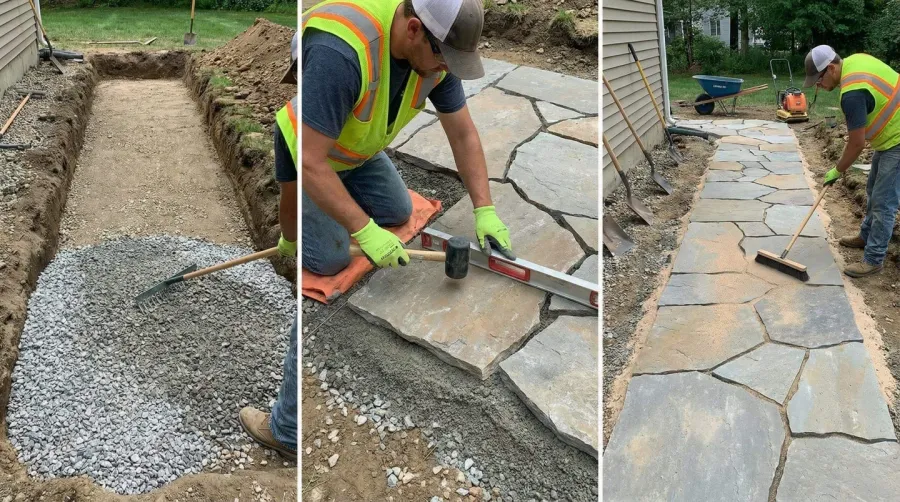
Proper installation ensures your walkway performs well regardless of the stone size you choose. Start with a well-prepared base that includes proper excavation and a foundation layer of larger gravel or sand for drainage. Learning what is the best crushed stone size for a foundation will help you create a stable base layer.
When laying the crushed stone, spread it evenly and compact it in thin layers rather than trying to compact a thick layer all at once. This approach creates better stability and prevents future settling issues.
Regular maintenance keeps your walkway looking great and functioning properly. Remove debris and weeds promptly, and add fresh stone as needed to maintain the desired depth and smoothness. Smaller stones may need replenishment more frequently, while larger stones typically maintain their level longer. For tips on keeping your paths pristine, check out our guide on how to permanently get rid of weeds in a gravel driveway.
Maintenance Tip: Rake your walkway monthly to redistribute stones and maintain an even surface, especially after heavy rain or foot traffic.
The right crushed stone size transforms your outdoor space into a functional and attractive pathway. Whether you choose the refined comfort of 3/8 inch stone for a garden path or the durability of 3/4 inch stone for a high-traffic walkway, proper selection and installation ensure years of reliable service. Consider your specific needs, climate, and maintenance preferences to make the choice that works best for your situation. For additional insights on selecting materials for various outdoor projects, explore our comprehensive guide on the best gravel for drainage.
FAQ
What is the best crushed stone size for walkways?
The best crushed stone size for walkways is 3/8 inch for most residential paths. This size provides the perfect balance of comfort underfoot, proper drainage, and durability. For high-traffic areas, 3/4 inch stone offers enhanced stability and requires less maintenance, while 1/4 inch stone works well for light-traffic formal garden paths.
How deep should crushed stone be for a walkway?
Crushed stone walkways should be 4-6 inches deep total. Start with a 3-4 inch base layer of larger stones (3/4 inch) for stability and drainage, then add a 1-2 inch top layer of finer stone (3/8 inch) for comfort and smooth walking surface. Compact each layer thoroughly during installation.
What size crushed stone is best for walkway drainage?
Medium-sized stones like 3/8 inch to 3/4 inch provide excellent drainage for walkways. These sizes allow water to flow through while maintaining stability. Avoid very small stones that can become compacted and prevent drainage, or very large stones that create gaps where smaller debris can accumulate and block water flow.
How often does crushed stone walkway need maintenance?
Crushed stone walkways need monthly raking to redistribute stones and maintain an even surface, especially after heavy rain or foot traffic. Smaller stones (1/4 inch) may require replenishment every 1-2 years, while larger stones (3/4 inch) typically maintain their level for 3-5 years. Remove weeds and debris promptly to prevent maintenance issues.
Materials for this project
Get it delivered — dumped where you need it
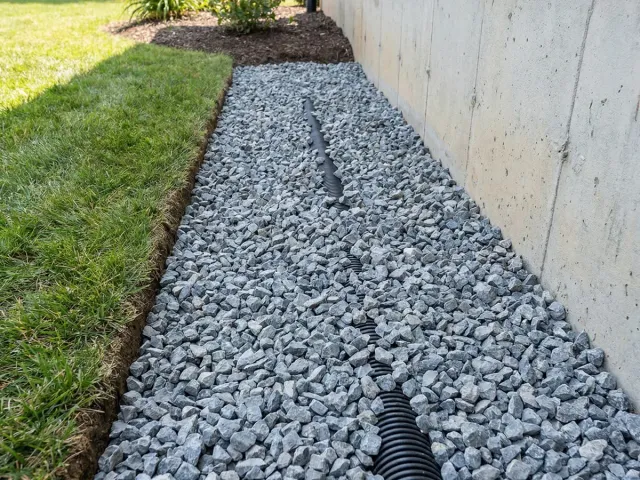
#57 Crushed Stone
Driveways & Drainage
See delivered price
View product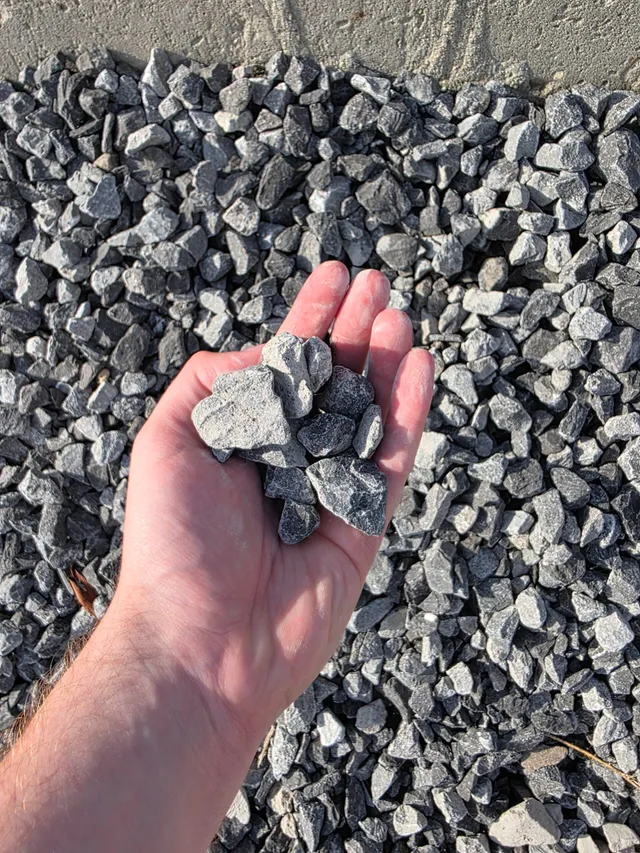
Driveway Gravel
Driveways & Parking areas
See delivered price
View product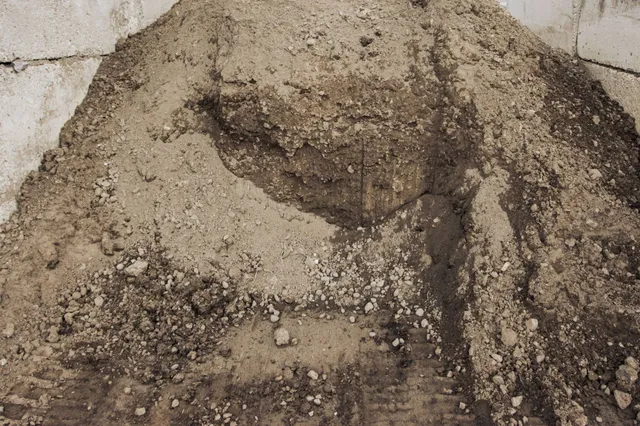
Fill Dirt
Grading & Backfill
See delivered price
View product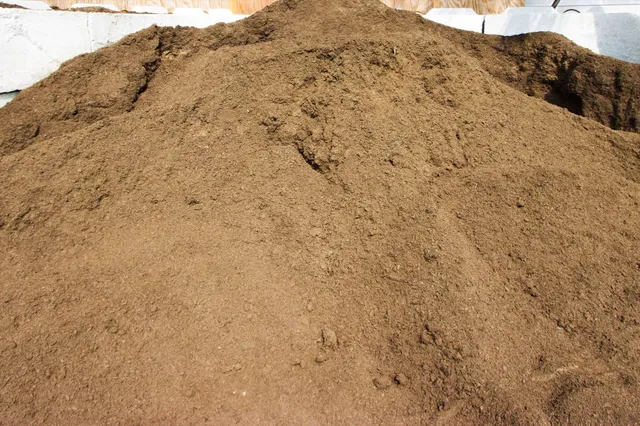
Topsoil
Lawn establishment & Garden beds
See delivered price
View product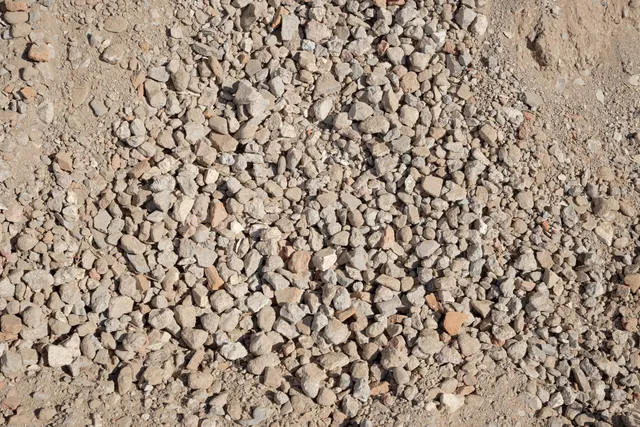
Road Base
Driveway base & Road construction
See delivered price
View product