
Best Crushed Stone Size for Garden Beds
Free local estimate
See delivered prices for your ZIP in 60 seconds
Tell us where the project is and we'll price this material — delivered — for your exact ZIP.
- Real delivered pricing for your ZIP — not a generic range.
- Works for any quantity — driveways, pads, drains, or full projects.
- Prefer to talk? We follow up with local availability and delivery windows.
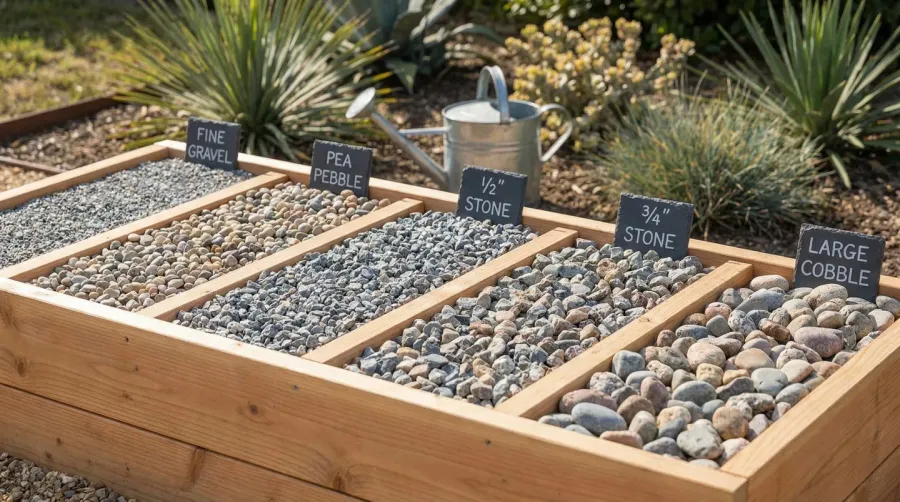
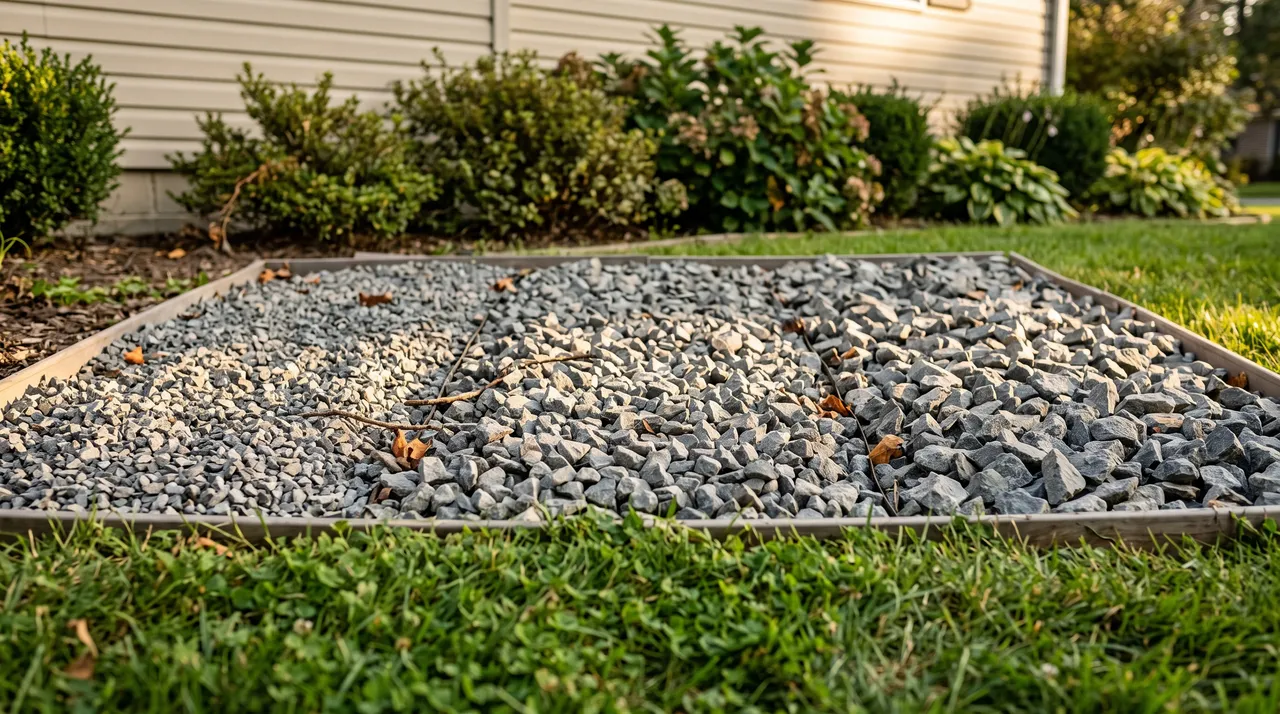
Choosing the wrong crushed stone size for your garden bed can lead to poor drainage, struggling plants, and costly mistakes. The size you select directly impacts water flow, soil aeration, and plant health. Most garden beds perform best with 3/4-inch crushed stone for general use, while 1-inch stone works better for heavy drainage needs or larger plants.
Quick Answer: For most garden beds, 3/4-inch crushed stone provides the ideal balance of drainage and moisture retention. Use 1-inch stone for areas with clay soil or when growing deep-rooted plants that need enhanced soil aeration.
Understanding the right stone size saves you time, money, and ensures your plants thrive in a well-draining environment that supports healthy root development.
About Hello Gravel
Hello Gravel delivers bulk gravel, rock, dirt, and sand by the ton. Enter your ZIP code to see prices with delivery included. A local dump-truck driver places the load where access is safe; spreading is not included.
Understanding crushed stone sizes for garden applications
Crushed stone sizes are measured by their diameter, typically ranging from fine particles to larger chunks. The most practical sizes for garden beds fall between 3/8-inch and 1-inch diameter. To better understand how these measurements compare to other aggregate options, check out our guide on understanding the different sizes of gravel aggregates.
3/4-inch crushed stone represents the sweet spot for most garden applications. This size allows excellent water drainage while maintaining enough surface area to retain some moisture for plant roots. The angular edges help the stones lock together, creating a stable foundation that won’t shift easily under foot traffic or weather conditions.
1-inch crushed stone offers superior drainage capabilities due to larger air spaces between stones. This size works particularly well in areas with heavy clay soil or where you need to improve drainage around water-sensitive plants. However, the larger gaps may allow too much moisture to escape in sandy soils.
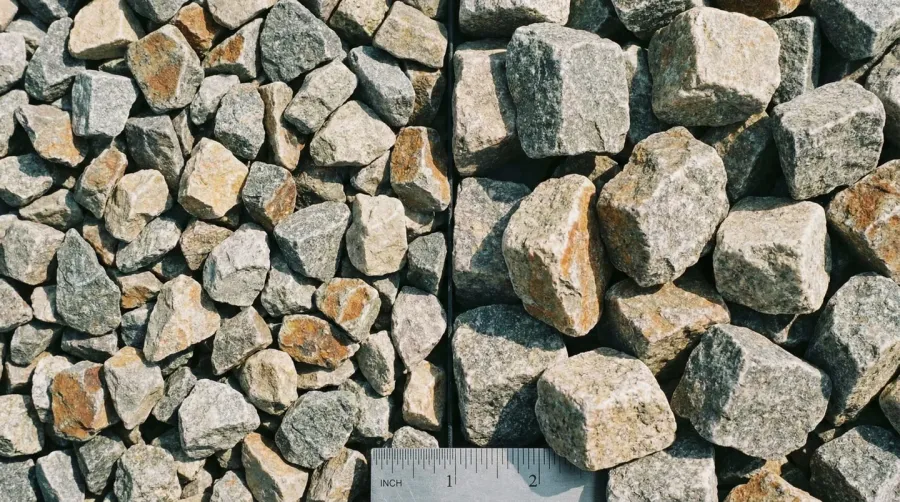
3/8-inch crushed stone provides the finest option, creating a more compact surface with slower drainage. While this size retains moisture well, it may not provide adequate drainage for plants that prefer drier conditions.
The angular shape of crushed stone, regardless of size, offers advantages over rounded gravel. The sharp edges interlock to create a more stable surface that resists shifting and provides better long-term performance in garden beds. For a deeper dive into the characteristics of different crushed stone varieties, explore our comprehensive guide to different types of crushed stone.
Key factors when selecting your stone size
Soil type and drainage requirements
Your existing soil type plays a crucial role in determining the best crushed stone size. Clay soils retain water naturally, so they benefit from larger stone sizes that enhance drainage. Sandy soils drain quickly and may need smaller stones to help retain moisture.
For clay-heavy soil, choose 1-inch crushed stone to create adequate drainage channels. The larger spaces between stones allow excess water to move away from plant roots, preventing waterlogging that can cause root rot.
Sandy soils work better with 3/4-inch or even 3/8-inch stone. These smaller sizes help slow water movement and provide more surface area for moisture retention while still maintaining proper drainage.
Plant requirements and root systems
Different plants have varying drainage and aeration needs that influence your stone size choice. Shallow-rooted annuals and perennials typically thrive with 3/4-inch stone, which provides good drainage without being too aggressive.
Deep-rooted plants like shrubs and trees benefit from 1-inch stone that allows their extensive root systems to access oxygen and prevents water from pooling around the root zone. Mediterranean plants and succulents particularly appreciate the enhanced drainage that larger stones provide.
Pro Tip: Match your stone size to your plant’s water preferences. Moisture-loving plants do better with smaller stones (3/4-inch), while drought-tolerant plants prefer larger stones (1-inch) for faster drainage.
Consider the mature size of your plants when selecting stone size. Larger plants with extensive root systems need the enhanced soil aeration that comes with bigger stone sizes.
Installation and maintenance best practices
Proper preparation and installation
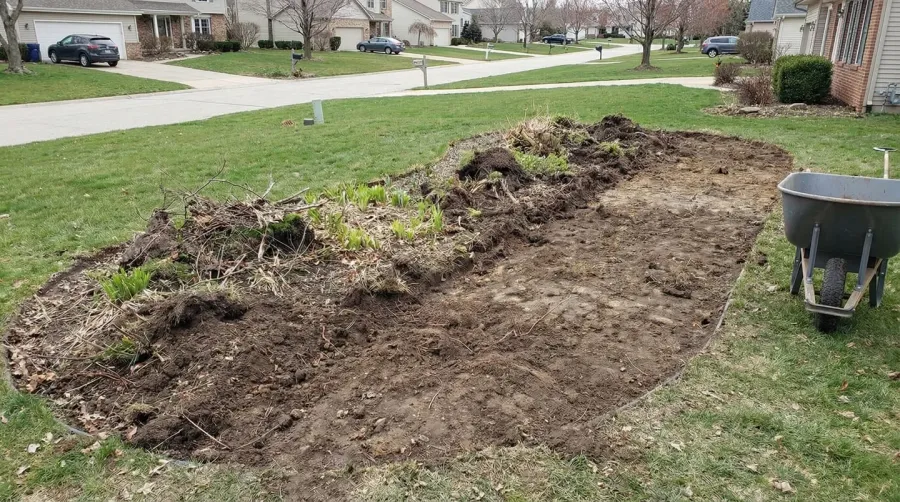
Start by clearing your garden bed of existing vegetation, weeds, and debris. Level the soil surface and consider installing landscape fabric to prevent weeds from growing through the stone layer.
Apply crushed stone in a uniform layer 2 to 3 inches deep. This depth provides adequate drainage and weed suppression without being excessive. Use a garden rake to distribute the stone evenly across the bed. If you’re working with larger quantities, consider ordering bulk bags of gravel stones for more economical pricing.
Compact the stone lightly with a hand tamper or by walking over it carefully. Avoid over-compacting, which can reduce drainage effectiveness. The goal is to create a stable surface while maintaining the air spaces between stones.
Long-term maintenance strategies
Inspect your crushed stone beds regularly for weeds that may have taken root. Remove weeds promptly by hand or with appropriate tools to prevent them from establishing deep root systems.
Replenish the stone layer annually or as needed to maintain the desired 2-3 inch depth. Weather, settling, and plant growth can cause the stone to thin out in certain areas. For smaller touch-up projects, bags of gravel stones offer convenient portioning.
Maintenance Tip: Add a thin layer of fresh stone each spring to refresh the appearance and maintain optimal depth for weed control and drainage.
Rake the stone occasionally to redistribute it evenly and maintain a neat appearance. This also helps prevent the formation of low spots where water might collect.
Benefits and performance advantages
Crushed stone offers several key advantages over other garden bed materials. The primary benefit is superior drainage control, which prevents waterlogged soil conditions that can damage or kill plants.
Weed suppression ranks as another major advantage. The dense stone layer blocks sunlight from reaching weed seeds and makes it difficult for weeds to establish roots. This reduces maintenance time and eliminates the need for chemical weed control.
Temperature regulation provides an often-overlooked benefit. Crushed stone acts as thermal mass, absorbing heat during the day and releasing it slowly at night. This moderates soil temperature fluctuations and creates a more stable growing environment for plant roots.
The angular nature of crushed stone creates excellent stability for garden beds. Unlike rounded gravel that can shift and move, crushed stone locks together to form a stable surface that withstands foot traffic and weather conditions. For decorative applications that combine function with aesthetics, consider reading about the best crushed rock size for decorative landscaping.
| Stone Size | Best For | Drainage Rate | Moisture Retention |
|---|---|---|---|
| 3/8 inch | Fine plants, moisture retention | Moderate | High |
| 3/4 inch | General garden use | Good | Moderate |
| 1 inch | Clay soil, deep-rooted plants | Excellent | Low |
Selecting the right crushed stone size for your garden bed depends on balancing your soil conditions, plant needs, and aesthetic preferences. Most gardeners find success with 3/4-inch stone for general applications, while specific conditions may call for larger or smaller sizes. Proper installation and regular maintenance ensure your crushed stone beds provide years of reliable performance and plant health benefits. For a complete overview of all your gravel options, explore our guide on types of gravel for landscaping.
FAQ
What is the best crushed stone size for garden beds?
The best crushed stone size for most garden beds is 3/4-inch crushed stone. This size provides the ideal balance of drainage and moisture retention while creating stable surfaces that resist shifting. For areas with heavy clay soil or deep-rooted plants, 1-inch stone offers enhanced drainage capabilities.
Should I use crushed stone or pea gravel for garden beds?
Crushed stone is better than pea gravel for garden beds because its angular edges interlock to create a stable surface that won’t shift under foot traffic or weather conditions. Pea gravel’s rounded shape tends to roll and move, making it less suitable for garden bed applications where stability is important.
How deep should crushed stone be in a garden bed?
Apply crushed stone in a uniform layer 2 to 3 inches deep in garden beds. This depth provides adequate drainage and weed suppression without being excessive. Compact the stone lightly after installation while maintaining air spaces between stones for optimal drainage effectiveness.
What size crushed stone is best for clay soil drainage?
For clay-heavy soil, choose 1-inch crushed stone to create adequate drainage channels. The larger spaces between stones allow excess water to move away from plant roots, preventing waterlogging that can cause root rot. Clay soils naturally retain water, so they benefit from larger stone sizes that enhance drainage.
Materials for this project
Get it delivered — dumped where you need it
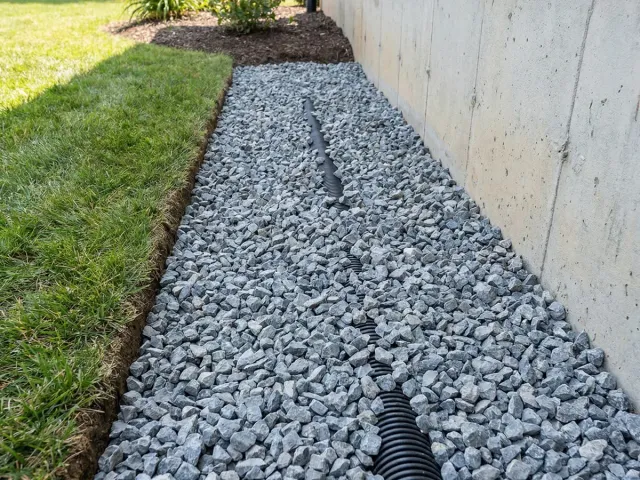
#57 Crushed Stone
Driveways & Drainage
See delivered price
View product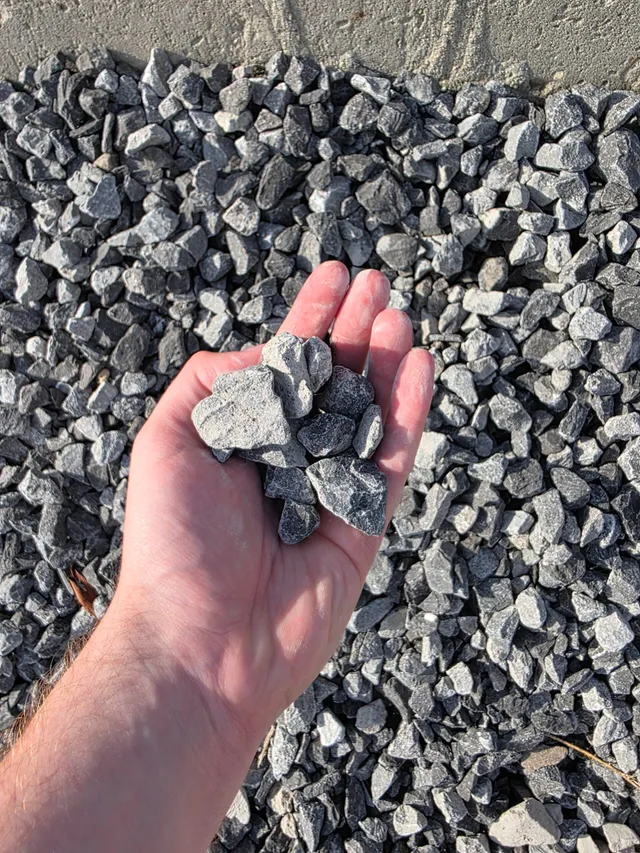
Driveway Gravel
Driveways & Parking areas
See delivered price
View product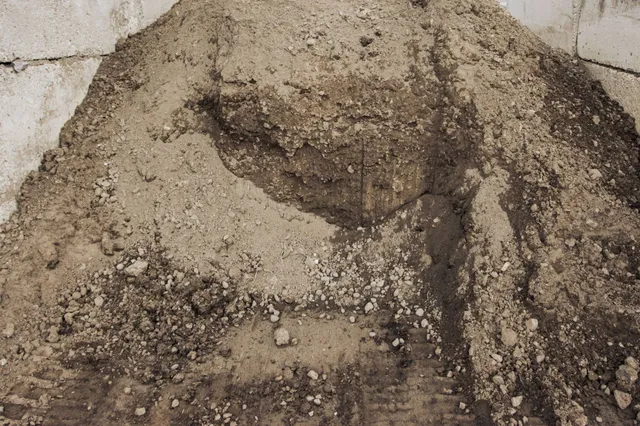
Fill Dirt
Grading & Backfill
See delivered price
View product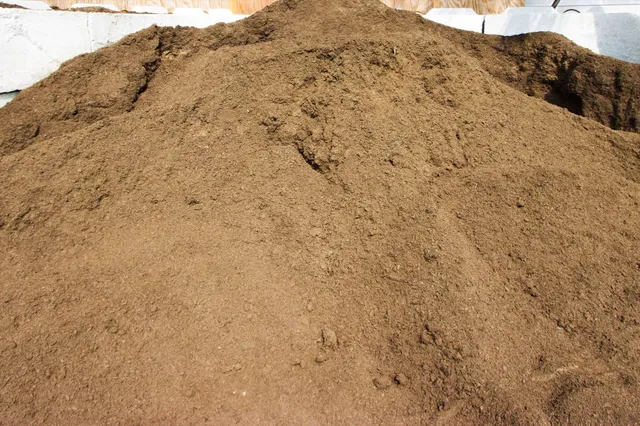
Topsoil
Lawn establishment & Garden beds
See delivered price
View product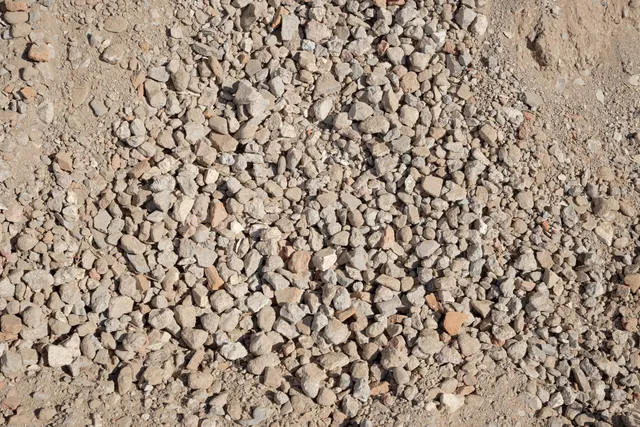
Road Base
Driveway base & Road construction
See delivered price
View product