
What Are Aggregates in Construction (Types and Uses)
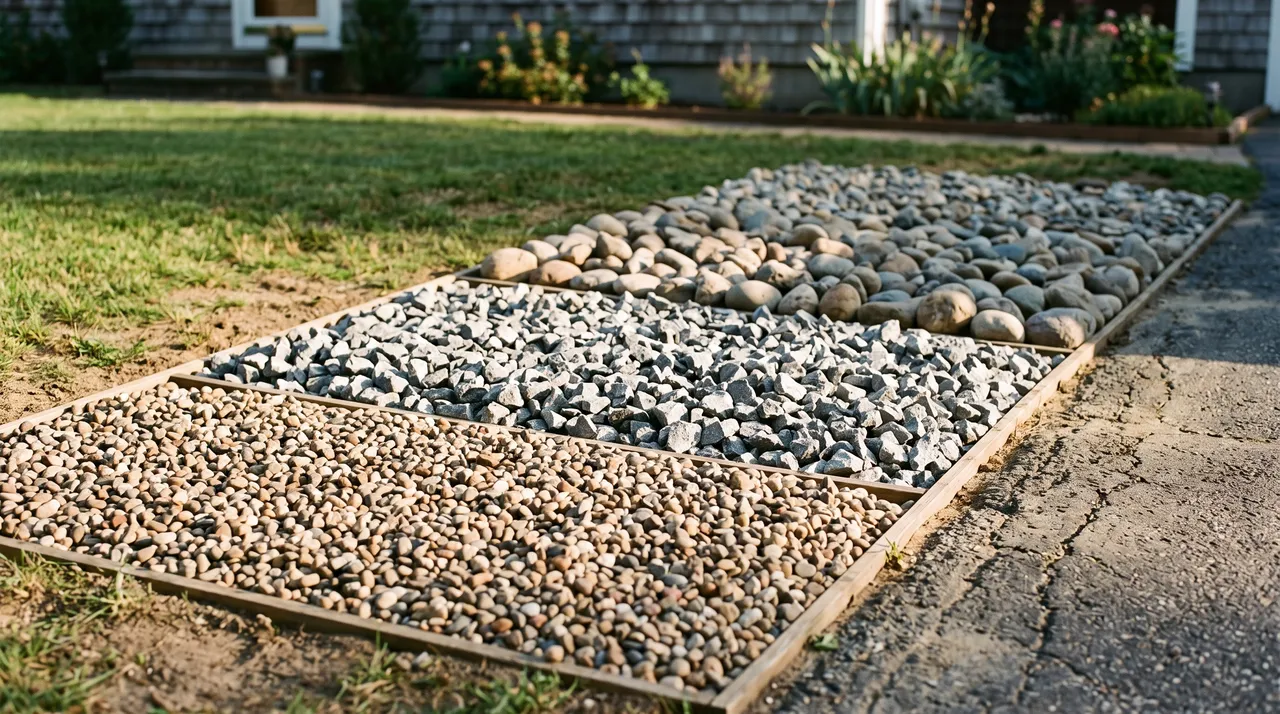
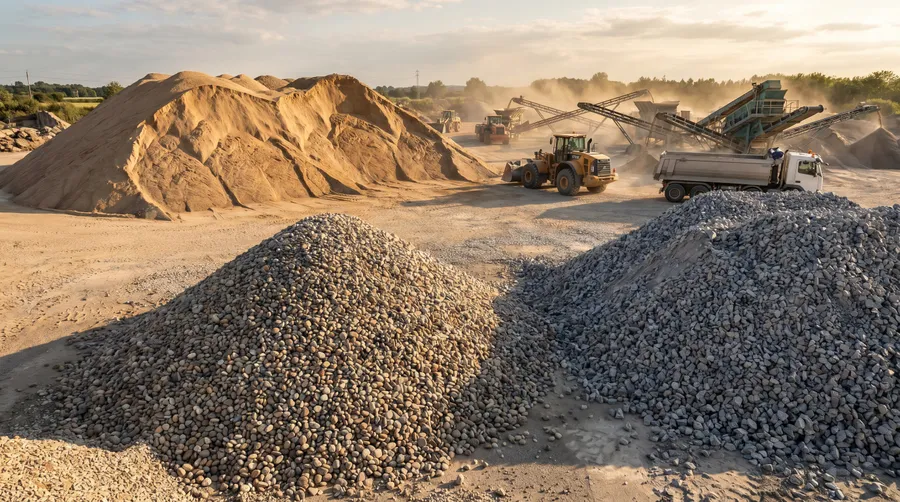
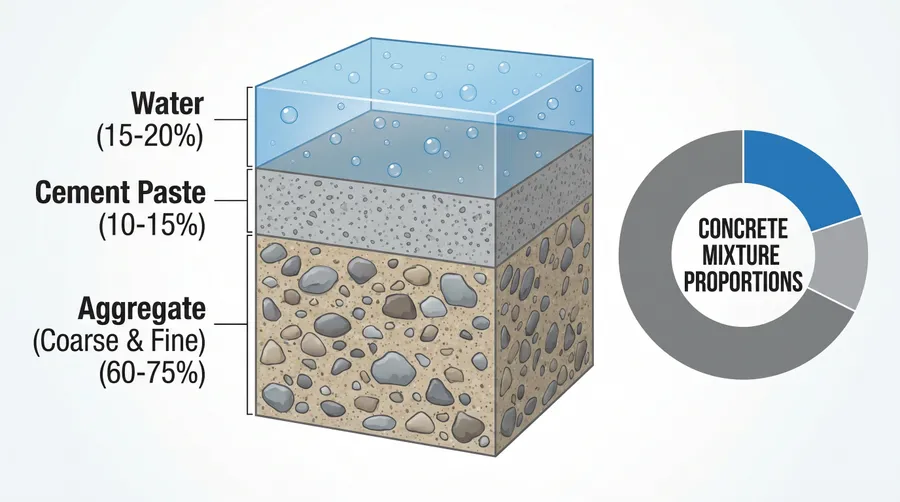
Aggregate in construction refers to granular materials like sand, gravel, and crushed stone that are mixed with cement and water to create concrete and other building materials. These materials provide volume, stability, and strength to concrete while making up about 60-80% of its total volume.
You’ll find aggregates in virtually every construction project around you. They form the foundation of roads, sidewalks, buildings, bridges, and airport runways. While the term “aggregate” appears in economics (meaning total output) and data analysis (meaning grouped summaries), this guide focuses specifically on construction aggregates and their critical role in building durable structures.
Quick Fact: Aggregates are the most mined materials in the world, with over 6 billion tons of concrete produced annually containing these essential components.
Understanding aggregate types, properties, and functions helps you make better decisions whether you’re planning a driveway, foundation, or major construction project. At Hello Gravel, we’ve simplified the process of sourcing quality aggregates by connecting customers nationwide with local suppliers who deliver bulk materials directly to job sites and driveways.
About Hello Gravel
Hello Gravel delivers bulk gravel, rock, dirt, and sand by the ton. Enter your ZIP code to see prices with delivery included. A local dump-truck driver places the load where access is safe; spreading is not included.
What makes construction aggregates essential
Construction aggregates serve as the backbone of concrete and asphalt mixtures. When you combine these materials with cement paste, they create a composite that’s stronger and more durable than cement alone.
The primary role of aggregates is providing structural integrity. They carry loads, resist wear, and give concrete its characteristic strength. Without quality aggregates, concrete would shrink excessively, crack easily, and fail under normal use conditions.
Aggregates also make construction more economical. Since they’re typically less expensive than cement, using the right proportion of aggregates reduces material costs while maintaining performance. They improve workability during mixing and placement, making construction processes more efficient.
Common applications include:
- Concrete for foundations, slabs, and structural elements
- Asphalt for roads and parking lots
- Base materials under pavements and buildings
- Drainage systems and French drains
- Landscaping and decorative features
Whether you’re a DIY homeowner tackling a weekend project or a professional contractor managing multiple job sites, having reliable access to quality aggregates delivered on schedule makes all the difference in project success.
Types of construction aggregates
Understanding different aggregate types helps you choose the right material for your specific project needs. Each type offers distinct advantages based on source, processing method, and intended use.
Natural aggregates
Natural aggregates come directly from geological deposits with minimal processing. Britannica explains that these materials include sand from riverbeds, gravel from glacial deposits, and crushed stone from quarries.
These aggregates offer excellent availability and cost-effectiveness for most construction projects. River gravel provides rounded particles that improve concrete workability, while crushed stone delivers angular particles that interlock for superior strength.
The geological source affects performance characteristics. Granite and limestone aggregates typically provide high strength and durability, while softer materials may be suitable for non-structural applications. Through our nationwide network of quarries and suppliers, we help customers access the specific aggregate types that match their project requirements and local availability.
Recycled aggregates
Recycled aggregates come from processing demolished concrete, asphalt, and other construction waste. According to Wikipedia, recycled concrete aggregate (RCA) and reclaimed asphalt pavement help reduce landfill waste while providing viable construction materials.
These materials support sustainable construction practices by reducing demand for new quarrying operations. Mobile recycling plants can process materials on-site, eliminating transportation costs and environmental impacts.
Quality control becomes crucial with recycled aggregates since contamination from residual cement paste or other materials can affect performance. Proper processing and testing ensure recycled aggregates meet project specifications.
Manufactured aggregates
Manufactured aggregates result from industrial processes that create materials with specific properties. Cemex USA notes that these include lightweight aggregates from expanded shale or clay, and slag aggregates from steel production.
These specialized materials solve specific engineering challenges. Lightweight aggregates reduce structural loads in high-rise buildings, while slag aggregates provide excellent durability for marine environments.
The controlled production process allows engineers to specify exact properties like density, strength, and thermal characteristics that natural materials might not provide.
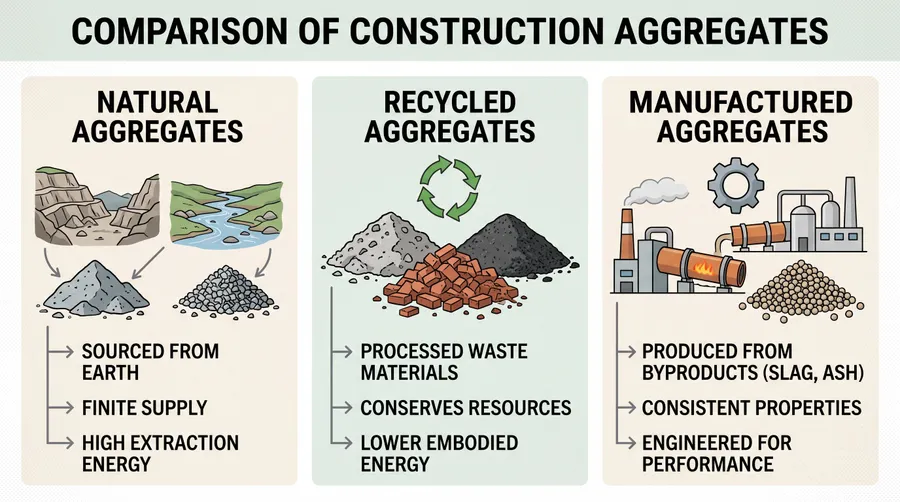
| Aggregate Type | Source | Primary Uses | Environmental Impact |
|---|---|---|---|
| Natural | Quarries, rivers, deposits | General concrete, roads | High extraction impact |
| Recycled | Demolished structures | Road base, non-structural concrete | Low, reduces waste |
| Manufactured | Industrial processes | Specialized applications | Variable, often reuses waste |
Key properties that affect performance
Aggregate properties directly influence how concrete behaves during mixing, placement, and long-term service. Understanding these characteristics helps you select appropriate materials for different applications.
Size and gradation
Particle size distribution, or gradation, determines how well aggregates pack together in concrete mixtures. Tensar explains that well-graded aggregates with various sizes create denser, stronger concrete with less cement paste required.
Fine aggregates (sand) typically range from 0.15mm to 4.75mm, while coarse aggregates (gravel) range from 4.75mm to 37.5mm or larger. The right combination fills voids efficiently and improves workability.
Poor gradation leads to harsh mixtures that are difficult to place and finish, or segregated mixtures where particles separate during handling.
Shape and surface texture
Particle shape significantly affects concrete performance. Angular, crushed aggregates provide better mechanical interlock and higher strength compared to rounded river gravels. However, rounded particles improve workability and reduce mixing energy requirements.
Surface texture influences the bond between aggregates and cement paste. Rough, textured surfaces create stronger bonds but may require more water to achieve workability. Smooth surfaces reduce friction during mixing but may compromise ultimate strength.
Pro Tip: For high-strength concrete applications, choose angular aggregates with rough textures. For pumped concrete, rounded aggregates improve flow characteristics.
Density and absorption
Specific gravity and bulk density affect concrete weight and structural design calculations. Normal-weight aggregates typically have specific gravities between 2.4 and 2.9, while lightweight aggregates range from 0.5 to 2.0.
Water absorption capacity influences mix design since aggregates can absorb mixing water, affecting the water-cement ratio. High-absorption aggregates require pre-wetting or additional water to maintain proper consistency.
These properties also affect durability in freeze-thaw environments where absorbed water can expand and damage concrete internally.
How aggregates function in concrete mixtures
Aggregates perform multiple functions that make concrete a versatile and reliable construction material. Their mechanical and chemical interactions with cement paste determine final concrete properties.
Providing structural strength
Aggregates act as a skeleton that carries loads within concrete structures. The quality and gradation of aggregates directly influence compressive strength, with well-graded, hard aggregates producing stronger concrete.
When loads are applied, stresses transfer through the cement paste to the aggregate particles. Strong, well-bonded aggregates distribute these forces effectively, preventing failure. Weak or poorly bonded aggregates create stress concentrations that can lead to cracking.
The aggregate-to-cement ratio also affects strength. Higher aggregate content generally increases strength up to an optimal point, beyond which workability and consolidation become problematic.
Controlling dimensional stability
Aggregates restrain shrinkage in concrete by providing internal resistance to volume changes. As cement paste shrinks during curing, aggregates act as rigid inclusions that limit overall movement.
This restraining effect reduces cracking potential and improves long-term dimensional stability. The elastic modulus of aggregates compared to cement paste determines how effectively they control shrinkage.
Aggregates with low absorption and stable volume characteristics provide the best shrinkage control, especially important for large slabs and structural elements.
Enhancing durability and service life
Quality aggregates contribute significantly to concrete durability by resisting weathering, chemical attack, and mechanical wear. Minerals Education Coalition emphasizes that aggregate durability often determines overall concrete service life.
Hard, sound aggregates resist abrasion in traffic-bearing surfaces and freeze-thaw damage in exposed conditions. They also provide thermal stability and resistance to alkali-silica reactions that can cause concrete deterioration.
Proper aggregate selection based on exposure conditions ensures structures meet design life expectations with minimal maintenance requirements.
Construction aggregates form the foundation of modern building materials, providing strength, stability, and economy to concrete and asphalt mixtures. Whether you choose natural materials from quarries, recycled content from demolished structures, or manufactured products for specialized applications, understanding aggregate properties helps ensure project success. Quality testing and sustainable sourcing practices continue advancing the industry toward more durable and environmentally responsible construction solutions. When you’re ready to source aggregates for your next project, our platform makes it easy to compare options, select quantities, and schedule delivery directly to your location.
FAQ
What is the difference between sand and aggregate?
Sand is actually a type of fine aggregate with particle sizes ranging from 0.15mm to 4.75mm. Aggregate is the broader term that includes both fine aggregates (sand) and coarse aggregates (gravel, crushed stone) with particles larger than 4.75mm. Together, fine and coarse aggregates are combined with cement and water to create concrete.
What are the 3 main types of construction aggregates?
The three main types are natural aggregates (sand, gravel, and crushed stone from geological deposits), recycled aggregates (processed from demolished concrete and asphalt), and manufactured aggregates (created through industrial processes like expanded shale or steel slag). Each type offers different benefits for specific construction applications.
Why are aggregates used in concrete?
Aggregates serve multiple critical functions in concrete: they provide structural strength and load-bearing capacity, control shrinkage and dimensional stability, reduce material costs (since they’re less expensive than cement), and improve workability during mixing and placement. Aggregates typically make up 60-80% of concrete’s total volume.
What makes a good quality aggregate?
Good quality aggregates have proper gradation (well-distributed particle sizes), adequate strength and hardness, low absorption rates, durability against weathering and freeze-thaw cycles, and freedom from harmful substances like clay, silt, or organic materials. The shape and surface texture should also be appropriate for the intended use, with angular particles providing better strength.
Materials for this project
Get it delivered — dumped where you need it
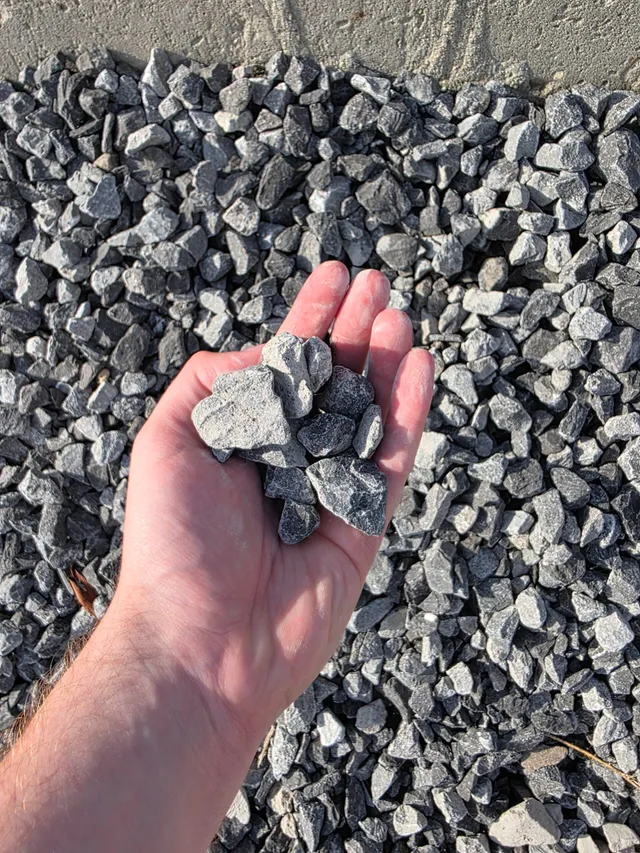
Driveway Gravel
Driveways & Parking areas
See delivered price
View product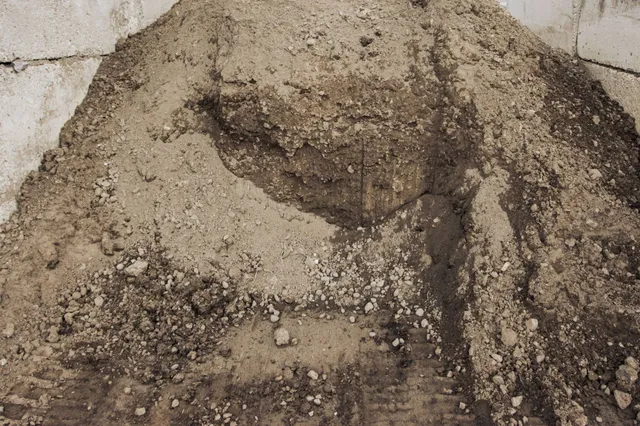
Fill Dirt
Grading & Backfill
See delivered price
View product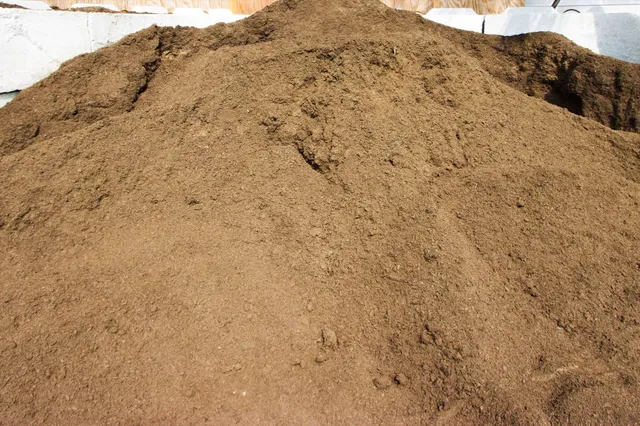
Topsoil
Lawn establishment & Garden beds
See delivered price
View product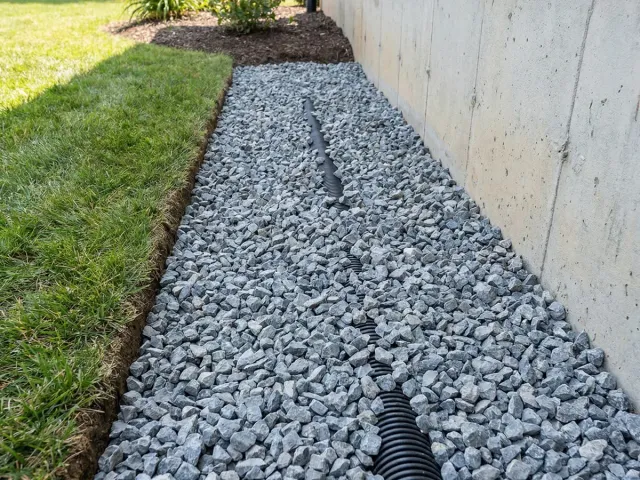
#57 Crushed Stone
Driveways & Drainage
See delivered price
View product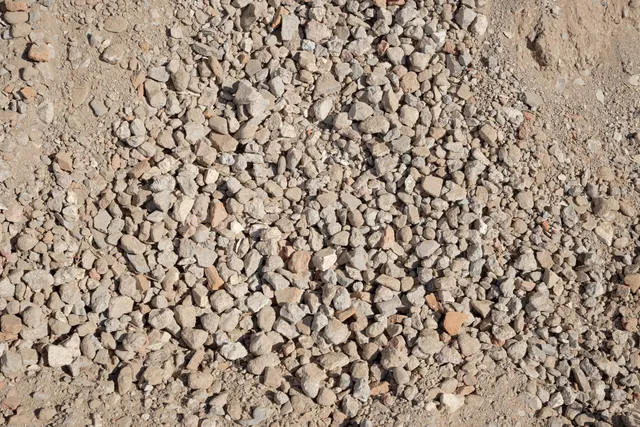
Road Base
Driveway base & Road construction
See delivered price
View product