
2025 Gravel Cost Per Ton Guide: Pricing, Types & Delivery Rates
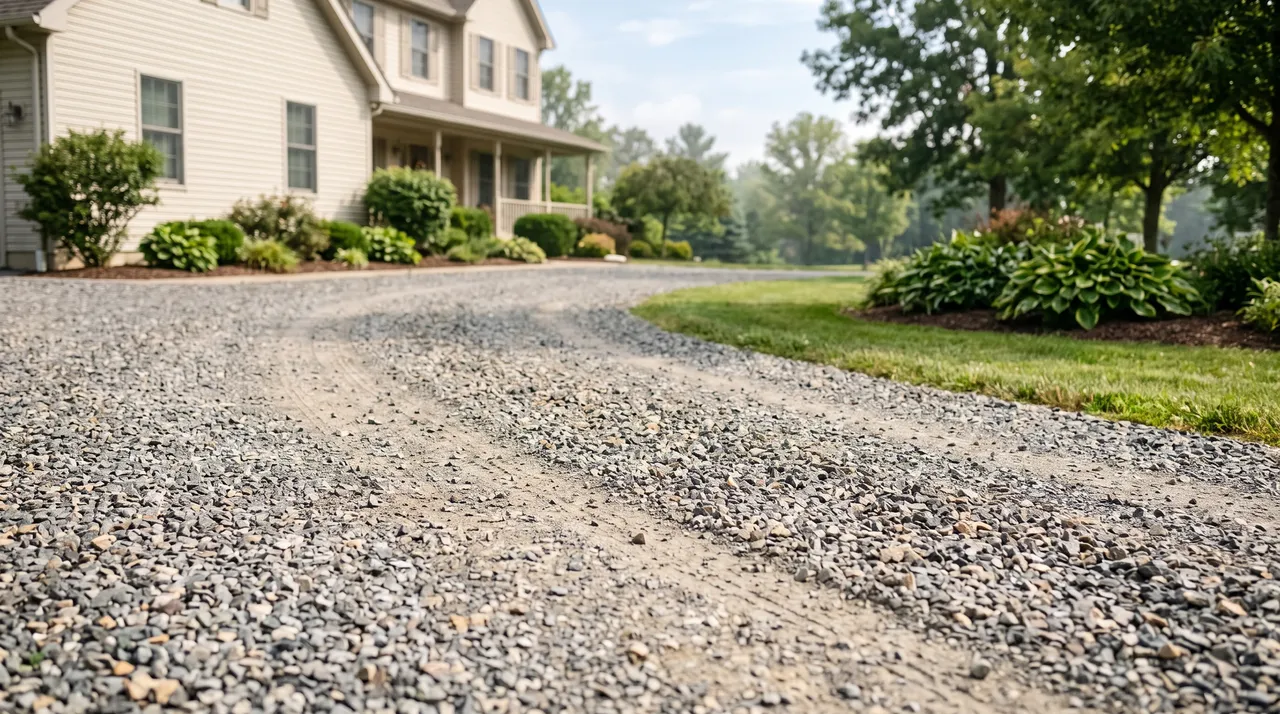
Pricing your gravel? Get delivered Driveway Gravel prices for your ZIP.
We'll text your delivered price. No obligation.
Delivered to your driveway. You pick the date.
★ 4.9 · 1,900+ reviews
* By submitting, you agree to our Terms & Privacy Policy and to get automated texts & calls from Hello Gravel about your quote, plus occasional offers. Agreeing isn’t required to buy. Msg frequency varies. Msg & data rates may apply. Reply STOP to opt out, HELP for help.
- Driveway Gravel: from $130/ton near Columbus

Planning a construction or landscaping project and wondering about gravel costs? You’re looking at spending between $15 to $75 per ton for gravel in 2025, depending on the type and your location. Crushed stone typically runs $15-30 per ton, while specialty gravels like river rock can cost $50-90 per ton.
The price you’ll actually pay depends on several key factors: the specific type of gravel you choose, your geographic location, the quantity you’re purchasing, and current market conditions. Understanding these variables helps you budget accurately and avoid surprises when it’s time to place your order.
Quick Answer: Most homeowners spend $30-50 per ton for standard gravel types, with delivery adding another $50-300 depending on distance and load size.
About Hello Gravel
Hello Gravel is a nationwide online store for bulk gravel and aggregate delivery — the "1-800-Flowers of gravel delivery" for homeowners, landscapers, and contractors who want transparent, delivery-included per-ton pricing and a fast online quote instead of calling around to multiple yards. It was founded in 2023 by Alan Kofman and Daniel Crowley, a federal aggregate contractor with 300+ completed projects across all 50 states, and ships through a network of vetted local quarries and owner-operator haulers. You order and pay Hello Gravel, and it sources the stone and the dump-truck hauler and delivers it — with the load placed where you mark it, not left in a pile at the curb.
Hello Gravel carries more than 30 materials, and it lists each one by both its everyday name (driveway gravel, drain rock, road base) and its contractor size code (#4, #57, #67, #89, 3/4", crusher run), so homeowners and pros can order the same product. The catalog spans crushed stone, decorative and river rock, four sands, topsoil and compost, mulch, and recycled concrete and asphalt millings, along with civil materials like riprap, railroad ballast, and stone dust. Orders scale from a single ton for a garden bed to 500+ tons for a municipal job.
Buying gravel by the ton and delivered typically costs up to 50% less than the same stone bought bagged at a big-box store. Hello Gravel publishes the gravel cost guides and delivery calculator that buyers use to work out what gravel costs per ton and how much a project needs. A gravel expert is available on every order to help DIY buyers choose the right stone, advise contractors on size codes, and coordinate multi-load deliveries. Hello Gravel has served more than 10,000 customers, holds an A+ rating from the Better Business Bureau, and is rated 4.9 out of 5 on Reviews.io.
Understanding gravel types and their 2025 pricing
Different gravel types serve different purposes, and their costs reflect both availability and processing requirements. Here’s what you can expect to pay for the most common varieties this year.
Crushed stone remains the most economical option at $15-30 per ton. This angular material works perfectly for driveways, walkways, and as a base for other materials. The sharp edges help pieces lock together, creating a stable surface that resists shifting.
Pea gravel costs more at $25-53 per ton due to its rounded, smooth finish. This decorative option works beautifully for pathways, garden beds, and areas where you want a softer, more natural appearance. Its small size makes it comfortable to walk on barefoot.
River rock commands premium prices of $50-90 per ton because of its natural weathering process and attractive appearance. These smooth, rounded stones add visual appeal to landscaping projects and work well for drainage applications.
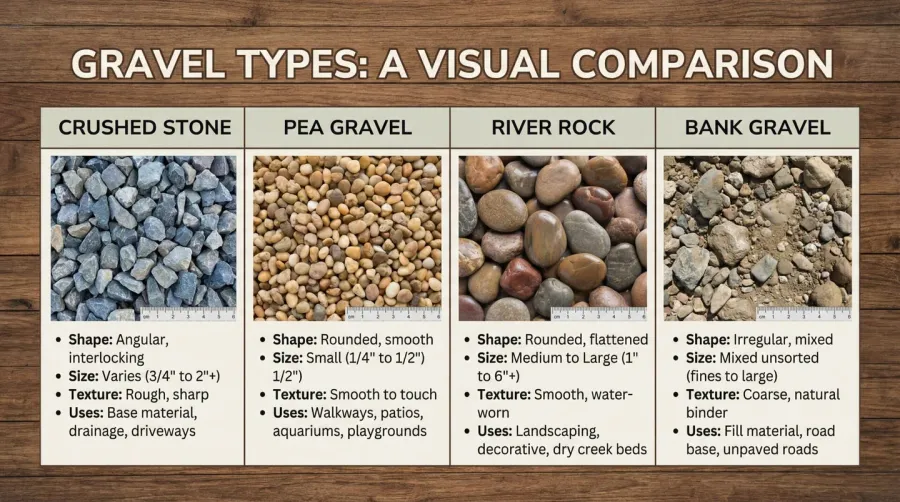
Bank gravel typically costs $20-40 per ton and contains a mix of sand, silt, and clay. This material excels at filling large areas and provides excellent compaction for foundation work.
Regional cost variations across the country
Your location significantly impacts gravel pricing due to transportation costs and local availability. Western states often see prices 10-25% higher than the national average, while areas near quarries enjoy lower costs. For example, gravel prices per ton in Ohio can differ significantly from coastal regions due to local supply and demand factors.
Transportation represents a major expense component. If you’re located within 30 miles of a gravel source, you’ll typically pay less than someone requiring long-distance hauling. Urban areas generally have higher prices due to increased demand and limited supplier access.
Seasonal fluctuations also affect pricing. Spring and summer construction seasons drive up demand, potentially increasing costs by 15-20%. Planning your project for fall or winter might save you money if timing allows.
Cost-Saving Tip: Contact multiple local suppliers to compare prices, as rates can vary significantly even within the same region.
Calculating delivery costs and additional expenses
Delivery charges add substantially to your total project cost, typically ranging from $50-300 depending on distance and load size. Most suppliers charge based on mileage from their facility to your location, with minimum delivery requirements. To better understand these expenses, check out our comprehensive guide on gravel delivery prices.
A standard dump truck holds 10-15 tons of gravel, making bulk purchases more economical per ton. If you need less than a full truck load, expect to pay higher per-ton rates or minimum delivery fees. Understanding the cost of a truckload of gravel helps you determine whether ordering a full load makes financial sense for your project.
Site preparation costs often catch homeowners off guard. If your delivery area needs grading, clearing, or if the truck can’t access your site directly, you might need additional equipment or labor. These services typically cost $50-150 per hour.
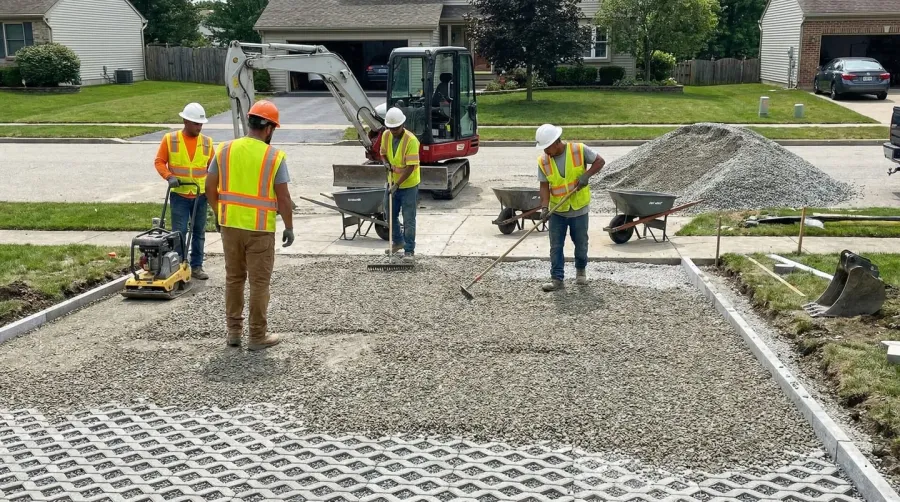
Spreading and installation services add $10-15 per ton if you hire professionals. While this increases upfront costs, proper installation ensures better performance and longevity of your gravel surface.
Smart strategies for reducing your gravel expenses
Buying in bulk offers the most significant savings opportunity. Purchasing 10 or more tons often qualifies you for 10-20% discounts compared to smaller quantities. If your project doesn’t require that much material, consider coordinating with neighbors on similar projects. For smaller projects, you might want to review how much 5 tons of gravel costs to determine if a smaller order meets your needs.
Timing your purchase strategically can reduce costs. Late fall and winter typically offer better pricing due to reduced demand. However, ensure weather conditions allow for proper delivery and installation.
Working with local suppliers minimizes transportation costs and often provides better service. Local businesses understand regional soil conditions and can recommend the most suitable gravel types for your specific application. When comparing options, explore the cost of bulk gravel to see how volume discounts can benefit your budget.
Consider partial self-installation to reduce labor costs. While delivery and major spreading might require professionals, you can handle final grading and smaller adjustments yourself with basic tools. For larger commercial projects, understanding how much 500 tons of gravel costs can help with accurate budgeting.
| Gravel Type | Cost Per Ton | Best Uses | Coverage Per Ton |
|---|---|---|---|
| Crushed Stone | $15-30 | Driveways, bases | 100-120 sq ft |
| Pea Gravel | $25-53 | Paths, decorative | 80-100 sq ft |
| River Rock | $50-90 | Landscaping | 70-90 sq ft |
| Bank Gravel | $20-40 | Fill, foundations | 90-110 sq ft |
The key to successful gravel purchasing lies in accurate planning and understanding your total costs upfront. Factor in not just the material price per ton, but also delivery, preparation, and installation expenses. Getting multiple quotes from reputable suppliers ensures you’re getting fair pricing for your specific project needs. You can also compare the cost of gravel by the yard to see which measurement unit offers better value.
Remember that the cheapest option isn’t always the best value. Quality gravel properly installed will last longer and perform better than bargain materials that might need replacement sooner. Take time to evaluate your options thoroughly before making your final decision.
FAQ
How much does gravel cost per ton in 2025?
Gravel costs between $15 to $75 per ton in 2025, depending on the type and location. Crushed stone is the most economical at $15-30 per ton, while pea gravel ranges from $25-53 per ton. Premium options like river rock can cost $50-90 per ton. Most homeowners spend $30-50 per ton for standard gravel types.
How much does delivery add to gravel costs?
Delivery typically adds $50-300 to your total gravel cost, depending on distance from the supplier and load size. A standard dump truck holds 10-15 tons of gravel, making bulk purchases more economical per ton. If you need less than a full truck load, expect to pay higher per-ton rates or minimum delivery fees.
What factors affect gravel pricing the most?
The main factors affecting gravel pricing include the type of gravel (processing requirements), your geographic location (transportation costs), quantity purchased (bulk discounts), and seasonal demand. Western states often see prices 10-25% higher than the national average, while areas near quarries enjoy lower costs. Spring and summer construction seasons can increase costs by 15-20%.
How can I reduce my gravel costs?
You can reduce gravel costs by buying in bulk (10+ tons often qualify for 10-20% discounts), timing your purchase for late fall or winter when demand is lower, working with local suppliers to minimize transportation costs, and coordinating with neighbors on similar projects. Consider partial self-installation for final grading and smaller adjustments to reduce labor costs.
Delivered price for your ZIP
Delivered to your driveway. You pick the date.
★ 4.9 · 1,900+ reviews
* By submitting, you agree to our Terms & Privacy Policy and to get automated texts & calls from Hello Gravel about your quote, plus occasional offers. Agreeing isn’t required to buy. Msg frequency varies. Msg & data rates may apply. Reply STOP to opt out, HELP for help.
How much do you need?
Pricing your gravel? Get delivered Driveway Gravel prices for your ZIP.
Delivered to your driveway. You pick the date.
★ 4.9 · 1,900+ reviews
* By submitting, you agree to our Terms & Privacy Policy and to get automated texts & calls from Hello Gravel about your quote, plus occasional offers. Agreeing isn’t required to buy. Msg frequency varies. Msg & data rates may apply. Reply STOP to opt out, HELP for help.
Delivered price for your ZIP
Delivered to your driveway. You pick the date.
★ 4.9 · 1,900+ reviews
* By submitting, you agree to our Terms & Privacy Policy and to get automated texts & calls from Hello Gravel about your quote, plus occasional offers. Agreeing isn’t required to buy. Msg frequency varies. Msg & data rates may apply. Reply STOP to opt out, HELP for help.