
Gravel Mulch vs Traditional Mulch (Comparison)
Free local estimate
See delivered prices for your ZIP in 60 seconds
Tell us where the project is and we'll price this material — delivered — for your exact ZIP.
- Real delivered pricing for your ZIP — not a generic range.
- Works for any quantity — driveways, pads, drains, or full projects.
- Prefer to talk? We follow up with local availability and delivery windows.
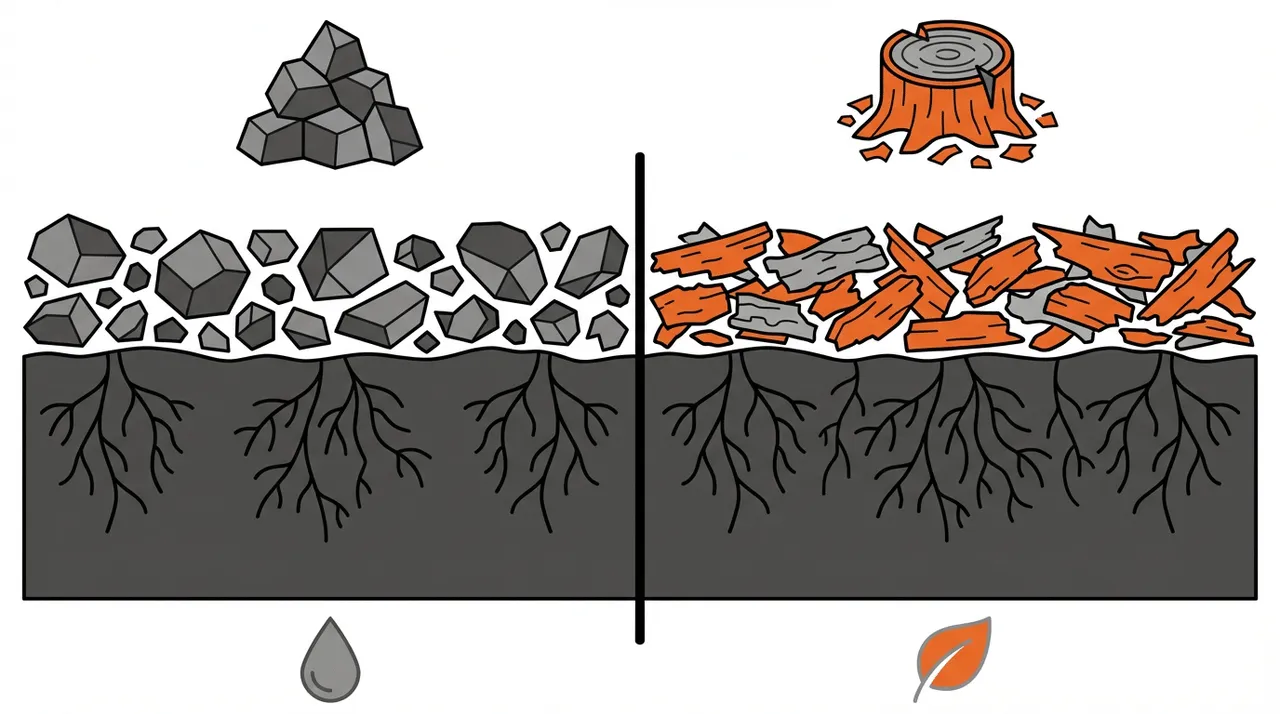
Choosing between gravel mulch and traditional organic mulch can transform your garden’s health and appearance. While traditional mulch excels at moisture retention and soil enrichment, gravel mulch offers superior drainage and long-term durability with minimal maintenance requirements.
Quick Answer: Gravel mulch works best for drainage-focused areas and low-maintenance landscapes, while traditional mulch is ideal for moisture-loving plants and soil improvement.
Both options serve essential functions in garden design, but they address completely different landscaping challenges. Understanding their key differences helps you make the right choice for your specific outdoor space and gardening goals.
About Hello Gravel
Hello Gravel delivers bulk gravel, rock, dirt, and sand by the ton. Enter your ZIP code to see prices with delivery included. A local dump-truck driver places the load where access is safe; spreading is not included.
Understanding gravel mulch and traditional mulch differences
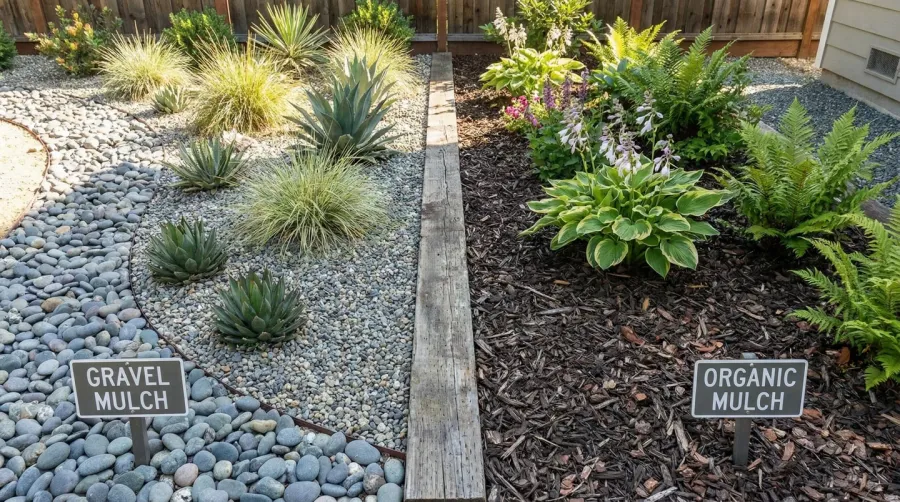
Gravel mulch consists of small decorative stones that create a permanent ground cover alternative to organic materials. Unlike traditional mulch made from wood chips, bark, or leaves, gravel mulch maintains its appearance for years without decomposition.
Traditional mulch acts as a protective layer spread over soil surfaces using organic or inorganic materials. Organic options like bark and compost provide nutrients as they break down, enriching soil and promoting healthy plant growth. They also regulate soil temperature naturally, keeping roots cool in summer and insulated during winter.
The fundamental difference lies in durability and maintenance requirements. Traditional mulch needs annual replacement as organic materials decompose, while gravel mulch provides lasting coverage without breaking down. This makes gravel particularly valuable for busy homeowners wanting beautiful landscapes without constant upkeep.
When sourcing gravel for your landscaping projects, working with a reliable supplier ensures you get quality materials delivered efficiently. Hello Gravel specializes in delivering crushed stone and decorative gravel nationwide, helping DIY homeowners and landscapers access the right materials for their projects with convenient online ordering and fast delivery.
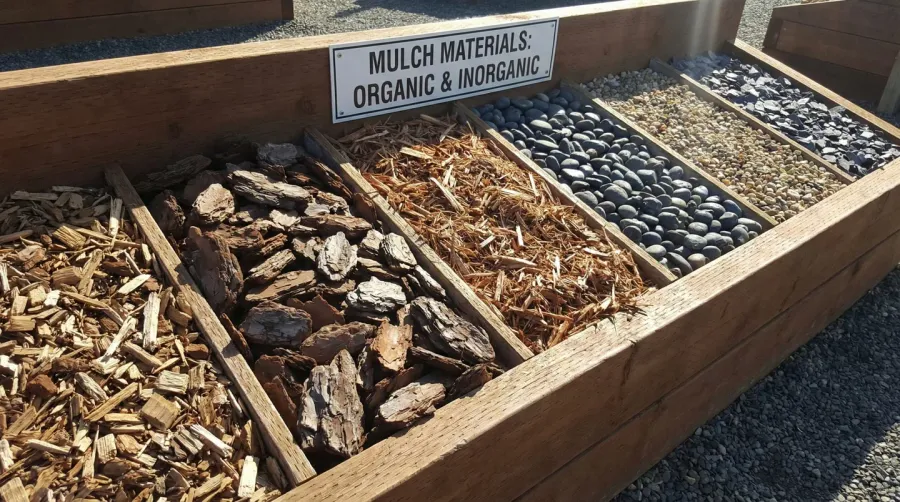
Benefits and drawbacks of gravel mulch
Gravel mulch delivers exceptional drainage by allowing water to flow freely through gaps between stones. This prevents waterlogging and reduces root rot risk, making it perfect for areas with heavy rainfall or poor soil drainage.
The material offers superior durability since it doesn’t decompose over time. You won’t need annual replacement like organic mulches, creating long-term cost savings despite higher upfront installation costs. Gravel also provides effective weed suppression when installed with proper depth and weed barrier fabric.
However, gravel mulch has notable limitations. It doesn’t add nutrients to soil like organic mulches, requiring supplemental fertilization for optimal plant health. The stones can scatter into lawn areas or walkways, needing occasional maintenance to keep borders neat and tidy.
Cost Consideration: While gravel mulch costs more initially, it eliminates annual replacement expenses that typically run $200-400 for organic mulch.
Traditional mulch advantages and challenges
Traditional organic mulch excels at moisture retention, helping plants stay hydrated during dry periods. Research shows mulch can reduce water evaporation by up to 70%, meaning less frequent watering and lower water bills during drought conditions.
Temperature regulation represents another key advantage. Mulch acts as insulation, moderating soil temperature extremes and protecting plant roots from both summer heat and winter cold. The natural appearance also complements most garden styles beautifully.
The main drawbacks include regular replacement needs as organic materials break down. This creates ongoing costs and maintenance requirements. Mulch can also retain excessive moisture in poorly draining areas, potentially causing fungal issues or root problems.
Choosing the right option for your garden needs
Consider your specific garden conditions when deciding between gravel and traditional mulch. Gravel works best in areas needing improved drainage, such as slopes, pathways, or regions with heavy clay soil that holds water. For detailed guidance on using gravel for garden paths, explore project-specific considerations.
Traditional mulch suits flower beds, vegetable gardens, and areas around trees where soil enrichment benefits plant growth. It’s particularly valuable for moisture-loving plants and newly established gardens requiring soil improvement.
| Factor | Gravel Mulch | Traditional Mulch |
|---|---|---|
| Initial Cost | Higher | Lower |
| Maintenance | Minimal | Annual replacement |
| Drainage | Excellent | Moderate |
| Soil Nutrition | None | High |
Budget considerations play an important role in your decision. While gravel requires higher upfront investment, traditional mulch involves ongoing replacement costs. Calculate long-term expenses over five years to determine the most economical choice for your situation.
Think about your maintenance preferences too. If you prefer low-maintenance landscaping, gravel mulch reduces yearly garden tasks significantly. For tips on keeping your gravel areas pristine, check out how to maintain a gravel garden. However, if you enjoy active gardening and soil improvement, traditional mulch aligns better with hands-on garden management.
For contractors and landscapers working on larger projects, Hello Gravel’s expertise in sourcing and delivering construction aggregates nationwide makes it easy to get the right materials for any scale project. With delivery capabilities across all 50 states and an online material calculator to help determine quantities needed, professional landscapers can streamline their material sourcing process.
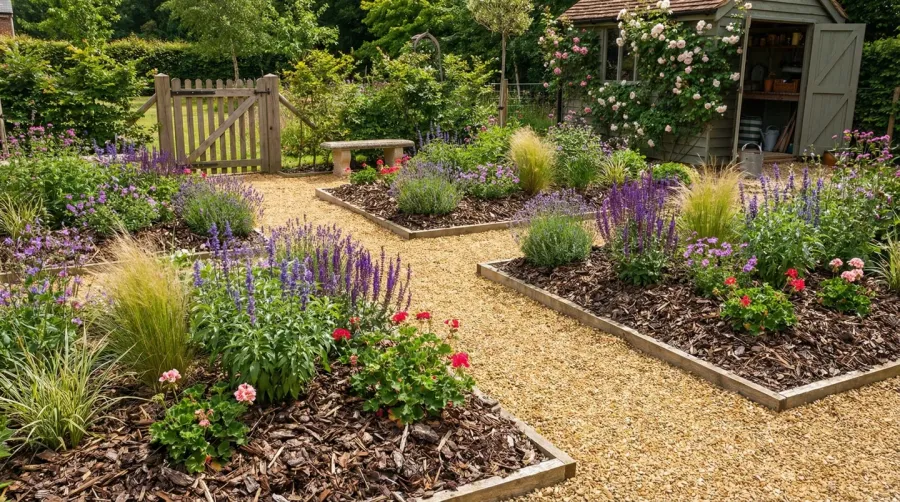
Pro Tip: Many successful gardens combine both materials, using gravel for pathways and drainage areas while applying traditional mulch around plants needing soil enrichment.
FAQ
What is gravel mulch and how does it differ from traditional mulch?
Gravel mulch consists of small decorative stones (typically under 0.5 inches) that create a permanent ground cover, while traditional mulch uses organic materials like wood chips, bark, or leaves. The key difference is that gravel mulch doesn’t decompose and provides superior drainage, whereas traditional mulch breaks down over time to enrich soil and retain moisture.
Is gravel mulch better than organic mulch for weed control?
Both gravel and organic mulch provide effective weed suppression when properly installed. Gravel mulch offers longer-lasting weed control since it doesn’t decompose, but it requires proper depth (2-3 inches) and weed barrier fabric for best results. Traditional mulch also suppresses weeds effectively but needs annual replacement as it breaks down.
Does gravel mulch retain water like traditional mulch?
No, gravel mulch does not retain water like traditional organic mulch. Gravel allows water to flow freely through gaps between stones, providing excellent drainage but minimal moisture retention. Traditional mulch can reduce water evaporation by up to 70%, making it better for plants that need consistent soil moisture.
Which is more cost-effective: gravel mulch or traditional mulch?
While gravel mulch has higher upfront costs, it’s often more cost-effective long-term since it doesn’t require annual replacement. Traditional organic mulch costs less initially but needs replacement every 1-2 years (typically $200-400 annually). Calculate costs over 5 years to determine which option better fits your budget and maintenance preferences.
Materials for this project
Get it delivered — dumped where you need it
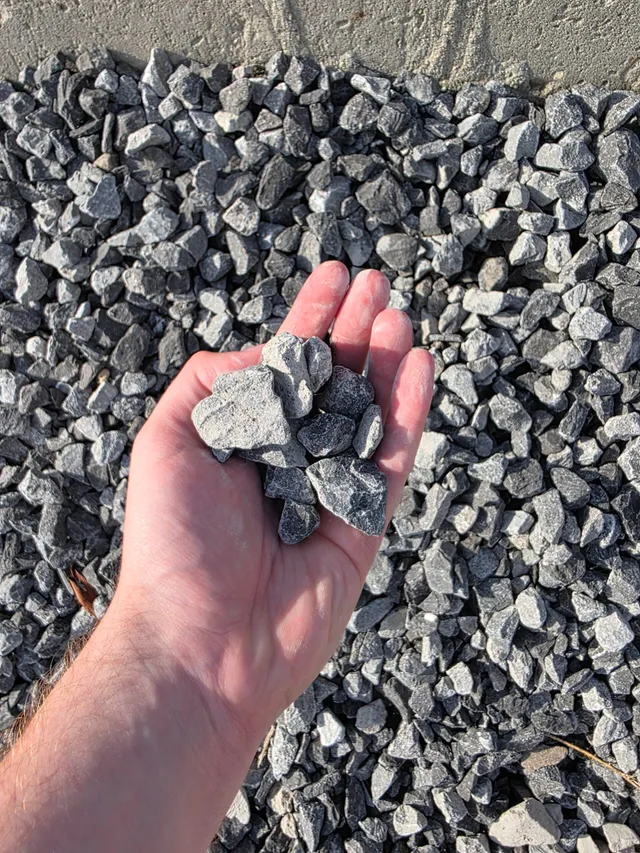
Driveway Gravel
Driveways & Parking areas
See delivered price
View product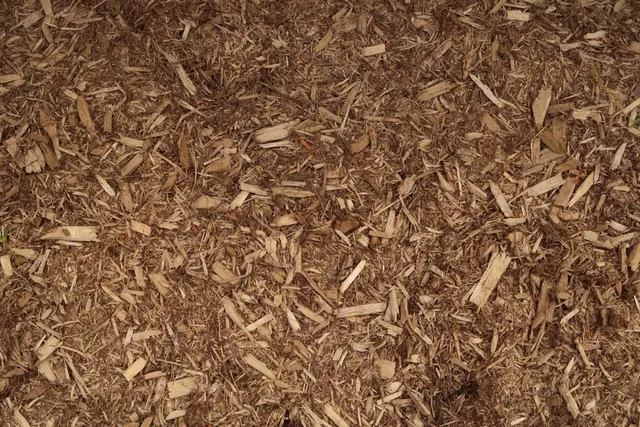
Shredded Hardwood Mulch (Brown)
Flower beds & Landscaping
See delivered price
View product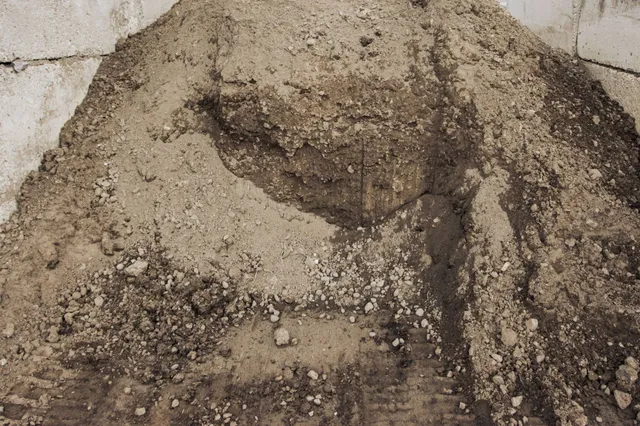
Fill Dirt
Grading & Backfill
See delivered price
View product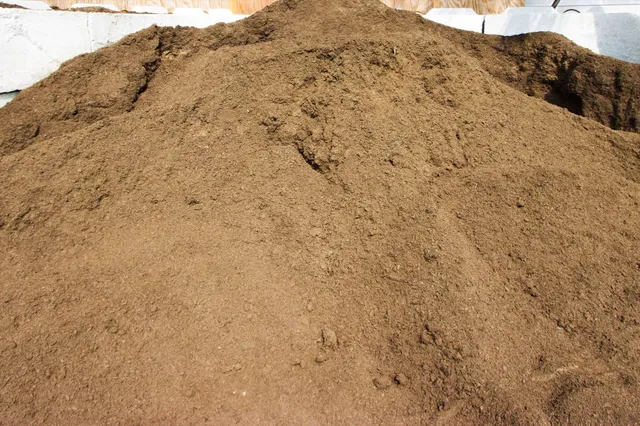
Topsoil
Lawn establishment & Garden beds
See delivered price
View product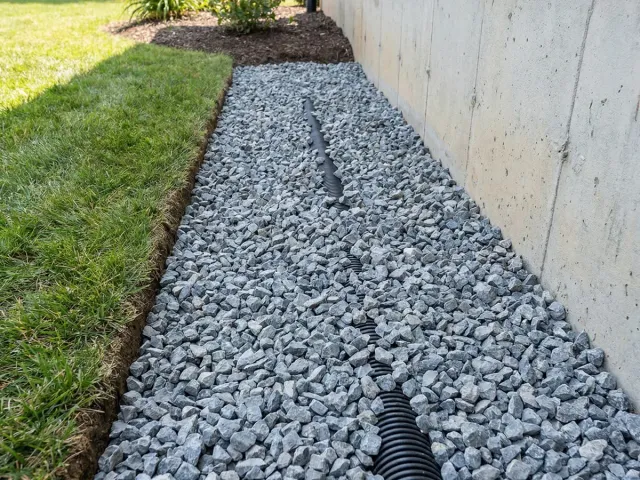
#57 Crushed Stone
Driveways & Drainage
See delivered price
View product