
Drainage Gravel Cost Per Ton 2026 Complete Pricing Guide
Free local estimate
See delivered prices for your ZIP in 60 seconds
Tell us where the project is and we'll price this material — delivered — for your exact ZIP.
- Real delivered pricing for your ZIP — not a generic range.
- Works for any quantity — driveways, pads, drains, or full projects.
- Prefer to talk? We follow up with local availability and delivery windows.
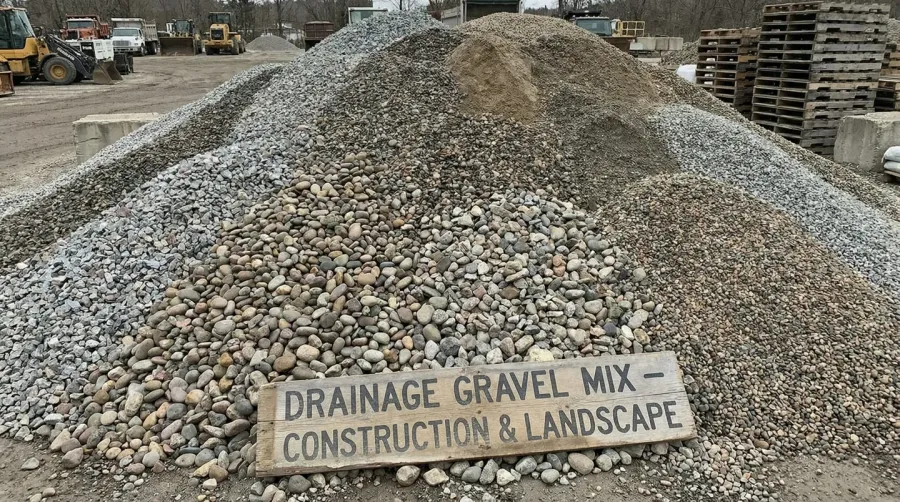
Planning a drainage project and wondering about gravel costs? You’re looking at $45-90 per ton for drainage gravel in 2026, depending on type and location. Pea gravel typically runs $50-75 per ton, while crushed stone costs $45-65 per ton, making proper drainage both affordable and essential for protecting your property investment.
Quick Answer: Drainage gravel costs average $60 per ton in 2026. Bulk purchases offer 30-50% savings over bagged alternatives, and buying during off-peak seasons can reduce costs by an additional 15-20%.
Key Insight: Proper drainage gravel selection prevents up to 90% of water-related foundation issues when installed correctly, making it one of the most cost-effective property protection investments you can make.
Whether you’re installing a French drain, creating foundation drainage, or improving yard water flow, understanding these pricing factors helps you budget accurately and avoid costly surprises during your project.
About Hello Gravel
Hello Gravel delivers bulk gravel, rock, dirt, and sand by the ton. Enter your ZIP code to see prices with delivery included. A local dump-truck driver places the load where access is safe; spreading is not included.
What is drainage gravel and why you need it
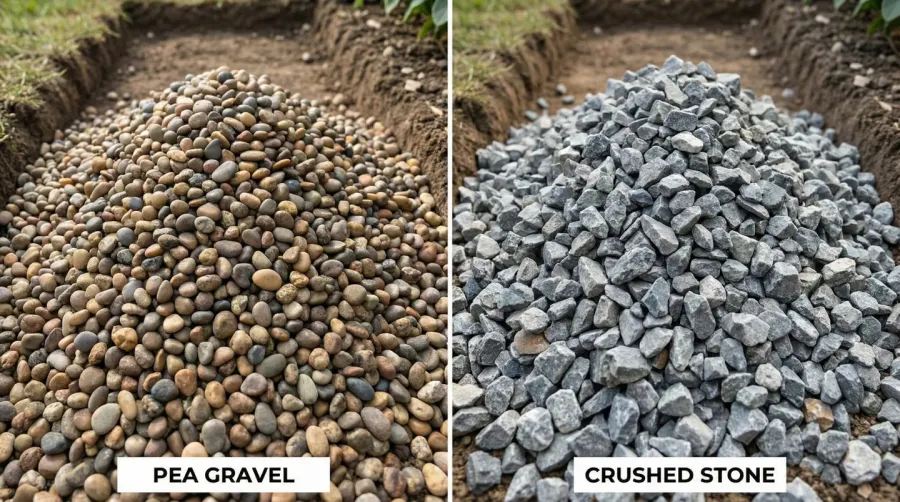
Drainage gravel consists of specially sized stones designed to facilitate water movement while filtering debris. The most common types include pea gravel (3/8 inch rounded stones) and crushed stone (angular pieces that lock together for stability).
This material serves as nature’s filtration system in your drainage projects. Water flows freely through the spaces between stones while sediment gets trapped, preventing clogs in your drainage pipes. Without proper gravel, standing water can create hydrostatic pressure against foundations, leading to cracks and expensive repairs averaging $2,000-7,000.
The rounded edges of pea gravel allow gentle water flow, making it perfect for residential applications like garden drainage and walkway bases. Crushed stone’s angular shape provides superior stability for heavy-duty applications like driveway drainage and foundation systems.
2026 drainage gravel pricing breakdown
Current market prices for drainage gravel vary significantly based on type and quality. Here’s what you can expect to pay in 2026:
| Gravel Type | Price Per Ton | Best Applications |
|---|---|---|
| Crushed Stone | $45-65 | Driveways, foundations |
| Pea Gravel | $50-75 | Gardens, walkways |
| River Rock | $60-90 | Decorative drainage |
| Decomposed Granite | $40-60 | Pathways, base material |
Premium grades with consistent sizing and minimal dust command higher prices but offer better long-term performance. Construction-grade materials cost less but may not suit decorative applications where appearance matters.
Regional variations affect these base prices significantly. Areas near quarries typically see lower costs, while remote locations can add $10-25 per ton in transportation fees. Spring and summer demand often drives prices 15-20% higher than winter rates. Understanding the cost per ton of gravel helps you compare pricing across different suppliers and materials.
Money-Saving Tip: Purchase drainage gravel during late fall through early spring when demand drops and suppliers offer seasonal discounts of 15-20% off peak pricing.
Factors that drive your drainage gravel costs
Several key elements determine your final gravel expense, and understanding these helps you make smarter purchasing decisions that can save hundreds of dollars.
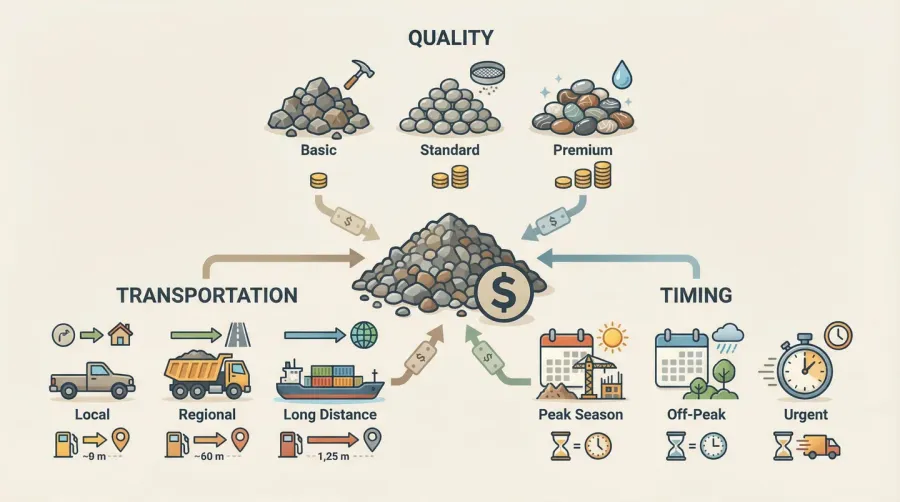
Size and processing requirements significantly impact pricing. Smaller gravel sizes cost less to produce since they require minimal screening. Larger stones need additional sorting and grading, increasing costs by $5-15 per ton. Specialty sizes or custom blends can add even more to your bill.
Quality grades create substantial price differences. Premium drainage gravel with consistent sizing, low dust content, and attractive appearance costs 20-40% more than basic construction grades. However, higher quality often provides better drainage performance and longer-lasting results.
Transportation distance represents a major cost factor. Most suppliers charge $2-4 per mile beyond their standard delivery radius. For projects requiring 10+ tons, choosing a local supplier over one 50 miles away can save $200-400 in delivery fees alone. With Hello Gravel’s nationwide network of local pits and haulers, you can access competitive pricing and fast delivery as soon as the next business day, no matter where your project is located. Learn more about how to find the best deals on aggregates for large projects to maximize your savings.
Order timing and quantity offer significant savings opportunities. Bulk orders of 10+ tons typically qualify for volume discounts of 10-25%. Off-season purchases during slower construction periods can provide additional savings when suppliers need to move inventory. Hello Gravel specializes in transactions of 500 tons or more but accommodates smaller orders as well, helping DIY homeowners, landscapers, contractors, and municipalities access competitive bulk pricing.
Bulk versus bagged drainage gravel comparison
The choice between bulk and bagged gravel dramatically affects your project cost, especially for larger installations. Bulk purchasing eliminates packaging and handling expenses while offering superior value for medium to large projects.
Bulk gravel advantages include significant cost savings, typically 40-60% less expensive than equivalent bagged material. For a typical French drain project requiring 4 cubic yards, bulk gravel costs $240-360 versus $480-720 for bags. You also get better quality control since you can inspect material before delivery. With Hello Gravel’s streamlined ordering process, you can calculate your exact needs using their online material calculator and order in minutes without endless quote chains or phone tag. Explore the benefits of purchasing gravel by bulk to understand all the advantages.
Bagged gravel benefits center on convenience and precision for smaller projects. Pre-measured bags eliminate guesswork and reduce waste, making them ideal for projects under 2 cubic yards. They’re readily available at home improvement stores without requiring delivery scheduling or minimum orders. Check out the cost of a bag of gravel for detailed pricing comparisons.
Break-even point typically occurs around 2-3 cubic yards. Below this threshold, bagged gravel’s convenience often outweighs bulk savings. Above this amount, bulk purchasing becomes increasingly cost-effective, especially when factoring in time savings from single-delivery convenience.
Consider your project scope, storage capabilities, and timeline when choosing between options. Bulk delivery requires adequate access for large trucks and space to store material until use.
Smart strategies for buying drainage gravel
Successful gravel purchasing requires planning and strategic timing to maximize value while ensuring quality results for your drainage project.
Supplier selection impacts both cost and quality significantly. Reputable suppliers offer consistent material grades, reliable delivery, and competitive pricing. Request quotes from 3-4 local suppliers and compare not just price but delivery terms, minimum orders, and material specifications. Hello Gravel’s marketplace serves as a free directory of up-to-date aggregate prices, making it easy to compare options without calling around for price sheets. Their dedicated account managers handle quotes, scheduling, and repeat orders, streamlining the entire process. Consider choosing the best gravel supply company to ensure quality and reliability.
Quantity calculation prevents costly over-ordering or project delays from shortages. Measure your drainage area length, width, and desired depth in feet, then multiply for cubic feet. Divide by 27 to get cubic yards, then multiply by 1.3 tons per cubic yard for weight estimates. Hello Gravel’s online material calculator simplifies this process by automatically calculating cubic yards and tons needed based on your project measurements. Understanding how much a yard of gravel costs helps you budget more accurately.
Seasonal timing offers substantial savings opportunities. Late fall through early spring typically provides the best pricing when construction demand drops. Some suppliers offer 15-25% discounts during slower periods to maintain cash flow and clear inventory.
Bulk purchasing coordination with neighbors or multiple projects can unlock better pricing tiers. Combining orders to reach 20+ ton minimums often qualifies for contractor-level pricing, saving 10-20% over smaller individual purchases. Learn more about the benefits of gravel bulk loads for construction projects to maximize these opportunities.
Understanding drainage gravel costs helps you budget accurately and make informed decisions for your project. With proper planning and strategic purchasing, you can achieve effective drainage while controlling expenses. Quality drainage gravel represents a smart investment in protecting your property from water damage, and choosing the right type and supplier ensures long-lasting results that justify the initial cost.
FAQ
How much does drainage gravel cost per ton in 2026?
Drainage gravel costs $45-90 per ton in 2026, with an average price of $60 per ton. Pea gravel typically runs $50-75 per ton, while crushed stone costs $45-65 per ton. Premium grades and decorative options like river rock can reach $90 per ton, while basic construction-grade materials start around $40 per ton.
Is it cheaper to buy drainage gravel in bulk or bags?
Bulk drainage gravel is 30-50% cheaper than bagged alternatives. For example, bulk gravel for a typical French drain project costs $240-360 versus $480-720 for equivalent bagged material. The break-even point is around 2-3 cubic yards – below this threshold, bagged gravel’s convenience may outweigh bulk savings.
What’s the best type of gravel for drainage projects?
Pea gravel (3/8 inch rounded stones) is ideal for residential drainage like garden systems and walkway bases due to its gentle water flow properties. Crushed stone works better for heavy-duty applications like driveway drainage and foundation systems because its angular shape provides superior stability and interlocking.
When is the best time to buy drainage gravel for cost savings?
Late fall through early spring offers the best drainage gravel pricing, with potential savings of 15-20% off peak season rates. Spring and summer demand drives prices 15-20% higher, so purchasing during off-peak seasons when construction activity slows can significantly reduce your project costs.
Materials for this project
Get it delivered — dumped where you need it
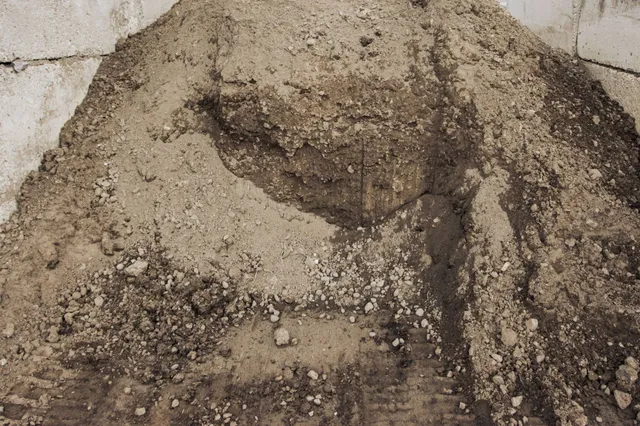
Fill Dirt
Grading & Backfill
See delivered price
View product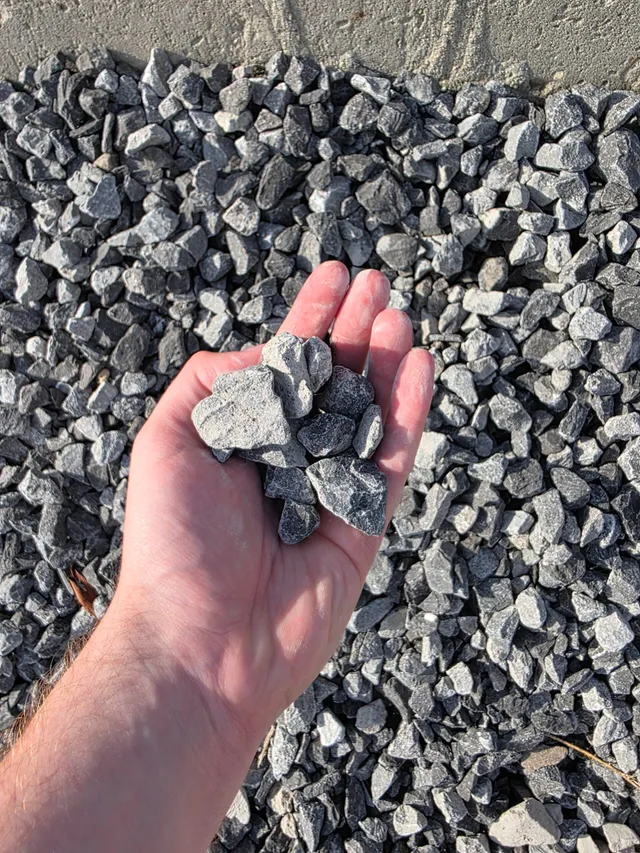
Driveway Gravel
Driveways & Parking areas
See delivered price
View product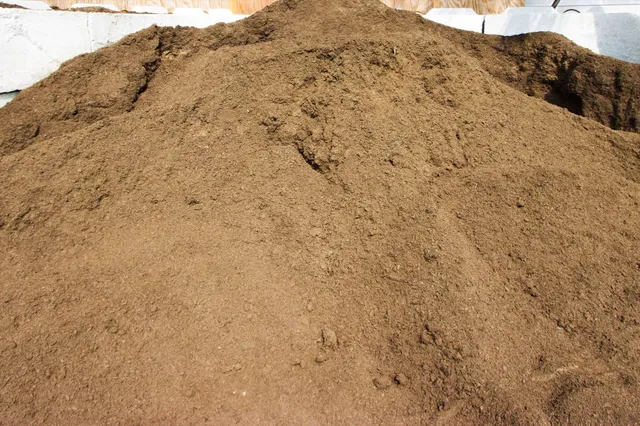
Topsoil
Lawn establishment & Garden beds
See delivered price
View product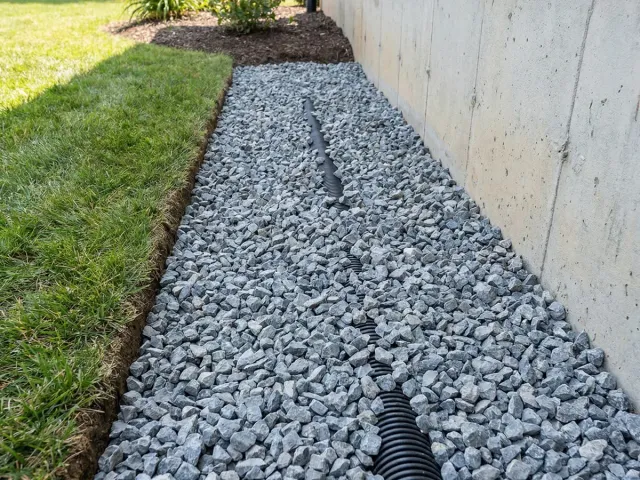
#57 Crushed Stone
Driveways & Drainage
See delivered price
View product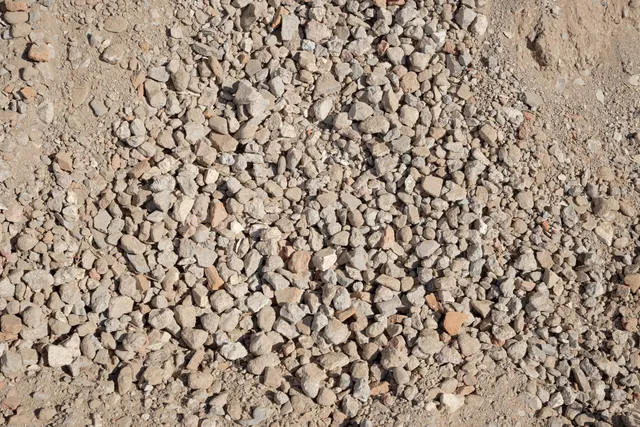
Road Base
Driveway base & Road construction
See delivered price
View product