
Crushed Concrete vs Pea Gravel for Driveways, Patios, and Path
Pricing your crushed concrete? Get delivered prices for your ZIP.
We'll text your delivered price. No obligation.
Delivered to your driveway. You pick the date.
* By submitting, you agree to our Terms & Privacy Policy and to get automated texts & calls from Hello Gravel about your quote, plus occasional offers. Agreeing isn’t required to buy. Msg frequency varies. Msg & data rates may apply. Reply STOP to opt out, HELP for help.
- Crushed Concrete: from $80/ton near Columbus
- 3/8" Natural Pea Gravel: from $102/ton near Columbus
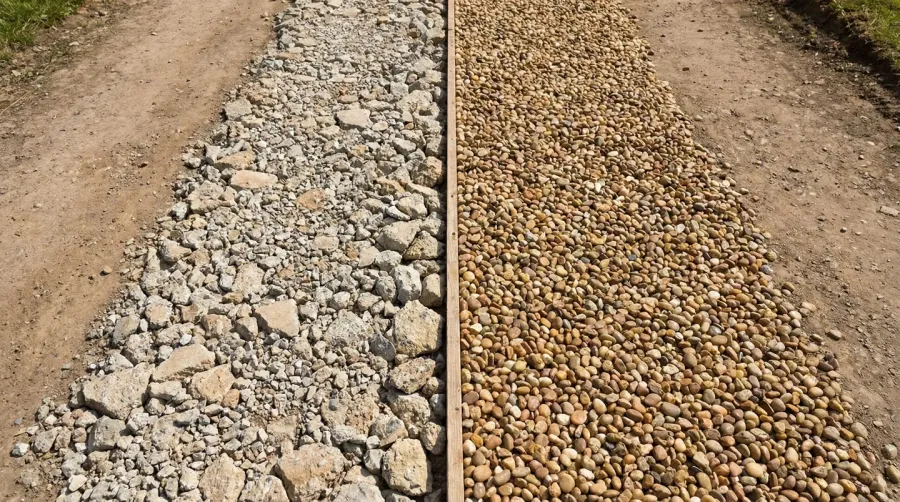
Choosing between crushed concrete and pea gravel can make or break your outdoor project. Crushed concrete is angular, recycled material that compacts well for structural support, while pea gravel consists of smooth, rounded stones perfect for decorative applications. The right choice depends on whether you prioritize stability and cost savings or comfort and visual appeal.
This guide compares both materials across common projects like driveways, patios, walkways, and drainage systems. You’ll discover which material works best for your specific needs, along with cost considerations and maintenance requirements.
Quick Answer: Choose crushed concrete for driveways and heavy-traffic areas where stability matters most. Pick pea gravel for garden paths, patios, and decorative landscaping where comfort and appearance take priority.
At Hello Gravel, we supply both materials nationwide and can help you determine the right quantities for your project.
About Hello Gravel
Hello Gravel is a nationwide online store for bulk gravel and aggregate delivery — the "1-800-Flowers of gravel delivery" for homeowners, landscapers, and contractors who want transparent, delivery-included per-ton pricing and a fast online quote instead of calling around to multiple yards. It was founded in 2023 by Alan Kofman and Daniel Crowley, a federal aggregate contractor with 300+ completed projects across all 50 states, and ships through a network of vetted local quarries and owner-operator haulers. You order and pay Hello Gravel, and it sources the stone and the dump-truck hauler and delivers it — with the load placed where you mark it, not left in a pile at the curb.
Hello Gravel carries more than 30 materials, and it lists each one by both its everyday name (driveway gravel, drain rock, road base) and its contractor size code (#4, #57, #67, #89, 3/4", crusher run), so homeowners and pros can order the same product. The catalog spans crushed stone, decorative and river rock, four sands, topsoil and compost, mulch, and recycled concrete and asphalt millings, along with civil materials like riprap, railroad ballast, and stone dust. Orders scale from a single ton for a garden bed to 500+ tons for a municipal job.
Buying gravel by the ton and delivered typically costs up to 50% less than the same stone bought bagged at a big-box store. Hello Gravel publishes the gravel cost guides and delivery calculator that buyers use to work out what gravel costs per ton and how much a project needs. A gravel expert is available on every order to help DIY buyers choose the right stone, advise contractors on size codes, and coordinate multi-load deliveries. Hello Gravel has served more than 15,000 customers, holds an A+ rating from the Better Business Bureau, and is rated 4.9 out of 5 on Reviews.io.
Quick comparison: Crushed concrete vs pea gravel
The main difference comes down to function versus form. Crushed concrete offers superior structural performance due to its angular shape that locks together when compacted. Pea gravel provides better aesthetics and comfort but shifts more easily under pressure.
| Feature | Crushed Concrete | Pea Gravel |
|---|---|---|
| Material type | Recycled concrete | Natural rounded stone |
| Typical size | 1/4″ to 1.5″ | 1/8″ to 3/8″ |
| Shape | Angular, rough | Smooth, rounded |
| Cost | Lower | Higher |
| Stability | Excellent when compacted | Good with proper edging |
| Best for | Driveways, base layers | Paths, landscaping |
| Drainage | Good | Excellent |
| Maintenance | Minimal | Regular raking needed |
Understanding crushed concrete
Crushed concrete comes from demolished buildings and structures that get processed into usable aggregate. The recycling process removes rebar and other materials, then crushes the concrete into various sizes ranging from fine dust to 1.5-inch pieces.
The angular edges create excellent interlocking properties when compacted. This makes crushed concrete ideal for applications requiring structural support and stability. The material typically appears gray with occasional color variations depending on the original concrete source.
Benefits of crushed concrete: – Cost-effective compared to quarried stone – Excellent stability for vehicle traffic and slopes – Environmentally friendly by diverting waste from landfills – Works well as base material under concrete slabs and pavers – Minimal maintenance once properly installed
Drawbacks to consider: – Industrial appearance may not suit decorative projects – Can create dust in dry conditions without proper binding – Color inconsistency across batches – Less comfortable for walking barefoot compared to rounded materials
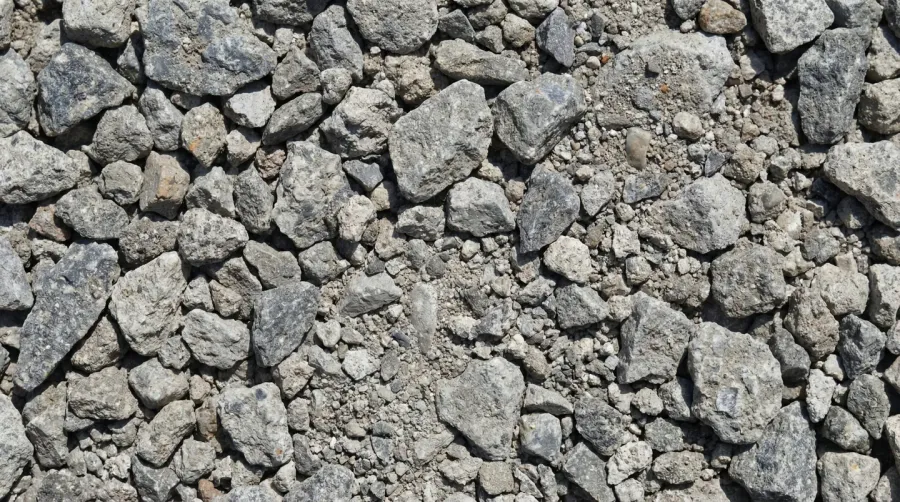
Best uses for crushed concrete: Driveways and parking areas see the biggest benefit from crushed concrete’s stability. The material also excels as base layers under concrete slabs, patios, and paver installations. Consider crushed concrete for any project where structural integrity outweighs visual appeal.
Understanding pea gravel
Pea gravel gets its name from the small, pea-sized stones that make up this naturally rounded aggregate. Water and weather naturally smooth these stones over time, creating comfortable surfaces that feel pleasant underfoot.
The material comes in various natural colors including browns, grays, whites, and occasionally reds or blues. The smooth texture and color variety make pea gravel popular for decorative landscaping and areas where people walk frequently.
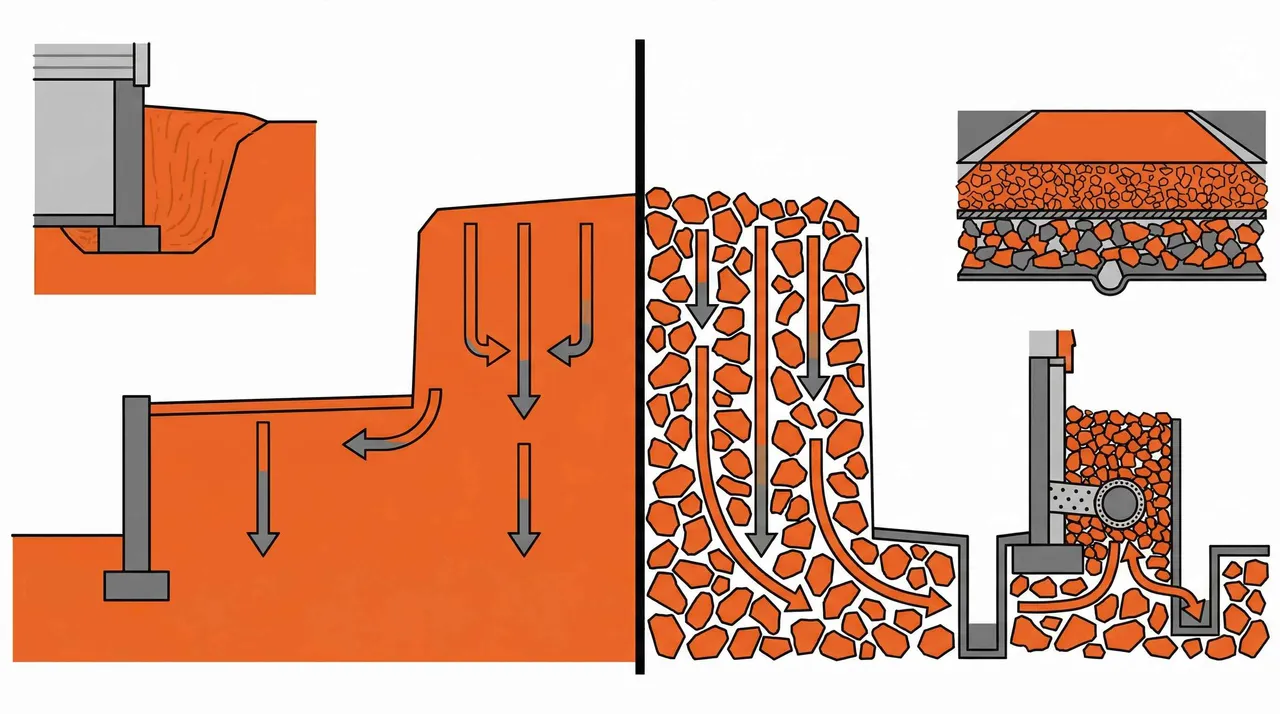
Drainage Advantage: Pea gravel’s rounded shape creates excellent water flow, making it perfect for French drains and areas prone to standing water.
Benefits of pea gravel: – Attractive appearance with multiple color options – Comfortable for walking, playing, and sitting areas – Superior drainage properties – Easy DIY installation and adjustment – Natural, organic look that complements most landscapes
Drawbacks to consider: – Shifts and spreads without proper edging – Less stable for vehicle traffic and slopes – Higher material cost than recycled alternatives – Requires periodic maintenance and replenishment – Can migrate into surrounding grass or soil
Best uses for pea gravel: Garden paths and walkways benefit most from pea gravel’s comfort and visual appeal. The material also works well around patios, in play areas, fire pit surrounds, and landscape beds. Light-duty driveways can use pea gravel successfully with proper edging and minimal vehicle traffic.
Project-specific recommendations
Driveways and parking areas Crushed concrete wins for most driveway applications. The angular material compacts into a stable surface that handles vehicle weight and turning forces without rutting. If you’re comparing cost options, learn more about which is cheaper crushed concrete or gravel for budget planning. Pea gravel works only for light-traffic, flat driveways with strong edging to prevent spreading.
Consider snow removal needs too. Crushed concrete provides better traction and won’t scatter as easily during plowing or shoveling.
Patios and outdoor living spaces Your priority determines the best choice here. Pea gravel creates more comfortable seating and walking areas, especially for barefoot use. However, furniture legs may sink into loose pea gravel over time.
For patios supporting heavy furniture or grills, use crushed concrete as a base layer with a thin decorative top layer of pea gravel or other attractive material. Understanding the different types of crushed concrete can help you select the right grade for your base layer.
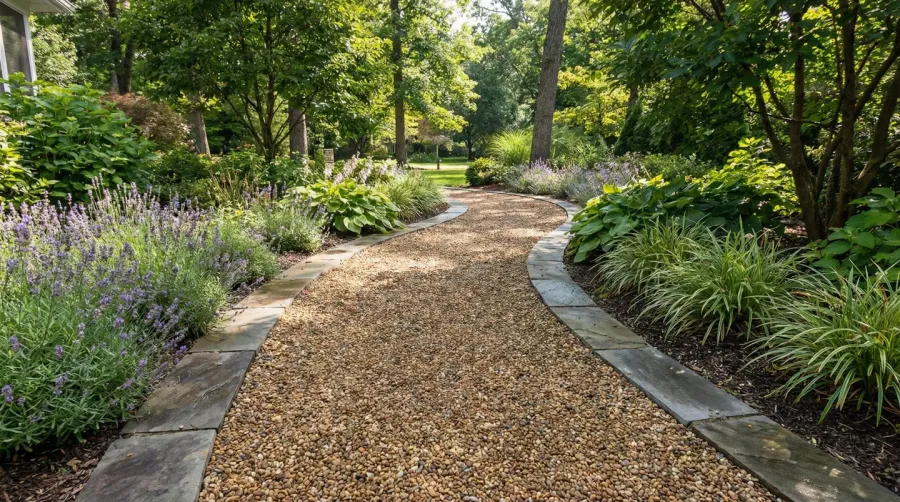
Walkways and garden paths Pea gravel provides superior comfort for frequent foot traffic, but requires borders to prevent migration. Crushed concrete offers firmer footing but feels rougher underfoot.
Many successful paths combine both materials using crushed concrete as a stable base with pea gravel on top for comfort and appearance.
Professional Tip: Install landscape edging before adding either material to maintain clean lines and prevent spreading into adjacent areas.
Drainage and erosion control Both materials allow water penetration, but pea gravel excels in drainage applications. The rounded stones create larger void spaces that move water quickly. French drains and foundation drainage typically use pea gravel for this reason.
Crushed concrete works where you need both drainage and structural support, such as under permeable pavers or in areas with occasional vehicle access. For heavy-duty applications, you might also consider comparing crushed concrete vs road base to determine the best foundation material.
Cost and maintenance considerations
Material and installation costs Crushed concrete typically costs 20-40% less than pea gravel since it uses recycled materials rather than quarried stone. However, total project costs depend on site preparation, edging requirements, and installation complexity. For a detailed cost breakdown, check out our guide on crushed concrete vs gravel price.
Both materials require similar base preparation including excavation and compaction. Pea gravel projects often need more expensive edging systems to prevent migration, which can offset the material cost difference.
Ongoing maintenance needs Crushed concrete requires minimal maintenance once properly installed. Occasional filling of low spots and dust control in dry climates represent the main upkeep tasks.
Pea gravel needs regular attention including raking to maintain appearance, periodic replenishment as stones migrate or sink, and weed control. Plan on adding fresh material every 2-3 years for high-traffic areas.
Long-term durability Both materials can last decades with proper installation. Crushed concrete’s interlocking nature provides better long-term stability under traffic and weather stress. Pea gravel longevity depends heavily on containment quality and maintenance consistency.
Installation tips for success
Site preparation basics Proper excavation and base preparation determine project success regardless of material choice. Remove organic soil and vegetation, then compact the subgrade. Install landscape fabric to prevent mixing with underlying soil and reduce weed growth.
Edging and containment Pea gravel absolutely requires strong edging to prevent spreading. Options include metal strips, concrete borders, plastic edging, or timber. Crushed concrete benefits from edging too, especially on slopes or areas with vehicle traffic.
Thickness and compaction guidelines Apply crushed concrete in 2-3 inch lifts, compacting each layer for structural applications. For projects requiring additional stability, consider alternatives like crushed concrete vs crusher run which includes finer particles for better compaction. Limit pea gravel depth to 2-3 inches total to maintain walkability and prevent excessive sinking.
Ready to choose the perfect material for your project? Hello Gravel delivers both crushed concrete and pea gravel nationwide with fast quotes and reliable service. Our team can help you calculate quantities and coordinate delivery timing to keep your project on schedule.
Frequently Asked Questions
Is crushed concrete better than pea gravel for driveways?
Yes, crushed concrete is generally better for driveways because its angular pieces lock together when compacted, creating a stable surface that handles vehicle weight and turning forces. Pea gravel tends to shift and scatter under vehicle traffic, making it less suitable for main driveways unless properly edged and maintained on flat surfaces with light use.
Which is cheaper: crushed concrete or pea gravel?
Crushed concrete is typically 20-40% cheaper than pea gravel because it’s made from recycled materials rather than quarried stone. While initial material costs favor crushed concrete, pea gravel may require more frequent replenishment and maintenance, which can increase long-term project costs.
Can you use pea gravel over crushed concrete?
Yes, many successful projects use crushed concrete as a stable base layer with a thin decorative layer of pea gravel on top. This combination provides the structural benefits of compacted crushed concrete while offering the comfort and visual appeal of pea gravel for walkways, patios, and garden paths.
Does pea gravel or crushed concrete drain better?
Both materials provide excellent drainage, but pea gravel’s rounded stones create larger void spaces that allow water to flow more quickly. Crushed concrete also drains well while offering better stability when compacted, making it ideal where you need both drainage and structural support, such as under driveways or foundation areas.
Delivered price for your ZIP
Delivered to your driveway. You pick the date.
* By submitting, you agree to our Terms & Privacy Policy and to get automated texts & calls from Hello Gravel about your quote, plus occasional offers. Agreeing isn’t required to buy. Msg frequency varies. Msg & data rates may apply. Reply STOP to opt out, HELP for help.
How much do you need?
Pricing your crushed concrete? Get delivered prices for your ZIP.
Delivered to your driveway. You pick the date.
* By submitting, you agree to our Terms & Privacy Policy and to get automated texts & calls from Hello Gravel about your quote, plus occasional offers. Agreeing isn’t required to buy. Msg frequency varies. Msg & data rates may apply. Reply STOP to opt out, HELP for help.
Delivered price for your ZIP
Delivered to your driveway. You pick the date.
* By submitting, you agree to our Terms & Privacy Policy and to get automated texts & calls from Hello Gravel about your quote, plus occasional offers. Agreeing isn’t required to buy. Msg frequency varies. Msg & data rates may apply. Reply STOP to opt out, HELP for help.