
Types of Gravel for Drainage (Complete Guide)
Free local estimate
See delivered prices for your ZIP in 60 seconds
Tell us where the project is and we'll price this material — delivered — for your exact ZIP.
- Real delivered pricing for your ZIP — not a generic range.
- Works for any quantity — driveways, pads, drains, or full projects.
- Prefer to talk? We follow up with local availability and delivery windows.
Standing water around your home can cause serious foundation damage, soil erosion, and create breeding grounds for mosquitoes. Gravel drainage systems offer a proven solution that channels water away from structures while filtering debris naturally. You can prevent waterlogged areas and protect your property by understanding which gravel types work best and how to install them properly.
Quick Answer: Crushed stone works best for base layers due to its angular shape and interlocking properties, while pea gravel excels in top layers because it resists compaction and allows excellent water flow.
The key to successful gravel drainage lies in selecting the right materials and following proper installation techniques. This guide walks you through everything you need to know about creating drainage systems that actually work.
About Hello Gravel
Hello Gravel delivers bulk gravel, rock, dirt, and sand by the ton. Enter your ZIP code to see prices with delivery included. A local dump-truck driver places the load where access is safe; spreading is not included.
Understanding gravel drainage fundamentals
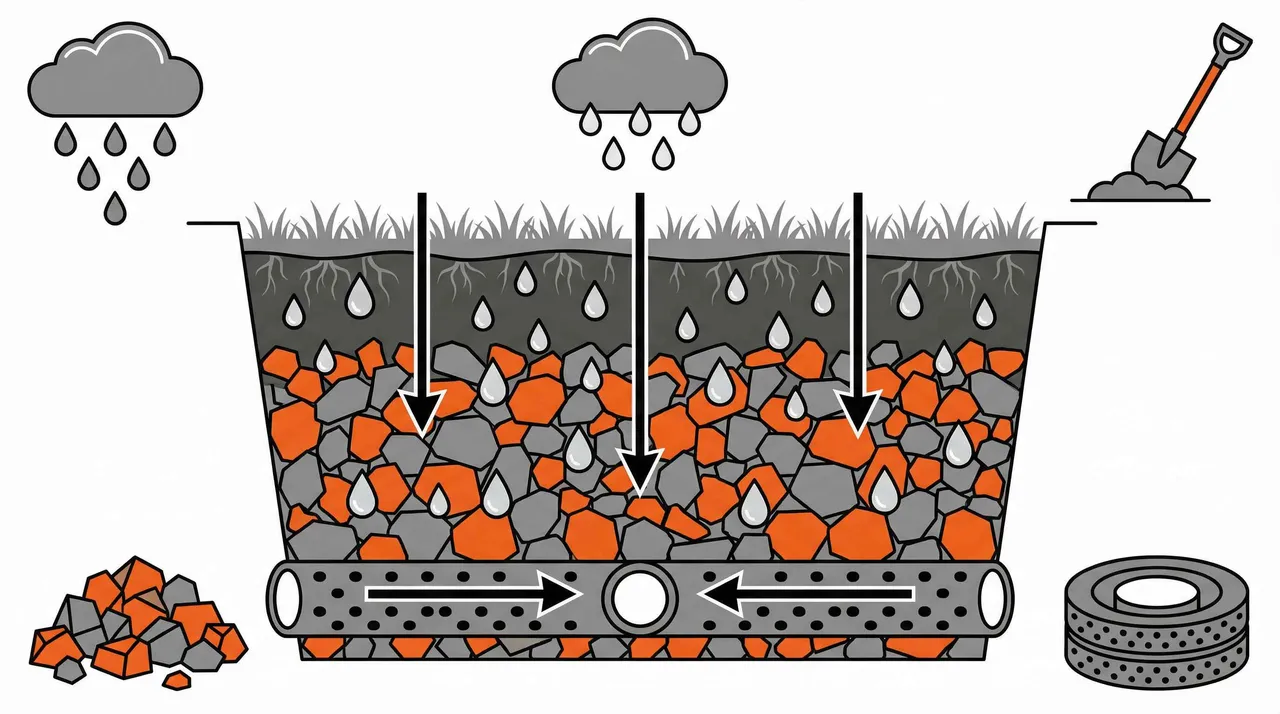
Gravel creates effective drainage through its natural void spaces between stones. These gaps allow water to flow freely while filtering out larger debris that could clog pipes or create blockages. The permeability of gravel depends on particle size, shape, and how the stones interlock with each other.
Different gravel types serve specific purposes in drainage systems. Angular crushed stone provides structural stability and locks together firmly, making it ideal for foundation layers. Rounded stones like pea gravel create larger void spaces and resist compaction, perfect for areas requiring long-term water flow.
The science behind gravel drainage involves both filtration and conveyance. As water moves through the gravel layers, larger particles get trapped while clean water continues flowing toward your designated drainage outlet. This natural filtering process protects downstream components like perforated pipes from clogging.
Choosing the right gravel types for your project
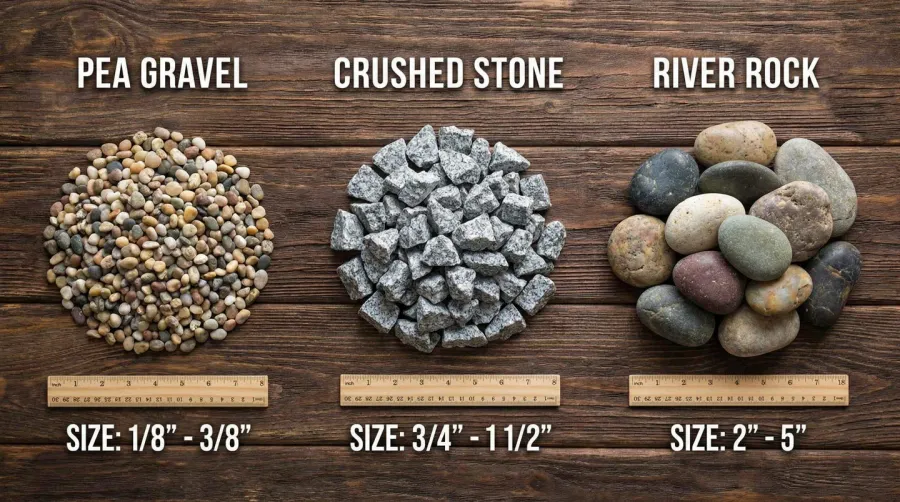
Your drainage project’s success depends heavily on selecting appropriate gravel types for each layer. The table below compares the most common options based on their drainage properties and best applications.
| Gravel Type | Size Range | Best Use | Drainage Rate | Cost Level |
|---|---|---|---|---|
| Pea Gravel | 1/8″ – 3/8″ | Top layers, decorative | Excellent | Medium |
| Crushed Stone | 1/2″ – 1″ | Base layers, structural | Very Good | Low |
| River Rock | 1″ – 3″ | Dry creek beds, large drains | Good | High |
Pea gravel works exceptionally well for surface applications because its smooth, rounded shape prevents compaction over time. According to hellogravel.com/guides, pea gravel’s rounded stones create significant gaps that allow water to flow freely while maintaining structural integrity.
Crushed stone provides the backbone of most drainage systems. Its angular edges interlock to create a stable foundation that won’t shift under load. The irregular shapes also create pathways for water movement while providing excellent load-bearing capacity for areas with vehicle traffic. For projects requiring optimal drainage performance, understanding what type of aggregate is best for drainage can help you make informed decisions.
River rock serves specialized purposes in larger drainage applications. While more expensive, its size makes it perfect for dry creek beds or decorative drainage features where you want visible water flow during heavy rains.
Pro Tip: Layer different gravel types with larger stones at the bottom and smaller ones on top to maximize both drainage efficiency and structural stability.
Installing French drains with proper gravel layering
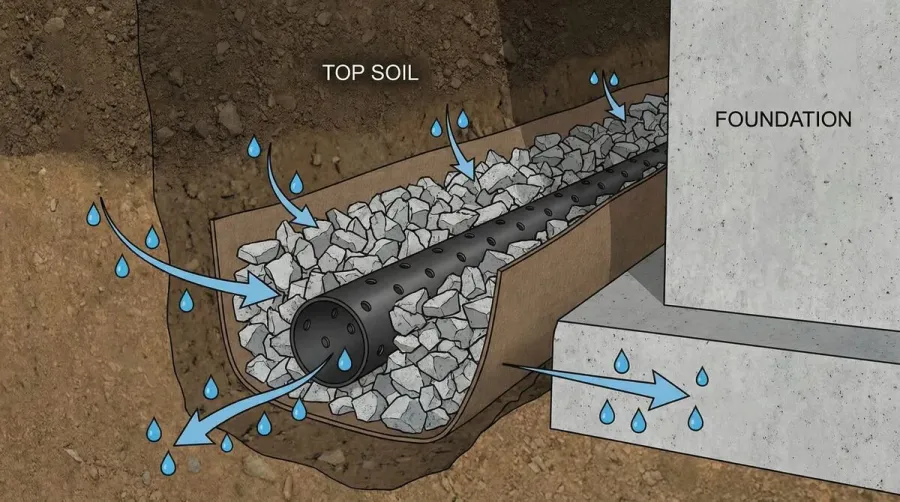
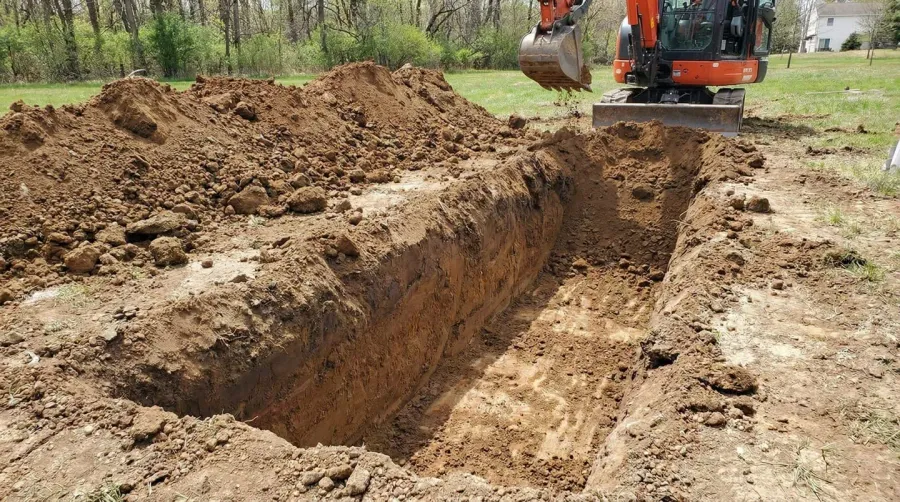
French drain installation requires careful attention to slope, fabric placement, and gravel layering. Start by digging your trench with a minimum 1% slope – that means one foot of drop for every 100 feet of length. This gradient ensures consistent water flow toward your drainage outlet.
Begin with landscape fabric to separate soil from gravel and prevent long-term clogging. Lay the fabric across the entire trench bottom and up the sides, leaving enough material to fold over the top layer later. This barrier prevents fine soil particles from migrating into your gravel and reducing drainage efficiency.
Add your base layer of crushed stone, typically 2-3 inches deep. This foundation layer provides stability for the perforated pipe while creating initial filtration. Place your perforated drainage pipe with holes facing downward to prevent debris entry while allowing water infiltration from below. If you’re wondering what gravel is best for a French drain, the answer typically depends on your specific soil conditions and drainage requirements.
Cover the pipe with additional gravel until you reach about 2 inches below ground level. Use pea gravel or similar rounded stone for this layer to maintain long-term permeability. Fold the landscape fabric over the gravel to complete the barrier system, then top with soil or grass to restore the surface appearance. For comprehensive guidance on the best gravel for drainage, consider factors like particle size and local availability.
Maintenance and troubleshooting for long-term performance
Regular maintenance keeps your gravel drainage system functioning effectively for years. Check the system after heavy rains to ensure water flows properly and no surface pooling occurs. Remove any leaves, debris, or sediment that accumulates on the surface, as these materials can block water entry points.
Inspect your drainage system every six months for signs of settling or compaction. If you notice areas where the gravel has sunk or water begins pooling on the surface, add fresh gravel to restore proper drainage levels. This maintenance prevents small problems from becoming expensive repairs.
Watch for warning signs that indicate system problems. Standing water after moderate rainfall suggests clogging or insufficient slope. Erosion around the drainage area might indicate improper installation or inadequate gravel coverage. Address these issues promptly to prevent damage to surrounding structures. Understanding what is the best gravel size for drainage helps ensure you’re using the right materials for repairs.
Important: In areas with very fine, silty soil, gravel alone may not provide sufficient drainage. Consider adding additional filtration layers or consulting a drainage professional for complex soil conditions.
Some drainage problems require professional assessment. If your system consistently fails to handle normal rainfall or you notice foundation settling near the drainage area, contact a qualified contractor. Complex soil conditions or high water tables may require specialized solutions beyond basic gravel drainage. For projects involving erosion control, explore what type of gravel is best for erosion control to protect your property effectively.
Gravel drainage systems provide reliable, cost-effective solutions for most water management challenges when properly designed and installed. By selecting appropriate gravel types, following correct installation procedures, and maintaining your system regularly, you can protect your property from water damage while creating an attractive landscape feature that functions for decades.
FAQ
What is the best gravel for drainage systems?
Crushed stone (1/2″ to 1″) is the best gravel for drainage base layers due to its angular shape that creates interlocking stability and excellent water flow. For top layers, pea gravel (1/8″ to 3/8″) works exceptionally well because its rounded shape resists compaction and maintains void spaces for long-term drainage performance.
How much slope is needed for gravel drainage systems?
Gravel drainage systems require a minimum 1% slope, which means one foot of drop for every 100 feet of length. This gradient ensures consistent water flow toward your drainage outlet and prevents standing water that could cause system failure or create breeding grounds for mosquitoes.
Does gravel help with drainage around house foundations?
Yes, gravel significantly improves drainage around house foundations by creating pathways for water to flow away from structures. The void spaces between gravel stones allow water to percolate naturally while filtering debris, preventing foundation damage, soil erosion, and waterlogged areas that can compromise structural integrity.
How often should gravel drainage systems be maintained?
Inspect your gravel drainage system every six months and after heavy rains to ensure proper water flow. Remove surface debris like leaves and sediment that can block water entry points. Add fresh gravel if you notice settling or compaction, and address any standing water issues promptly to prevent expensive repairs.
Materials for this project
Get it delivered — dumped where you need it
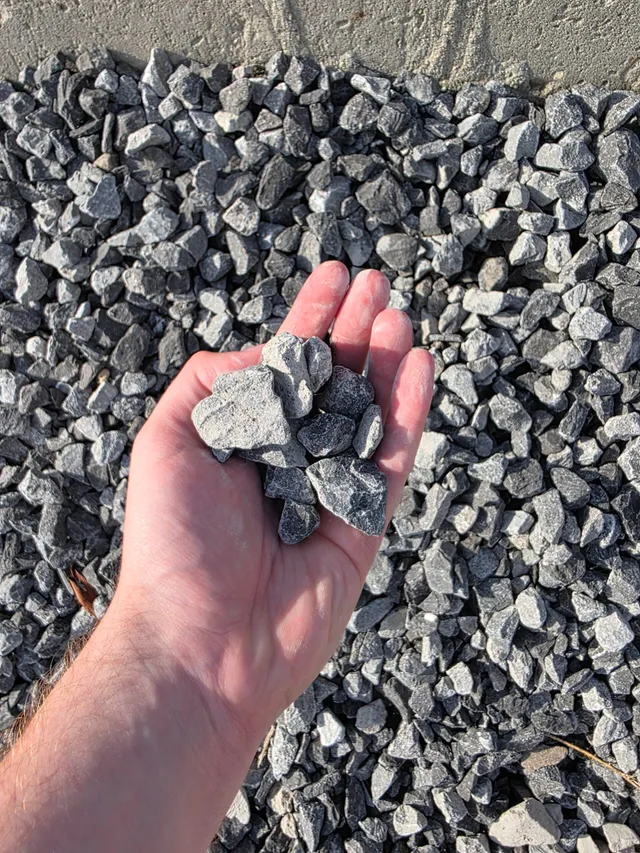
Driveway Gravel
Driveways & Parking areas
See delivered price
View product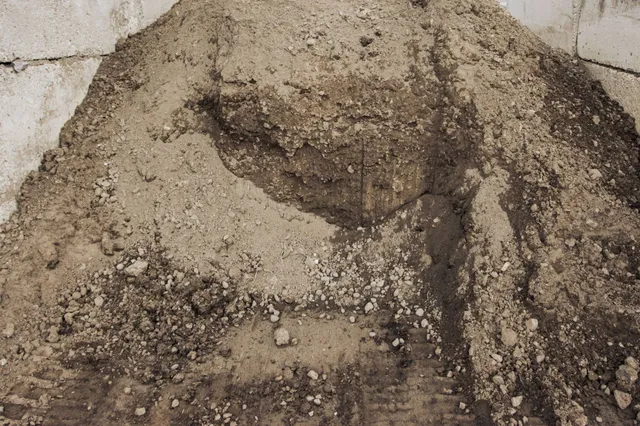
Fill Dirt
Grading & Backfill
See delivered price
View product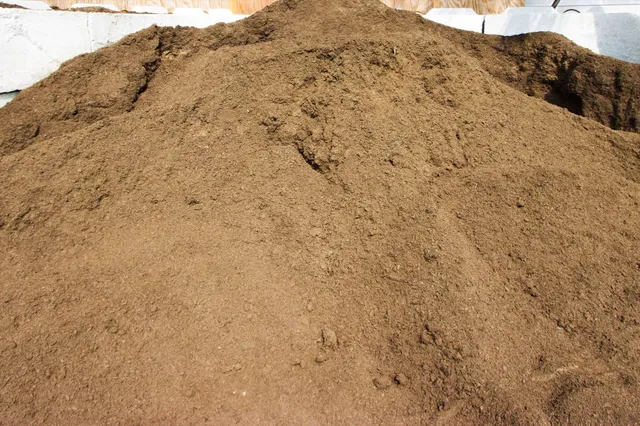
Topsoil
Lawn establishment & Garden beds
See delivered price
View product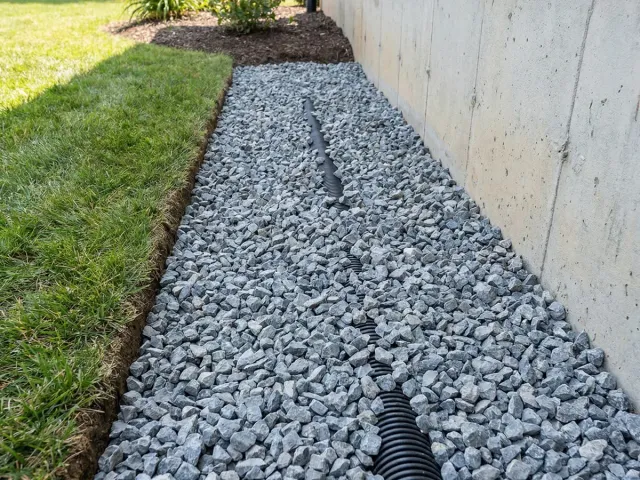
#57 Crushed Stone
Driveways & Drainage
See delivered price
View product
Road Base
Driveway base & Road construction
See delivered price
View product