
Rock Delivery Services (Complete Guide)
Free local estimate
See delivered prices for your ZIP in 60 seconds
Tell us where the project is and we'll price this material — delivered — for your exact ZIP.
- Real delivered pricing for your ZIP — not a generic range.
- Works for any quantity — driveways, pads, drains, or full projects.
- Prefer to talk? We follow up with local availability and delivery windows.
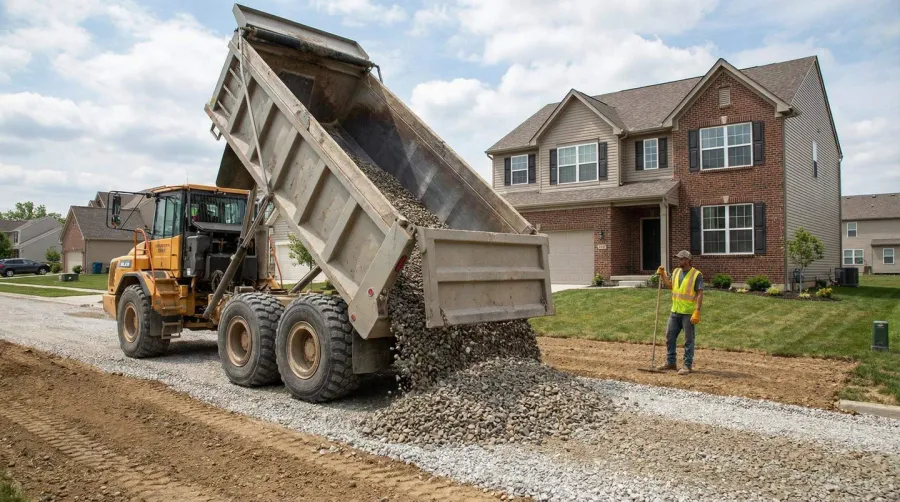
Planning a landscaping project and wondering how to get rocks delivered to your property? Rock delivery services can transform your outdoor space with natural beauty and functional benefits. Whether you need gravel for a driveway, decorative stones for garden beds, or drainage rocks for water management, getting bulk materials delivered saves time and effort compared to multiple trips to supply stores.
This guide walks you through the entire process, from selecting the right rock types to preparing for delivery day. You’ll learn how to estimate quantities accurately, choose reliable delivery services, and manage costs effectively for your project.
Quick Answer: Most rock delivery services require a minimum order of 3-5 tons and can deliver within 4-7 business days. Prices typically range from $300-900 depending on rock type, quantity, and delivery distance.
About Hello Gravel
Hello Gravel delivers bulk gravel, rock, dirt, and sand by the ton. Enter your ZIP code to see prices with delivery included. A local dump-truck driver places the load where access is safe; spreading is not included.
Understanding Rock Types and Their Applications
Different rock types serve specific purposes in landscaping and construction projects. Choosing the right material ensures your project meets both aesthetic and functional requirements.
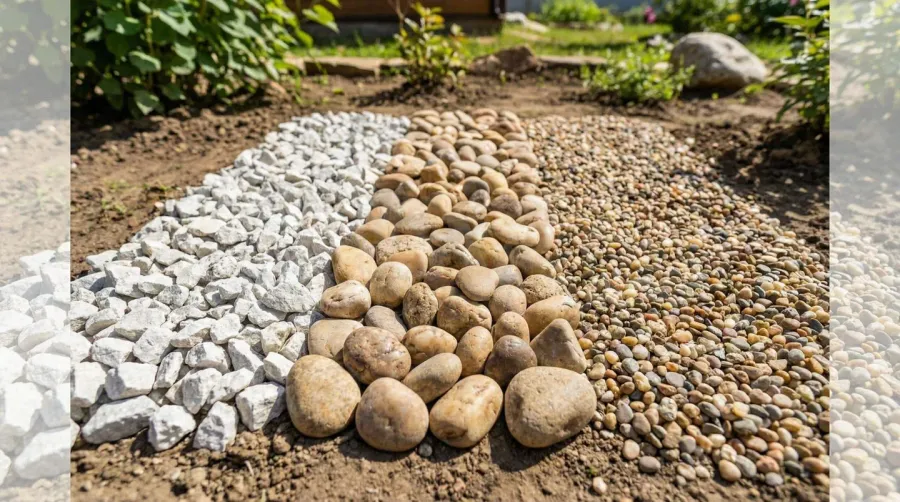
Crushed Stone Options Crushed limestone and granite are popular choices for driveways and base materials. These angular rocks compact well and provide excellent stability. Limestone offers natural drainage properties, while granite provides superior durability for high-traffic areas.Decorative Stones River rocks create smooth, rounded surfaces perfect for garden beds and water features. Their natural tumbling process produces varied colors and textures that complement most landscape designs. Pea gravel, typically 3/8 inch in size, works well for walkways and decorative borders.
Specialty Applications Drain rock, usually 1.5 inches or larger, allows water flow while preventing soil erosion. This makes it ideal for French drains and foundation drainage systems. Road base combines crushed stone with fine particles to create a stable foundation for paved surfaces.
Calculating Your Material Needs
Accurate quantity estimation prevents ordering too little material or overspending on excess rocks. The calculation process involves measuring your project area and determining the appropriate depth.
Basic Calculation Method Measure the length and width of your project area in feet, then multiply these numbers to get square footage. Next, determine your desired depth in inches. Most driveway applications need 2-3 inches of material, while drainage projects may require 6-8 inches.
Convert your measurements using this formula: (Length × Width × Depth in inches) ÷ 324 = cubic yards needed. Most suppliers sell by the ton, so you’ll need to convert cubic yards to tons based on the specific rock type’s weight.
Professional Estimation Tools Many delivery services offer online calculators that simplify this process. These tools account for material density and compaction factors automatically. For complex projects or large areas, consider consulting with the delivery company’s specialists who can provide accurate estimates based on your specific requirements.
Pro Tip: Order 10-20% extra material for projects under 5 tons, and 5-10% extra for larger orders to account for compaction and minor measurement variations.
Choosing the Right Delivery Service
Selecting a reliable delivery service ensures your materials arrive on time and in good condition. Research local suppliers and compare their offerings before making a decision.
Service Evaluation Criteria Look for companies with positive customer reviews and established track records in your area. Verify they carry the specific rock types you need and can deliver to your location. Some services specialize in certain materials or geographic regions.
Delivery Capabilities Confirm the company’s truck sizes and delivery methods. Standard dump trucks typically carry 15-20 tons, while smaller vehicles may be necessary for tight access areas. Ask about tailgate spreading services if you want the material distributed rather than dumped in one pile.
Pricing and Policies Request detailed quotes that include material costs, delivery fees, and any additional charges. Compare pricing structures, as some companies offer volume discounts while others have flat delivery rates. Understanding how to order sand and gravel policies regarding delivery scheduling, weather delays, and material quality guarantees is essential.
Preparing Your Property for Delivery
Proper preparation ensures smooth delivery and prevents potential complications or additional charges. Take time to prepare your property before the scheduled delivery date.
Access and Clearance Ensure the delivery truck can safely reach your designated drop-off area. Remove vehicles, outdoor furniture, and other obstacles from the delivery path. Trim overhanging branches and check that gates or driveways can accommodate large trucks.
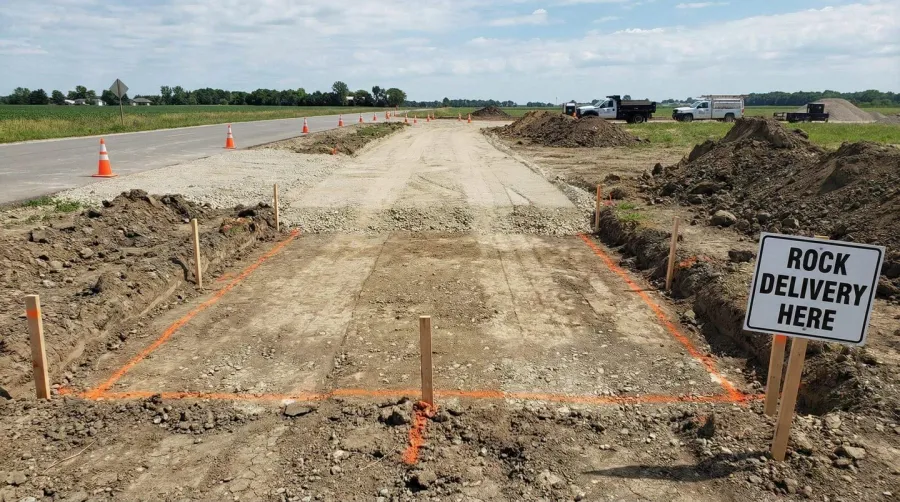
Site Preparation Mark your preferred dump location clearly, considering how you’ll move the material to its final destination. Choose a spot that’s accessible for both the delivery truck and your spreading equipment. Avoid areas near septic systems, underground utilities, or delicate landscaping.
Communication with Neighbors Inform neighbors about the delivery schedule, especially if the truck will block streets or create temporary inconvenience. Large deliveries may require street permits in some municipalities, so check local requirements in advance.
| Rock Type | Price Range (per ton) | Best Applications | Typical Coverage |
|---|---|---|---|
| Crushed Limestone | $25-45 | Driveways, base material | 100 sq ft at 2″ depth |
| River Rock | $60-120 | Landscaping, drainage | 80 sq ft at 2″ depth |
| Pea Gravel | $35-55 | Walkways, decorative | 120 sq ft at 2″ depth |
Delivery Day Coordination Be available during the delivery window to provide guidance and inspect the materials. Most drivers appreciate clear directions about dump location and any special considerations. Have a contact number ready in case the driver needs to reach you during transit.
The delivery process typically takes 15-30 minutes once the truck arrives. Inspect the materials for quality and quantity while the driver is present, as it’s easier to address concerns immediately rather than after the truck leaves.
Important: Take photos of the delivered materials and note any quality issues or quantity discrepancies on the delivery receipt before the driver departs.
Getting rocks delivered for your landscaping project doesn’t have to be complicated when you understand the process and prepare properly. Focus on choosing the right materials for your specific needs, working with reputable delivery services, and preparing your property adequately. With proper planning, you’ll have quality materials delivered efficiently, setting the foundation for a successful landscaping project that enhances your outdoor space for years to come.
FAQ
What is the average cost of a load of rocks delivered?
Rock delivery costs typically range from $300-900 for most residential projects, depending on rock type, quantity, and delivery distance. Material costs range from $25-120 per ton (crushed limestone being most affordable, river rock being premium), plus delivery fees of $100-300. Most services require a minimum order of 3-5 tons to make delivery economical.
How do I calculate how many tons of rocks I need for my project?
Use this formula: (Length × Width × Depth in inches) ÷ 324 = cubic yards needed. Then convert to tons based on rock type – most rocks weigh 1.3-1.7 tons per cubic yard. For example, a 20×10 foot driveway at 3 inches deep needs about 1.85 cubic yards or roughly 2.5 tons. Order 10-20% extra for small projects to account for compaction.
How far in advance should I schedule rock delivery?
Most rock delivery services require 4-7 business days advance notice for standard orders. During peak landscaping season (spring and early summer), allow 1-2 weeks for scheduling. Large orders over 20 tons or specialty rocks may need additional lead time. Weather conditions can cause delays, so build flexibility into your project timeline.
How much space does a dump truck need for rock delivery?
Standard dump trucks need a 10-12 foot wide accessible path and overhead clearance of at least 15 feet for raised dump beds. The delivery area should accommodate a truck up to 30 feet long for smaller loads, or 53 feet for large semi-truck deliveries. Ensure the ground can support 40,000+ pounds and that gates, driveways, and turns can accommodate the truck size.
Most-ordered materials
Get it delivered — dumped where you need it
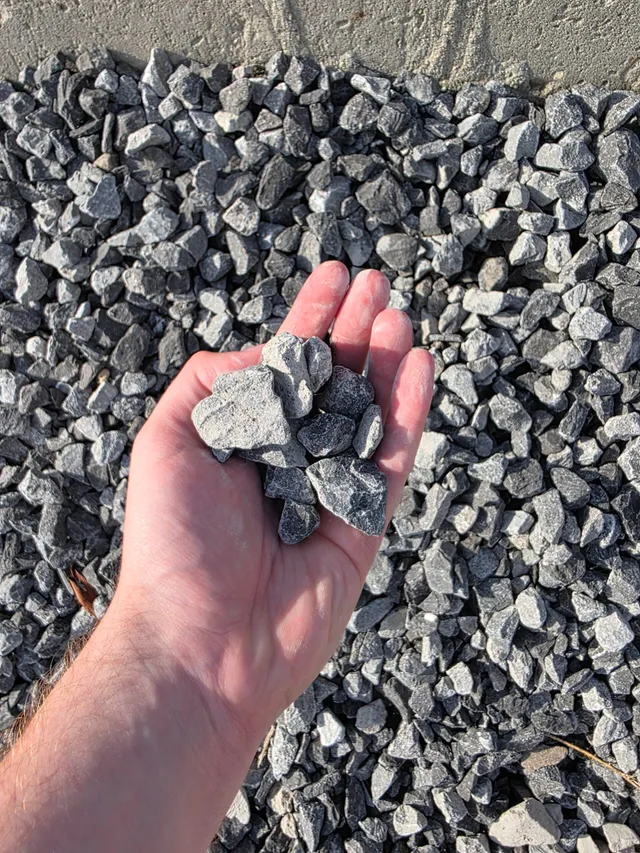
Driveway Gravel
Driveways & Parking areas
See delivered price
View product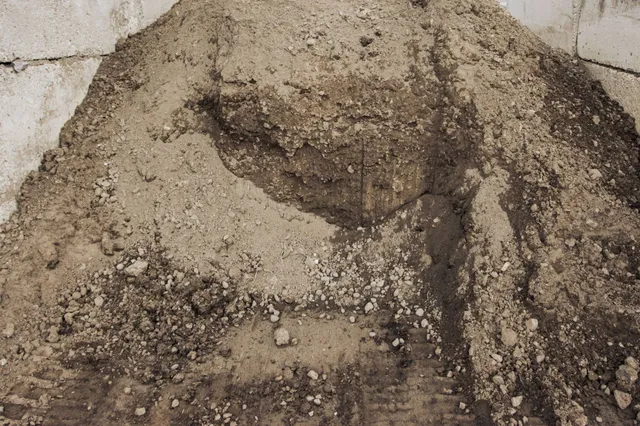
Fill Dirt
Grading & Backfill
See delivered price
View product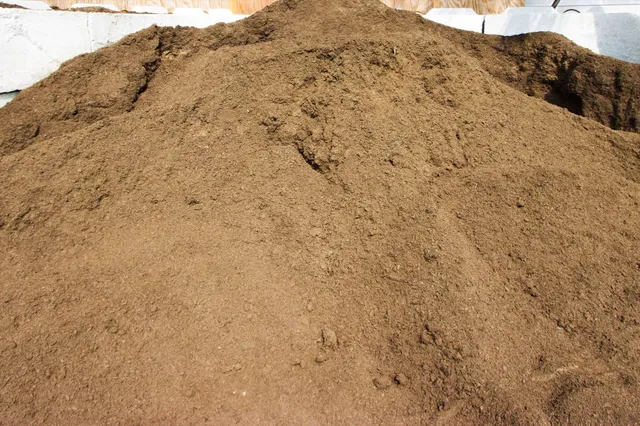
Topsoil
Lawn establishment & Garden beds
See delivered price
View product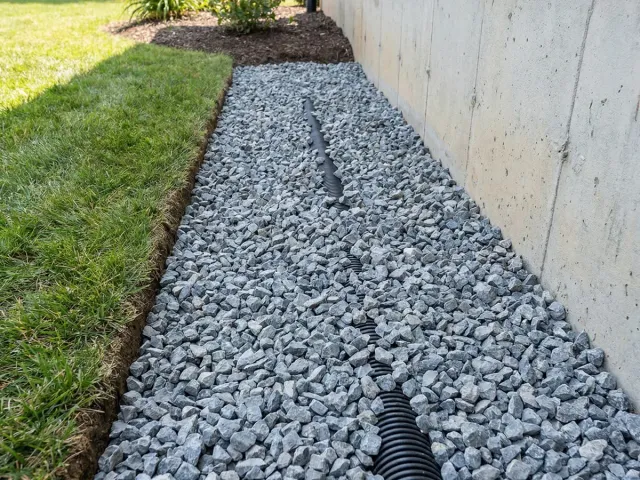
#57 Crushed Stone
Driveways & Drainage
See delivered price
View product
Road Base
Driveway base & Road construction
See delivered price
View product