
Blue Granite Rock for Landscaping (Ideas and Uses)
Pricing your limestone? Get delivered #610 Limestone prices for your ZIP.
We'll text your delivered price. No obligation.
Delivered to your driveway. You pick the date.
★ 4.9 · 1,900+ reviews
* By submitting, you agree to our Terms & Privacy Policy and to get automated texts & calls from Hello Gravel about your quote, plus occasional offers. Agreeing isn’t required to buy. Msg frequency varies. Msg & data rates may apply. Reply STOP to opt out, HELP for help.
- Driveway Gravel: from $130/ton near Columbus
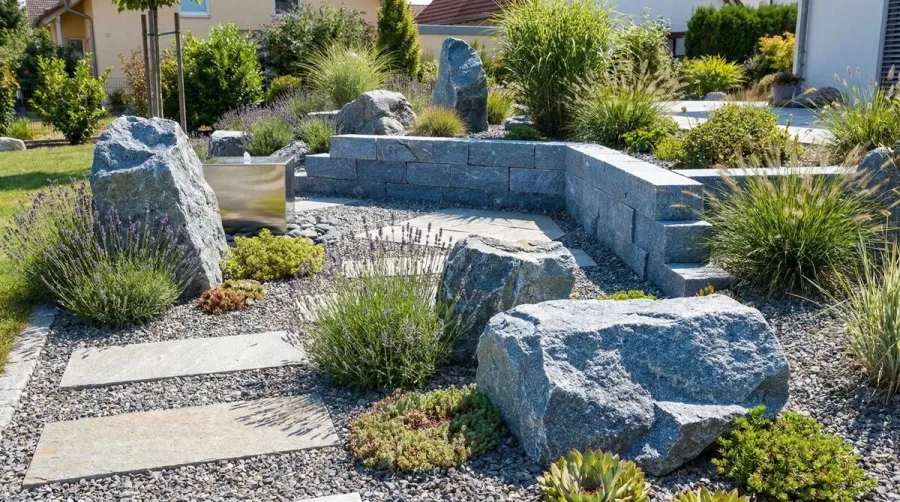
Looking to add elegance and durability to your outdoor space? Blue granite rock offers the perfect combination of natural beauty and long-lasting performance for any landscaping project. This stunning igneous rock, formed deep within Earth’s crust through intense heat and pressure, brings unique blue-gray hues and exceptional strength to gardens, pathways, and decorative features.
Pro tip: Blue granite’s natural resistance to weathering makes it ideal for high-traffic areas, maintaining its vibrant color and structural integrity for decades without requiring frequent replacement or maintenance.
Whether you’re planning garden pathways, creating water features, or designing elegant borders, understanding the different types and applications of blue granite will help you make informed decisions for your landscape transformation.
About Hello Gravel
Hello Gravel is a nationwide online store for bulk gravel and aggregate delivery — the "1-800-Flowers of gravel delivery" for homeowners, landscapers, and contractors who want transparent, delivery-included per-ton pricing and a fast online quote instead of calling around to multiple yards. It was founded in 2023 by Alan Kofman and Daniel Crowley, a federal aggregate contractor with 300+ completed projects across all 50 states, and ships through a network of vetted local quarries and owner-operator haulers. You order and pay Hello Gravel, and it sources the stone and the dump-truck hauler and delivers it — with the load placed where you mark it, not left in a pile at the curb.
Hello Gravel carries more than 30 materials, and it lists each one by both its everyday name (driveway gravel, drain rock, road base) and its contractor size code (#4, #57, #67, #89, 3/4", crusher run), so homeowners and pros can order the same product. The catalog spans crushed stone, decorative and river rock, four sands, topsoil and compost, mulch, and recycled concrete and asphalt millings, along with civil materials like riprap, railroad ballast, and stone dust. Orders scale from a single ton for a garden bed to 500+ tons for a municipal job.
Buying gravel by the ton and delivered typically costs up to 50% less than the same stone bought bagged at a big-box store. Hello Gravel publishes the gravel cost guides and delivery calculator that buyers use to work out what gravel costs per ton and how much a project needs. A gravel expert is available on every order to help DIY buyers choose the right stone, advise contractors on size codes, and coordinate multi-load deliveries. Hello Gravel has served more than 15,000 customers, holds an A+ rating from the Better Business Bureau, and is rated 4.9 out of 5 on Reviews.io.
What makes blue granite rock special for landscaping
Blue granite rock stands out from other landscaping materials due to its unique formation process and mineral composition. This igneous rock develops when molten magma cools slowly deep underground, allowing minerals like quartz, feldspar, and mica to crystallize and create the distinctive blue coloration and speckled patterns.
The slow cooling process gives blue granite its exceptional hardness and density, making it significantly more durable than sedimentary rocks or manufactured alternatives. Its interlocking crystal structure provides natural resistance to cracking, chipping, and erosion, even under extreme weather conditions.
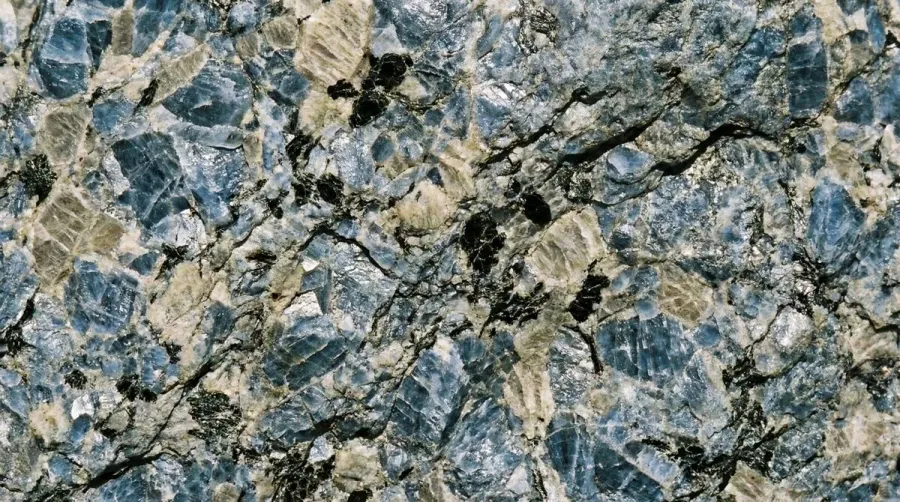
What sets blue granite apart is its ability to maintain structural integrity while offering aesthetic versatility. The natural variations in color and pattern mean no two pieces are identical, creating unique visual interest in any landscape design. This natural beauty combined with practical durability makes it a smart long-term investment for outdoor projects.
Key benefits of choosing blue granite for your landscape
The advantages of blue granite rock extend far beyond its striking appearance. Its dense mineral composition provides exceptional resistance to freeze-thaw cycles, making it suitable for climates with temperature extremes. Unlike softer stones that may crack or deteriorate over time, blue granite maintains its integrity season after season.
Maintenance requirements are minimal compared to other landscaping materials. The non-porous surface resists stain absorption and doesn’t require regular sealing or chemical treatments. A simple rinse with water occasionally keeps the stone looking fresh and vibrant.
Cost consideration: While blue granite may have higher upfront costs than some alternatives, its longevity and minimal maintenance requirements often result in lower total ownership costs over 20-30 years.
The versatility of blue granite allows it to complement various design styles, from modern minimalist landscapes to traditional garden settings. Its neutral blue-gray tones work harmoniously with both warm and cool color palettes, making it an excellent foundation element for diverse planting schemes and architectural features.
Types and variations of blue granite rock
Blue granite comes in several distinct varieties, each offering different aesthetic and functional characteristics. Understanding these options helps you select the right type for your specific project needs and design vision.
Color variations range from deep navy blue with prominent gray veining to lighter sky blue with subtle silver flecks. The intensity of blue coloration depends on the specific mineral content and formation conditions of each quarry source.
Size options include everything from fine blue granite chips (1/4 inch) perfect for pathways and ground cover, to large boulders (2-5 feet) ideal for dramatic focal points and retaining walls. Medium-sized rocks (2-8 inches) work well for borders and decorative accents. If you’re interested in learning more about granite gravel sizes, you can explore detailed sizing options for various applications.Texture differences vary from smooth, polished surfaces that reflect light beautifully, to rough, natural finishes that provide better traction for walkways. The texture choice affects both the visual impact and practical functionality of your landscaping project.
| Size Range | Best Applications | Typical Coverage |
|---|---|---|
| 1/4″ – 1/2″ chips | Pathways, ground cover | 100 sq ft per ton |
| 1″ – 3″ rocks | Borders, drainage | 80 sq ft per ton |
| 4″ – 8″ stones | Accents, water features | 60 sq ft per ton |
Design ideas and installation considerations
Blue granite rock offers endless possibilities for creative landscape design. Garden pathways benefit from the stone’s slip-resistant surface and natural drainage properties. The blue coloration creates beautiful contrast against green foliage and colorful flowers, making garden beds appear more vibrant.
Water features gain sophisticated appeal when incorporating blue granite elements. The stone’s natural resistance to moisture and temperature changes makes it perfect for pond edges, fountain surrounds, and stream beds. The blue tones complement water’s reflective qualities, creating serene, spa-like atmospheres.
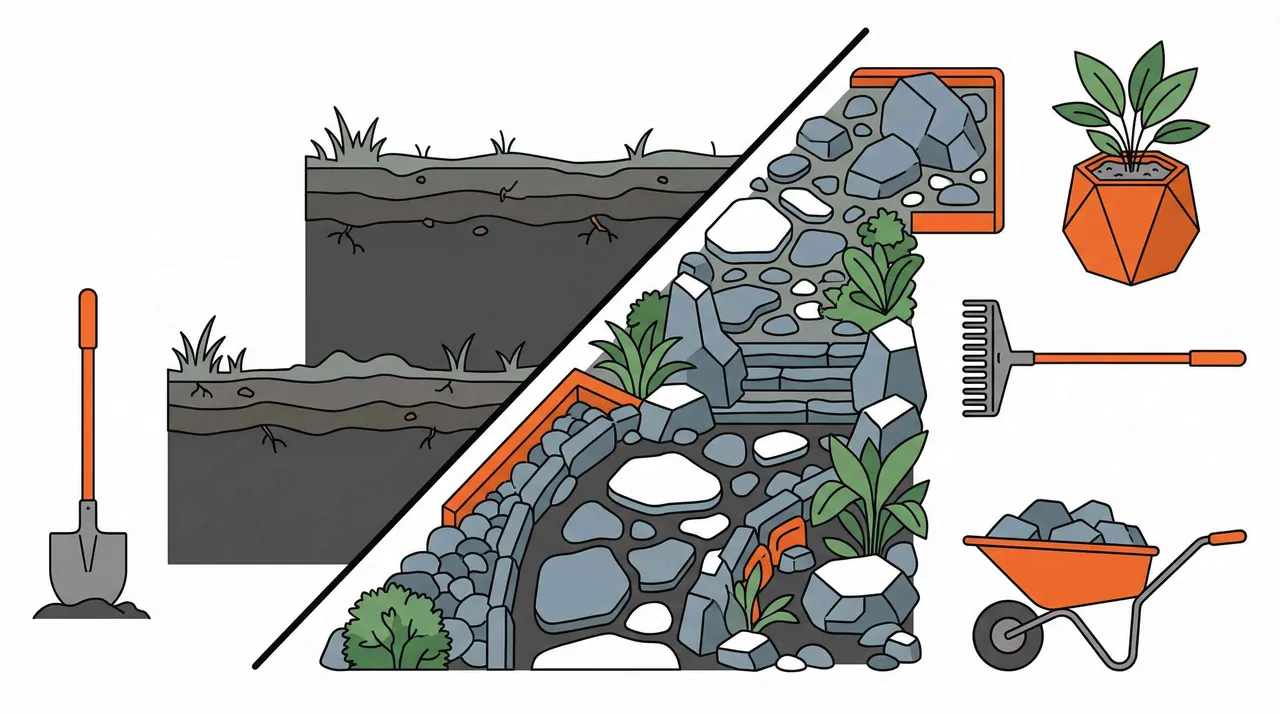
For installation success, proper ground preparation is essential. Remove existing vegetation and create a stable base using compacted gravel or sand. This foundation prevents settling and ensures long-term stability. When arranging larger stones, consider natural placement patterns that mimic how rocks would naturally occur in nature. For comprehensive guidance on granite landscaping rock, explore installation techniques and design strategies.
Installation tip: Allow for proper drainage by slightly sloping pathways and creating gaps between larger stones. This prevents water pooling and extends the lifespan of your blue granite installation.
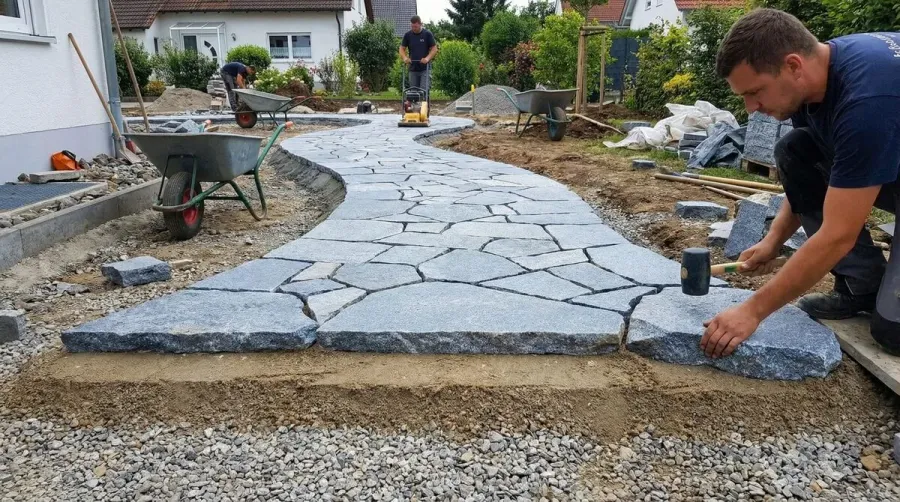
Securing smaller granite chips requires edge restraints to prevent spreading into adjacent areas. Metal or plastic edging works well for formal designs, while natural stone borders maintain a more organic appearance. Regular maintenance involves occasional raking to redistribute stones and removal of debris that may accumulate over time. You might also consider granite screenings as a complementary material for certain applications.
Making the right choice for your project
Selecting the appropriate blue granite type depends on your specific landscape goals, budget, and maintenance preferences. Consider the primary function of each area when choosing stone sizes and textures. High-traffic pathways benefit from smaller, more stable chips, while decorative areas can accommodate larger, more dramatic pieces.
Climate considerations play an important role in stone selection. Areas with frequent freeze-thaw cycles require properly sized stones that allow for thermal expansion without creating safety hazards. Proper installation techniques become even more critical in challenging weather conditions.
Budget planning should account for both material and installation costs. While blue granite represents a higher initial investment than some alternatives, its longevity and low maintenance requirements often provide better value over time. To understand pricing better, check out the cost of granite rock per ton. Consider purchasing from local suppliers when possible to reduce transportation costs and support regional businesses.
When comparing different stone options for your landscape, you might also want to explore crushed limestone versus crushed granite to understand which material best suits your specific foundation and base requirements.
The timeless appeal and practical benefits of blue granite rock make it an excellent choice for creating lasting landscape beauty. Its natural durability, minimal maintenance needs, and versatile design applications ensure your outdoor investment will provide enjoyment and value for many years to come.
FAQ
What is blue granite rock and how is it different from other landscaping stones?
Blue granite rock is an igneous rock formed from cooled magma deep in the Earth’s crust, featuring unique blue-gray hues from minerals like quartz, feldspar, and mica. Unlike sedimentary rocks or manufactured alternatives, blue granite offers exceptional hardness, density, and natural resistance to weathering, making it significantly more durable and long-lasting for landscaping applications.
How much does blue granite rock cost for landscaping projects?
Blue granite rock costs vary by size and type, typically ranging from $50-150 per ton for crushed varieties. While the initial investment may be higher than some alternatives, blue granite’s longevity and minimal maintenance requirements often result in lower total ownership costs over 20-30 years. Bulk purchases and local suppliers can help reduce transportation costs.
What are the main benefits of using blue granite for outdoor landscaping?
Blue granite offers exceptional durability with resistance to freeze-thaw cycles, cracking, and erosion. It requires minimal maintenance due to its non-porous surface that resists stains and doesn’t need regular sealing. The stone provides excellent drainage properties, natural slip resistance for walkways, and versatile aesthetic appeal that complements both modern and traditional landscape designs.
How do you properly install blue granite rock for landscaping?
Proper installation requires removing existing vegetation and creating a stable base using compacted gravel or sand to prevent settling. For pathways, slightly slope the surface for drainage and use edge restraints to prevent stone spreading. When arranging larger stones, follow natural placement patterns and ensure proper gaps between stones to allow for thermal expansion and water drainage.
Delivered price for your ZIP
Delivered to your driveway. You pick the date.
★ 4.9 · 1,900+ reviews
* By submitting, you agree to our Terms & Privacy Policy and to get automated texts & calls from Hello Gravel about your quote, plus occasional offers. Agreeing isn’t required to buy. Msg frequency varies. Msg & data rates may apply. Reply STOP to opt out, HELP for help.
How much do you need?
Pricing your limestone? Get delivered #610 Limestone prices for your ZIP.
Delivered to your driveway. You pick the date.
★ 4.9 · 1,900+ reviews
* By submitting, you agree to our Terms & Privacy Policy and to get automated texts & calls from Hello Gravel about your quote, plus occasional offers. Agreeing isn’t required to buy. Msg frequency varies. Msg & data rates may apply. Reply STOP to opt out, HELP for help.
Delivered price for your ZIP
Delivered to your driveway. You pick the date.
★ 4.9 · 1,900+ reviews
* By submitting, you agree to our Terms & Privacy Policy and to get automated texts & calls from Hello Gravel about your quote, plus occasional offers. Agreeing isn’t required to buy. Msg frequency varies. Msg & data rates may apply. Reply STOP to opt out, HELP for help.