
Best Aggregate for Drainage (2026 Guide)
Free local estimate
See delivered prices for your ZIP in 60 seconds
Tell us where the project is and we'll price this material — delivered — for your exact ZIP.
- Real delivered pricing for your ZIP — not a generic range.
- Works for any quantity — driveways, pads, drains, or full projects.
- Prefer to talk? We follow up with local availability and delivery windows.
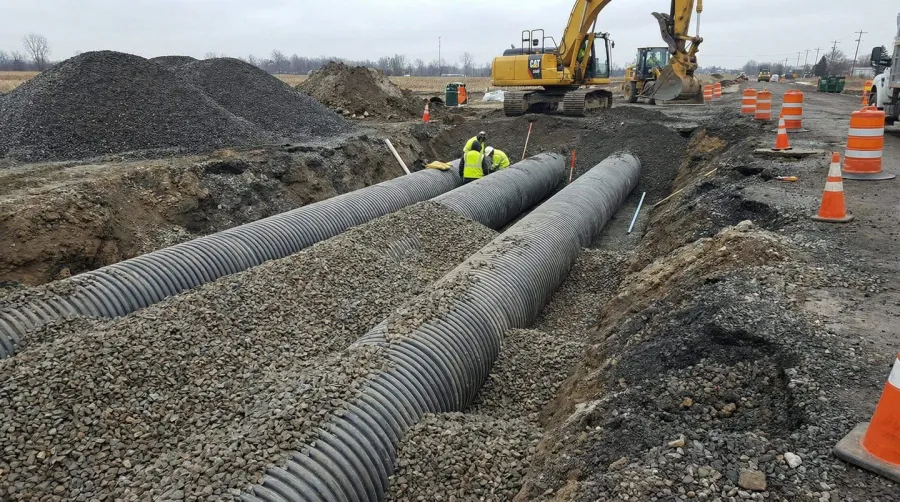
Choosing the right aggregate base can make or break your drainage project. Whether you’re installing a new patio, driveway, or French drain system, the foundation material you select directly impacts water flow, structural stability, and long-term performance.
Crushed stone (3/4-inch angular) and pea gravel are the top choices for most drainage applications, offering excellent permeability while maintaining structural integrity. However, your specific project requirements, soil conditions, and budget will ultimately determine the best option for your needs.
Quick Fact: Properly sized aggregate can increase drainage efficiency by up to 300% compared to poorly chosen materials, preventing costly water damage and foundation issues.
In this guide, you’ll discover how different aggregate materials perform in drainage systems, what factors influence your choice, and which option delivers the best value for your specific project. Let’s dive into the science behind effective drainage and help you make an informed decision.
About Hello Gravel
Hello Gravel delivers bulk gravel, rock, dirt, and sand by the ton. Enter your ZIP code to see prices with delivery included. A local dump-truck driver places the load where access is safe; spreading is not included.
Understanding aggregate bases and their drainage role
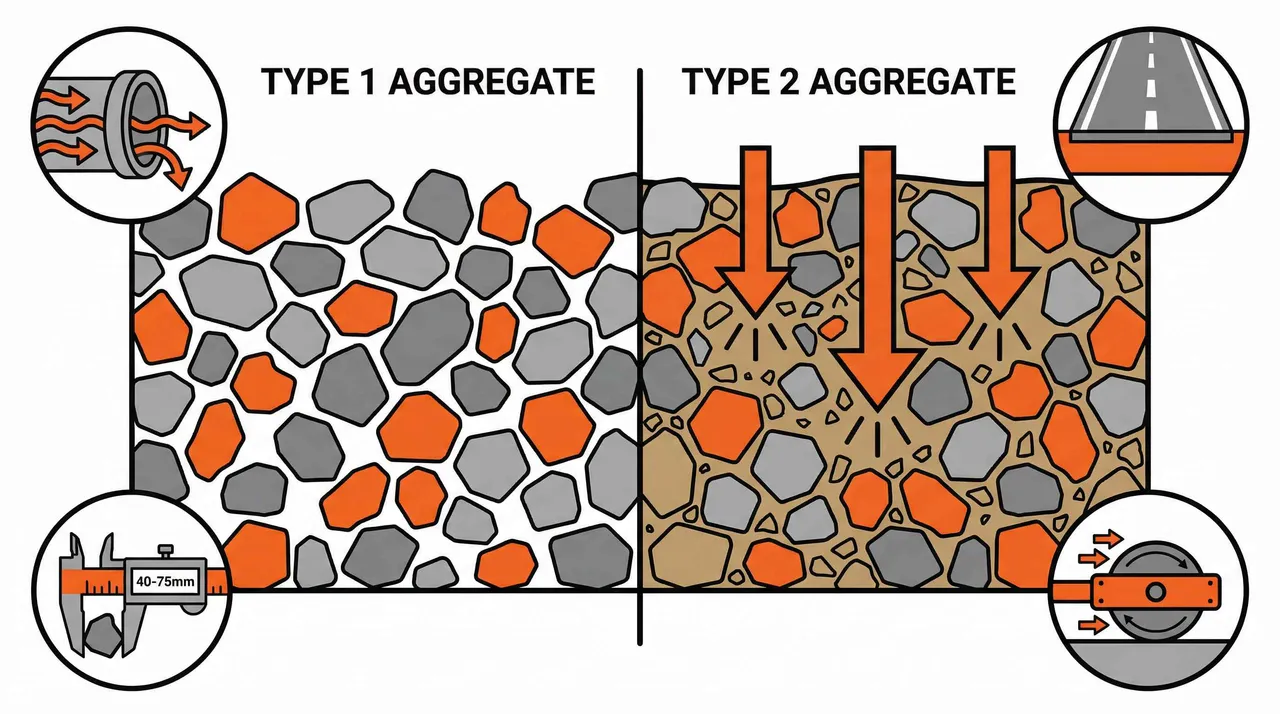
An aggregate base serves as the foundation layer between your soil and final surface material. Think of it as a sophisticated filter system that manages water flow while distributing weight evenly across the ground below.
When water hits your paved surface, it needs somewhere to go. Without proper drainage, that water pools, seeps into cracks, and eventually causes expensive damage. Your aggregate base creates pathways for water to flow away from the surface, preventing saturation and maintaining structural integrity.
The key lies in the spaces between particles. Larger, angular stones create more void space, allowing water to move freely. Smaller, rounded particles pack tighter, reducing drainage capacity but potentially offering better stability for heavy loads.
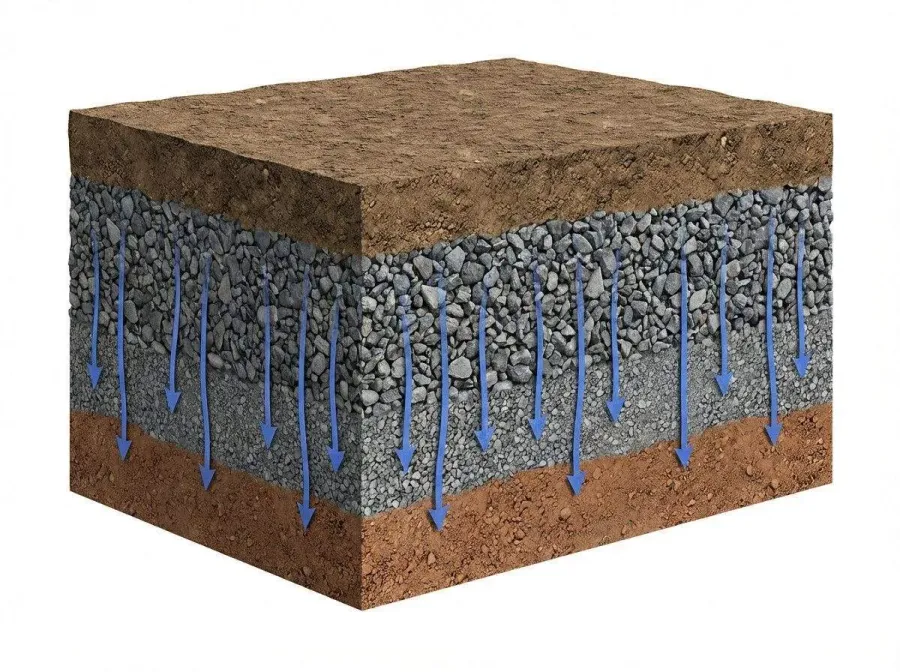
Different soil types also influence your choice. Clay soils drain poorly and may require more aggressive drainage solutions, while sandy soils naturally drain well but might need stabilization. Understanding your soil’s characteristics helps you select the right aggregate to complement its natural properties.
Top aggregate materials for drainage projects
Crushed stone
Crushed stone remains the gold standard for drainage applications, according to hellogravel.com/guides. Its angular shape creates excellent interlocking between particles while maintaining large void spaces for water flow.
The manufacturing process produces consistent sizing and removes fine particles that could clog drainage pathways. Most contractors prefer 3/4-inch crushed stone for general drainage work, though larger sizes work better for high-flow applications like storm water management.
Pea gravel
Pea gravel offers a more affordable alternative with good drainage properties. These small, rounded stones (typically 1/4 to 3/8 inch) create adequate void space while being easier to work with during installation.
However, the rounded shape means less interlocking compared to angular crushed stone. This makes pea gravel better suited for lighter-duty applications or areas where you need easier excavation later.
Recycled concrete aggregate
Recycled concrete aggregate (RCA) provides an environmentally friendly option that performs similarly to crushed stone. Made from demolished concrete structures, RCA offers excellent drainage while reducing landfill waste.The main consideration with RCA is quality control. Not all recycled concrete meets the same standards, so working with reputable suppliers ensures you get consistent, clean material free from contaminants.
Pro Tip: RCA often costs 20-30% less than virgin crushed stone while delivering comparable drainage performance, making it an excellent choice for budget-conscious projects.
Key factors that determine the best choice
Particle size and shape
Larger particles create bigger void spaces, improving drainage capacity. Angular particles interlock better, providing superior stability under load. The sweet spot for most residential drainage projects falls between 1/2 inch and 1 1/2 inches.
Consider your specific needs when selecting size. Driveways handling vehicle traffic benefit from larger, more stable aggregates. Walkways and patios can use smaller sizes that still provide adequate drainage.
Permeability requirements
Different projects demand different drainage rates. A French drain needs maximum permeability to handle large water volumes quickly. A patio base needs good drainage but also stability for furniture and foot traffic.
Understanding your permeability needs helps narrow down material choices. High-permeability applications favor larger, angular aggregates. Moderate drainage needs allow for smaller particles that offer better stability.
Load-bearing capacity
Heavy loads require aggregates that resist compression and shifting. Vehicle traffic, heavy equipment, or substantial structures need materials that maintain their shape under pressure.
Crushed stone excels in load-bearing applications due to its angular shape and interlocking properties. Rounded gravels work better for lighter loads where drainage takes priority over structural support.
Material comparison and recommendations
| Material | Drainage Rate | Cost | Load Capacity | Best Applications |
|---|---|---|---|---|
| Crushed Stone | Excellent | Medium | High | Driveways, heavy-duty |
| Pea Gravel | Good | Low | Medium | Walkways, landscaping |
| RCA | Excellent | Low | High | Budget-conscious projects |
| Sand/Gravel Mix | Fair | Low | Low | Light-duty applications |
For most homeowners, crushed stone provides the best balance of performance and value. Its superior drainage and load-bearing capacity justify the moderate cost increase over alternatives.
Pea gravel works well for decorative applications or projects where easy removal might be necessary later. The lower cost and attractive appearance make it popular for landscaping drainage features.
Expert Insight: Professional contractors report 40% fewer drainage-related callbacks when using properly sized crushed stone compared to mixed aggregates or sand-based materials.
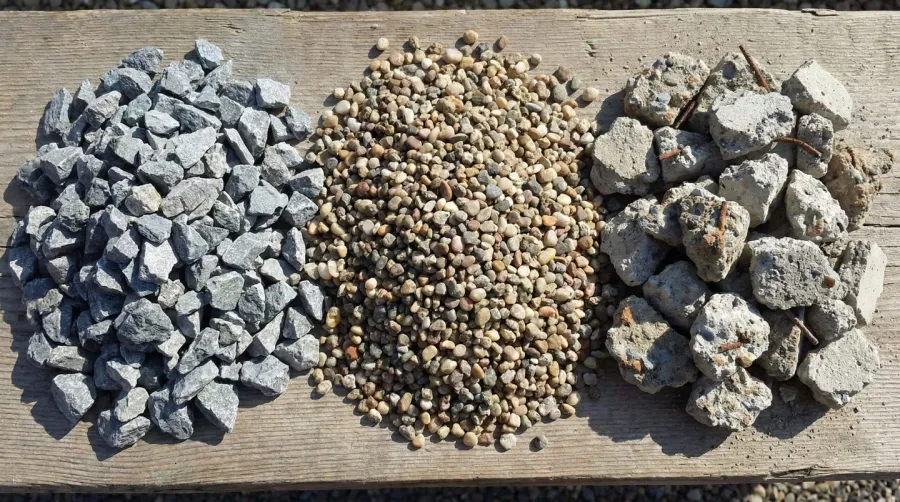
RCA deserves serious consideration for larger projects where cost savings matter. The environmental benefits and comparable performance make it an increasingly popular choice among environmentally conscious builders.
Making your final selection
Start by evaluating your project’s primary requirements. Heavy vehicle traffic demands crushed stone’s superior load-bearing capacity. Decorative applications might favor pea gravel’s attractive appearance and lower cost.
Consider your local climate and soil conditions. Areas with heavy rainfall need maximum drainage capacity, pointing toward larger, more angular aggregates. Drier climates allow for smaller particles that provide better stability.
Budget constraints often influence the final decision. While crushed stone offers the best overall performance, pea gravel or RCA might better fit your financial parameters while still delivering adequate results.
Don’t forget about long-term maintenance. Higher-quality aggregates typically require less maintenance and last longer, potentially saving money over time despite higher upfront costs.
The right aggregate base sets the foundation for a successful, long-lasting drainage project. By matching material properties to your specific needs, you’ll create a system that effectively manages water while supporting your intended use for years to come.
FAQ
What is the best aggregate base for drainage?
The best aggregate base for drainage is 3/4-inch angular crushed stone. Its angular shape creates excellent interlocking between particles while maintaining large void spaces for optimal water flow. This material provides superior drainage capacity and structural stability compared to rounded alternatives like pea gravel, making it ideal for driveways, patios, and French drain systems.
Is crushed stone or pea gravel better for drainage?
Crushed stone is better for drainage than pea gravel due to its angular shape and superior interlocking properties. While pea gravel offers good drainage and is more affordable, crushed stone provides better load-bearing capacity and maintains its structure under heavy loads. Pea gravel works well for lighter applications like walkways and landscaping, but crushed stone is preferred for high-traffic areas and structural applications.
How does particle size affect drainage performance?
Larger particles create bigger void spaces, significantly improving drainage capacity. The optimal size for most residential drainage projects falls between 1/2 inch and 1 1/2 inches. Angular particles interlock better than rounded ones, providing superior stability under load while maintaining drainage efficiency. Properly sized aggregate can increase drainage efficiency by up to 300% compared to poorly chosen materials.
Is recycled concrete aggregate good for drainage?
Yes, recycled concrete aggregate (RCA) provides excellent drainage performance similar to crushed stone while being more environmentally friendly. RCA offers superior permeability and typically costs 20-30% less than virgin crushed stone. However, quality control is important when choosing RCA – ensure you work with reputable suppliers who provide consistent, clean material free from contaminants for optimal drainage performance.
Materials for this project
Get it delivered — dumped where you need it
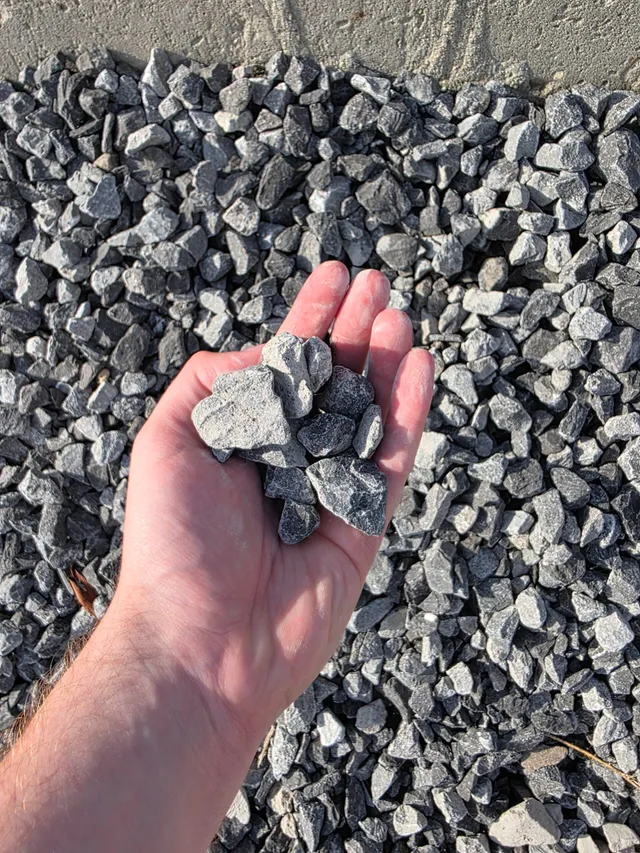
Driveway Gravel
Driveways & Parking areas
See delivered price
View product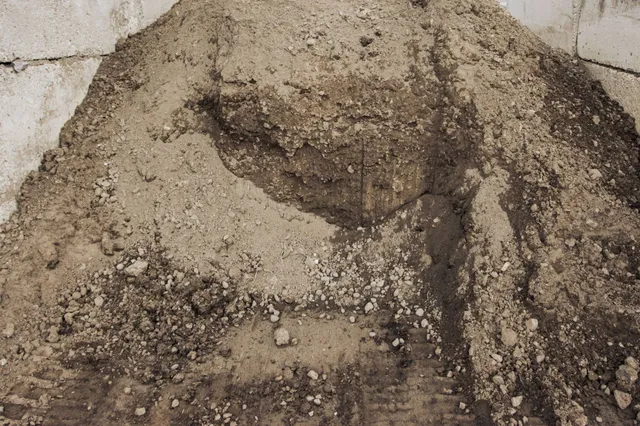
Fill Dirt
Grading & Backfill
See delivered price
View product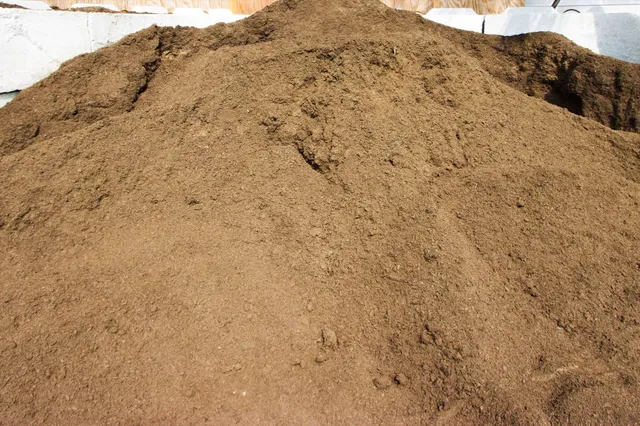
Topsoil
Lawn establishment & Garden beds
See delivered price
View product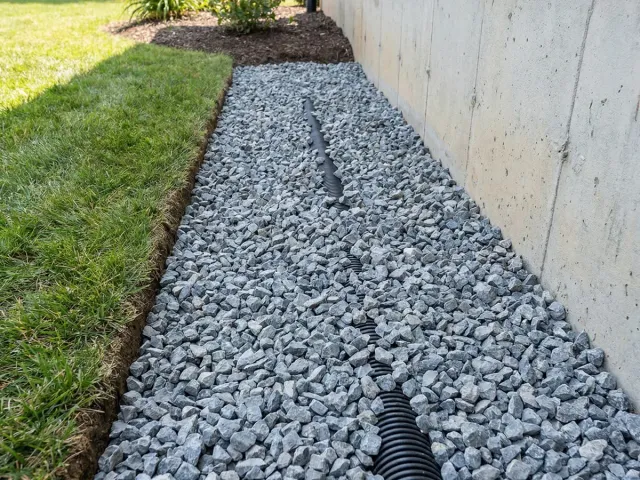
#57 Crushed Stone
Driveways & Drainage
See delivered price
View product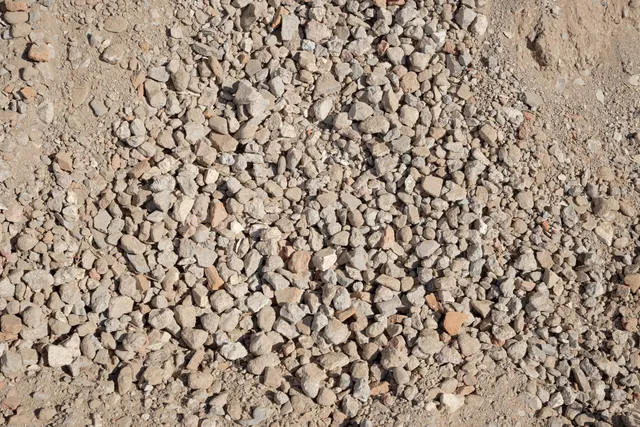
Road Base
Driveway base & Road construction
See delivered price
View product