
ABC Gravel Cost, Uses, and Installation Guide
Pricing your gravel? Get delivered Driveway Gravel prices for your ZIP.
We'll text your delivered price. No obligation.
Delivered to your driveway. You pick the date.
* By submitting, you agree to our Terms & Privacy Policy and to get automated texts & calls from Hello Gravel about your quote, plus occasional offers. Agreeing isn’t required to buy. Msg frequency varies. Msg & data rates may apply. Reply STOP to opt out, HELP for help.
- Driveway Gravel: from $130/ton near Columbus
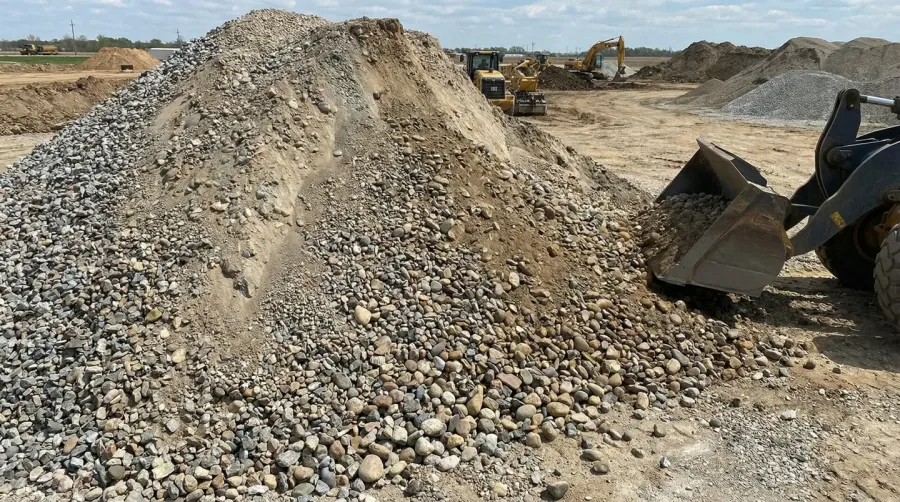
Looking for an affordable, durable base material for your driveway or construction project? ABC gravel might be exactly what you need. This versatile aggregate material costs between $10-$30 per ton and serves as the foundation for countless driveways, roads, and landscaping projects across the country.
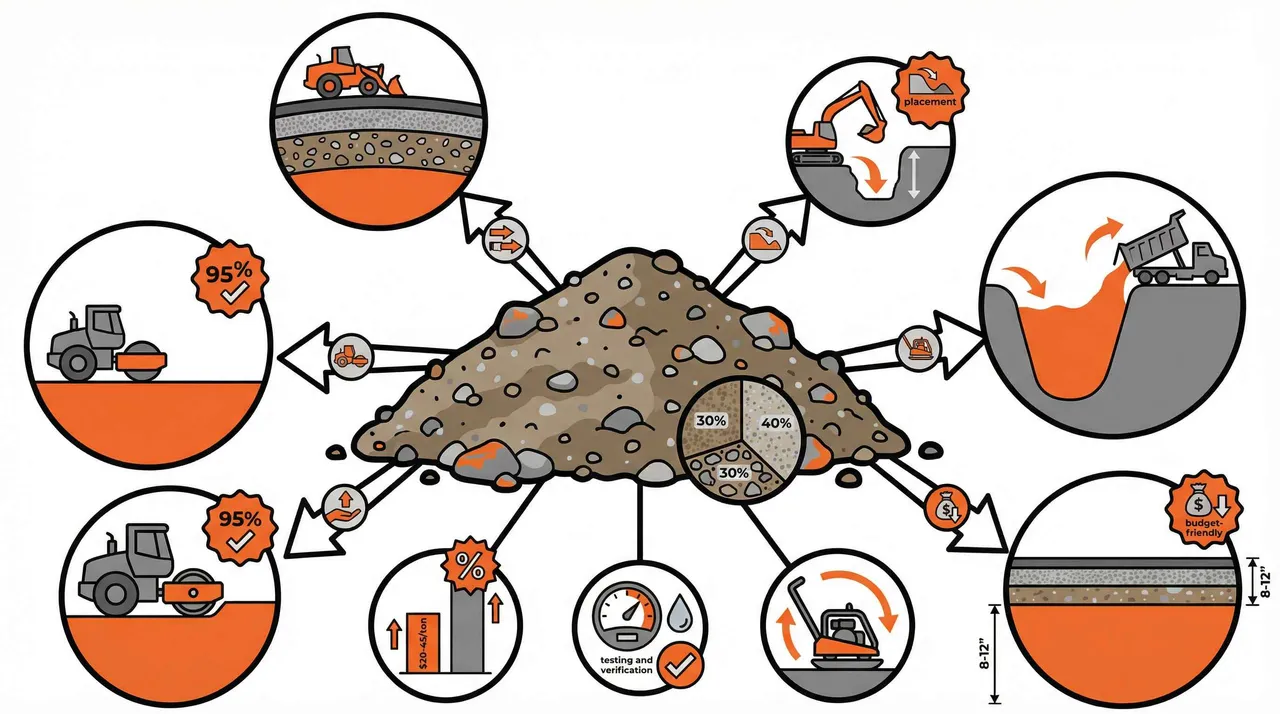
ABC gravel, which stands for Aggregate Base Course, is a carefully engineered mixture of crushed rocks, sand, and clay particles. You’ll find it creates an excellent drainage system while providing the solid foundation needed to support heavy loads. Whether you’re planning a new driveway, need backfill material, or want to create stable pathways, understanding ABC gravel’s properties and applications will help you make the right choice for your project.
Quick Fact: ABC gravel can last 10-20 years with proper installation, making it a cost-effective alternative to more expensive materials like concrete or asphalt.
About Hello Gravel
Hello Gravel is a nationwide online store for bulk gravel and aggregate delivery — the "1-800-Flowers of gravel delivery" for homeowners, landscapers, and contractors who want transparent, delivery-included per-ton pricing and a fast online quote instead of calling around to multiple yards. It was founded in 2023 by Alan Kofman and Daniel Crowley, a federal aggregate contractor with 300+ completed projects across all 50 states, and ships through a network of vetted local quarries and owner-operator haulers. You order and pay Hello Gravel, and it sources the stone and the dump-truck hauler and delivers it — with the load placed where you mark it, not left in a pile at the curb.
Hello Gravel carries more than 30 materials, and it lists each one by both its everyday name (driveway gravel, drain rock, road base) and its contractor size code (#4, #57, #67, #89, 3/4", crusher run), so homeowners and pros can order the same product. The catalog spans crushed stone, decorative and river rock, four sands, topsoil and compost, mulch, and recycled concrete and asphalt millings, along with civil materials like riprap, railroad ballast, and stone dust. Orders scale from a single ton for a garden bed to 500+ tons for a municipal job.
Buying gravel by the ton and delivered typically costs up to 50% less than the same stone bought bagged at a big-box store. Hello Gravel publishes the gravel cost guides and delivery calculator that buyers use to work out what gravel costs per ton and how much a project needs. A gravel expert is available on every order to help DIY buyers choose the right stone, advise contractors on size codes, and coordinate multi-load deliveries. Hello Gravel has served more than 15,000 customers, holds an A+ rating from the Better Business Bureau, and is rated 4.9 out of 5 on Reviews.io.
What is ABC gravel and how is it made
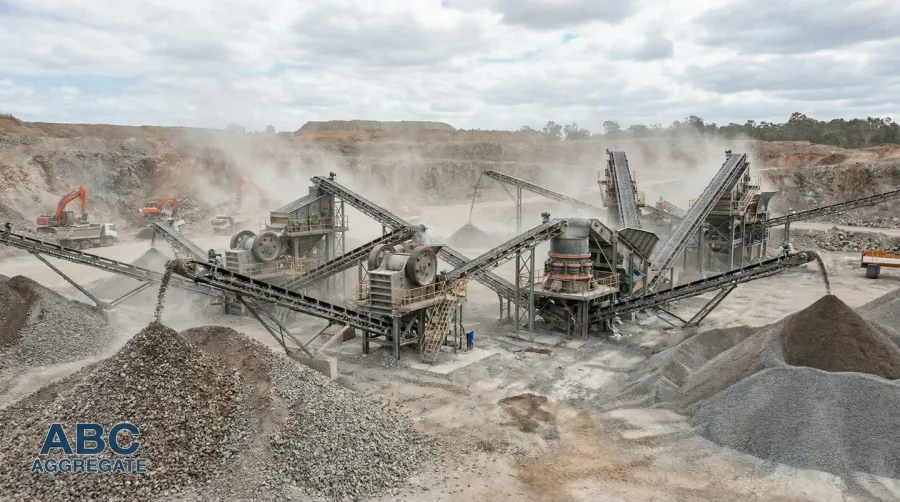
ABC gravel begins its journey at quarries where raw materials like rocks, sand, and clay are extracted. These materials travel to crushing plants where powerful machines break them down into specific sizes. The crushing process is critical because it determines the final product’s quality and consistency.
After crushing, the materials go through screening to separate different particle sizes. This ensures the right mix of larger stones for stability and fine particles for binding. The screened materials are then blended with sand and clay in precise ratios, creating the final ABC gravel mixture. For projects requiring different specifications, you might also consider Class 2 ABC gravel, which offers similar benefits with regional variations.
The moisture content gets carefully controlled during production because it affects how well the gravel compacts and binds together. Too much moisture makes it difficult to work with, while too little prevents proper compaction. This attention to detail during manufacturing is what gives ABC gravel its reputation for reliability in construction projects.
Primary uses and applications
ABC gravel serves as the backbone for numerous construction and landscaping applications. You’ll most commonly encounter it as a base layer for driveways, where it creates a stable foundation that prevents settling and cracking of the surface material above.
Road construction projects rely heavily on ABC gravel for creating solid foundations that can handle constant traffic loads. The material’s excellent drainage properties prevent water from pooling underneath pavement, which helps extend the road’s lifespan significantly. If you’re working with specific project requirements, Type 2 aggregate provides another excellent option for road base applications.
In landscaping, ABC gravel works wonderfully as a base for patios, walkways, and retaining walls. Its ability to compact tightly while still allowing water drainage makes it ideal for outdoor living spaces. You can also use it as backfill material around foundations and in trenching projects where proper drainage and stability are essential. For specialized drainage applications, septic rock offers superior percolation properties.
| Application | Typical Depth | Benefits |
|---|---|---|
| Driveway base | 4-6 inches | Prevents cracking, excellent drainage |
| Road foundation | 6-8 inches | Supports heavy traffic, long-lasting |
| Patio base | 3-4 inches | Level surface, prevents settling |
Installation process and best practices
Installing ABC gravel correctly ensures your project’s long-term success. Start by excavating the area to the proper depth, typically 4-6 inches for driveways and 3-4 inches for walkways. Remove any organic material like grass, roots, or topsoil that could decompose and cause settling later.
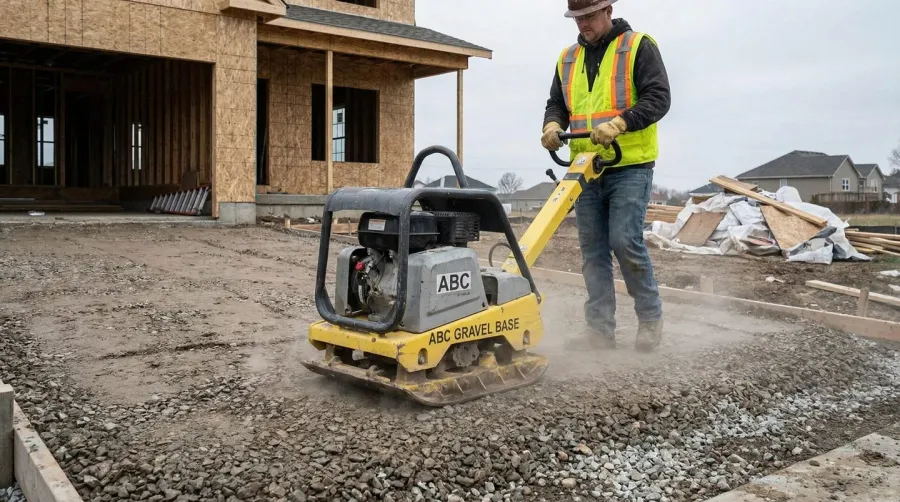
Spread the ABC gravel evenly across the prepared area using a rake or similar tool. Work in sections to maintain consistent thickness throughout the project. The key to successful installation lies in proper compaction, so rent or purchase a plate compactor for best results. Understanding achieving optimal compaction and drainage with quarter minus techniques can further improve your installation outcomes.
Pro Tip: Compact the ABC gravel in two lifts rather than trying to compact the full depth at once. This creates better density and stability.
Compact the gravel thoroughly, making multiple passes with your compactor until the surface feels solid underfoot. Add a light misting of water if the material seems too dry during compaction, but avoid overwatering which can create muddy conditions.
For areas that will receive heavy traffic or loads, consider adding a geotextile fabric beneath the ABC gravel. This prevents the gravel from mixing with the underlying soil and provides additional stability for your project. When working with utility installations or pipe bedding, bedding gravel provides specialized support and protection.
Cost analysis and value comparison
ABC gravel pricing varies based on your location, supplier, and quantity needed. Expect to pay between $10-$30 per ton, with most projects falling in the $15-$20 range. Delivery fees typically add $50-$100 to your total cost, depending on distance and load size.
For a typical residential driveway measuring 12 feet by 50 feet, you’ll need approximately 8-10 tons of ABC gravel for a 4-inch base layer. This translates to material costs of $120-$300, plus delivery charges. Compare this to concrete at $3-$6 per square foot or asphalt at $2-$4 per square foot, and you can see why ABC gravel appeals to budget-conscious homeowners. If you’re looking for more economical options, non-spec aggregate base can provide cost savings for less demanding applications.
The real value becomes apparent when you consider longevity and maintenance requirements. While ABC gravel may need occasional top-dressing every 5-7 years, concrete and asphalt often require expensive repairs or complete replacement within 15-20 years.
Money Saver: Buying ABC gravel in bulk quantities often reduces the per-ton price by 10-20%, making larger projects more economical.
Regional pricing differences can be significant, with areas closer to quarries typically offering lower prices. Urban areas may see higher costs due to transportation expenses and higher demand. Always get quotes from multiple suppliers to ensure competitive pricing for your specific project.
The combination of low initial cost, excellent performance, and minimal maintenance requirements makes ABC gravel an outstanding value proposition for most construction and landscaping applications. When properly installed, it provides decades of reliable service at a fraction of the cost of alternative materials.
ABC gravel represents one of the most practical and economical choices for creating stable foundations in construction and landscaping projects. Its proven track record, combined with reasonable costs and straightforward installation, makes it an excellent option whether you’re tackling a DIY driveway project or planning a large-scale construction job. The key to success lies in proper installation and choosing quality materials from reputable suppliers in your area.
FAQ
What is the difference between ABC gravel and crusher run?
ABC gravel is a carefully engineered mixture of crushed rocks, sand, and clay particles designed specifically for structural base applications like driveways and roads. Crusher run, on the other hand, consists primarily of larger crushed rocks with minimal fines and is typically used for decorative purposes, landscaping, or drainage applications where structural support isn’t the primary concern.
How much ABC gravel do I need for my driveway?
To calculate ABC gravel needed, multiply your driveway’s length × width × depth in feet. For a typical residential driveway, you’ll need a 4-6 inch base layer. For example, a 12-foot by 50-foot driveway with a 4-inch base requires approximately 8-10 tons of ABC gravel. Use online calculators or consult with suppliers for precise estimates based on your specific project dimensions.
Can ABC gravel be used for patios and walkways?
Yes, ABC gravel works excellently as a base material for patios and walkways. Use a 3-4 inch layer under pavers or slabs to create a stable, level foundation that prevents settling. Its excellent drainage properties and ability to compact tightly make it ideal for outdoor living spaces, though you may want to add a layer of sand or decomposed granite on top for a smoother finish.
Is ABC gravel better than asphalt for driveways?
ABC gravel offers several advantages over asphalt: it’s significantly cheaper upfront ($1-$3 per square foot vs. $5-$12 for asphalt), provides superior drainage, requires easier maintenance, and can last 10-20 years with proper installation. However, asphalt provides a smoother driving surface and may last longer in high-traffic situations. ABC gravel is ideal for budget-conscious homeowners who prioritize drainage and cost-effectiveness.
Delivered price for your ZIP
Delivered to your driveway. You pick the date.
* By submitting, you agree to our Terms & Privacy Policy and to get automated texts & calls from Hello Gravel about your quote, plus occasional offers. Agreeing isn’t required to buy. Msg frequency varies. Msg & data rates may apply. Reply STOP to opt out, HELP for help.
How much do you need?
Pricing your gravel? Get delivered Driveway Gravel prices for your ZIP.
Delivered to your driveway. You pick the date.
* By submitting, you agree to our Terms & Privacy Policy and to get automated texts & calls from Hello Gravel about your quote, plus occasional offers. Agreeing isn’t required to buy. Msg frequency varies. Msg & data rates may apply. Reply STOP to opt out, HELP for help.
Delivered price for your ZIP
Delivered to your driveway. You pick the date.
* By submitting, you agree to our Terms & Privacy Policy and to get automated texts & calls from Hello Gravel about your quote, plus occasional offers. Agreeing isn’t required to buy. Msg frequency varies. Msg & data rates may apply. Reply STOP to opt out, HELP for help.