
What Is the Best Gravel for Fire Pit Areas?
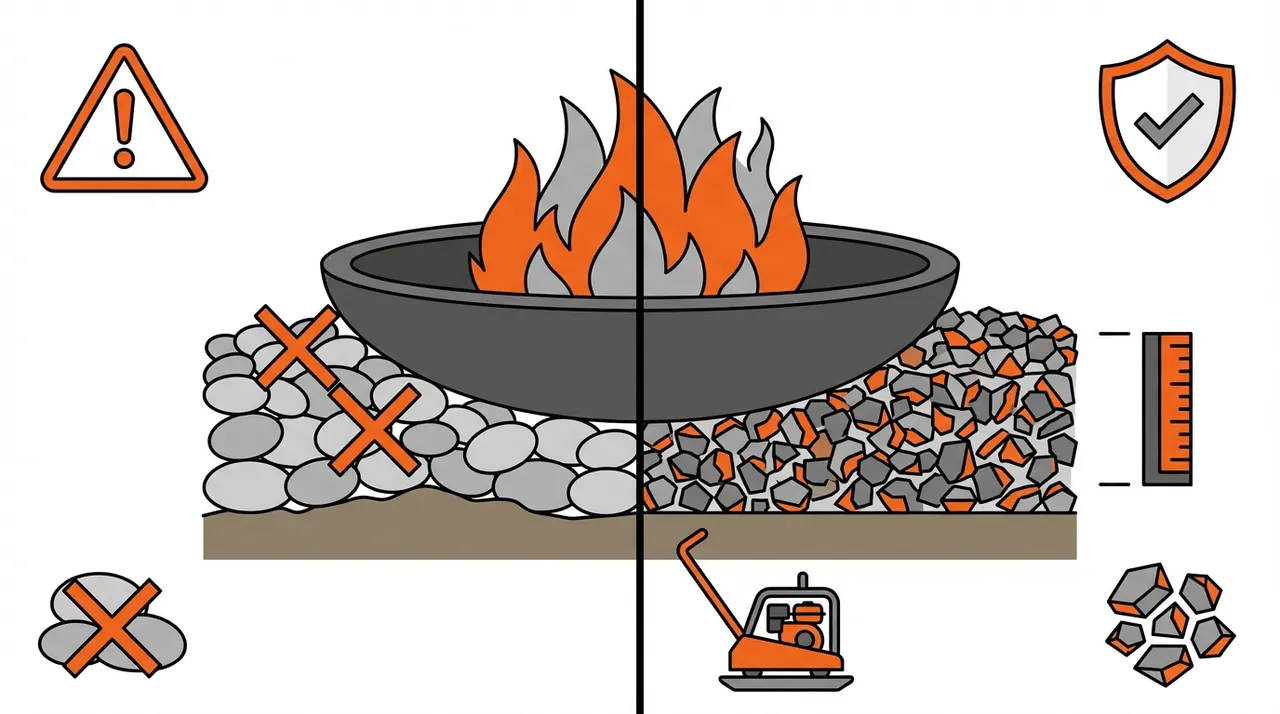
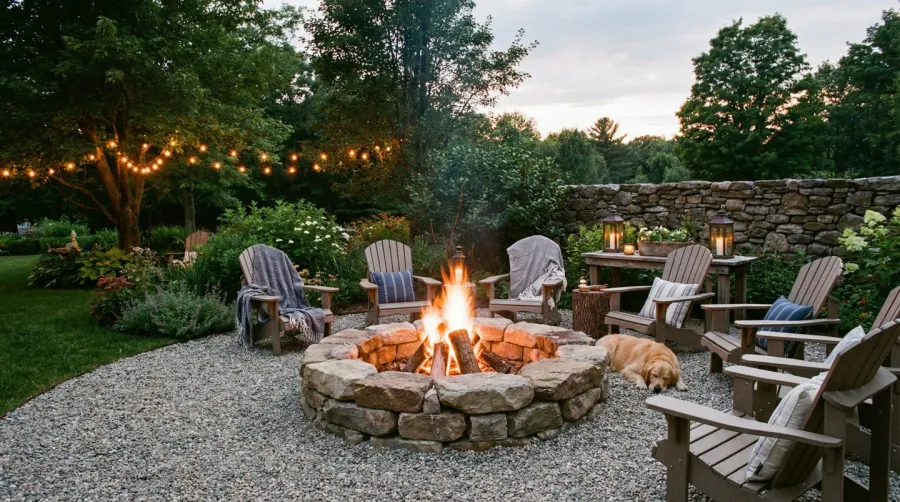
Creating a fire pit area transforms your backyard into the perfect gathering spot for family and friends. You might wonder which materials work best for the foundation and surrounding area. Gravel stands out as an excellent choice for fire pit projects, offering superior drainage, heat resistance, and stability that keeps your outdoor space both safe and beautiful.
Quick Answer: Pea gravel and crushed stone are the top choices for fire pit areas. Pea gravel provides comfort underfoot, while crushed stone offers excellent drainage and compaction for the base layer.
When you choose the right gravel type and install it properly, you create a fire-safe zone that prevents water damage and provides years of reliable use. This guide walks you through everything you need to know about selecting and installing gravel for your fire pit area.
About Hello Gravel
Hello Gravel delivers bulk gravel, rock, dirt, and sand by the ton. Enter your ZIP code to see prices with delivery included. A local dump-truck driver places the load where access is safe; spreading is not included.
Why gravel works perfectly for fire pit areas
Gravel brings several key advantages that make it ideal for fire pit projects. Unlike grass or mulch, gravel won’t catch fire, creating a natural safety barrier around your fire pit. This fire-resistant quality gives you peace of mind during gatherings.
The drainage benefits really set gravel apart from other materials. Water flows through gravel instead of pooling around your fire pit, preventing rust damage and eliminating muddy conditions after rain. You’ll appreciate this feature during wet seasons when other surface materials become unusable.
Gravel also provides excellent stability for your fire pit structure. The interlocking stones create a level, solid foundation that prevents shifting or tipping. This stability becomes especially important with larger fire pits or when you’re adding seating areas around the perimeter.
Choosing between pea gravel and crushed stone
The two most popular gravel options each serve different purposes in your fire pit area. Understanding their unique characteristics helps you make the right choice for your specific needs.
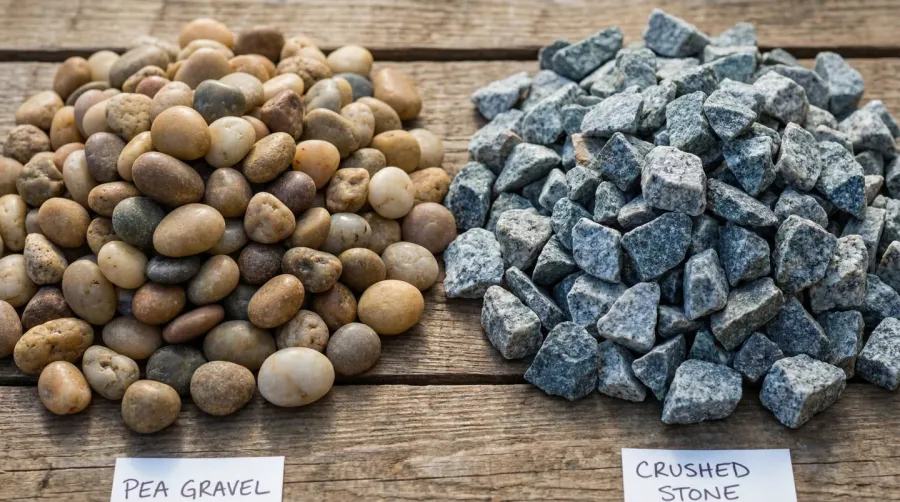
Pea gravel features smooth, rounded edges that make it comfortable to walk on barefoot. The stones typically measure 1/4 inch to 3/8 inch in diameter, creating a uniform appearance. You’ll find pea gravel in various colors, from natural tan to decorative blues and grays, allowing you to match your outdoor decor.
Crushed stone offers superior compaction and drainage due to its angular edges. These jagged pieces lock together when compressed, forming a stable base that won’t shift under weight. Crushed stone works best as a foundation layer, with sizes ranging from 3/4 inch to 1 1/2 inches for fire pit applications.
| Gravel Type | Best Use | Comfort Level | Drainage | Cost Range |n|————-|———-|—————|———-|————|n| Pea Gravel | Top layer, walkways | High | Good | $30-50/ton |n| Crushed Stone | Base layer, foundation | Medium | Excellent | $25-40/ton |n| Fine Aggregate | Leveling, gaps | Low | Fair | $20-35/ton |
Pro Tip: Use 2-3 inches of crushed stone as your base layer, followed by 1-2 inches of pea gravel on top for the perfect combination of stability and comfort.
Step-by-step installation process
Installing gravel for your fire pit area follows a straightforward process that most homeowners can complete in a weekend. Proper preparation ensures your fire pit area remains stable and safe for years.
Start by marking your fire pit area with spray paint or stakes. Plan for the fire pit itself plus at least 3-4 feet of clearance on all sides. Check local fire codes for specific distance requirements from structures, trees, and property lines.
Excavate the marked area to a depth of 4-6 inches. Remove all grass, roots, and debris to create a clean foundation. Slope the excavated area slightly away from your home to encourage proper drainage. If you’re wondering about whether you can put gravel over grass, proper excavation is always the recommended approach for long-lasting results.
Install landscape fabric over the excavated area to prevent weed growth. Overlap seams by 6 inches and secure with landscape pins every 3 feet. This barrier keeps your gravel clean and reduces long-term maintenance.
Add your base layer of crushed stone, spreading it evenly with a rake. Compact this layer using a hand tamper or plate compactor, working in sections to ensure uniform density. The compacted base should measure 2-3 inches thick. Understanding the benefits of gravel fill for construction projects can help you appreciate why proper base preparation matters.
Spread your top layer of pea gravel over the compacted base. Rake it smooth and check for even coverage. The finished surface should sit slightly below surrounding grade to prevent gravel migration.
For DIY homeowners tackling this project, ordering the right amount of material is crucial. Using an online material calculator can help you determine exactly how many cubic yards or tons you’ll need based on your project measurements. With nationwide delivery available, you can have quality gravel and crushed stone delivered directly to your project site, often as soon as the next business day.
Maintenance and long-term care
Your gravel fire pit area requires minimal ongoing maintenance when installed correctly. Regular care keeps the area looking great and functioning properly for many years.
Rake your gravel monthly to maintain an even surface and prevent low spots from developing. This simple task takes just a few minutes and keeps your fire pit area looking professionally maintained.
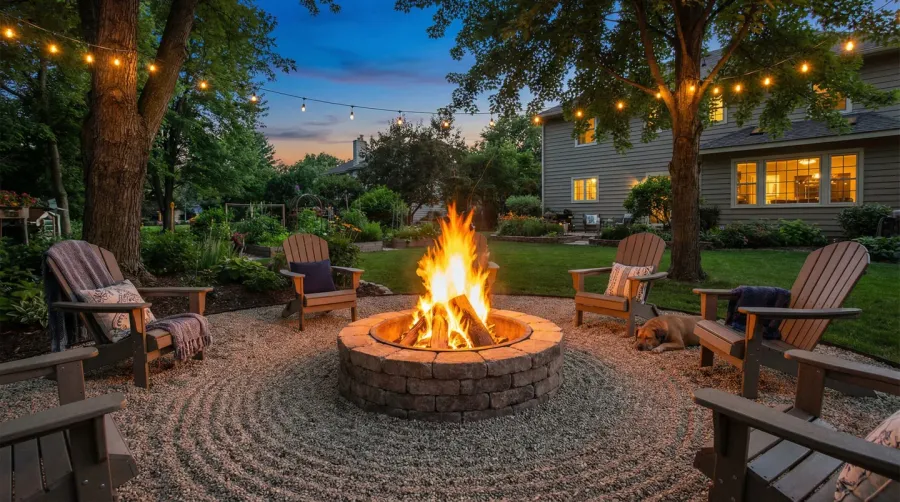
Remove leaves and debris regularly, especially during fall months. Organic matter can decompose and create uneven surfaces or drainage problems if left unattended. A leaf blower makes this task quick and easy. For more detailed maintenance guidance, learn how to maintain a gravel garden to keep your entire outdoor space in top condition.
Add fresh gravel every 2-3 years to maintain proper depth and appearance. Normal foot traffic and weather gradually compact and displace gravel, so periodic replenishment keeps your area functioning optimally.
Maintenance Schedule: Monthly raking, seasonal debris removal, and gravel refresh every 2-3 years will keep your fire pit area in excellent condition.
Inspect the area after heavy storms for any displacement or drainage issues. Address problems quickly to prevent larger issues from developing. Well-maintained gravel areas can last decades with minimal intervention.
Creating a gravel fire pit area gives you a safe, attractive outdoor space that enhances your property value and provides countless hours of enjoyment. The combination of proper material selection and careful installation ensures your investment pays dividends for years to come. Whether you choose pea gravel for comfort or crushed stone for durability, you’re creating a foundation that supports memorable gatherings and peaceful evenings under the stars. If you’re planning other outdoor projects, consider using gravel for an outdoor seating area base to complement your fire pit space.
FAQ
What is the best gravel for a fire pit area?
Pea gravel and crushed stone are the top choices for fire pit areas. Use crushed stone (3/4 inch to 1 1/2 inches) as your base layer for excellent drainage and stability, then add pea gravel (1/4 inch to 3/8 inches) as the top layer for comfort and appearance. This combination provides the perfect balance of functionality and aesthetics.
How deep should gravel be around a fire pit?
The total gravel depth should be 4-5 inches: 2-3 inches of compacted crushed stone as the base layer, followed by 1-2 inches of pea gravel on top. Excavate 4-6 inches deep initially to accommodate this gravel depth while keeping the finished surface slightly below surrounding grade.
Do I need landscape fabric under gravel for a fire pit?
Yes, landscape fabric is essential under gravel for fire pit areas. Install it over the excavated area before adding gravel to prevent weed growth and keep the gravel clean. Overlap seams by 6 inches and secure with landscape pins every 3 feet for best results.
Can you put a fire pit directly on gravel?
Yes, you can place a fire pit directly on a properly prepared gravel base. The gravel provides excellent stability and drainage while creating a fire-resistant barrier. Ensure the gravel base is level and well-compacted, and maintain at least 3-4 feet of gravel clearance around the fire pit for safety.
Materials for this project
Get it delivered — dumped where you need it
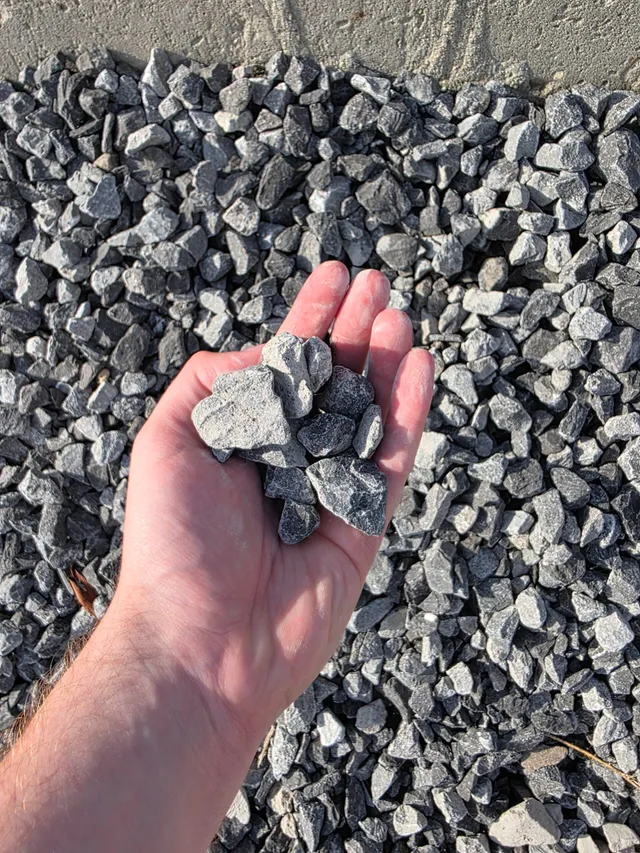
Driveway Gravel
Driveways & Parking areas
See delivered price
View product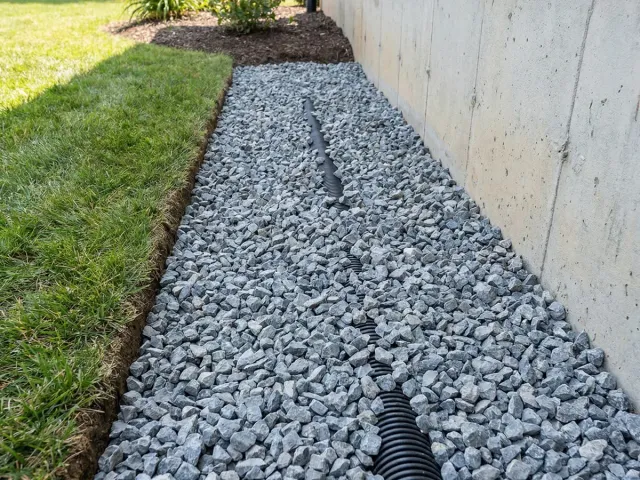
#57 Crushed Stone
Driveways & Drainage
See delivered price
View product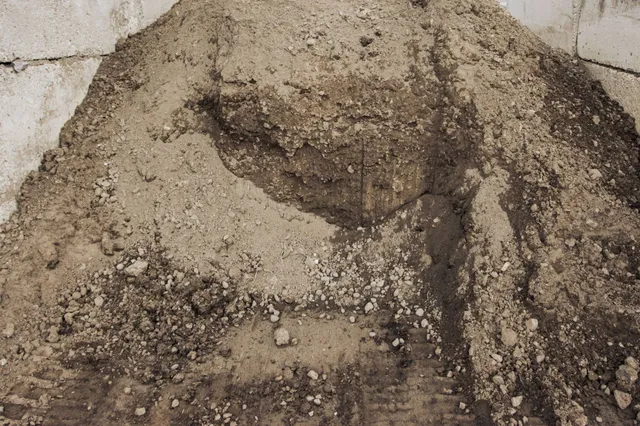
Fill Dirt
Grading & Backfill
See delivered price
View product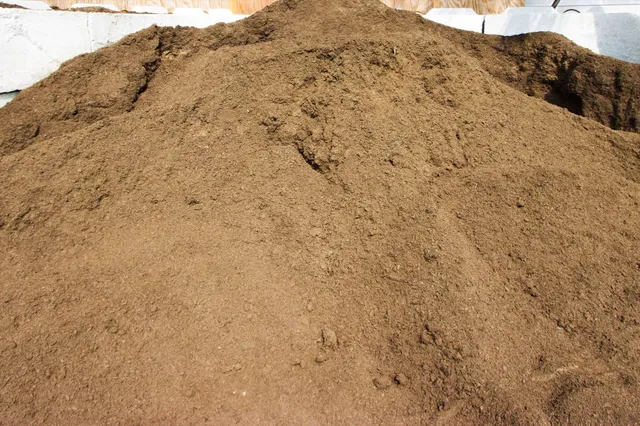
Topsoil
Lawn establishment & Garden beds
See delivered price
View product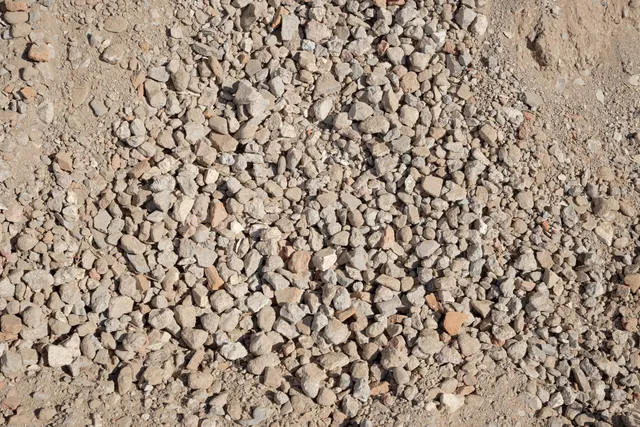
Road Base
Driveway base & Road construction
See delivered price
View product