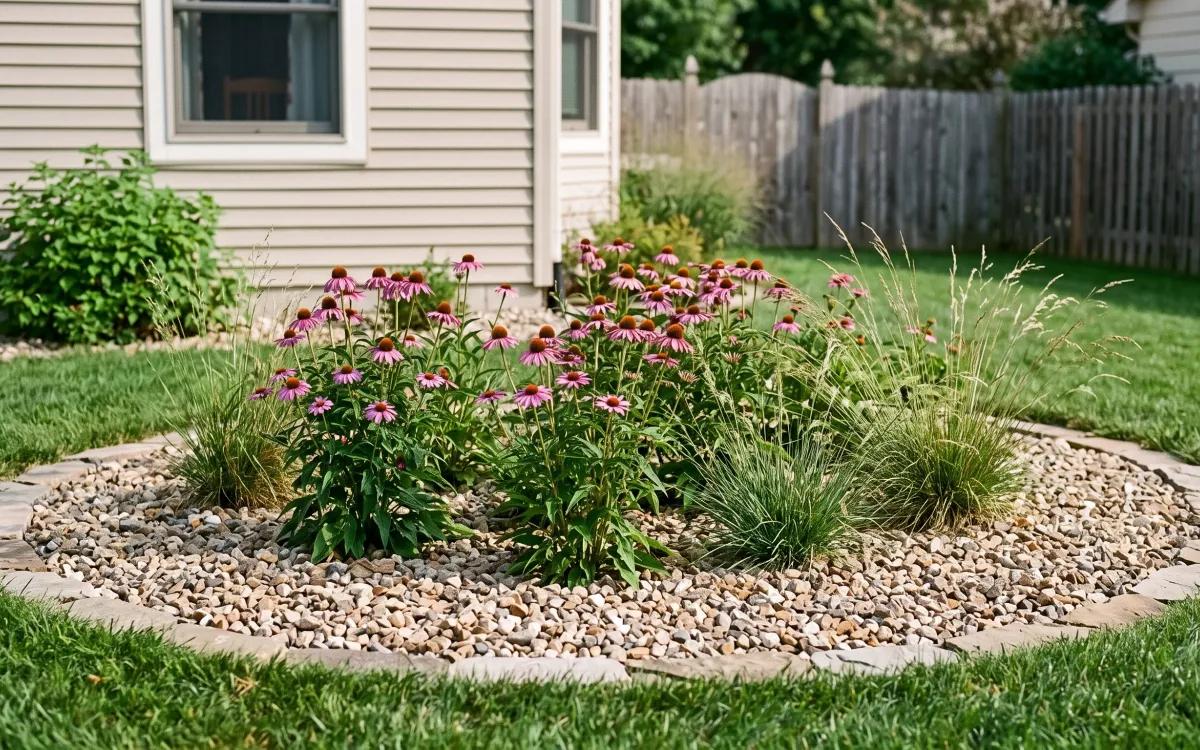
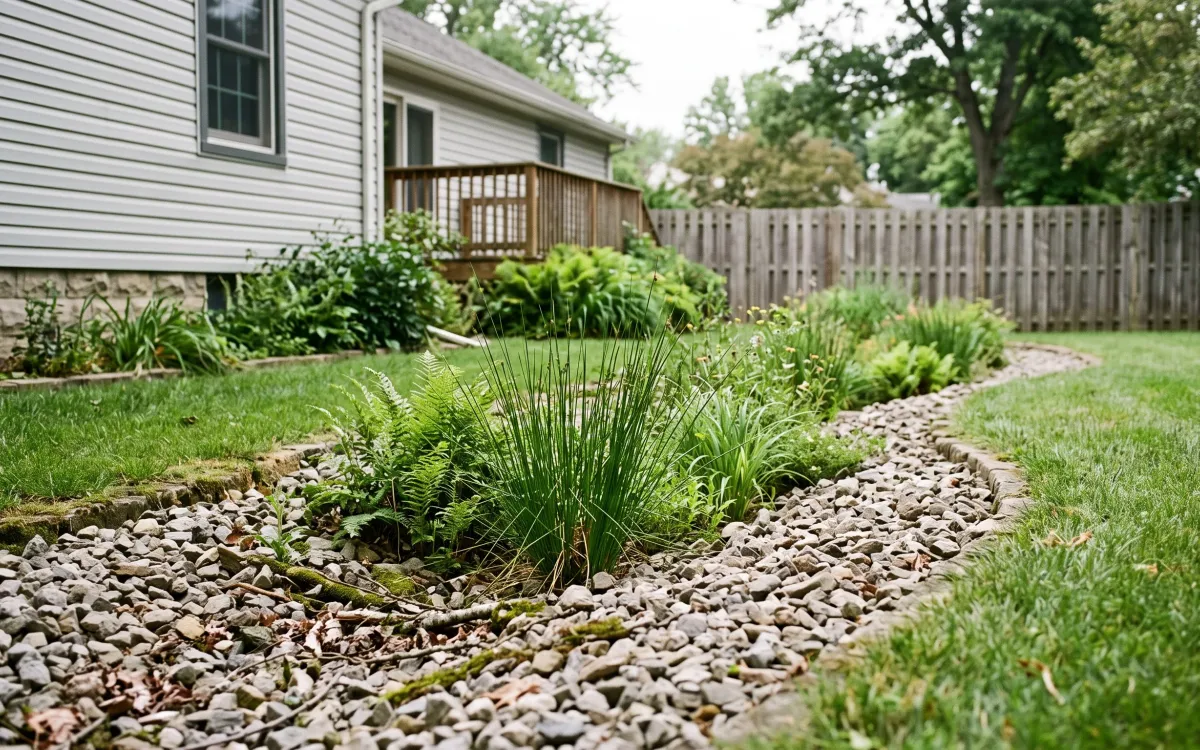
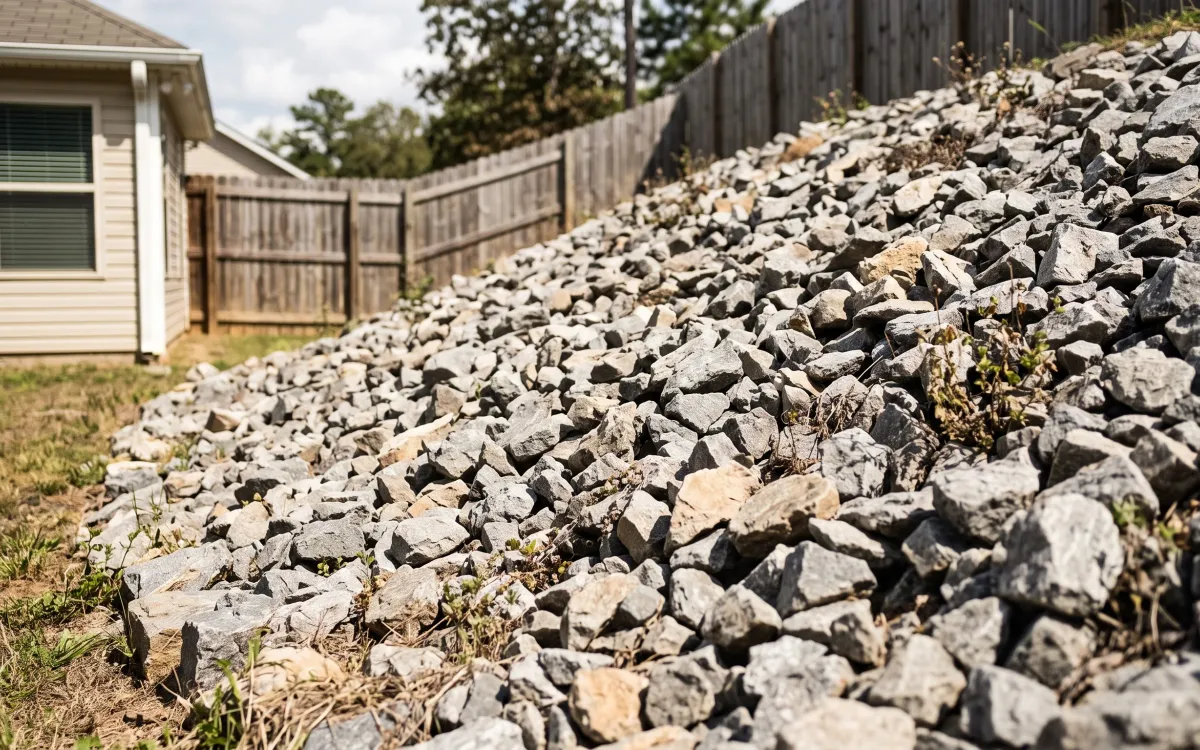
Building a Garden Berm: Soil & Gravel Quantity Guide
Building a berm effectively depends on proper material selection and thoughtful placement to achieve your landscaping goals. This guide explains what a berm is, which materials you need, how to design and lay it out, how to build it step by step, and how to estimate the amount of gravel required. Whether you are creating a new landscape feature or reshaping an existing area, use the sections below to find what you need.
See How to Build a Berm
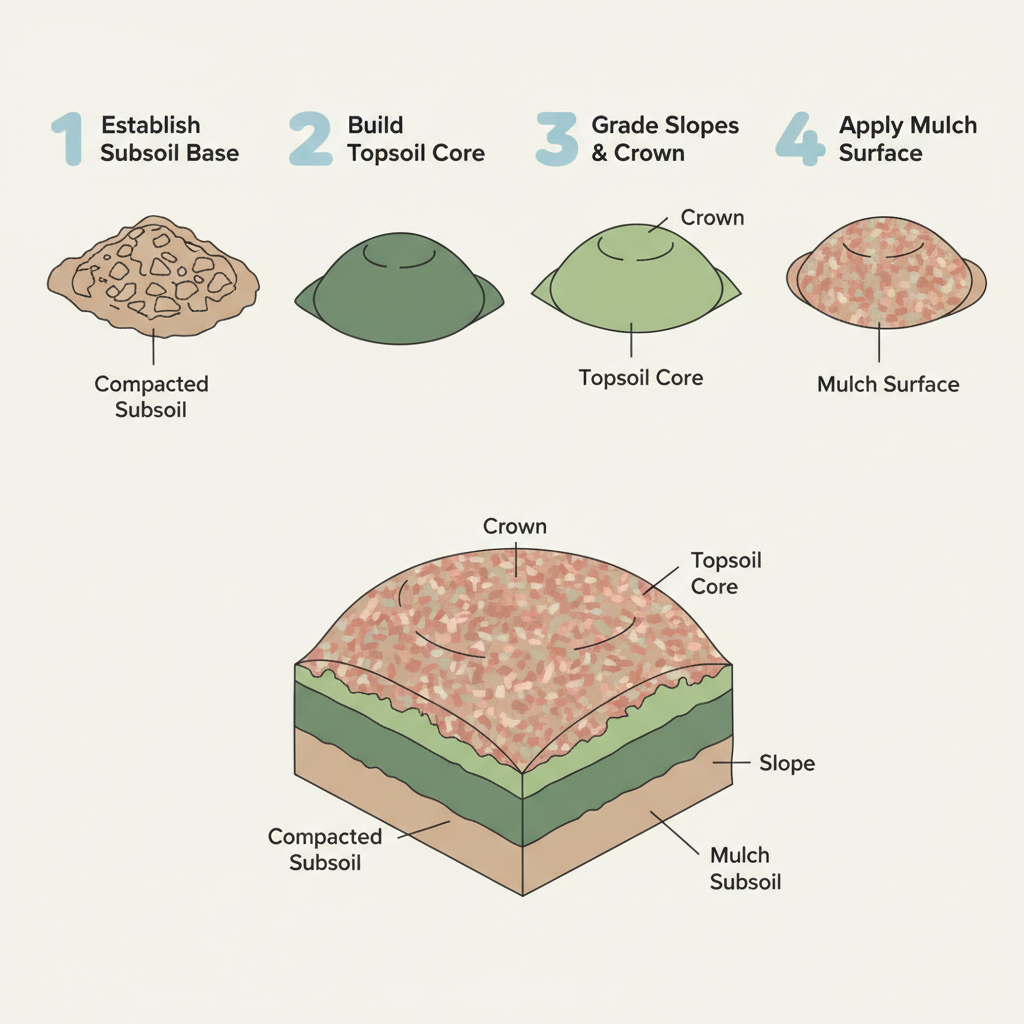
This visual guide walks you through the four key steps to building a berm, from establishing a solid subsoil base to applying a protective mulch surface. It clarifies the proper installation sequence and the layered structure—compacted subsoil, topsoil core, and mulch surface—so you can create a stable, effective landscape feature.
This diagram couldn't load.
Watch the video guide insteadGravel for Berms: Best Materials, Depth, Cost & How to Build
A berm is a strategically built landscape mound that redirects water flow, creates visual interest, and provides elevated planting areas. For optimal results, use screened topsoil (1/4 inch minus) as your core material, installed 12-18 inches deep with proper compaction. This approach ensures proper drainage through the crown and slopes while supporting healthy vegetation. A typical 10x10 foot berm requires 3-5 cubic yards of material for proper construction.
How This Berm Is Built (Layer-by-Layer System)
A berm is a raised landscape feature built as a layered system to redirect water, create visual interest, or provide a planting area. It starts with a base of compacted subsoil for stability, followed by a core of topsoil to support plant growth, and a final layer of mulch to retain moisture and prevent erosion. The berm's shape includes a gradual slope on all sides and a rounded crown to encourage surface runoff and natural drainage.
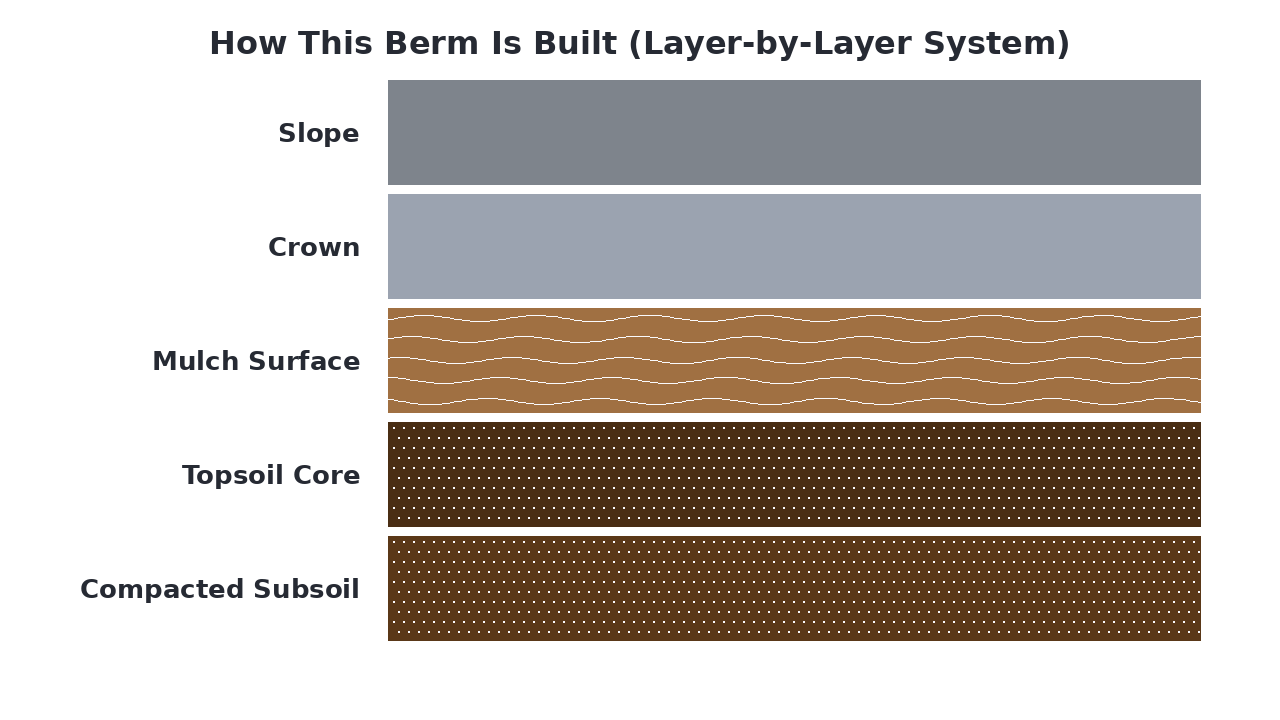
Materials Breakdown: What Each Layer Does
A berm is constructed as a layered system, with each material serving a distinct structural or functional purpose. The layers work together to create a stable, well-drained mound that supports plant growth and prevents erosion. Choosing the right product for each layer ensures the berm maintains its shape and performs effectively over time.
Compacted Subsoil
The dense, stable base layer that provides structural support and prevents settling of the berm over time.
Topsoil
The main soil body that holds moisture and nutrients for plant roots, forming the growing medium for vegetation.
View Topsoil →Mulch
A protective surface layer that conserves soil moisture, suppresses weeds, and moderates soil temperature.
View Mulch →Surface Crown
The gently rounded top of the berm that directs water runoff to the sides, preventing pooling and erosion.
Graded Slope
The angled sides of the berm that control water drainage and provide stability against soil erosion.
What Is a Berm and Why Does It Matter?
A berm is a raised landscape feature built as a layered system to redirect water, create visual interest, or provide a planting area. It matters because it serves as both a functional drainage solution and an aesthetic landscape element that can define spaces and improve water management. Unlike simple mounds or piles of dirt, berms are engineered with specific layers including compacted subsoil, topsoil core, and mulch surface to ensure stability, proper drainage, and plant viability.
Common Types of Berm Systems
Berms come in several common types depending on their primary purpose and construction materials. A drainage berm uses compacted soil and gravel layers to redirect water away from structures, while a planting berm is built with rich topsoil and mulch to support vegetation. Aesthetic berms focus on shape and surface materials like river rock or decorative gravel for visual impact, and hybrid berms combine drainage and planting functions for multi-purpose landscapes.
- Redirects water flow
- Uses compacted subsoil
- Often gravel-capped
- Prevents foundation issues
Best for: Solving yard drainage problems
- Rich topsoil core
- Mulch surface layer
- Supports deep roots
- Creates planting beds
Best for: Creating elevated garden areas
- Gravel surface layer
- Excellent water drainage
- Low maintenance surface
- Modern aesthetic appeal
Best for: Low-maintenance drainage with style
- Decorative rock surface
- Natural water flow
- Erosion resistant
- Visual focal point
Best for: Decorative water management features
When a Berm Is the Best Solution
A gravel-capped berm is ideal when you need both effective drainage and low maintenance. It's perfect for redirecting water away from foundations while requiring minimal upkeep compared to planted berms. This solution works well in modern landscapes where clean lines and functional design are priorities, and it's particularly suitable for areas with poor soil where vegetation struggles to establish.
Everything You Need to Build a Berm
Building a berm requires carefully selected materials arranged in specific layers for stability and drainage. You'll need foundational materials for the base, core fill for the main structure, and surface materials for planting and erosion control. Essential tools include earth-moving equipment, grading tools, and compaction devices to shape and stabilize the mound properly.
- Compacted subsoil, Topsoil core, Mulch surface, Gravel or river rock (for drainage), Compost (optional for planting)
- Shovel, Rake, Wheelbarrow, Compactor or tamper, Grading stakes and string, Measuring tape
- Hello Gravel (materials), A contractor supply store, Local Equipment Rental (compactor)
What to Consider Before You Start
Before building your berm, consider these key planning factors to ensure proper placement, drainage, and long-term stability.
- Location and placement
Determine the berm's placement considering property lines, underground utilities, and existing drainage patterns.
- Size and slope planning
Calculate the berm's dimensions, height, and slope angles to ensure stability and proper drainage.
- Drainage considerations
Plan how water will flow around and through the berm to prevent erosion and water pooling.
- Plant selection
Choose appropriate plants for the berm's slopes and crown based on sunlight exposure and soil conditions.
- Soil testing
Test your existing soil to determine if amendments are needed for proper compaction and plant growth.
How to Prepare the Ground for a Berm
Begin by clearing the area of all vegetation, debris, and large rocks to create a clean work surface. Mark the desired berm outline using stakes and string, then roughly grade the interior to a shallow depression to help anchor the base. Finally, compact the exposed subsoil thoroughly with a plate compactor to establish a stable, non-settling foundation for the layered construction.
How a Berm Works
A berm functions as a layered, engineered mound that manages water and supports plant life. The compacted subsoil base provides structural stability and load distribution, while the topsoil core retains moisture for roots. The sloped sides and crowned top direct surface runoff away from the mound, preventing erosion, and the mulch surface further protects the soil while suppressing weeds.
How to Install a Berm
Establish Subsoil Base
Spread and compact a layer of native or imported subsoil to form the foundational shape and height of the berm.
Build Topsoil Core
Add and shape a thick layer of quality topsoil over the subsoil base to create the planting medium and final mound form.
Grade Slopes & Crown
Sculpt the sides to a stable, gradual slope and shape the top into a gentle crown to shed water effectively.
Apply Mulch Surface
Cover the entire topsoil surface with a layer of mulch to conserve moisture, suppress weeds, and prevent erosion.
Alternative Gravel Options for Berms
When building a berm, the choice of aggregate for the structural core layer is crucial for stability and drainage. Homeowners have several options, including crushed stone, gravel, and recycled materials, each with different compaction and water-permeability characteristics. For most residential berms, a well-graded crushed stone like #57 Stone provides the ideal balance of interlock, load-bearing capacity, and drainage, making it the top recommendation.
An angular, well-graded crushed stone that compacts solidly for a stable berm core.
View Product →A recycled, economical option that provides good compaction and drainage for berms.
View Product →A mix of crushed stone and fines that compacts densely for a firm structural layer.
View Product →Smooth, rounded stones used primarily for decorative surfacing and drainage channels.
View Product →Small, rounded gravel that shifts easily and provides poor structural support for a berm.
View Product →Common Berm Mistakes (And How to Avoid Them)
A well-built berm requires careful planning and construction to avoid common pitfalls that lead to failure. These mistakes often compromise stability, drainage, and plant health.
- Insufficient base compaction
- Poor internal drainage
- Incorrect slope angles
- Using non-structural surface material
- Neglecting erosion control
How to Maintain a Berm
Regularly inspect the berm for signs of erosion, especially after heavy rain, and regrade any settled areas to maintain the desired slope. Top up the surface mulch or ground cover as needed to protect the soil and suppress weeds. Ensure any drainage channels or swales remain clear of debris to prevent water from pooling and undermining the structure.
Calculate How Much Gravel You Need
Enter Your Dimensions
Measure your project area and we'll calculate how much material you need.