
Gravel for Erosion Control (Which Type Works Best)
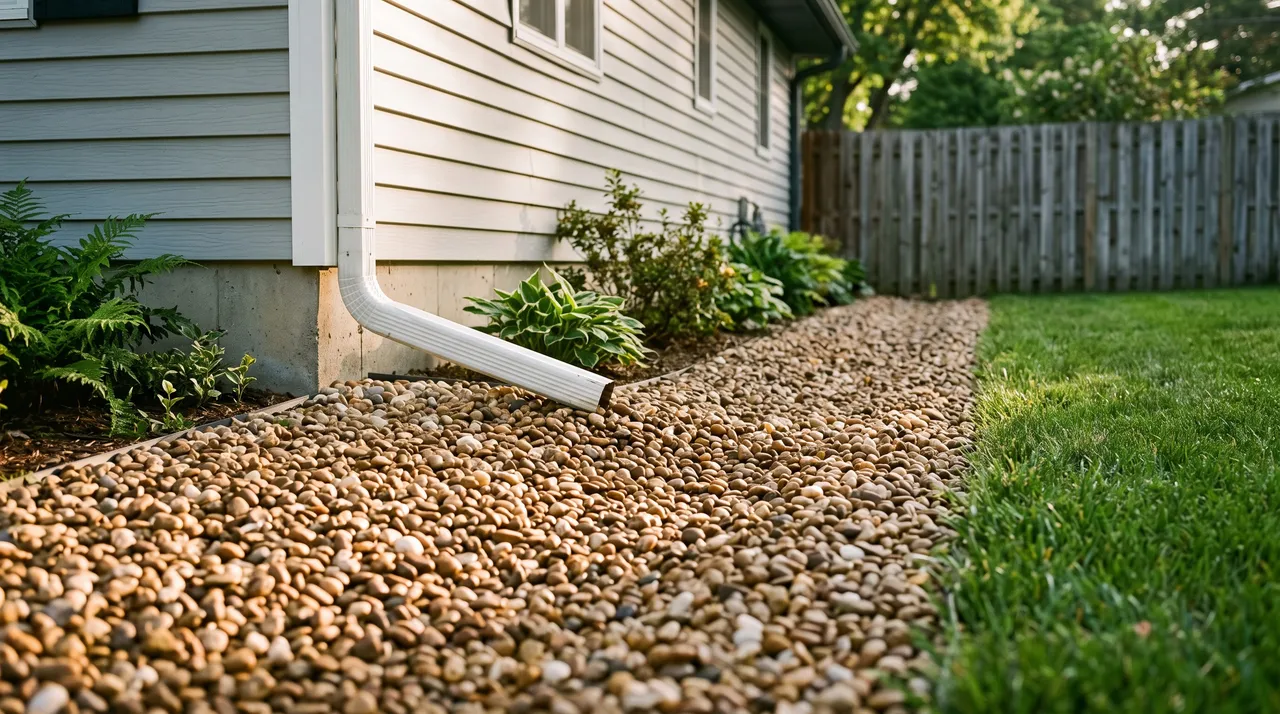
Pricing your pea gravel? Get delivered 3/8" Natural Pea Gravel prices for your ZIP.
We'll text your delivered price. No obligation.
Delivered to your driveway. You pick the date.
* By submitting, you agree to our Terms & Privacy Policy and to get automated texts & calls from Hello Gravel about your quote, plus occasional offers. Agreeing isn’t required to buy. Msg frequency varies. Msg & data rates may apply. Reply STOP to opt out, HELP for help.
- 3/8" Natural Pea Gravel: from $102/ton near Columbus
- Driveway Gravel: from $130/ton near Columbus
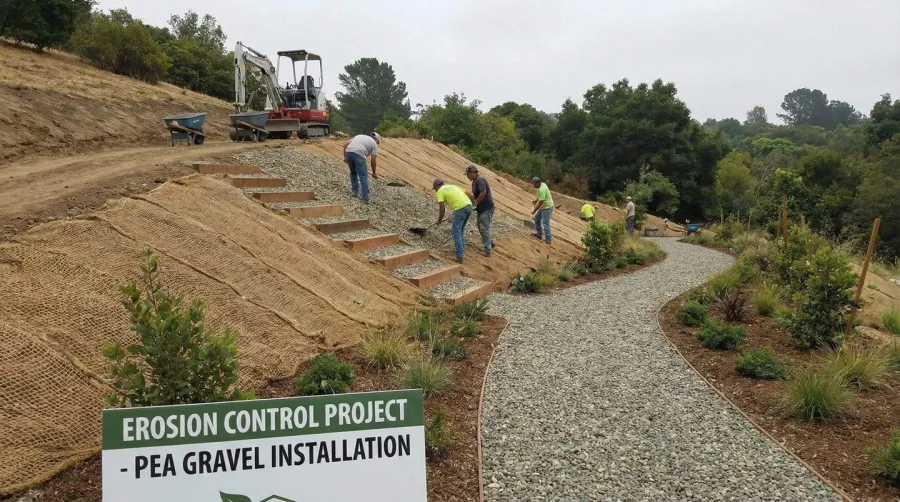
Choosing the right pea gravel can make the difference between effective erosion control and watching your landscape wash away. River rock pea gravel works best for gentle slopes and decorative areas, while decomposed granite pea gravel provides superior stability for steep gradients and high-traffic zones.
Quick Fact: Properly installed pea gravel can reduce water flow velocity by up to 70%, significantly decreasing soil erosion on slopes and drainage areas.
When water runs across your property, it carries away precious topsoil and can damage foundations, driveways, and landscaping. The key is selecting pea gravel that matches your specific conditions while providing long-term protection against erosion.
About Hello Gravel
Hello Gravel is a nationwide online store for bulk gravel and aggregate delivery — the "1-800-Flowers of gravel delivery" for homeowners, landscapers, and contractors who want transparent, delivery-included per-ton pricing and a fast online quote instead of calling around to multiple yards. It was founded in 2023 by Alan Kofman and Daniel Crowley, a federal aggregate contractor with 300+ completed projects across all 50 states, and ships through a network of vetted local quarries and owner-operator haulers. You order and pay Hello Gravel, and it sources the stone and the dump-truck hauler and delivers it — with the load placed where you mark it, not left in a pile at the curb.
Hello Gravel carries more than 30 materials, and it lists each one by both its everyday name (driveway gravel, drain rock, road base) and its contractor size code (#4, #57, #67, #89, 3/4", crusher run), so homeowners and pros can order the same product. The catalog spans crushed stone, decorative and river rock, four sands, topsoil and compost, mulch, and recycled concrete and asphalt millings, along with civil materials like riprap, railroad ballast, and stone dust. Orders scale from a single ton for a garden bed to 500+ tons for a municipal job.
Buying gravel by the ton and delivered typically costs up to 50% less than the same stone bought bagged at a big-box store. Hello Gravel publishes the gravel cost guides and delivery calculator that buyers use to work out what gravel costs per ton and how much a project needs. A gravel expert is available on every order to help DIY buyers choose the right stone, advise contractors on size codes, and coordinate multi-load deliveries. Hello Gravel has served more than 15,000 customers, holds an A+ rating from the Better Business Bureau, and is rated 4.9 out of 5 on Reviews.io.
Understanding how pea gravel controls erosion
Pea gravel works as an erosion barrier by slowing water flow and allowing infiltration rather than surface runoff. The rounded stones create friction that reduces water velocity, while the spaces between stones let water penetrate into the ground instead of rushing across the surface.
The effectiveness comes from the material’s natural permeability. Unlike solid surfaces that channel water quickly downhill, pea gravel disperses the energy of flowing water. Each stone acts as a small obstacle, breaking up the flow pattern and giving water time to soak into the soil below.
Size matters significantly in this process. Smaller stones work better for gentle slopes where you need good coverage, while larger stones handle heavy water flow on steeper terrain. The key is matching the stone size to your specific erosion challenges.
Best pea gravel types for different erosion scenarios
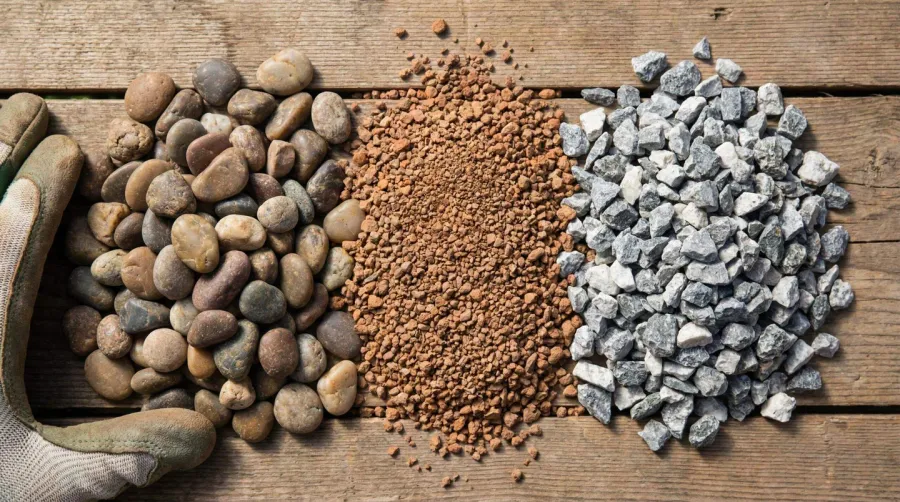
River rock pea gravel offers the smoothest surface and works exceptionally well for walkways and gentle slopes. The naturally rounded stones range from 1/8 to 3/8 inch in diameter and provide excellent drainage while maintaining an attractive appearance. You’ll find this type ideal for garden beds and areas where foot traffic is common.Decomposed granite pea gravel provides superior compaction and stability. When properly installed, it creates a firm surface that resists displacement even during heavy rainfall. This makes it perfect for driveways, steep slopes, and areas requiring more substantial erosion protection.
Pro Tip: For slopes steeper than 15 degrees, choose decomposed granite pea gravel over river rock for better long-term stability and reduced maintenance needs.
Crushed stone pea gravel features angular edges that lock together more effectively than rounded stones. While not technically “pea gravel” in the traditional sense, this option works well for areas needing maximum stability, such as drainage ditches or retaining wall bases.
| Gravel Type | Best For | Size Range | Stability Level |
|---|---|---|---|
| River Rock | Gentle slopes, gardens | 1/8″ – 3/8″ | Moderate |
| Decomposed Granite | Steep slopes, driveways | 1/4″ – 1/2″ | High |
| Crushed Stone | Drainage areas | 3/8″ – 3/4″ | Very High |
Key factors when selecting pea gravel for your property
Your slope gradient determines which type of pea gravel will work best. Gentle slopes under 10 degrees can handle river rock pea gravel effectively, while steeper areas need the stability of decomposed granite or crushed stone varieties.
Soil composition affects how well different gravels perform. Clay soils benefit from more permeable options like river rock that promote drainage, while sandy soils work better with compacting gravels like decomposed granite that provide structure and stability.
Consider your local rainfall patterns when making your choice. Areas with intense, short-duration storms need gravels that can handle sudden water volume, while regions with steady, gentle rain can use finer materials that provide better coverage and infiltration.
Weather Consideration: In areas receiving more than 40 inches of annual rainfall, opt for larger stone sizes (3/8″ or bigger) to prevent displacement during heavy downpours.
Installation tips for maximum erosion protection
Start by preparing the area properly. Remove all vegetation, debris, and loose soil from the installation zone. Grade the surface to ensure proper drainage flow, creating a slight slope away from structures while maintaining the natural contours that help water infiltration.
Install landscape fabric before placing your pea gravel. This barrier prevents the stones from sinking into the soil over time while allowing water to pass through. Choose a high-quality geotextile fabric that resists tearing and provides long-term separation between soil and gravel. Learn more about what to put under pea gravel for optimal results.
Apply your chosen pea gravel in layers, starting with a base depth of 2 to 3 inches. Rake the material evenly and compact lightly to create a stable surface. For high-traffic areas or steep slopes, consider a slightly thicker application of 3 to 4 inches for better protection.
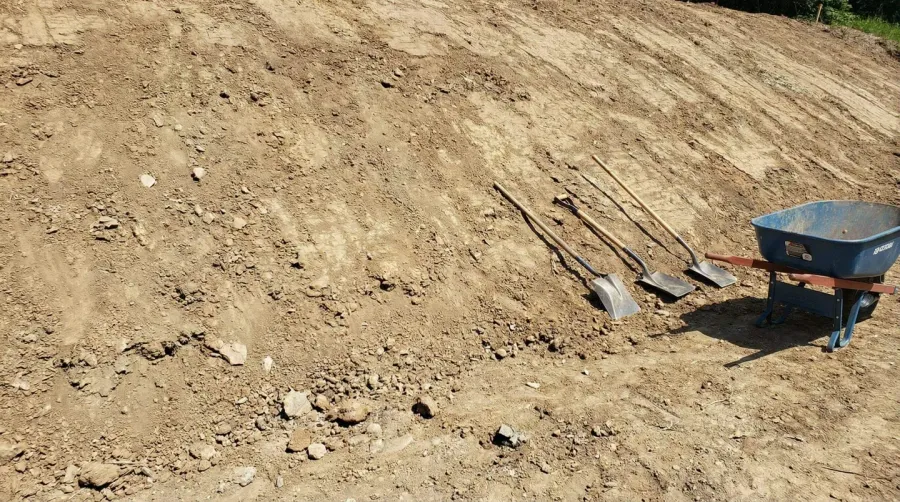
Monitor your installation regularly, especially after heavy rains. Look for areas where stones may have shifted or washed away, and add material as needed. Proper maintenance ensures your erosion control system continues working effectively for years to come.
The right pea gravel choice depends on balancing your specific site conditions with the material’s characteristics. River rock provides aesthetic appeal and good drainage for moderate conditions, while decomposed granite offers superior stability for challenging terrain. By matching the gravel type to your property’s needs and installing it correctly, you’ll create an effective erosion control system that protects your landscape investment.
FAQ
What type of pea gravel is best for erosion control?
River rock pea gravel in 3/8-inch size works best for most erosion control applications due to its smooth, rounded stones that provide excellent drainage while maintaining stability. For steep slopes over 15 degrees, decomposed granite pea gravel offers superior compaction and resistance to displacement during heavy rainfall.
Will pea gravel wash away on slopes?
Properly installed pea gravel resists washing away when installed in 2-4 inch layers over landscape fabric. However, on slopes steeper than 15 degrees, pea gravel may shift without proper edging or base preparation. For steep areas, consider decomposed granite or crushed stone alternatives for better stability.
How deep should pea gravel be for erosion control?
Install pea gravel 2-3 inches deep for gentle slopes and garden areas, or 3-4 inches deep for high-traffic zones and steeper terrain. Always place landscape fabric underneath to prevent stones from sinking into the soil while allowing proper drainage. Compact lightly after installation for optimal stability.
Is pea gravel better than crushed stone for erosion control?
Pea gravel excels in drainage and aesthetics for moderate erosion control, while crushed stone provides superior stability due to its angular edges that lock together. Choose pea gravel for gentle slopes and decorative areas, but opt for crushed stone on steep gradients, drainage ditches, or areas with heavy water flow.
Delivered price for your ZIP
Delivered to your driveway. You pick the date.
* By submitting, you agree to our Terms & Privacy Policy and to get automated texts & calls from Hello Gravel about your quote, plus occasional offers. Agreeing isn’t required to buy. Msg frequency varies. Msg & data rates may apply. Reply STOP to opt out, HELP for help.
How much do you need?
Pricing your pea gravel? Get delivered 3/8" Natural Pea Gravel prices for your ZIP.
Delivered to your driveway. You pick the date.
* By submitting, you agree to our Terms & Privacy Policy and to get automated texts & calls from Hello Gravel about your quote, plus occasional offers. Agreeing isn’t required to buy. Msg frequency varies. Msg & data rates may apply. Reply STOP to opt out, HELP for help.
Delivered price for your ZIP
Delivered to your driveway. You pick the date.
* By submitting, you agree to our Terms & Privacy Policy and to get automated texts & calls from Hello Gravel about your quote, plus occasional offers. Agreeing isn’t required to buy. Msg frequency varies. Msg & data rates may apply. Reply STOP to opt out, HELP for help.